Coffee Plant, Coffea arabica - Plant
Coffee Plant, Coffea arabica - Plant
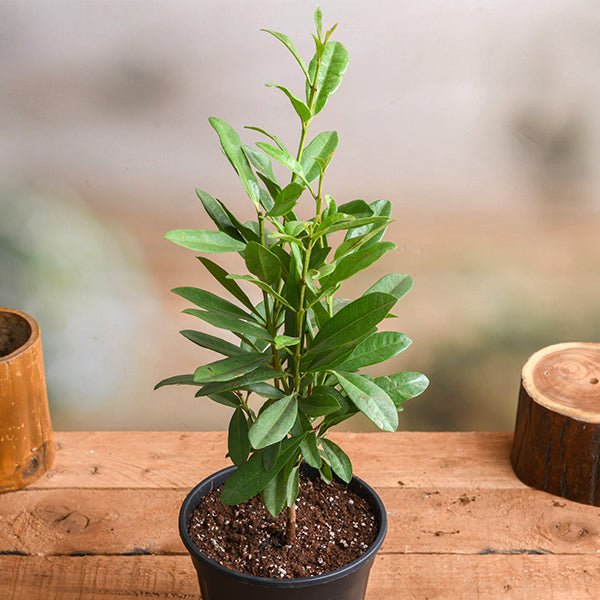
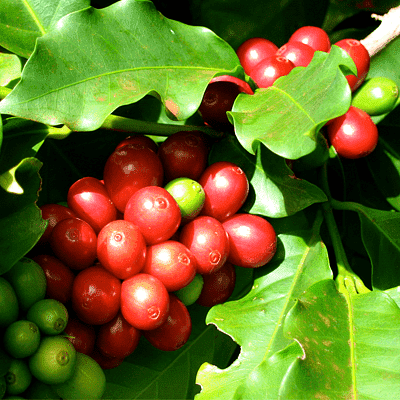
The Coffea arabica, commonly known as the Arabica coffee plant, is a beloved species renowned for producing high-quality coffee beans. Native to the highlands of Ethiopia, this evergreen shrub thrives in tropical climates, making it a favorite among coffee enthusiasts and gardeners alike. With its glossy green leaves and delicate white flowers, the Arabica coffee plant not only enhances your garden but also offers the promise of aromatic coffee right at home.
What makes Coffea arabica special is its rich flavor profile, which is often described as smooth and sweet with hints of fruit and sugar. This species accounts for about 60-70% of the world's coffee production, making it a staple in coffee culture. Its lower caffeine content compared to Robusta beans contributes to its popularity among coffee drinkers seeking a milder experience.
One of the standout features of the Arabica coffee plant is its adaptability to various growing conditions. It flourishes in well-drained, acidic soils and can be cultivated in pots, making it an excellent choice for indoor gardening. Additionally, the plant's beautiful white flowers attract pollinators, contributing positively to the local ecosystem.
Growing Instructions
- Plant in well-draining, acidic soil with a pH of 6-6.5.
- Choose a location with partial shade; direct sunlight can scorch the leaves.
- Water regularly, keeping the soil moist but not soggy.
- Fertilize every 4-6 weeks during the growing season with a balanced fertilizer.
- Prune the plant to maintain shape and encourage bushier growth.
Care Instructions
- Maintain humidity levels around 50-60% for optimal growth.
- Monitor for pests such as aphids and spider mites; treat with organic insecticides if necessary.
- Repot every 2-3 years to refresh the soil and promote healthy growth.
- Keep the plant in a stable temperature range of 60-75°F (15-24°C).
Uses
- Harvest the cherries to produce your own coffee beans.
- Use the leaves for herbal teas or as a natural insect repellent.
- Decorate your home or garden with its attractive foliage and flowers.
Fun Facts
- Coffea arabica was first cultivated in Yemen in the 15th century, leading to the global coffee trade.
- The plant can grow up to 15 feet tall in the wild but is typically kept smaller in cultivation.
- Arabica coffee beans are considered to have a superior flavor compared to Robusta beans, which are often used in instant coffee.
Environmental Impact
Growing Coffea arabica can have a positive environmental impact by promoting biodiversity. Coffee plants provide habitat for various species and can be grown in shade, preserving forest ecosystems. Sustainable coffee farming practices also help reduce deforestation and soil erosion, making it a responsible choice for eco-conscious gardeners.
Coupons
Delivery
You may also like