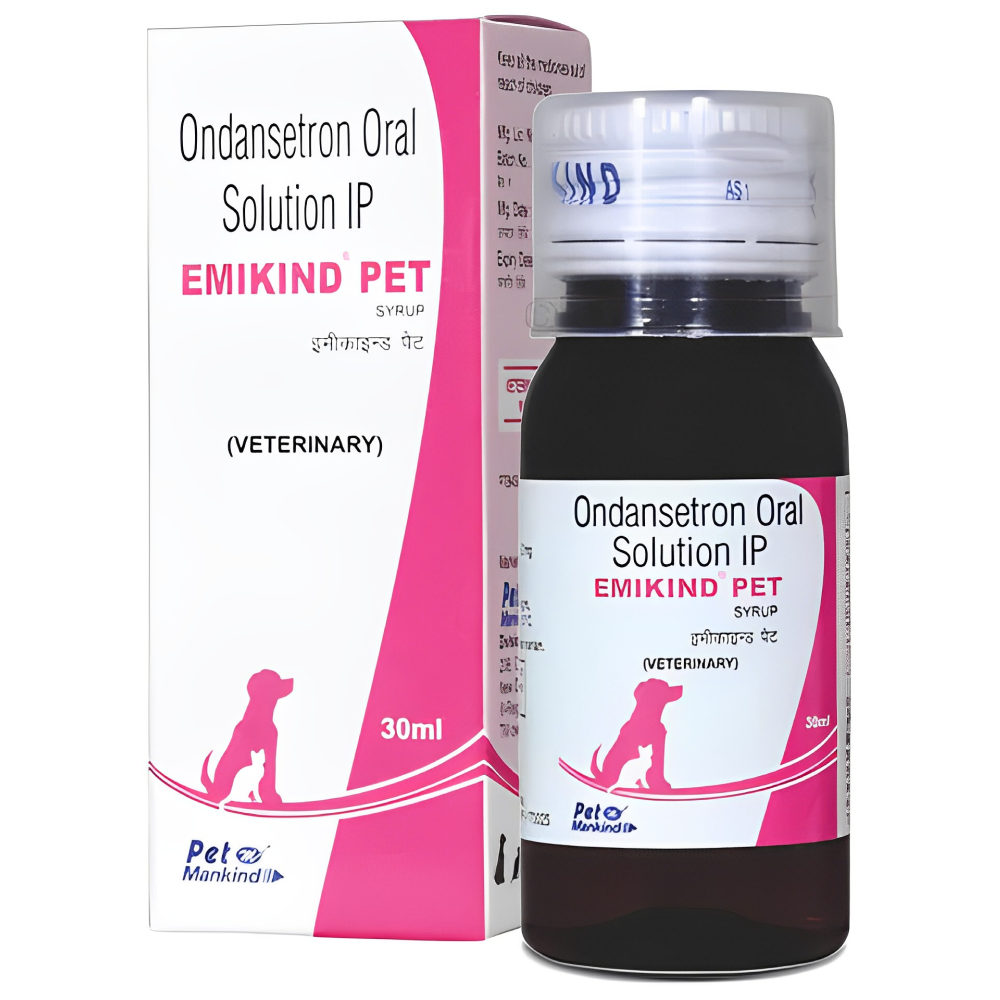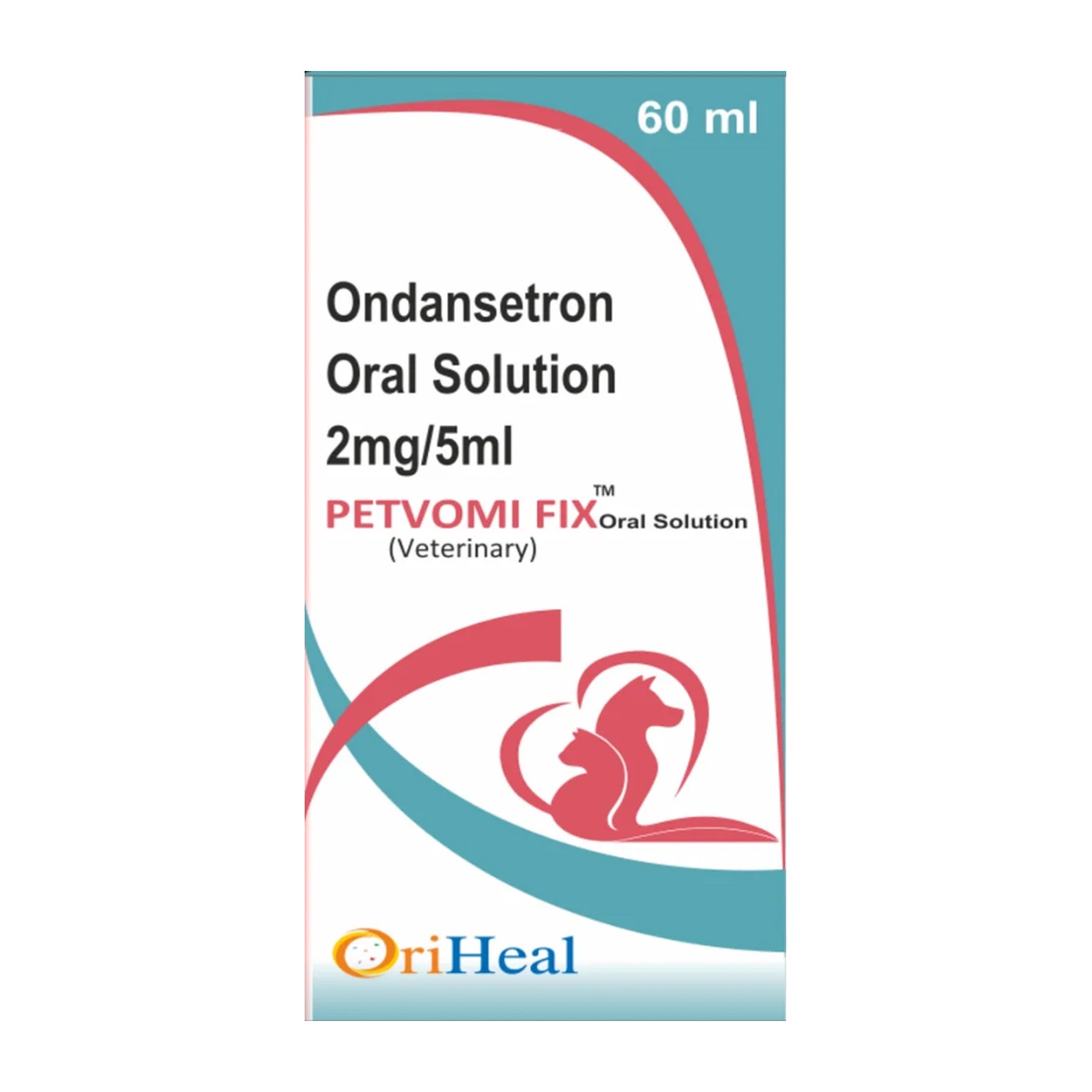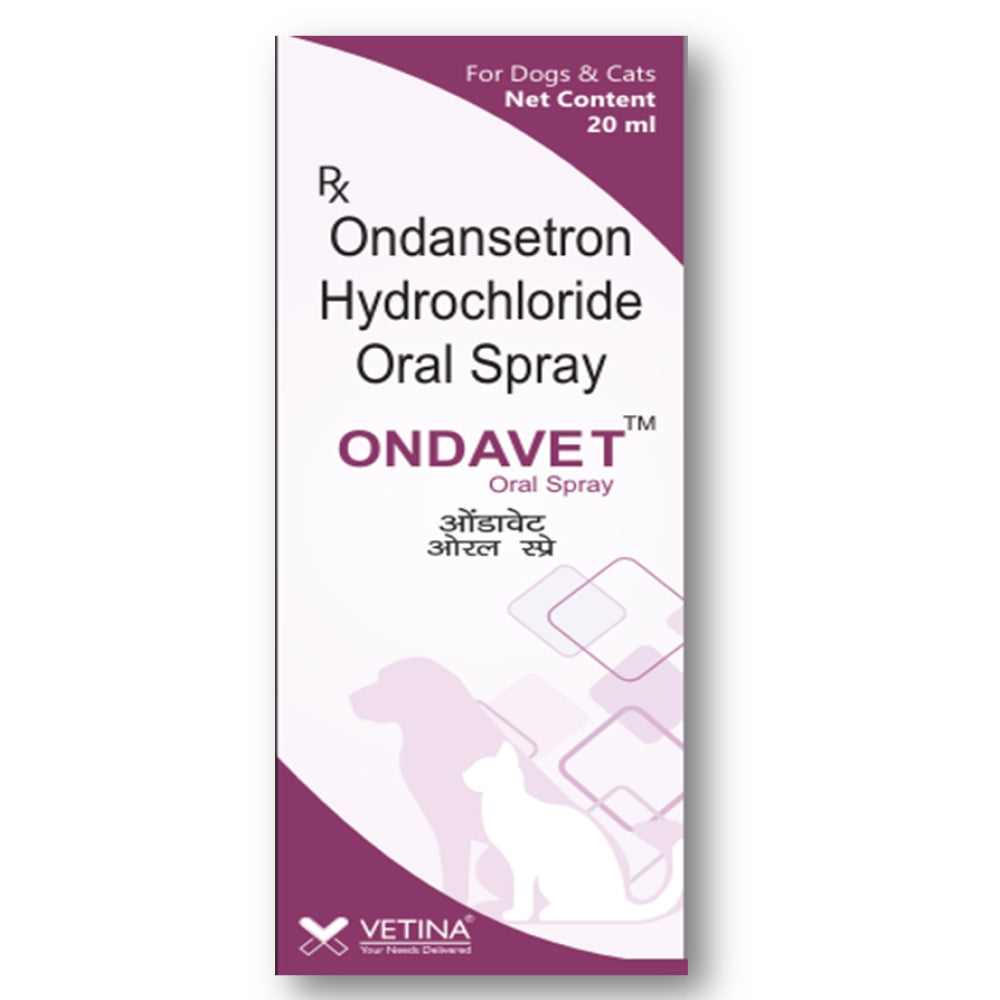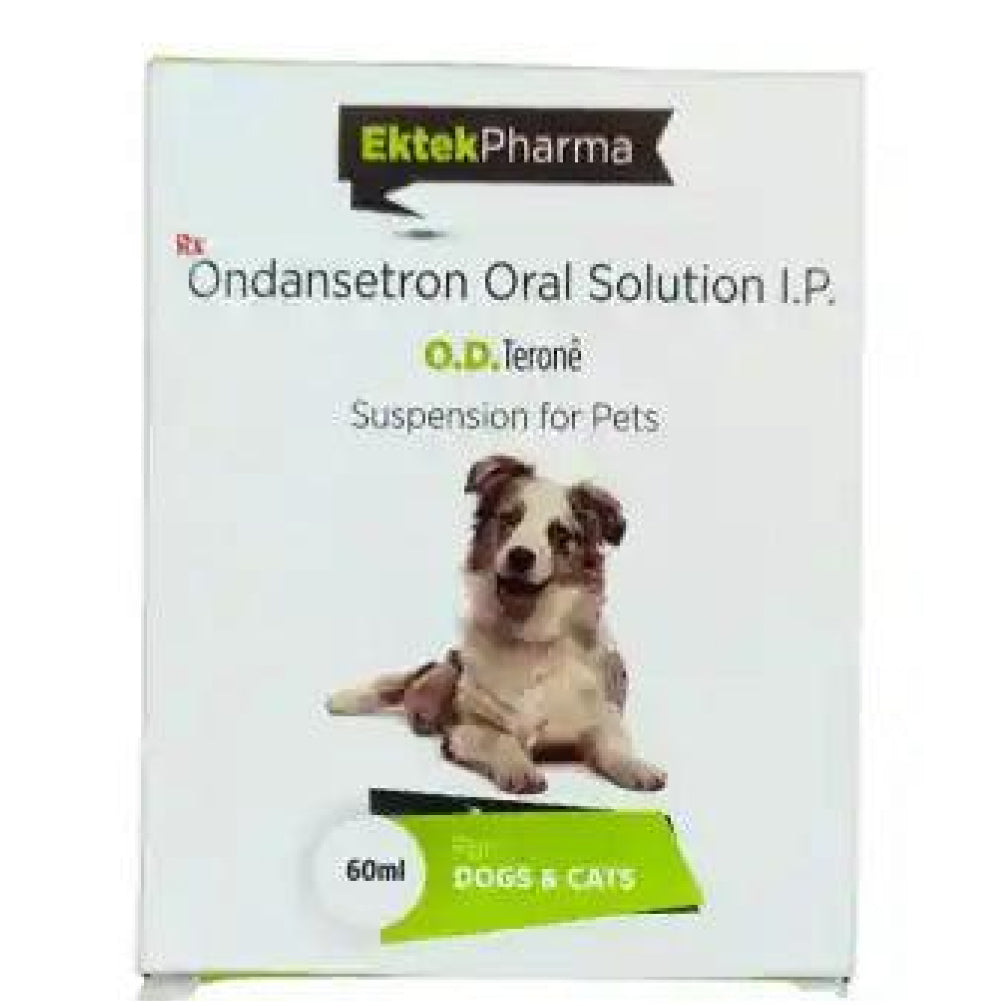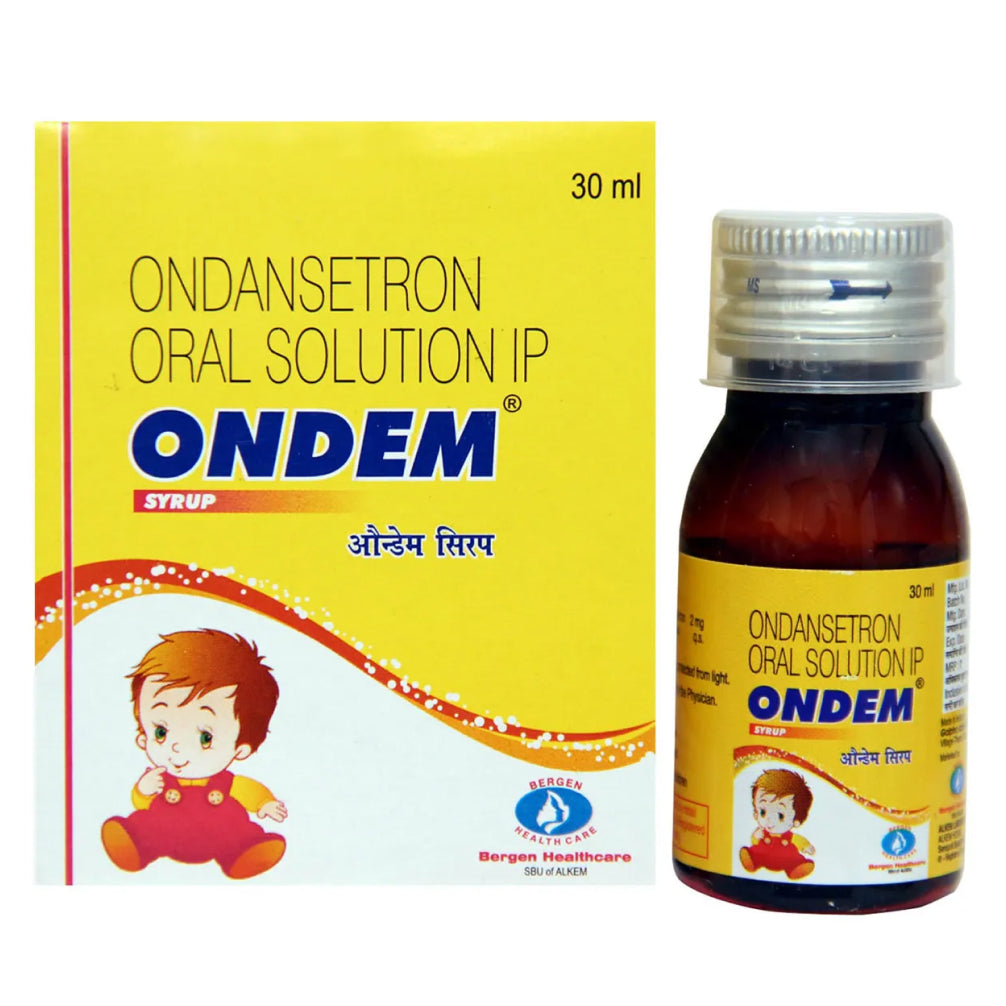
Alkem Ondem Syrup (Ondansetron) Oral Solution
Alkem Ondem Syrup for Dogs and Cats - Fast-Acting Nausea and Vomiting Relief in a Simple Liquid
Watching your pet vomit repeatedly is distressing - especially when they're already going through something difficult. Whether it's the aftermath of surgery, the side effects of chemotherapy, the nausea that comes with a kidney condition, or simply a gut infection that won't settle, persistent vomiting needs to be addressed quickly. It causes dehydration, prevents your pet from keeping down food and other medications, and makes an already uncomfortable pet feel significantly worse.
The Alkem Ondem Syrup is an antiemetic oral solution for dogs and cats - meaning it's specifically designed to stop nausea and vomiting. Its active ingredient, Ondansetron, is one of the most effective and well-studied anti-nausea drugs in both human and veterinary medicine, and the liquid format makes it easy to administer precisely by weight using a syringe.
Manufactured and marketed by Alkem Laboratories Ltd., Mumbai - one of India's most established pharmaceutical companies. Available in a 30 ml bottle at ₹40.
Each 5 ml of syrup contains: Ondansetron - 2 mg.
This is a prescription medication. Use only under veterinary supervision. In dogs and cats, Ondansetron is used off-label - your vet will determine whether it is the right choice for your pet's specific situation.
What Are the Uses and Benefits of Alkem Ondem Syrup?
Ondem Syrup is indicated wherever nausea and vomiting need to be controlled in dogs and cats. Here's when vets typically prescribe it:
- Chemotherapy-induced nausea and vomiting is the most significant use. Pets undergoing cancer treatment often experience intense nausea from chemotherapy drugs - Ondansetron is one of the most reliable antiemetics for controlling this, helping pets tolerate their treatment course without constant vomiting that would otherwise disrupt dosing and deplete their strength.
- Post-surgical and post-anaesthesia nausea is another common reason vets reach for Ondansetron. Many pets feel nauseous as they recover from anaesthesia, and giving an antiemetic before or shortly after surgery helps them wake up more comfortably and keeps their recovery on track.
- Parvovirus in dogs causes intense, unrelenting vomiting that rapidly leads to dehydration and deterioration. Ondansetron is used as part of the supportive treatment for Parvo to reduce vomiting and allow fluids and nutrition to be retained, which is critical to survival.
- Chronic kidney disease in cats and dogs causes uremia - a buildup of waste products in the blood - which triggers persistent nausea. Ondansetron helps manage this nausea, improving quality of life and encouraging eating in cats and dogs managing long-term kidney conditions.
- Vestibular disease - a condition causing sudden loss of balance, head tilt, and severe nausea in dogs - often responds well to Ondansetron, which reduces the nausea component while the vestibular episode resolves.
- Gastroenteritis and gut infections causing severe or persistent vomiting - where rest and dietary management alone aren't controlling the vomiting - are also treated with Ondansetron to give the gut a chance to settle.
- Medication-induced nausea, where other treatments your pet is on are causing vomiting as a side effect, can be managed with Ondansetron running alongside those treatments.
- For more on vomiting in dogs and when it needs medical attention, the Supertails guide on vomiting in dogs - causes, treatment and when to see a vet covers the full picture.
What Are the Possible Side Effects?
- Ondansetron is generally well-tolerated by dogs and cats. Serious side effects are uncommon at the correct dose.
- Mild sedation or quieter-than-usual behaviour can occasionally occur. This is typically brief and resolves on its own.
- Constipation is one of the more commonly reported side effects - Ondansetron slows gut motility slightly. If your pet is on a longer course, your vet may recommend monitoring for this and advise on management if needed.
- Head shaking or brief signs of facial discomfort have been reported in some dogs after oral administration. This is mild and self-limiting.
- In rare cases, cardiovascular effects including changes in heart rate have been observed in animals with pre-existing heart conditions at higher doses. This is why Ondansetron in pets with known cardiac disease requires specific vet assessment before use.
- If your pet shows any unusual or prolonged symptoms after starting Ondem Syrup - severe lethargy, breathing changes, fainting, or worsening condition - contact your vet immediately.
- Do not exceed the prescribed dose. Higher doses don't improve the antiemetic effect but do increase the risk of side effects.
How Should You Give Ondem Syrup to Your Pet?
- Measure the dose carefully using an oral syringe - do not estimate by eye. The syrup can be given directly into the side of the mouth, or mixed into a very small amount of food if your pet is tolerating small meals.
- If vomiting occurs when the syrup is given on an empty stomach, give future doses with a small amount of food.
- Dosing is always as prescribed by your vet, based on your pet's body weight and the condition being treated. General dosing guidance used by vets:
| Patient | Dose | Frequency |
|---|---|---|
| Dogs and cats | 0.1-0.2 mg/kg body weight | Every 6-12 hours |
| If initial dose insufficient | Up to 0.5 mg/kg | As directed by vet only |
- Since each 5 ml contains 2 mg of Ondansetron, your vet will calculate the exact volume in ml based on your pet's weight. Never calculate or adjust the dose without vet guidance - dosing precision matters with antiemetics.
- Shake the bottle before each use. Measure carefully. Give consistently at the intervals your vet has prescribed. Do not stop early because vomiting seems to have improved - complete the course as directed.
How Does Ondem Syrup Work?
- Ondansetron belongs to a class of drugs called 5-HT3 receptor antagonists - serotonin blockers, in simpler terms.
- Vomiting is triggered and controlled by two main pathways in the body: the chemoreceptor trigger zone (CTZ) in the brain, which detects toxins and chemical changes in the blood, and the gut wall itself, which has a network of nerve endings that send nausea signals to the brain. Both pathways rely heavily on serotonin - specifically at 5-HT3 receptors - to transmit the signals that trigger vomiting.
- Ondansetron blocks these 5-HT3 receptors at both the gut and the brain level. When the receptors are blocked, the serotonin signals that would normally trigger vomiting cannot get through - the nausea reflex is interrupted before it reaches the point of vomiting.
- This is why Ondansetron is particularly effective for chemotherapy-induced nausea - chemotherapy drugs cause massive serotonin release in the gut wall, which is exactly what Ondansetron is designed to block. It is also effective for surgery, parvovirus, kidney disease, and other causes of vomiting that involve these same serotonin-mediated pathways.
- The syrup format means the Ondansetron is absorbed quickly after oral administration - most pets see meaningful reduction in nausea within 30-60 minutes of the first dose.
What Safety Advice Should You Know Before Using Ondem Syrup?
- Always use under veterinary supervision. Persistent vomiting always has an underlying cause - treating the vomiting with an antiemetic without identifying and addressing that cause can mask a serious condition that needs direct treatment.
- Do not use in pets with known hypersensitivity to Ondansetron or other 5-HT3 antagonists.
- Use with caution in pets with known liver disease - Ondansetron is metabolised by the liver, and impaired liver function can cause the drug to accumulate at higher levels than intended.
- Use with caution in pets with cardiac conditions - at higher doses, Ondansetron can affect heart rhythm. Always inform your vet if your pet has a known heart condition before starting this medication.
- Do not combine with other serotonergic drugs - medications that also increase serotonin activity - without your vet's knowledge. In rare cases, combining serotonergic drugs can cause serotonin syndrome, a serious condition.
- Do not use in pregnant animals without explicit vet guidance. Safety in early pregnancy has not been fully established.
- Measure every dose precisely with a syringe. Do not estimate. Wash hands after handling. Store below 25°C in a cool, dry place away from direct sunlight. Keep out of reach of children. Use within the expiry date on the bottle.
What Should You Do If You Miss a Dose?
- Give the dose as soon as you remember. If it's nearly time for the next scheduled dose, skip the missed one and continue from there. Never give two doses at once.
- Since Ondem Syrup is typically given every 6-12 hours - particularly for acute situations like post-surgical nausea or Parvo supportive care - consistency at the prescribed interval is important for maintaining steady antiemetic coverage. Set phone alarms for each dose time, particularly for twice or three times daily regimens during an acute illness episode.
- If your pet continues vomiting despite doses being given correctly, contact your vet - the dose may need adjustment, or a different antiemetic may be more appropriate for your pet's specific situation.
What Are All the Substitutes for Alkem Ondem Syrup?
If Ondem Syrup is unavailable or your vet recommends a different antiemetic, here are other nausea and vomiting management options for dogs and cats on Supertails:
| Product | Active Ingredient | Form | Notes |
|---|---|---|---|
| Vivaldis Vet Maro 24mg Tablet for Dogs | Maropitant Citrate | Tablet | Different mechanism; also treats motion sickness |
| Dr. Goel's Vommate Anti-Vomiting Drops for Dogs and Cats | Herbal actives | Drops | Mild herbal antiemetic for minor vomiting |
| Wellpet Rabipet D Tablet for Dogs and Cats | Rabeprazole + Domperidone | Tablet | For acid-related nausea and gut motility |
What Are Some Quick Tips for Managing Vomiting in Pets?
- Keep your vomiting pet well hydrated - this is more important than food. Offer small amounts of fresh water frequently. If your pet cannot keep even water down, contact your vet about fluid support.
- When your pet starts tolerating small amounts of liquid, introduce bland, easily digestible food in very small portions - boiled chicken and plain rice is the classic approach. Do not rush back to normal meals.
- Give each dose of Ondem Syrup at the prescribed interval without skipping, particularly during an acute illness episode. Consistent antiemetic coverage is what allows the gut to settle enough for healing to begin.
- Do not give any human antiemetic medication to your pet without vet guidance - many over-the-counter human anti-nausea products contain ingredients that are harmful to dogs and cats.
- If your pet's vomiting is severe, contains blood, or is accompanied by extreme lethargy, pale gums, bloated abdomen, or inability to stand - these are emergency signs. Do not wait. Go to your nearest vet clinic immediately.
- After recovery from a vomiting episode - particularly one associated with antibiotics or gut illness - supporting the gut microbiome with a probiotic supplement helps restore healthy gut bacteria faster. Explore the probiotics for dogs and cats collection on Supertails.
What Do Vets Also Recommend?
- The full pets medicine for vomiting collection brings together all vet-approved antiemetics and nausea management options for dogs and cats in one place - useful if you need to compare alternatives or discuss options with your vet.
- The gastric medicines for dogs and cats collection covers antacids, gut motility support, and antidiarrheal treatments to use alongside an antiemetic for comprehensive gut care during an acute illness episode.
- The probiotics for dogs and cats collection has gut restoration supplements many vets recommend once vomiting is controlled, to help rebuild healthy gut bacteria and prevent a second digestive upset.
- The dog health and wellness and cat health and wellness collections have recovery supplements and health aids for pets bouncing back from illness, surgery, or chemotherapy.
- And for pets managing chronic conditions - kidney disease, cancer, vestibular disease - where ongoing nausea management is part of the care plan, Supertails' online vet consultation service is available whenever you need expert guidance between clinic visits.
Disclaimer: Supertails' sole intention is to ensure that its consumers get information that is expert-reviewed, accurate, and trustworthy. However, the information contained herein should NOT be used as a substitute for the advice of a qualified physician. The information provided here is for informational purposes only. This may not cover everything about particular health conditions, lab tests, medicines, all possible side effects, drug interactions, warnings, alerts, etc. Please consult your doctor and discuss all your queries related to any disease or medicine. We intend to support, not replace, the doctor-patient relationship.
Your Pet Shouldn't Have to Suffer Through Nausea - Get the Relief They Need
Persistent vomiting is more than an inconvenience - it depletes fluids, blocks nutrition, prevents other medications from being absorbed, and makes an already unwell pet feel far worse. The Alkem Ondem Syrup gives you and your vet a precise, fast-acting tool to bring it under control. One measured dose, working within 30-60 minutes, at one of the most accessible price points of any prescription antiemetic available in India.
Shop the Alkem Ondem Syrup for Dogs and Cats on Supertails - ₹40 for 30 ml, delivered to your door.
FAQs
What is Alkem Ondem Syrup used for in dogs and cats?
Ondem Syrup contains Ondansetron - a 5-HT3 serotonin receptor antagonist that blocks the nausea and vomiting reflex at both the gut and brain level. It's used by vets to manage nausea and vomiting from chemotherapy, post-surgical recovery, parvovirus, chronic kidney disease, vestibular disease, gut infections, and medication-induced nausea. It's one of the most effective and fast-acting antiemetics available for dogs and cats in India.
How quickly does Ondem Syrup start working?
Most pets show a meaningful reduction in nausea within 30-60 minutes of the first oral dose. The onset time can vary depending on the cause of the vomiting and how empty the stomach is. For best results, measure the dose precisely and give at the intervals your vet has prescribed - consistent dosing maintains steady antiemetic coverage.
Can I give my dog or cat human Ondansetron from a pharmacy?
Not without vet guidance. While Ondansetron is used off-label in veterinary medicine and the active ingredient is the same, human formulations can vary in concentration and inactive ingredients. The veterinary-specific Ondem Syrup is dosed precisely for pets by weight. Always use the vet-prescribed product at the vet-calculated dose - do not substitute with a human pharmacy formulation without explicit guidance.
Is Ondem Syrup safe for cats?
Yes - it is used in both dogs and cats. Cats can be more sensitive to certain medications than dogs, so weight-based precision dosing is especially important for feline patients. Follow your vet's instructions exactly for the dose and frequency appropriate for your cat's weight and condition.
Can Ondem Syrup be used for motion sickness during car travel?
Ondansetron can help with travel-related nausea - it is sometimes used for this purpose. However, Maropitant (available as Vivaldis Vet Maro) is generally considered the first-line prescription choice specifically for motion sickness in dogs, as it also blocks the vestibular component of travel nausea that Ondansetron does not. Your vet will advise which is more appropriate for your pet's specific situation.
My pet is vomiting and won't take the syrup. What should I do?
Mix the measured dose into the smallest possible amount of food your pet might accept - a teaspoon of something they find appealing. If your pet is completely unable to retain anything orally, contact your vet immediately - they may need injectable antiemetic support in a clinical setting rather than an oral formulation. Do not force medication on a pet who is actively vomiting or severely distressed.
Can I use Ondem Syrup long-term for a pet with chronic kidney disease?
Ondansetron can be used for longer-term management of nausea in pets with chronic kidney disease, under ongoing veterinary supervision. Your vet will monitor for any side effects - particularly constipation and potential cardiac effects - and assess whether Ondansetron remains the right choice at each review. Never use any antiemetic long-term without regular vet check-ins.
What should I do if the vomiting doesn't improve after starting Ondem Syrup?
Contact your vet. If vomiting continues despite correct dosing of Ondansetron, the dose may need adjustment, a different antiemetic may be more appropriate, or the underlying cause of the vomiting may need more direct treatment. Do not increase the dose on your own. Persistent vomiting despite antiemetic treatment is always a signal to go back to your vet for reassessment.
Delivery
You may also like