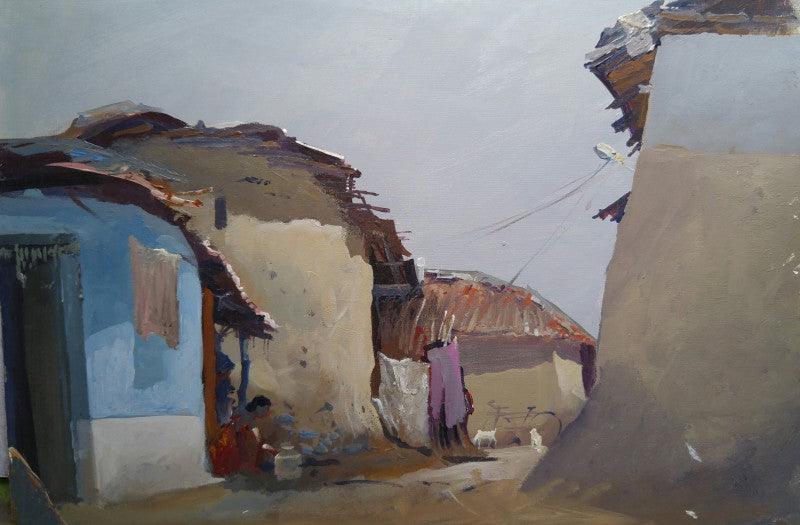
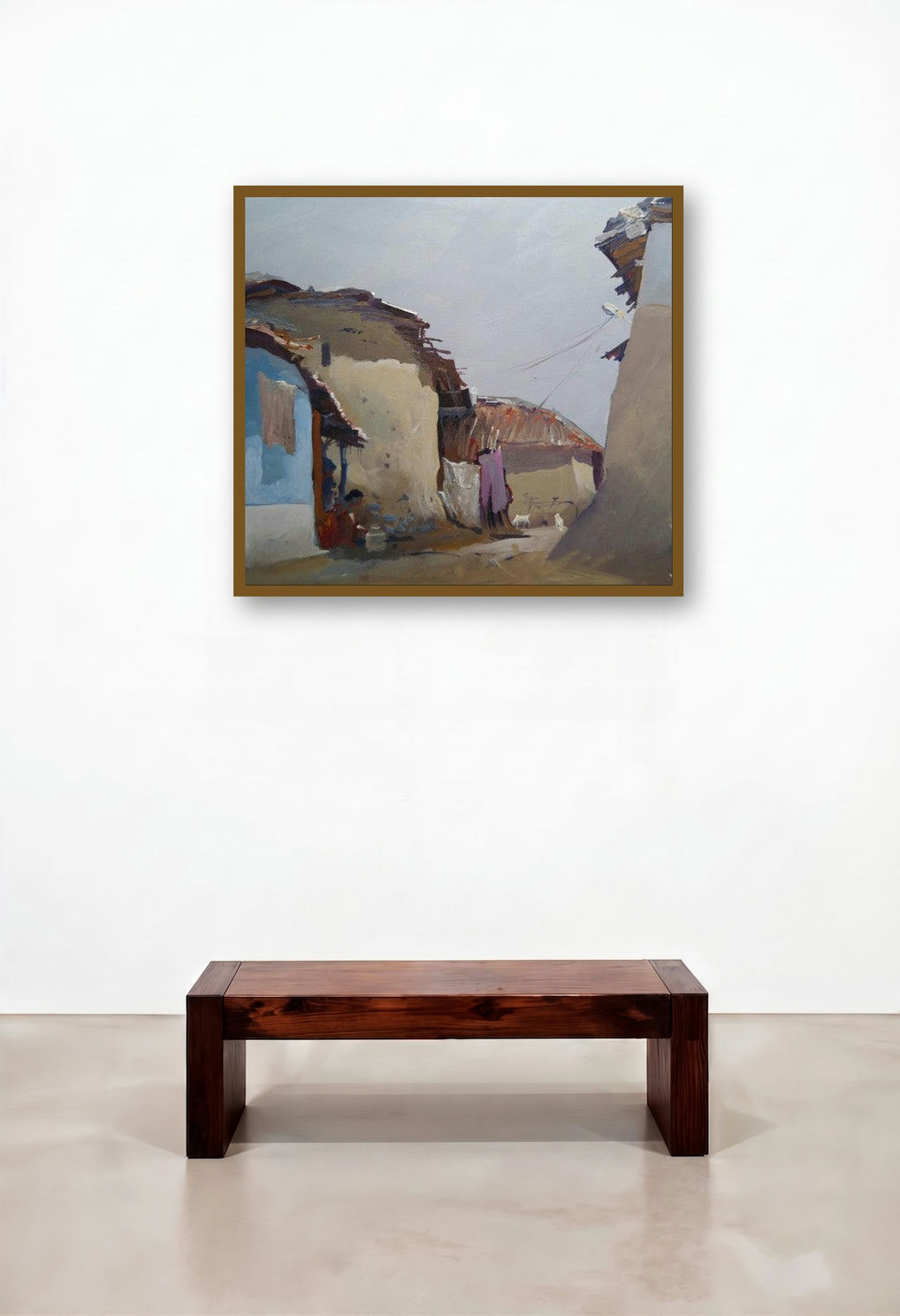
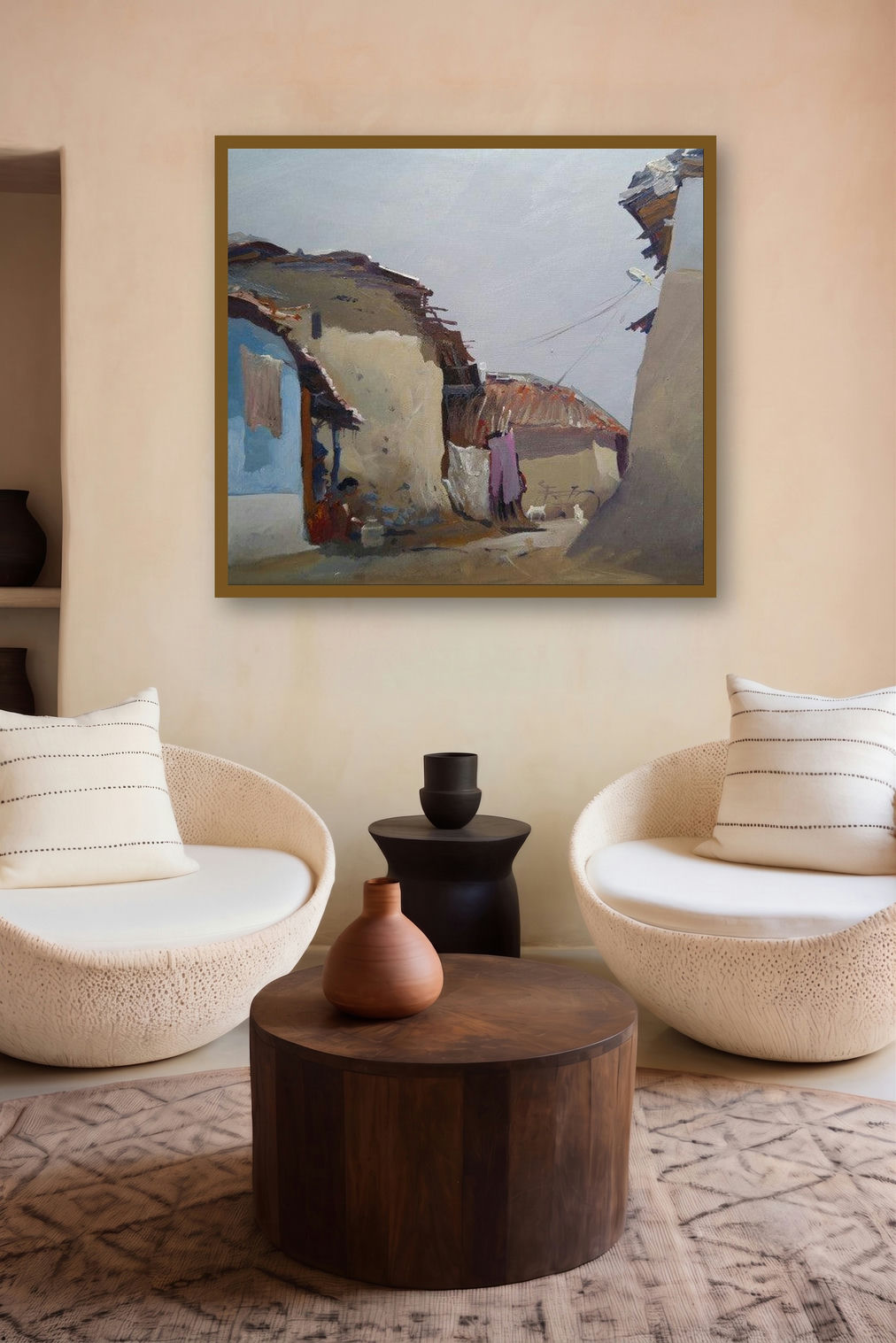
Shivangaon (Untitled)
₹35,000
● In stock · ★ 4.0 (6)checking live price…
Size
14x19Type
OriginalMaterial
PaperA quiet village passage is rendered in broad, tactile strokes, where sun-bleached walls and torn rooflines form a fragile architecture of survival. The composition funnels the eye through a wedge of shadow into a haze of pale sky, letting light behave like memory—softening edges even as it exposes every crack and improvised repair. Muted blues and earthen ochres carry the emotional weight of endurance, while the small gestures of laundry and tethered lines suggest a daily ritual that dignifies the sparse space. The scene becomes less a document than a meditation on how domestic life persists—humble, resilient, and radiant—within the seams of decay.
Delivery
You may also like
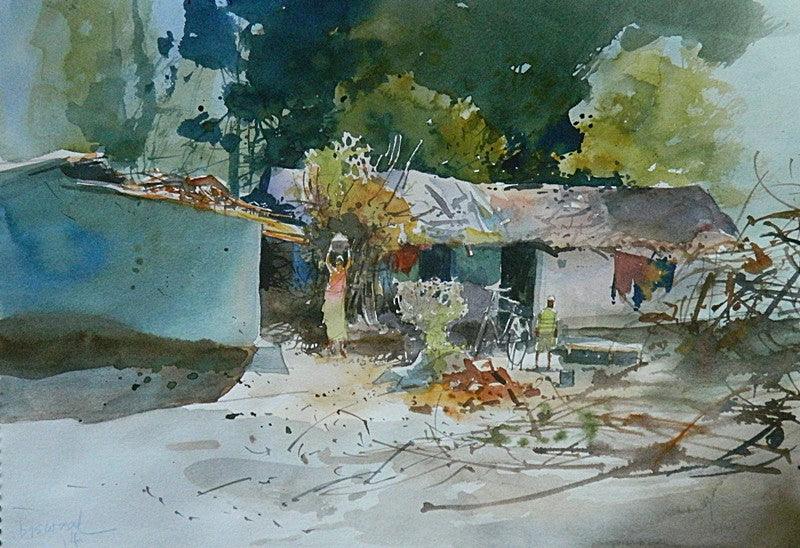
Village Side Ii (Untitled)
Artzolo
₹25,000
out of stock
★ 4.0 (10)
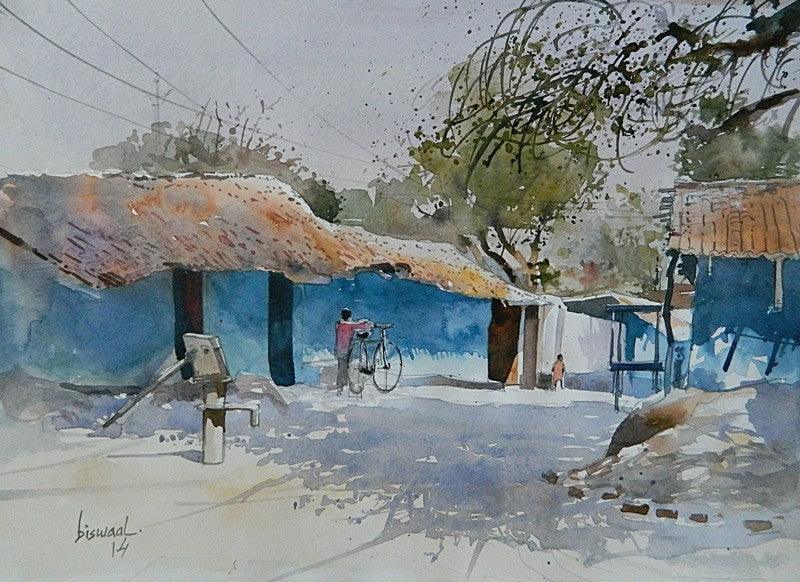
Village Side (Blue Rhapsody: Life in a Village)
Artzolo
₹25,000
out of stock
★ 5.0 (14)
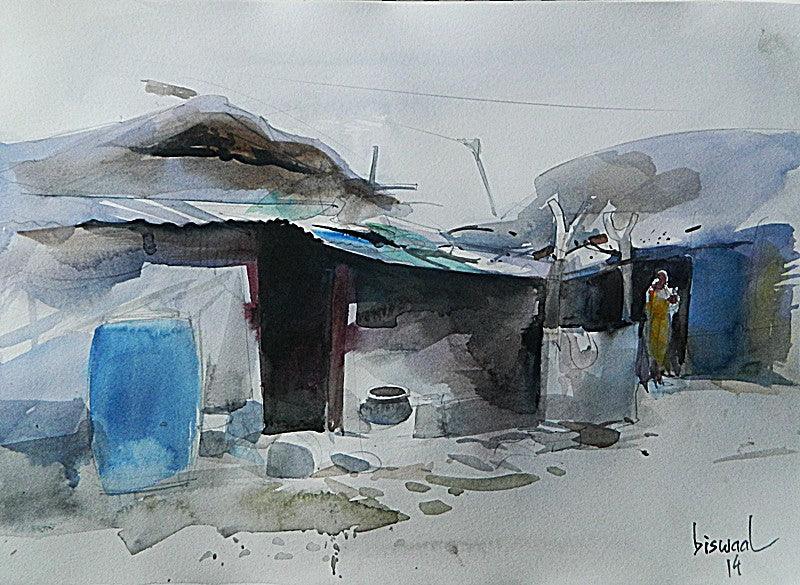
Village Iii (Rural Abode: A Village Home)
Artzolo
₹25,000
out of stock
★ 5.0 (10)
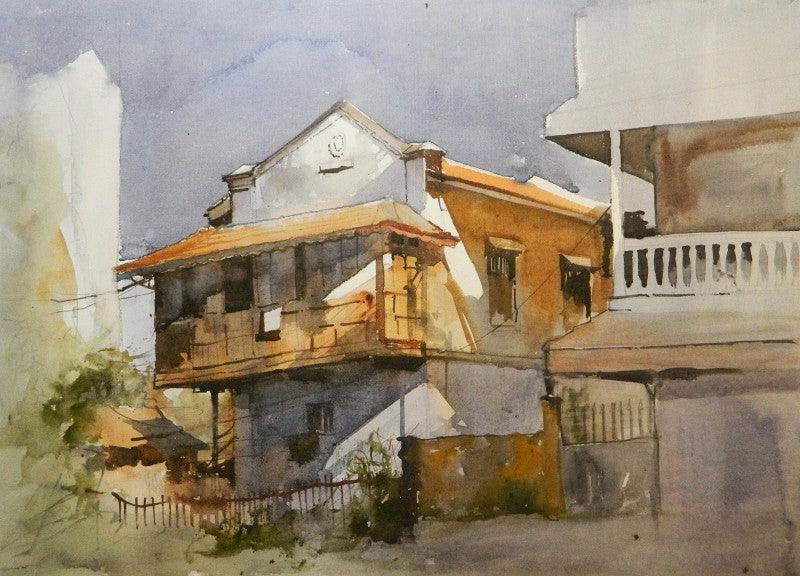
House At Dhantoli (Untitled)
Artzolo
₹35,000
out of stock
★ 4.0 (7)
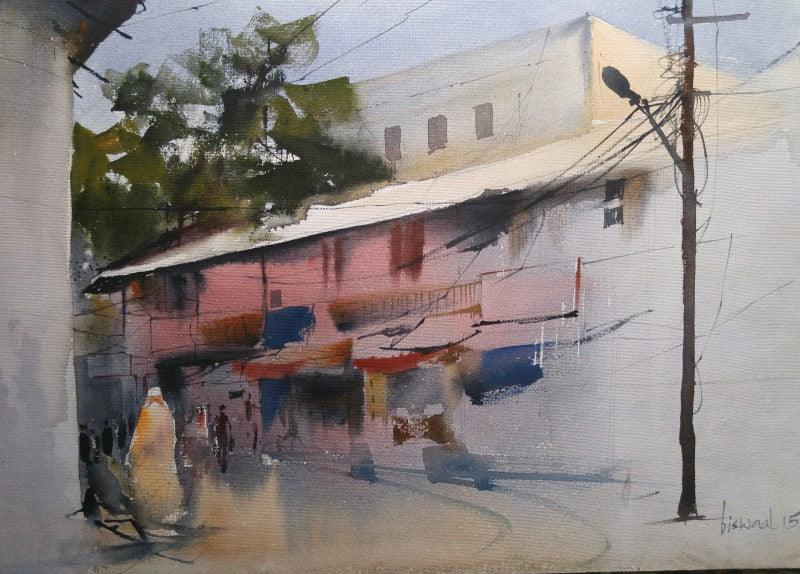
Gadkariwada (Untitled)
Artzolo
₹35,000
out of stock
★ 5.0 (7)
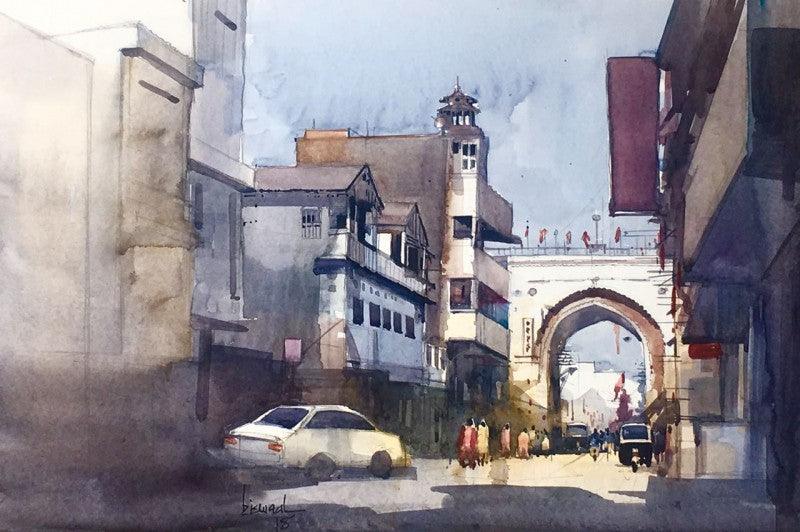
Untitled 1 (Untitled)
Artzolo
₹35,000
out of stock
★ 4.0 (5)
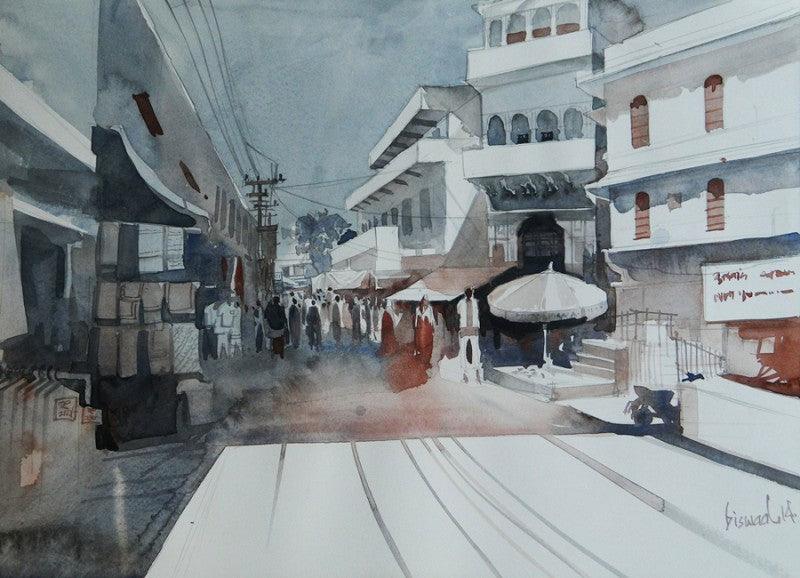
Small Town (Untitled)
Artzolo
₹25,000
out of stock
★ 4.0 (12)
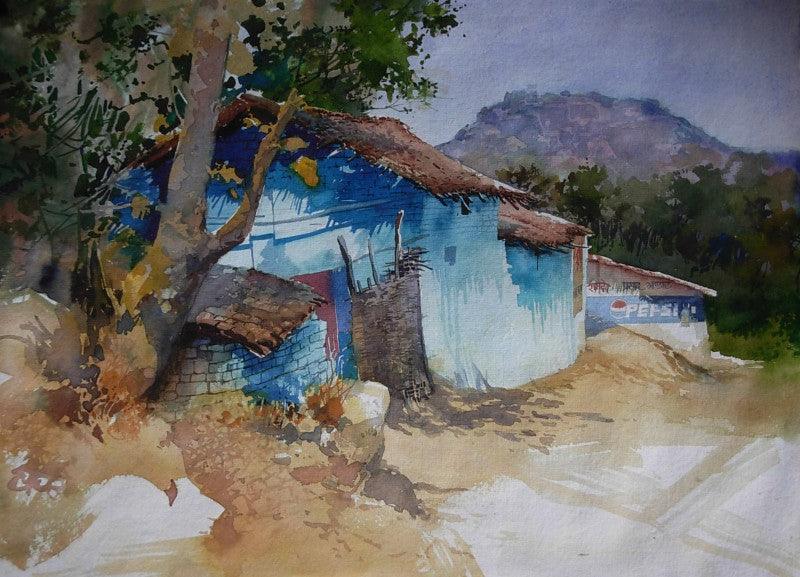
Blue Houe In Diongergarh
Artzolo
₹8,000
out of stock
★ 4.0 (11)