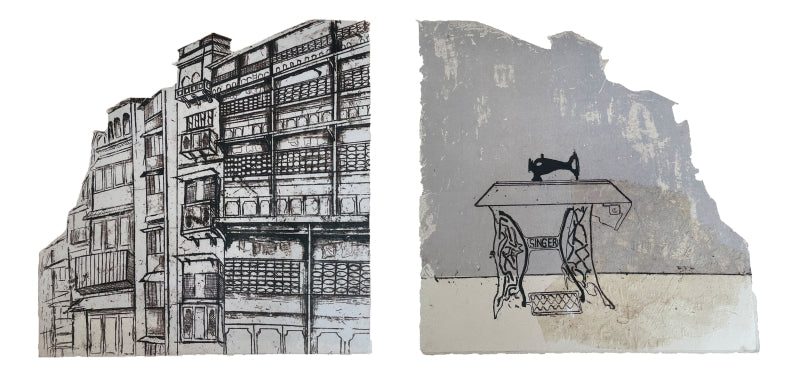
Structure Sewing Machine Story
₹60,000
● In stockchecking live price…
Size
10x20Type
OriginalMaterial
PaperThis diptych stages an urban memory against a domestic relic: on the left, a dense lattice of balconies and façades is rendered in spare, insistent line, turning architecture into a kind of social palimpsest where countless lives press against the same vertical skin. On the right, the solitary Singer sewing machine floats on a field of worn plaster, its crisp silhouette reading like an icon rescued from a demolished room, holding together what the city’s erosions would otherwise undo. The deliberate asymmetry of detail and emptiness lets absence speak as loudly as structure, suggesting that progress is measured not only in buildings raised, but in the quiet labor and private histories left behind.
Delivery
You may also like
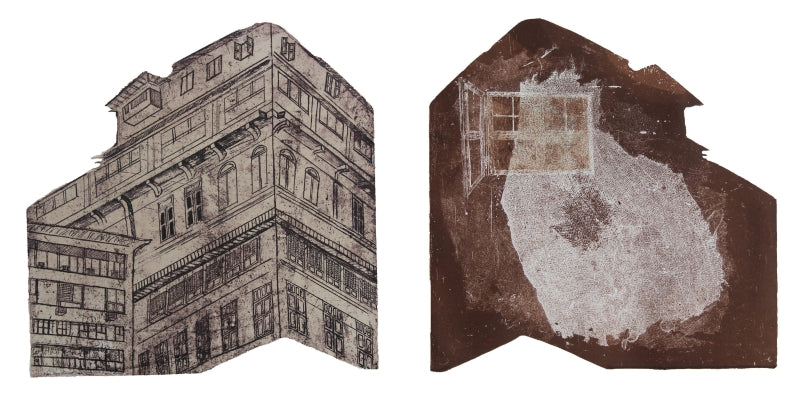
Beauty In Decay Inside Story
Artzolo
₹35,000
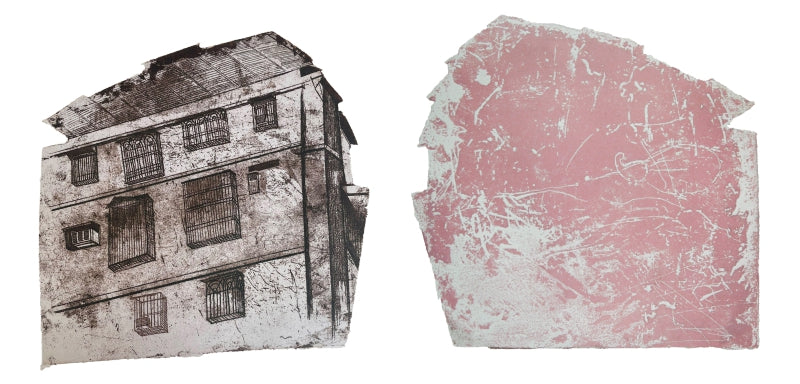
Structure 1 Pink Wall
Artzolo
₹60,000
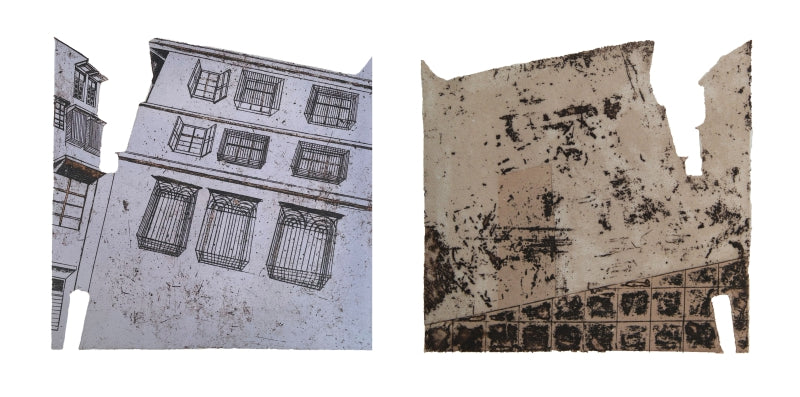
Structure 2 Aged Wall
Artzolo
₹60,000
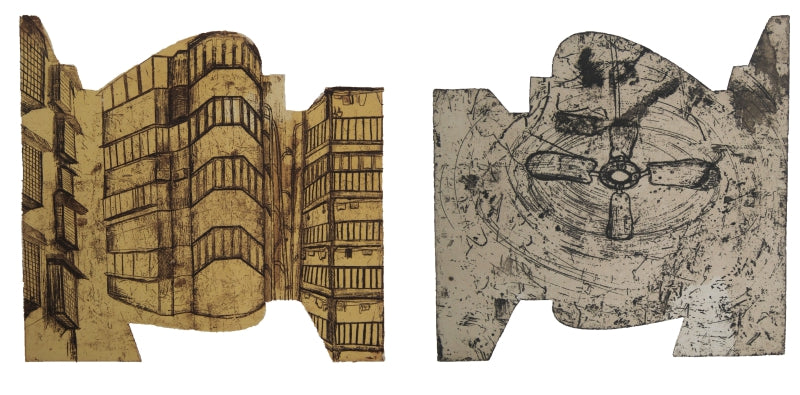
Retro Lane
Artzolo
₹60,000
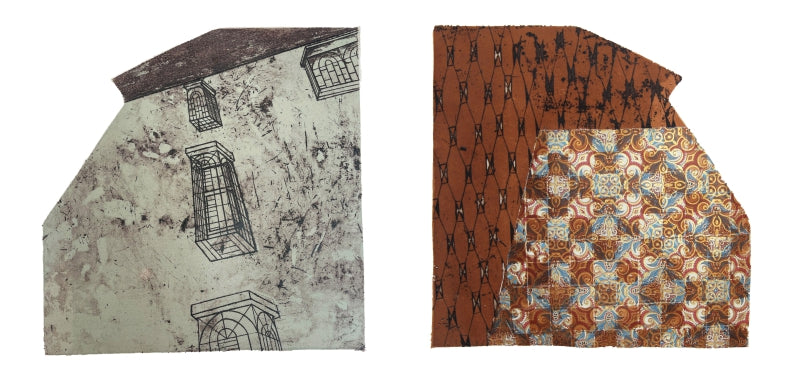
Structure 3 Aged Floor
Artzolo
₹60,000
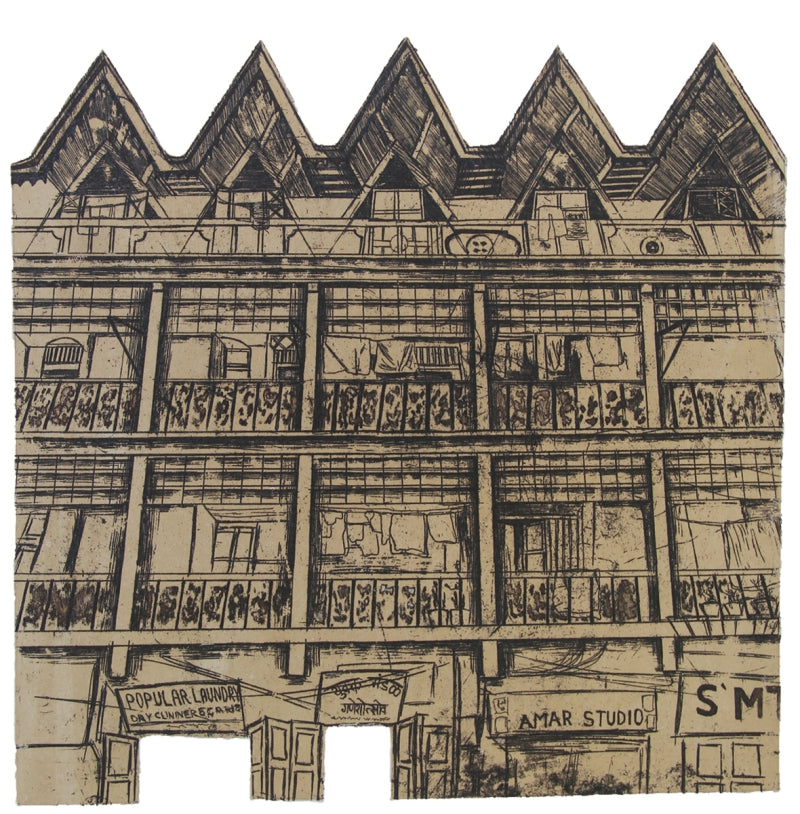
Aging Structure 1
Artzolo
₹21,000
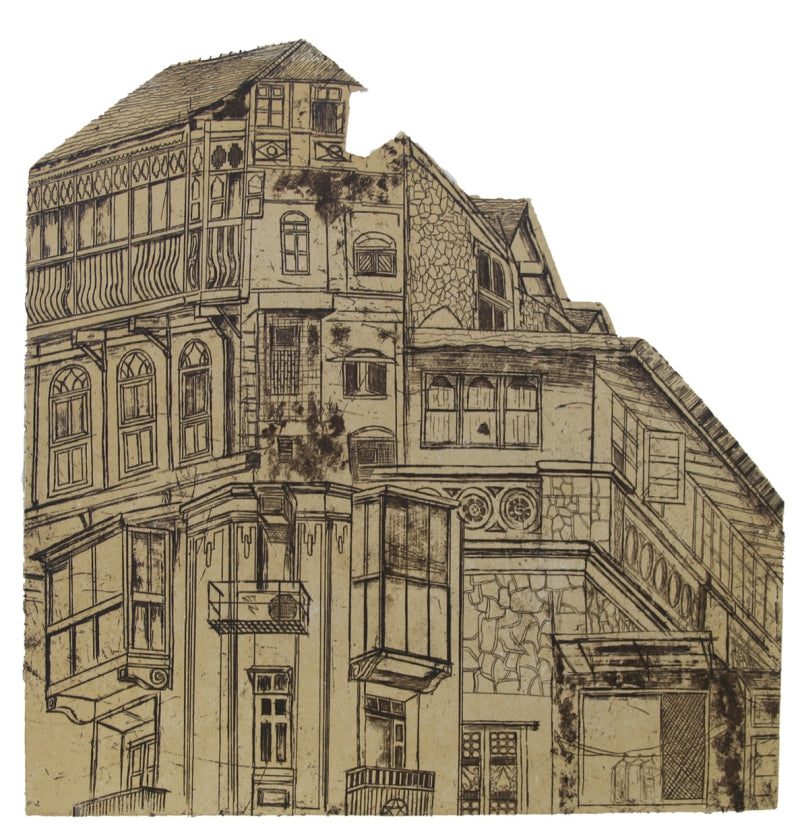
Aging Structure 2
Artzolo
₹21,000
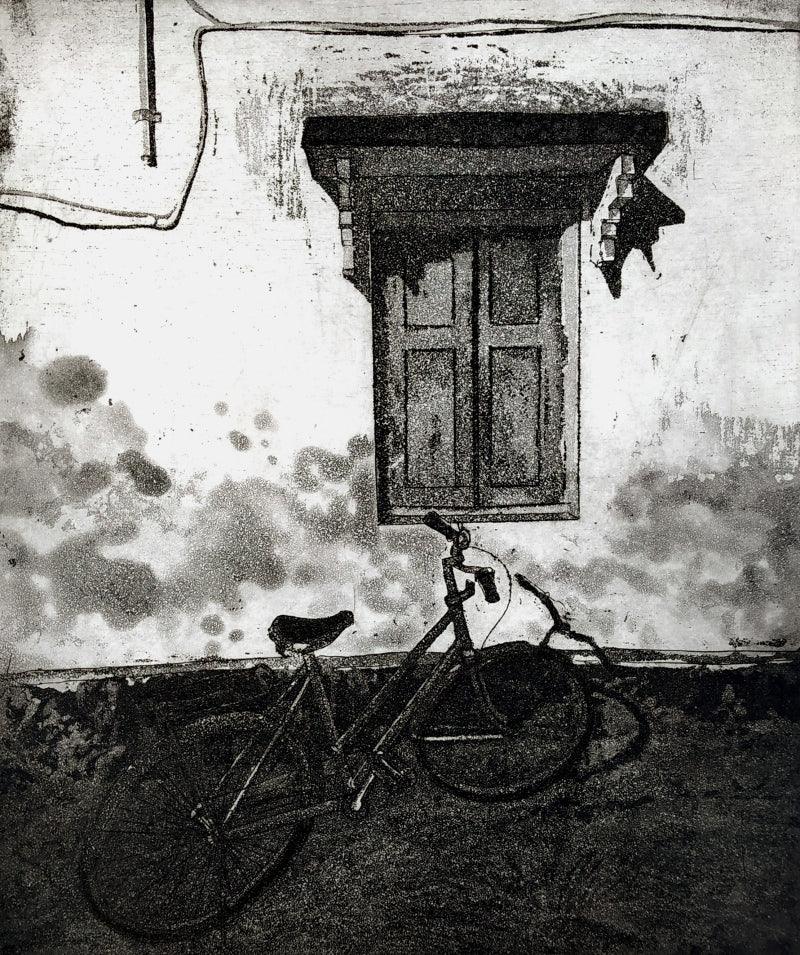
Story Behind Every Window 1 (Forgotten Passage)
Artzolo
₹8,000
★ 4.0 (14)