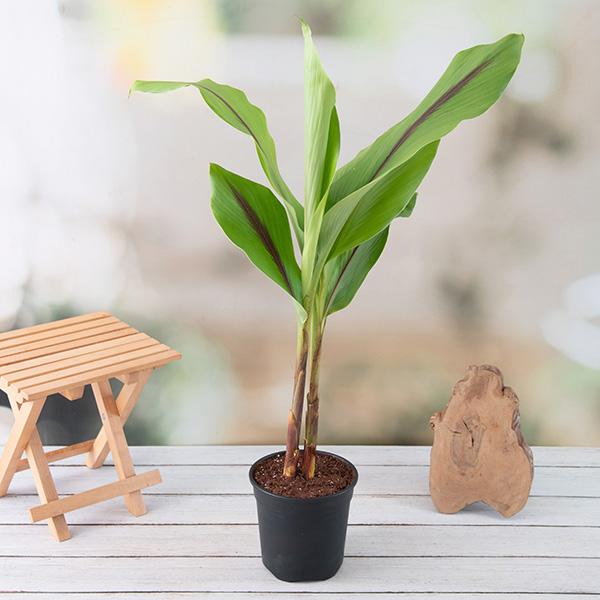
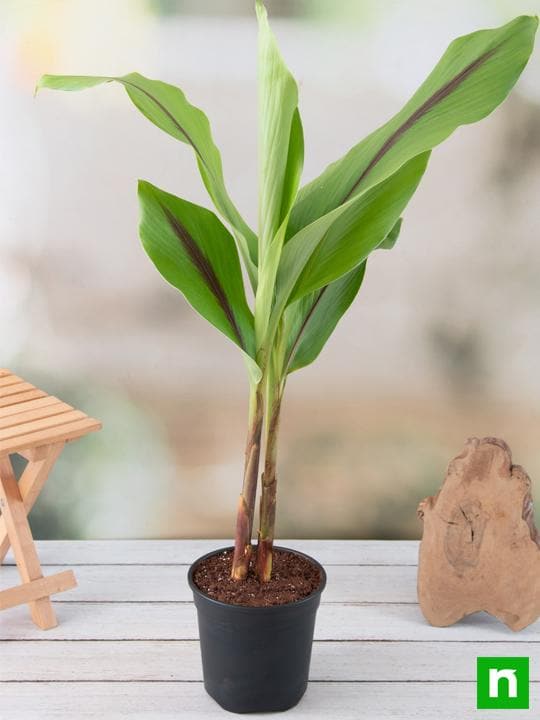
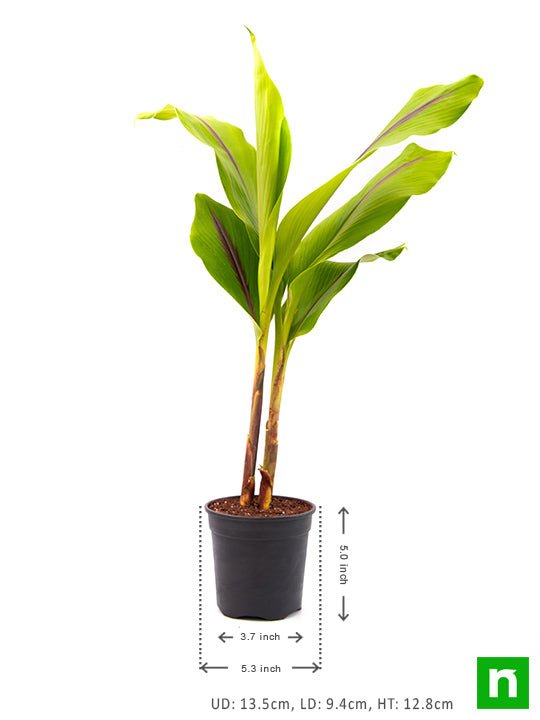
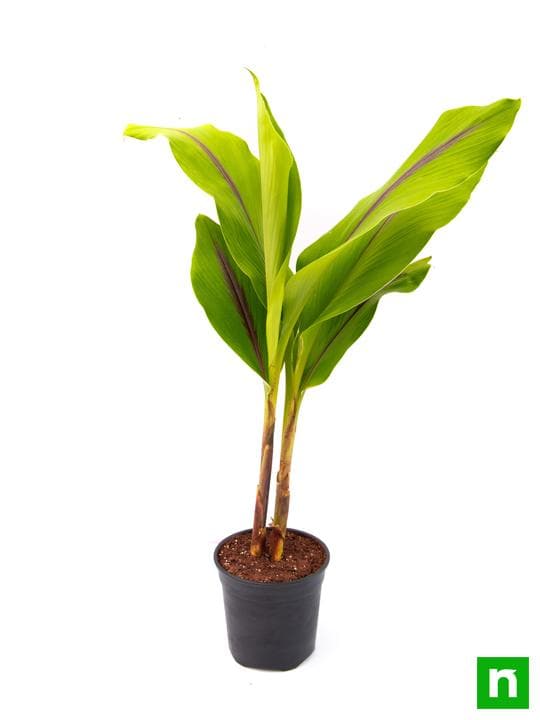
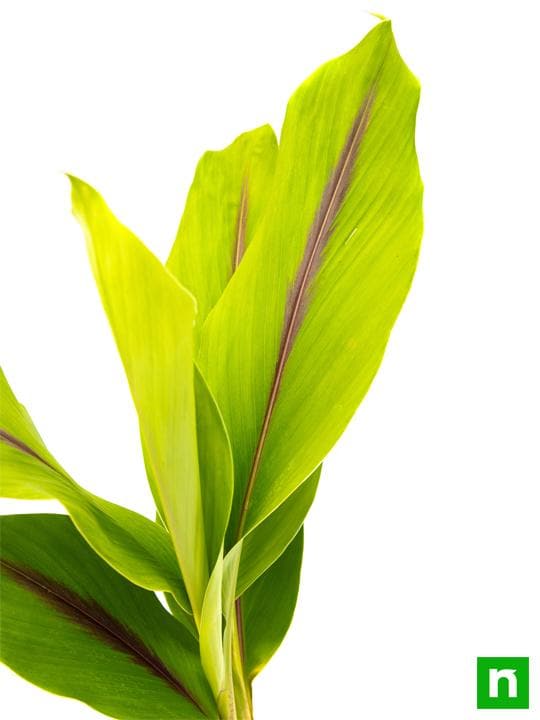
Black Turmeric Plant, Black Haldi - Plant
Black Turmeric Plant (Black Haldi)
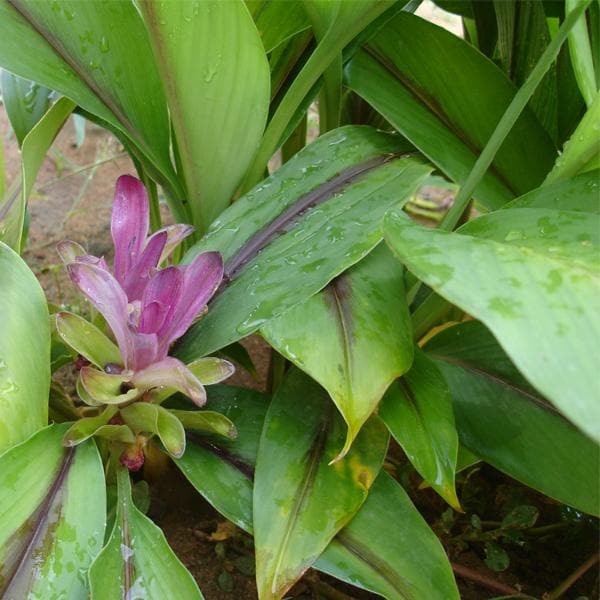
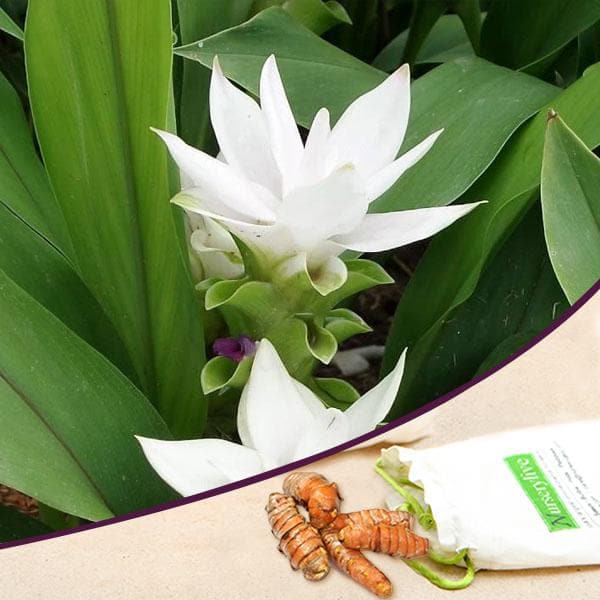
The Black Turmeric Plant, scientifically known as Curcuma caesia, is a rare and exotic herbaceous perennial native to the forests of Southeast Asia. Renowned for its striking dark rhizomes, this plant is not only visually captivating but also packed with numerous health benefits. Black Haldi has been used in traditional medicine for centuries, celebrated for its anti-inflammatory, antioxidant, and antimicrobial properties.
What sets Black Turmeric apart is its unique composition of bioactive compounds, including curcumin, which is known for its therapeutic effects. This plant thrives in tropical climates and is often used in Ayurvedic practices, making it a valuable addition to any herbal garden.
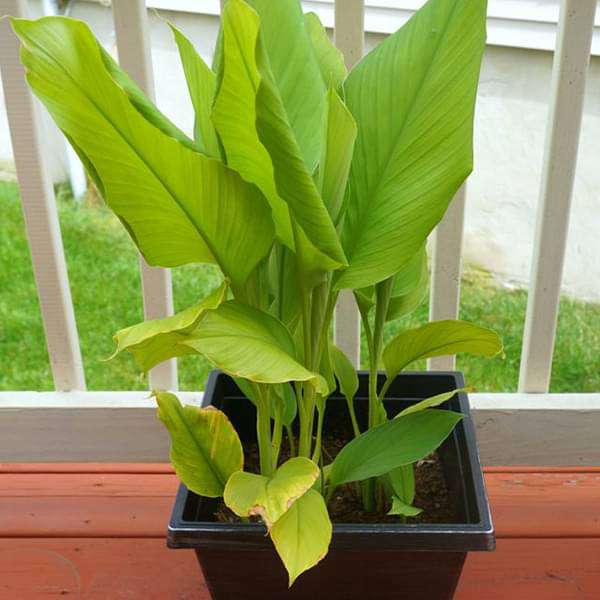
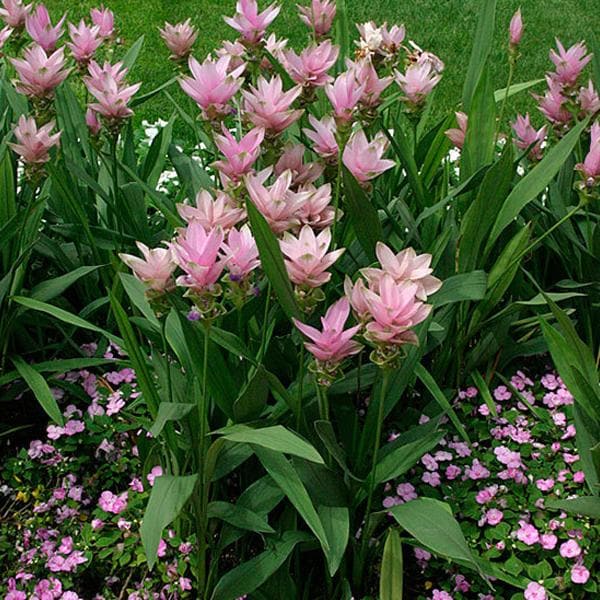
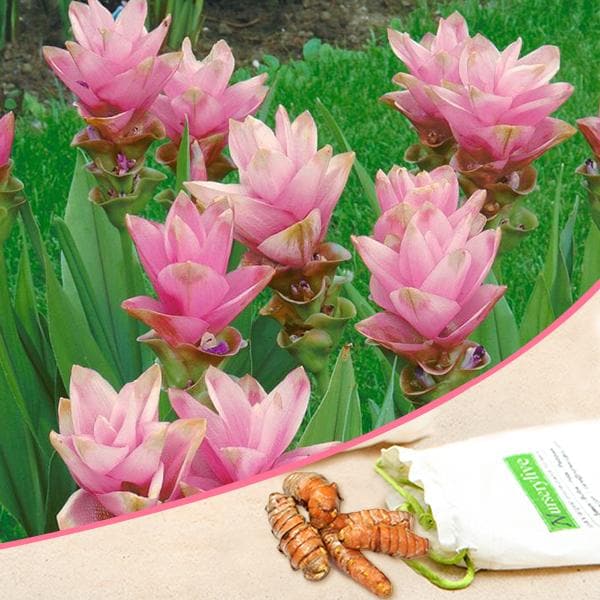
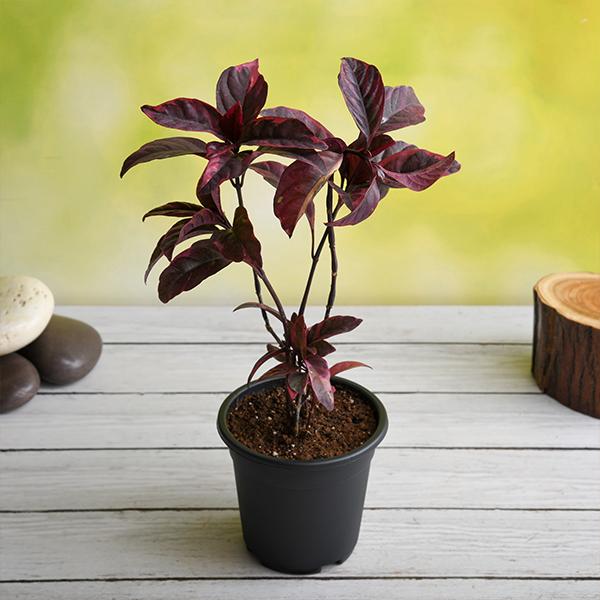
Special features of the Black Turmeric Plant include its ability to adapt to various soil types and its striking foliage, which adds an exotic touch to any landscape. Additionally, its rhizomes can be harvested for culinary and medicinal uses, making it a versatile plant for both gardeners and herbalists.
Why It's Special
Black Turmeric is not just a plant; it's a treasure trove of health benefits. Its high curcumin content makes it a powerful anti-inflammatory agent, often used in traditional remedies for various ailments. Furthermore, its rarity and unique color make it a sought-after plant for collectors and herbal enthusiasts alike.
Special Features
- Unique dark rhizomes with high curcumin content.
- Adaptable to various soil types and climates.
- Rich in antioxidants and anti-inflammatory properties.
Growing Instructions
- Plant in well-drained, loamy soil enriched with organic matter.
- Choose a location with partial shade to full sunlight.
- Water regularly, ensuring the soil remains moist but not waterlogged.
- Fertilize with a balanced organic fertilizer every 4-6 weeks during the growing season.
Care Instructions
- Mulch around the base to retain moisture and suppress weeds.
- Monitor for pests and diseases; treat with organic solutions as needed.
- Cut back foliage after the growing season to promote healthy regrowth.
Uses
- Used in traditional medicine for its anti-inflammatory and antioxidant properties.
- Incorporated into culinary dishes for its unique flavor and health benefits.
- Utilized in skincare products for its healing properties.
Fun Facts
- Black Turmeric has been used in Ayurvedic medicine for over 2,500 years.
- Its dark rhizomes are often mistaken for black ginger due to their appearance.
- Research suggests that curcumin may help in the management of chronic diseases like diabetes and cancer.
Environmental Impact
Growing Black Turmeric can contribute positively to biodiversity, as it attracts beneficial insects and supports local ecosystems. Additionally, its cultivation can promote sustainable agricultural practices, reducing the need for synthetic fertilizers and pesticides.
Benefits
Coupons
Delivery
You may also like