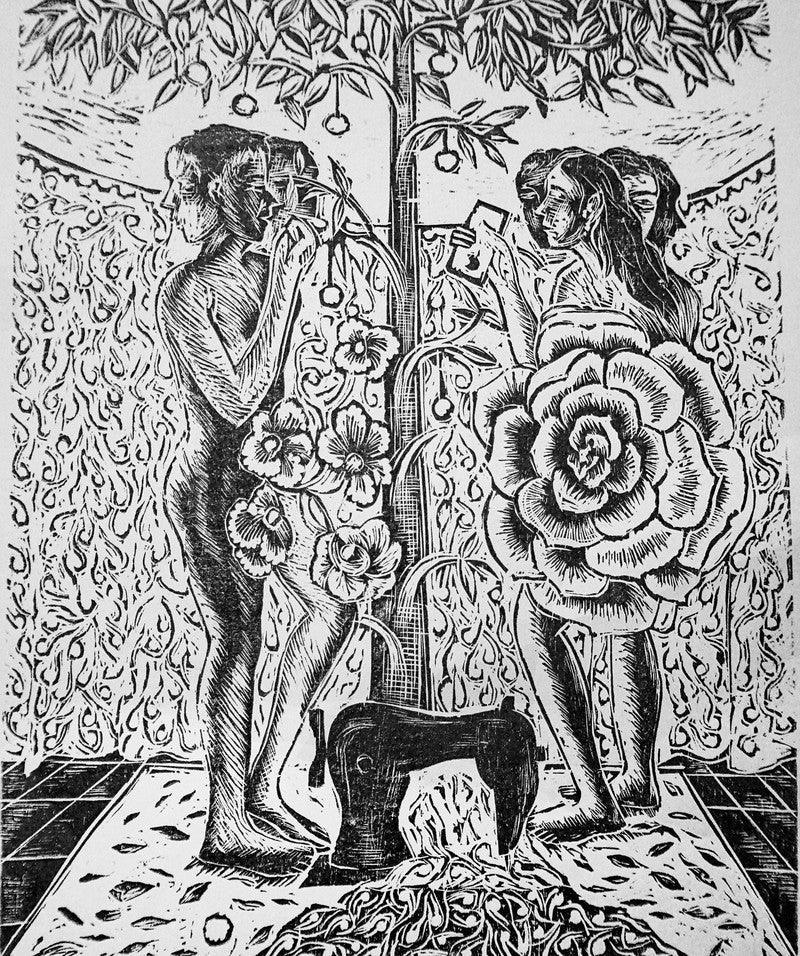
Adam And Eve (Garden of Secrets)
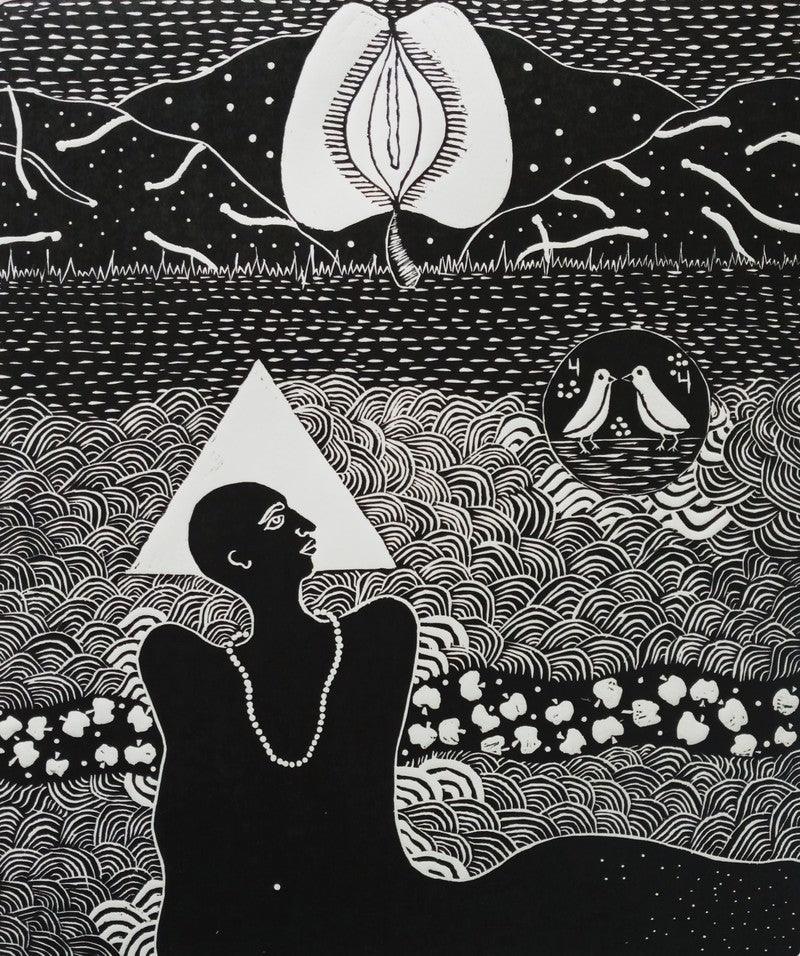
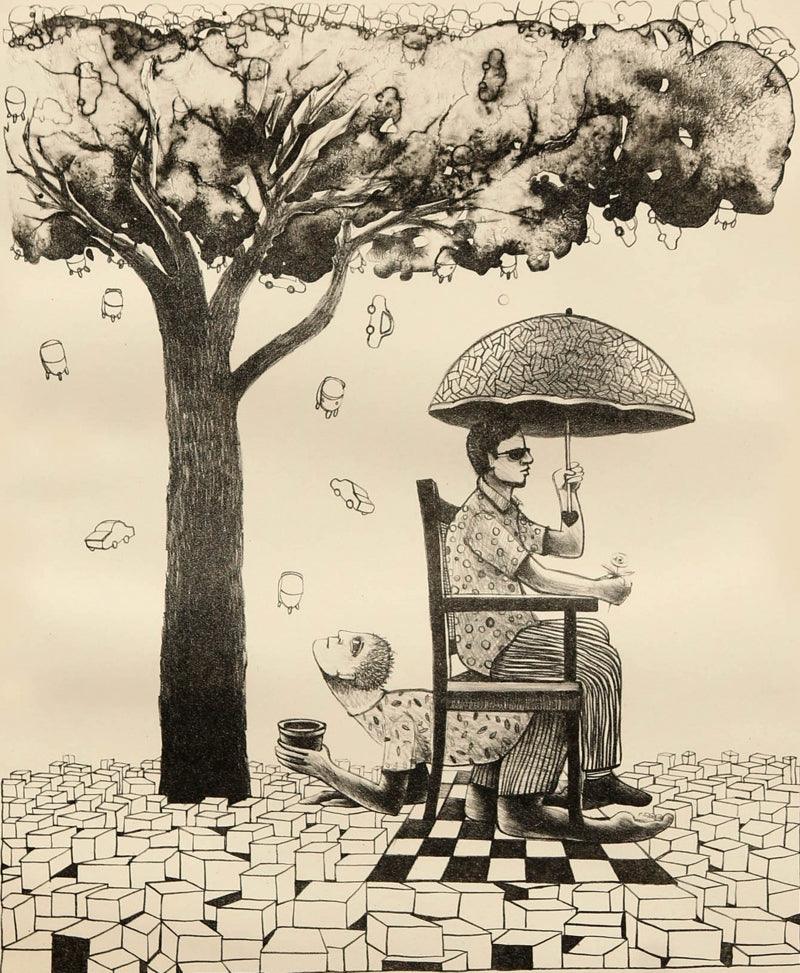
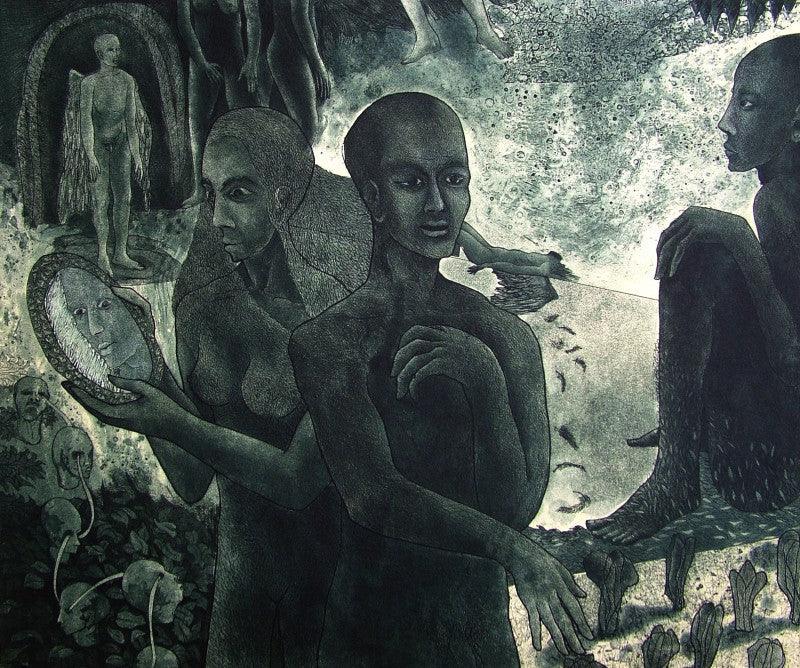
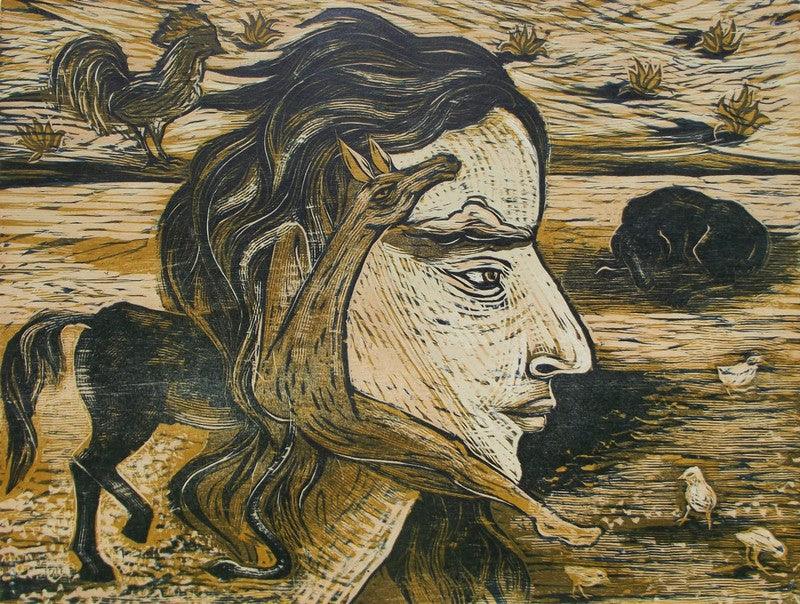
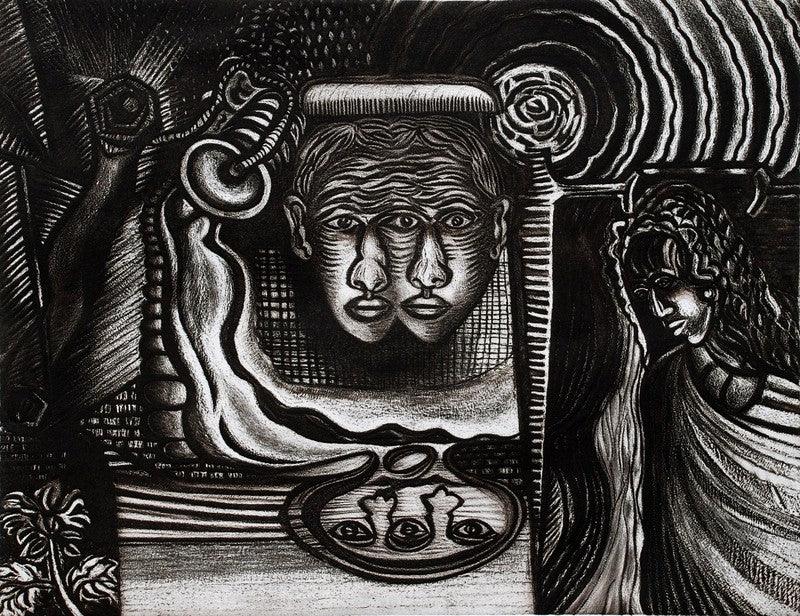
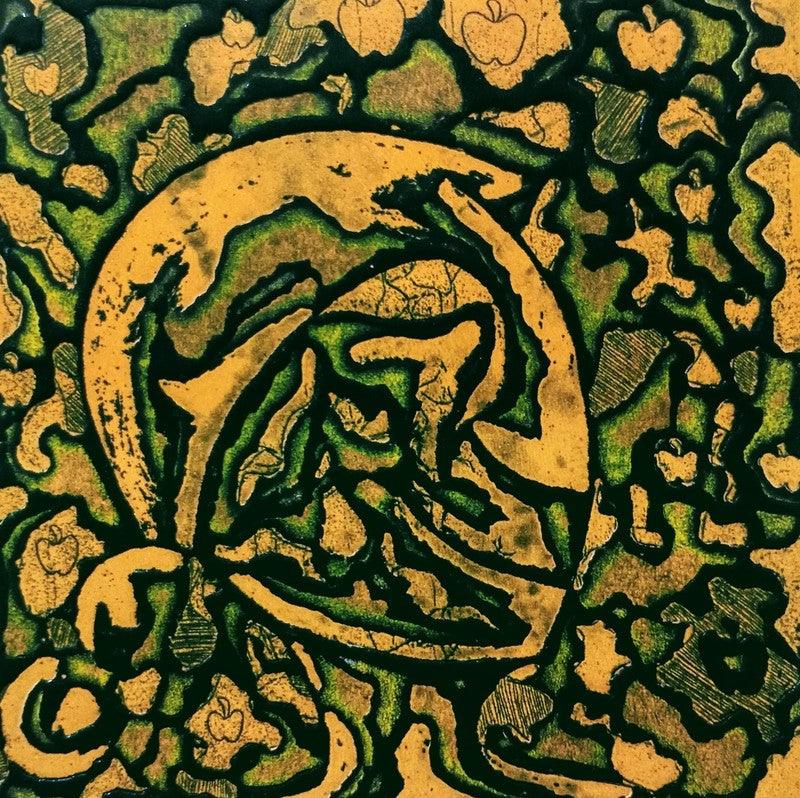
Rendered in stark black-and-white, the scene stages an intimate encounter beneath a fruiting tree where the central trunk becomes both axis and boundary, dividing two figures who seem to trade glances through symbols rather than touch. The dense ornamental backdrop and crosshatched shadows press inward like memory, while the oversized rose blooms with theatrical insistence—an emblem of desire magnified to the point of concealment, simultaneously offering and obstructing. Scattered fruit and fallen leaves read as quiet evidence of consequence, suggesting a narrative of temptation and aftermath in which innocence is less lost than consciously negotiated. The carving-like linework lends the image a timeless, fable-like gravity, turning personal drama into a ritual of looking, choosing, and withholding.
Delivery
You may also like