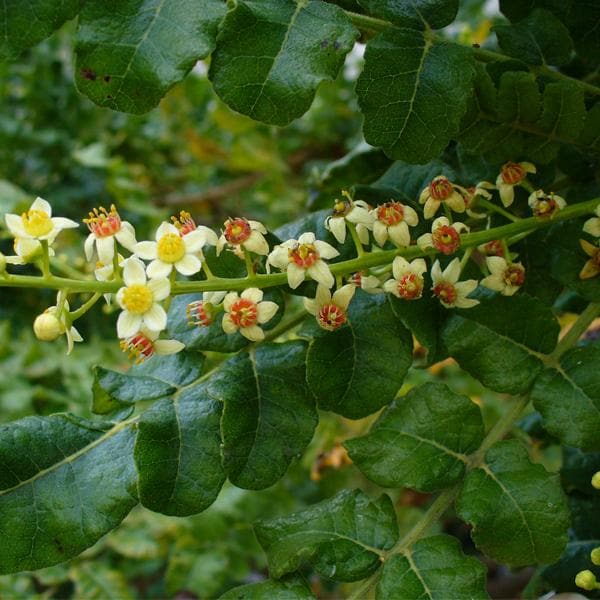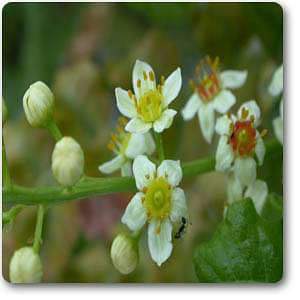
Frankincense - Plant
Frankincense, derived from the resin of the Boswellia tree, is a remarkable plant known for its aromatic properties and historical significance. This ancient botanical has been used for thousands of years in religious ceremonies, traditional medicine, and perfumery. Its rich, earthy scent is not only soothing but also believed to have therapeutic benefits, making it a staple in aromatherapy and holistic practices.
What makes Frankincense special is its unique ability to thrive in arid environments, showcasing resilience and adaptability. The resin, harvested through careful tapping, is a treasure trove of bioactive compounds, including boswellic acids, which are known for their anti-inflammatory and analgesic properties. This plant is not just a source of fragrance; it plays a vital role in promoting wellness and spiritual well-being.
One of the standout features of Frankincense is its historical significance. Used in ancient Egypt for embalming and in religious rituals across various cultures, it has been revered for its sacred qualities. Today, it continues to be a symbol of luxury and healing, making it a sought-after addition to any garden or wellness routine.
Growing Instructions
- Plant in well-draining sandy or loamy soil.
- Choose a sunny location with at least 6 hours of direct sunlight daily.
- Water sparingly; allow the soil to dry out between waterings.
- Maintain a temperature between 60°F to 80°F (15°C to 27°C).
- Fertilize with a balanced fertilizer during the growing season.
Care Instructions
- Prune regularly to encourage bushy growth and remove dead branches.
- Protect from frost; consider bringing indoors during colder months.
- Monitor for pests like aphids and treat with organic insecticides if necessary.
- Ensure good air circulation to prevent fungal diseases.
Uses
- Utilized in aromatherapy for relaxation and stress relief.
- Incorporated into skincare products for its anti-inflammatory properties.
- Used in incense and candles for a calming atmosphere.
- Applied in traditional medicine for respiratory and digestive health.
Fun Facts
- Frankincense was one of the gifts presented to baby Jesus by the Magi, symbolizing divinity.
- The Boswellia tree can live for over 100 years, producing resin for decades.
- Frankincense is often referred to as "liquid gold" due to its high value and historical trade significance.
- Research suggests that frankincense may have potential anti-cancer properties, making it a subject of ongoing scientific studies.
Environmental Impact
Frankincense harvesting, when done sustainably, can support local economies and preserve traditional practices. However, overharvesting poses a threat to Boswellia populations. Responsible sourcing and cultivation practices are essential to ensure the longevity of this precious plant and its ecosystem.
You may also like