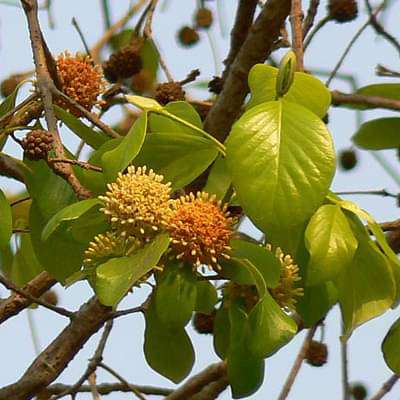
Catha edulis - The Khat Plant
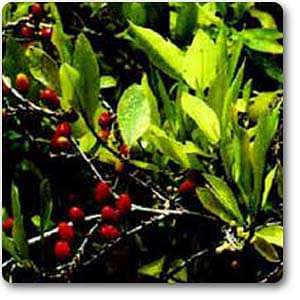
Catha edulis, commonly known as Khat, is a flowering plant native to the Horn of Africa and the Arabian Peninsula. Renowned for its stimulant properties, the leaves of Khat have been chewed for centuries for their euphoric effects. This evergreen shrub can grow up to 2 meters tall and thrives in well-drained, fertile soils. Its glossy green leaves and small white flowers make it an attractive addition to any garden.
What makes Khat special is its unique alkaloids, particularly cathinone, which is responsible for its stimulating effects. This plant has deep cultural significance in regions like Yemen, where it is traditionally consumed during social gatherings. Khat's ability to enhance mood and energy levels has led to its popularity, but it also raises important discussions about its legal status and health implications.
One of Khat's special features is its adaptability to various climates, making it a resilient choice for gardeners. It can thrive in both arid and humid environments, showcasing its versatility. Additionally, Khat has been studied for its potential medicinal properties, including appetite suppression and mood enhancement, although further research is needed.
Growing Instructions
- Plant Khat seeds in well-drained, fertile soil.
- Choose a location with full sun to partial shade.
- Water regularly, ensuring the soil remains moist but not waterlogged.
- Maintain a temperature between 20°C to 30°C (68°F to 86°F) for optimal growth.
Care Instructions
- Prune regularly to encourage bushy growth and remove dead leaves.
- Fertilize with a balanced fertilizer every 4-6 weeks during the growing season.
- Monitor for pests such as aphids and treat with organic insecticides if necessary.
- Ensure good air circulation to prevent fungal diseases.
Uses
- Traditionally chewed for its stimulant effects, enhancing mood and energy.
- Used in some cultures for social and ceremonial purposes.
- Investigated for potential medicinal uses, including appetite suppression.
- Can be brewed into tea for a milder effect.
Fun Facts
- Khat has been used for over 1,000 years in East African and Arabian cultures.
- In Yemen, Khat chewing is a social activity, often accompanied by tea and conversation.
- The legal status of Khat varies worldwide; it is banned in some countries while being culturally accepted in others.
- Research indicates that Khat may have potential benefits for cognitive function, though more studies are needed.
Environmental Impact
Catha edulis can have both positive and negative environmental impacts. While it can provide economic benefits to local farmers, its cultivation may lead to deforestation and soil degradation if not managed sustainably. Responsible cultivation practices are essential to minimize its ecological footprint.
Coupons
Delivery
You may also like