King And Queens
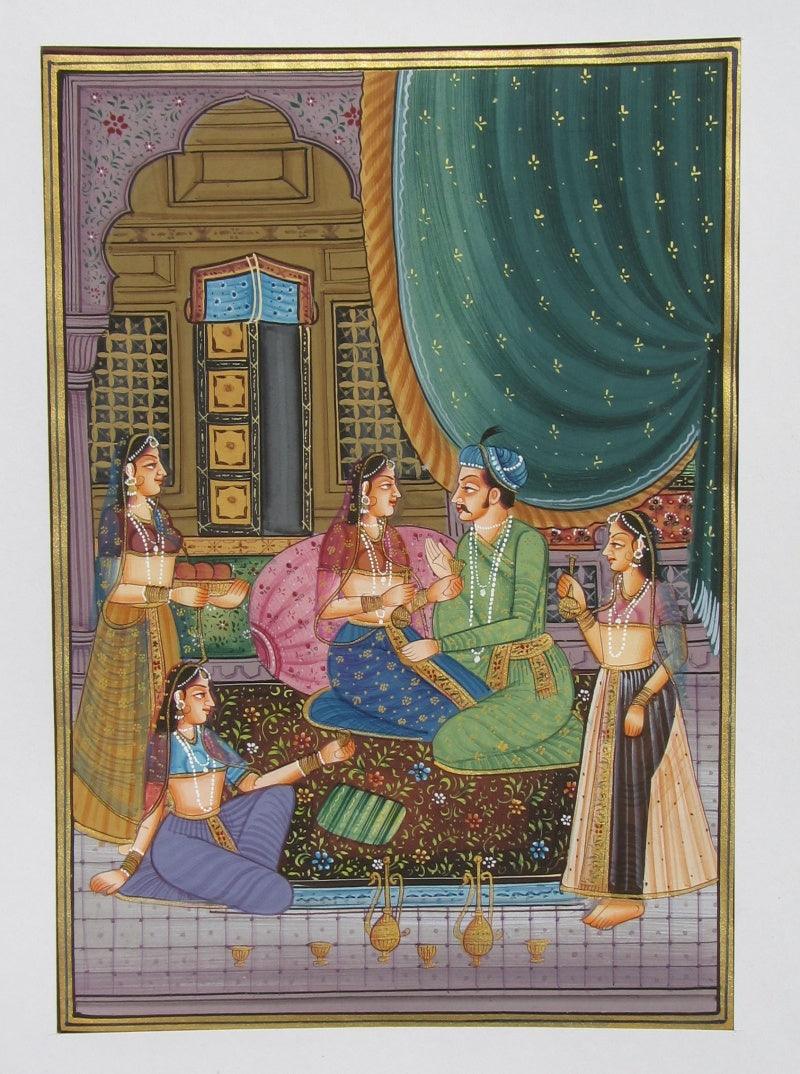
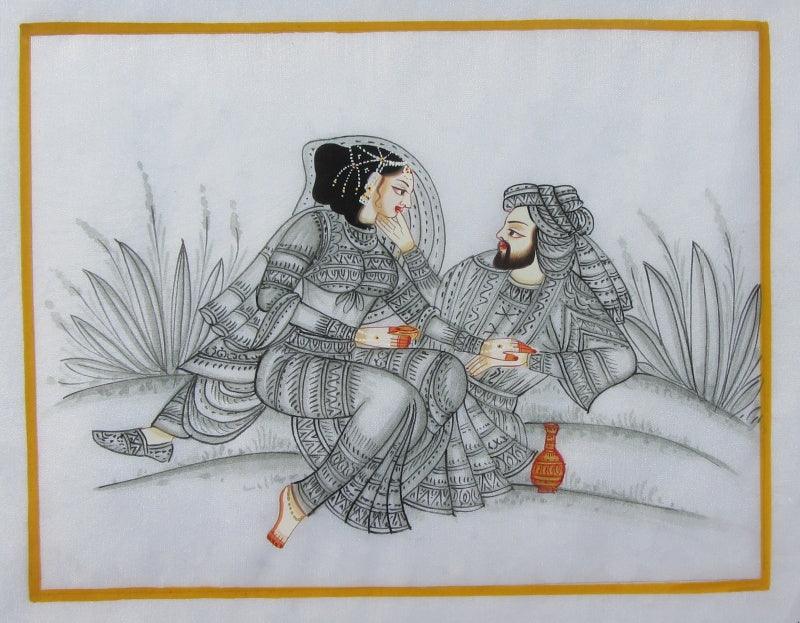
Framed by a richly ornamented pavilion, the lovers’ quiet intimacy unfolds as a courtly ritual—an interior world of measured gestures set against the open, breathing vastness of water and hills. The composition balances architectural symmetry with tender human asymmetry, letting the arched openings function like thresholds where desire, duty, and leisure pass gently between private chamber and public landscape. Jewel-toned garments and gold-inflected patterning turn the scene into a lacquered reverie, suggesting that romance here is not merely felt but carefully composed, witnessed, and preserved as an ideal. The attendant figures, poised at the margins, deepen the narrative: devotion becomes performance, and the gaze of the court becomes part of love’s architecture.
Delivery
You may also like