Kewda, Pandanus Pygmaeus - Plant
Kewda, Pandanus Pygmaeus - Plant
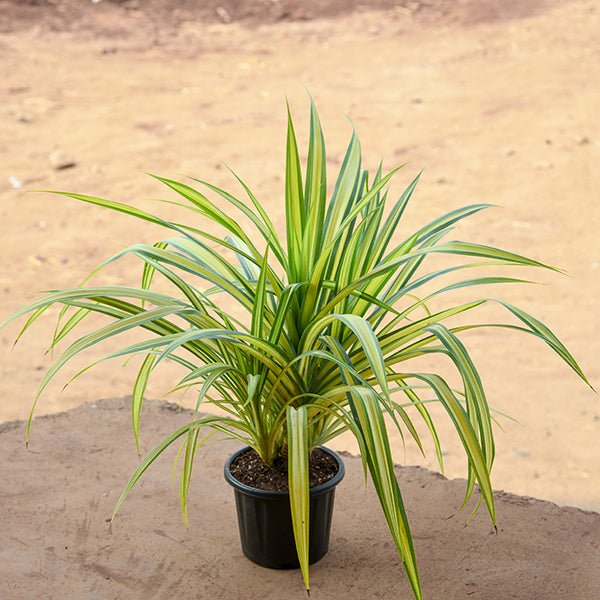
The Kewda plant, scientifically known as Pandanus pygmaeus, is a tropical marvel renowned for its aromatic flowers and unique foliage. Native to the coastal regions of South Asia, this perennial plant thrives in sandy soils and is often found in mangrove ecosystems. Its fragrant flowers are not only a delight to the senses but also play a crucial role in local cultures, often used in traditional ceremonies and perfumery.
What makes Kewda special is its ability to adapt to various environmental conditions while providing ecological benefits. The plant's extensive root system helps prevent soil erosion, making it a vital component of coastal ecosystems. Additionally, its flowers are a source of essential oils, which are highly valued in the fragrance industry.
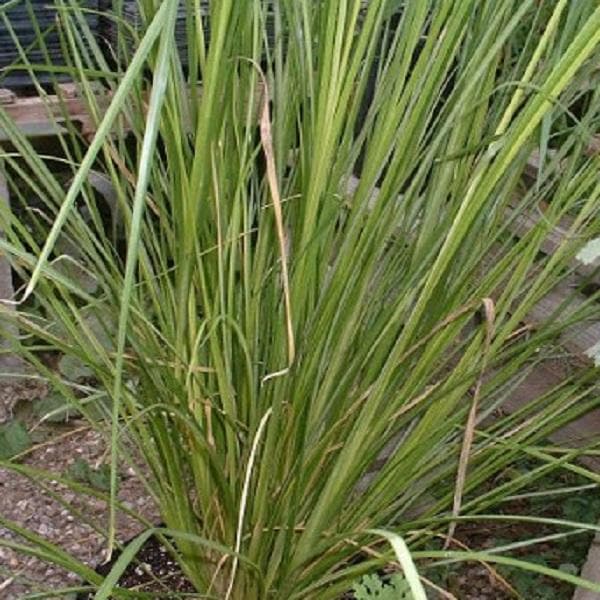
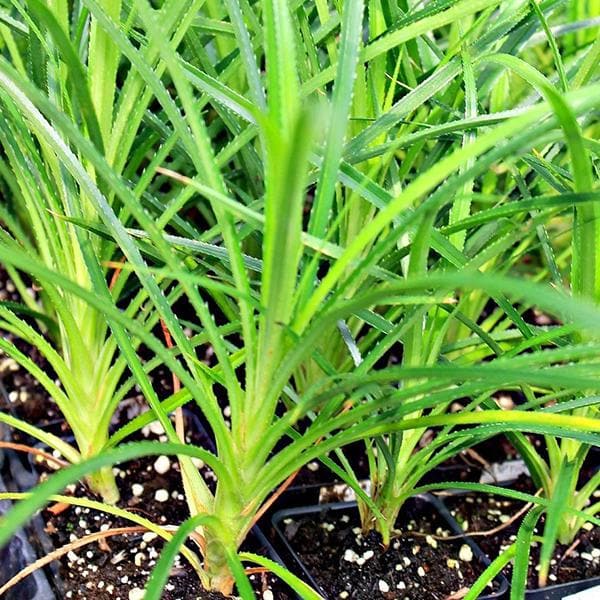
One of the standout features of Kewda is its striking, fan-like leaves that can grow up to 2 meters long. The plant produces clusters of small, yellow-green flowers that emit a sweet, intoxicating fragrance, attracting pollinators like bees and butterflies. This not only enhances biodiversity but also contributes to the overall health of the ecosystem.
Growing Instructions:
- Plant in well-draining sandy soil.
- Provide full sun to partial shade for optimal growth.
- Water regularly, allowing the soil to dry slightly between waterings.
- Fertilize with a balanced fertilizer during the growing season.
Care Instructions:
- Prune dead or damaged leaves to promote healthy growth.
- Monitor for pests such as aphids and treat with organic insecticides if necessary.
- Protect from extreme cold; ideal temperature range is 20-30°C (68-86°F).
Uses:
- Flowers are used to extract essential oils for perfumes and aromatherapy.
- Leaves can be woven into mats, baskets, and other handicrafts.
- Traditionally used in religious ceremonies and cultural festivals.
Fun Facts:
- Kewda is often referred to as the "screwpine" due to its unique leaf arrangement.
- The plant has been used in Ayurvedic medicine for its aromatic properties.
- Kewda water, derived from its flowers, is a popular ingredient in Indian sweets and beverages.
Environmental Impact:
Kewda plays a significant role in coastal ecosystems by stabilizing sandy soils and providing habitat for various wildlife. Its cultivation can help combat coastal erosion and promote biodiversity, making it an essential plant for sustainable environmental practices.
Coupons
Delivery
You may also like