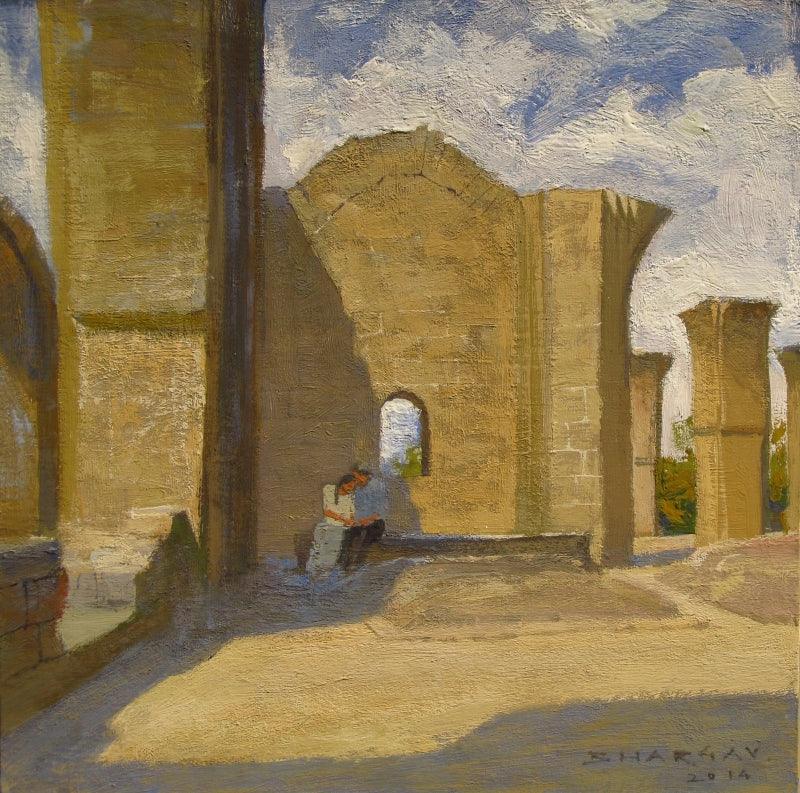
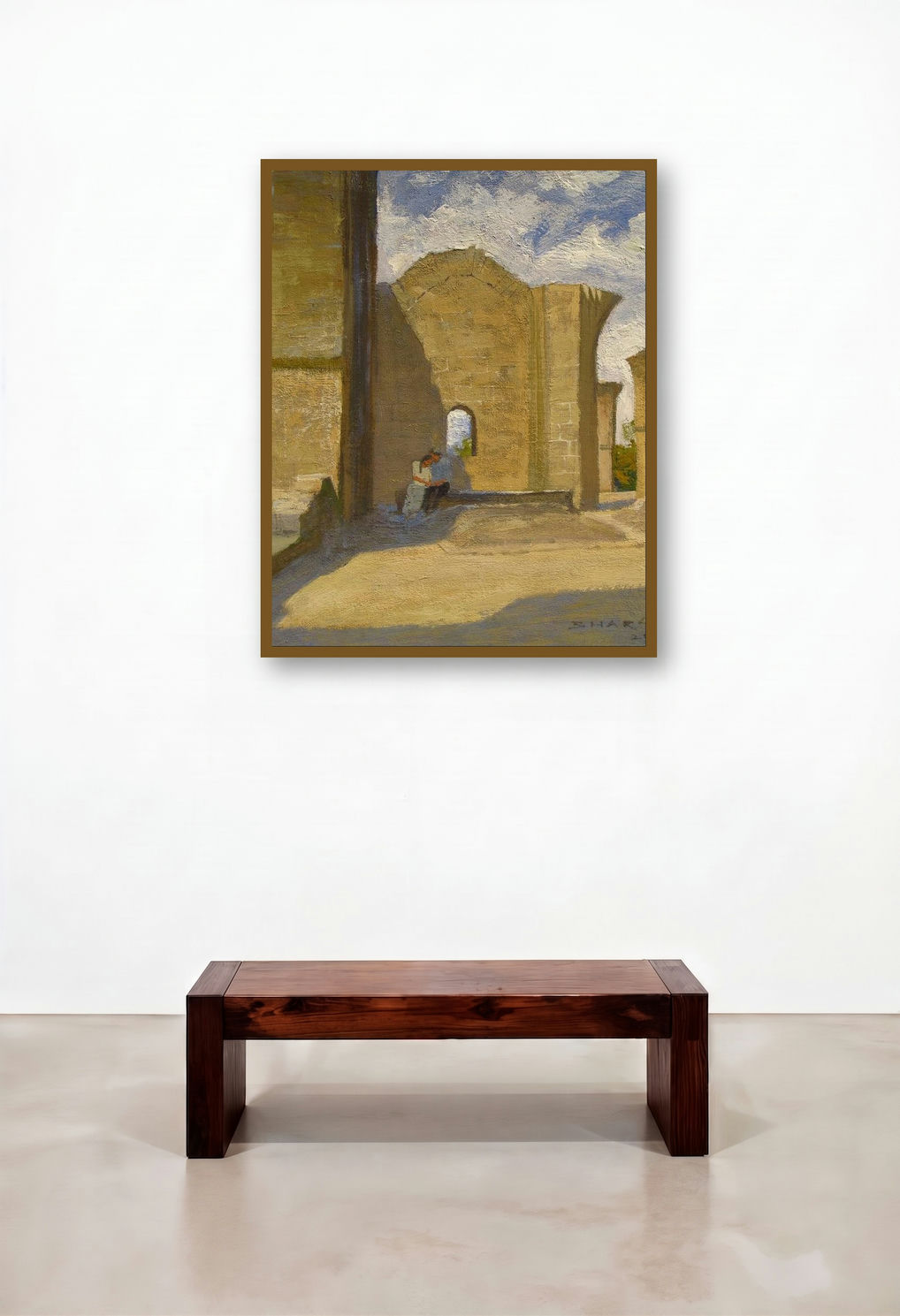
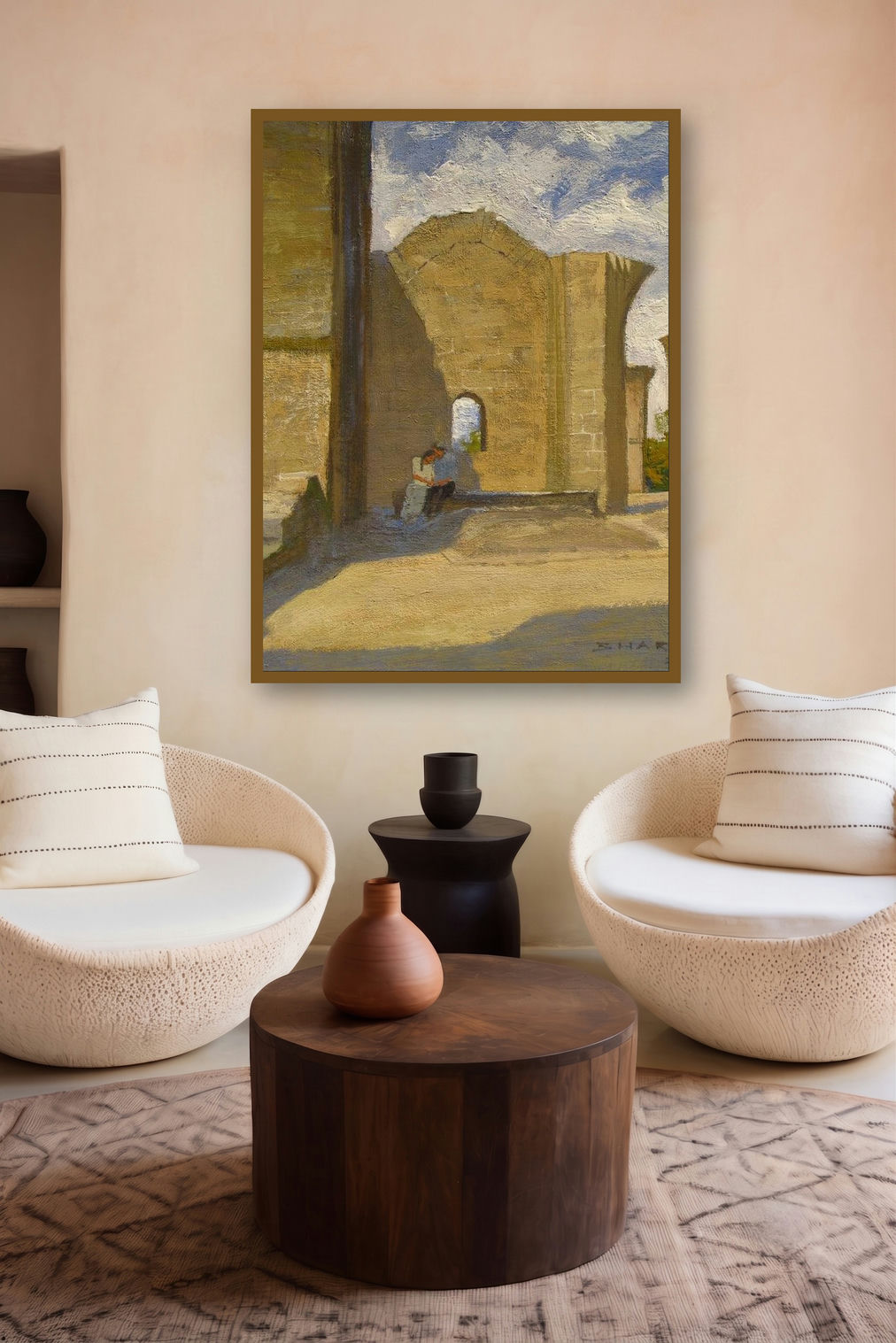
Shadows (Whispers of the Past)
₹0
● In stock · ★ 4.0 (9)checking live price…
Size
13x13Type
OriginalMaterial
CanvasBathed in a high, unrelenting sun, the ochre ruins rise like mute witnesses, their rough planes catching light while their interiors hold cool, patient shadow. The composition stages a quiet drama of scale: monumental walls and a single arched opening compress the human figure into a fleeting note, suggesting how presence becomes incidental against the endurance of stone. Brushwork and warm earthen color build a tactile archaeology, while the blue-white sky and long cast shadows turn the courtyard into a threshold between memory and the present moment. In this suspended stillness, the architecture reads less as remnant than as sanctuary—an invitation to step through absence and find continuity.
Delivery
You may also like
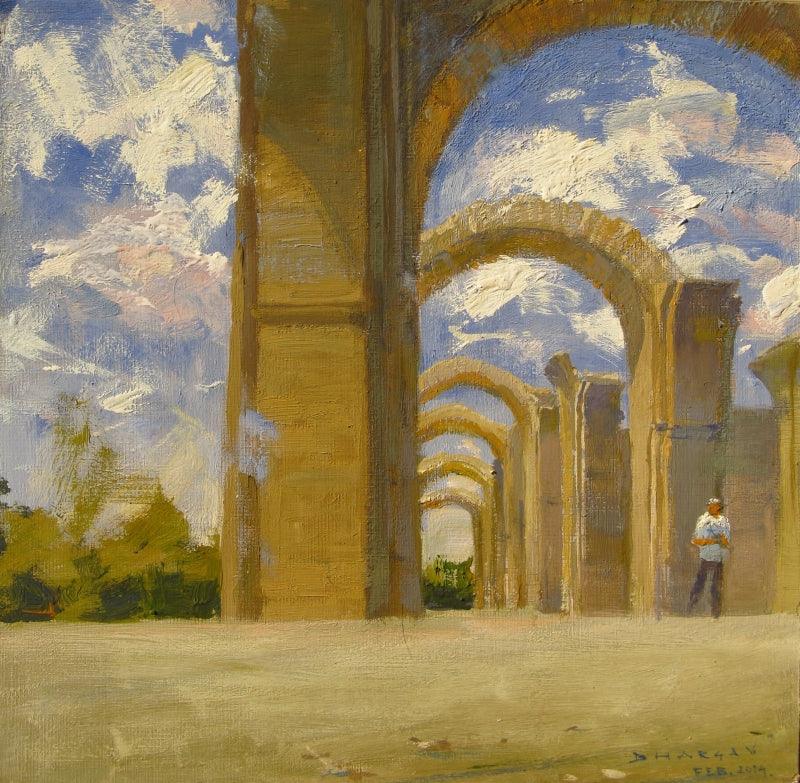
Bara Kaman Vijapur (Echoes of Grandeur)
Artzolo
₹0
★ 5.0 (10)
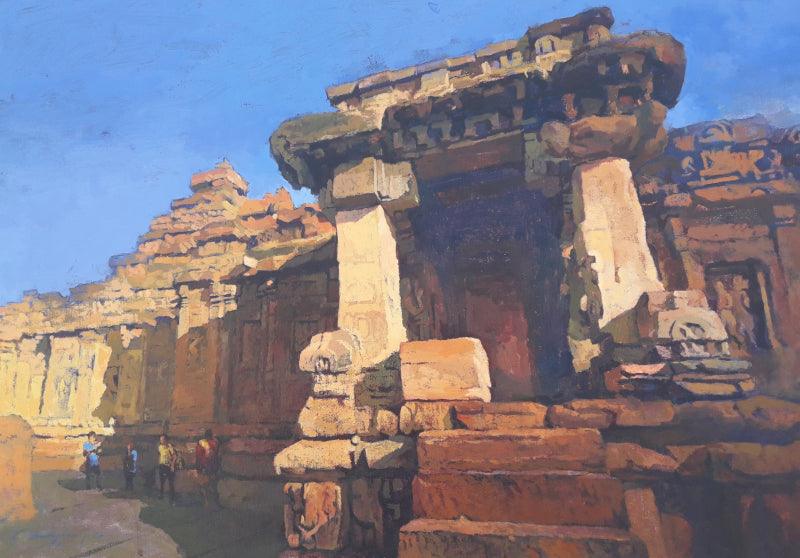
Ruins Of Chalukyan Empire (Echoes of the Past)
Artzolo
₹52,500
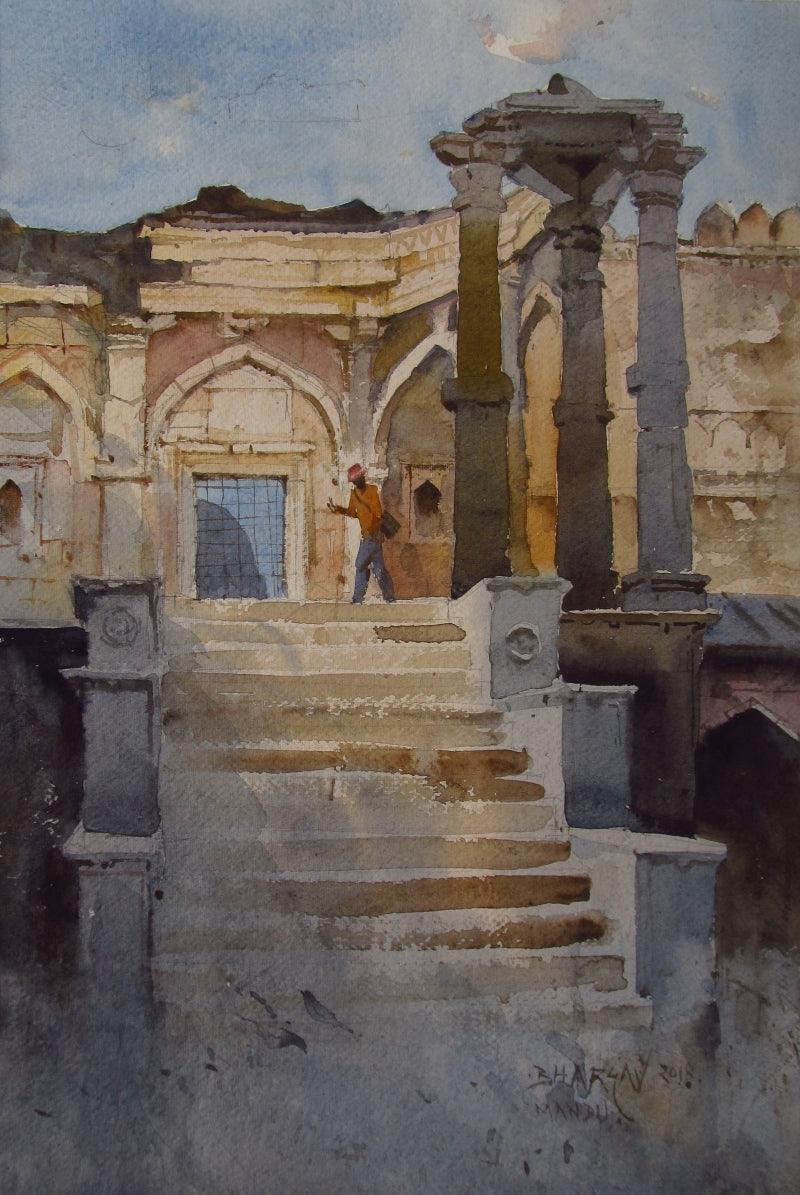
Mandu 2 (Whispers of Time)
Artzolo
₹40,000
★ 5.0 (5)
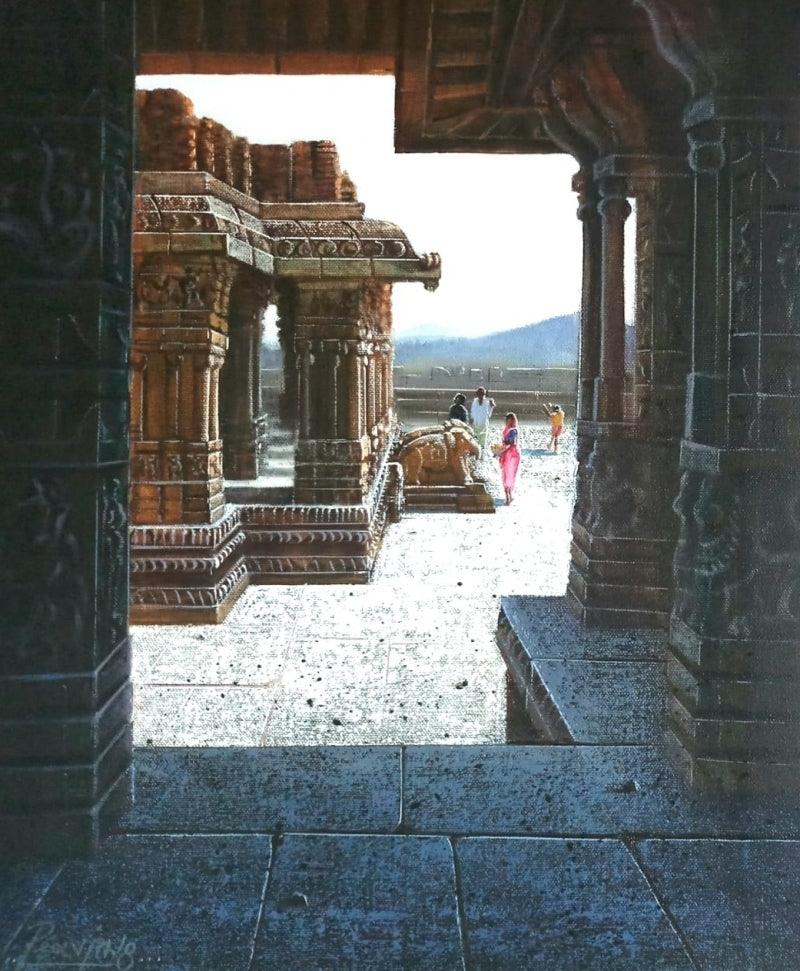
Vitthala Temple Hampi 11 (Hampi Temple Ruins)
Artzolo
₹30,000
out of stock
★ 4.0 (12)
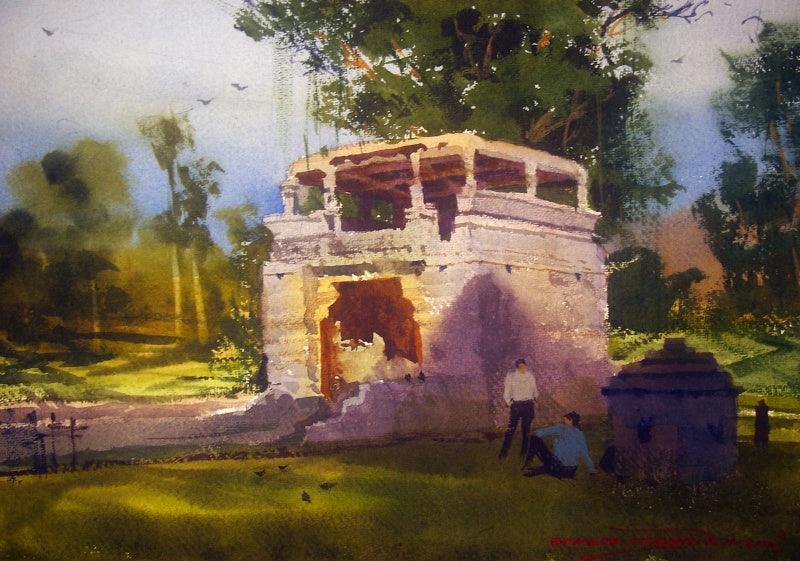
Arthuna Village (Remnants of the Past)
Artzolo
₹15,000
★ 4.0 (10)
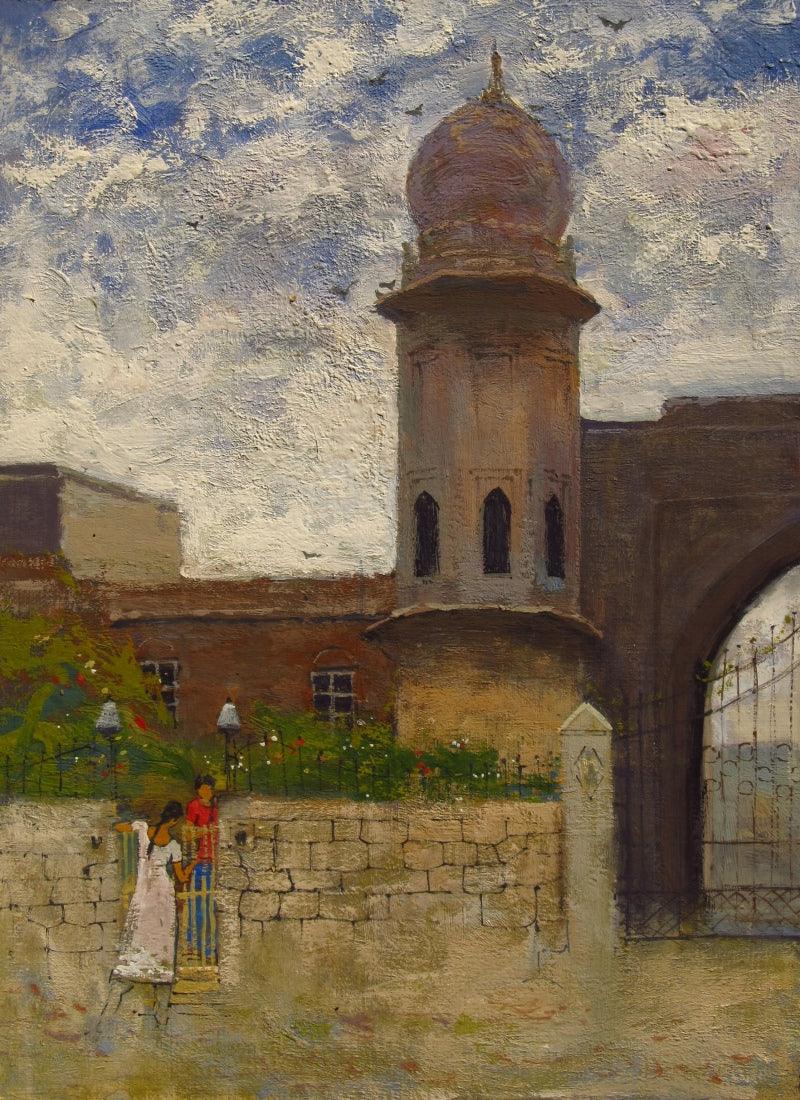
Landscape 2 (Beyond the Walls)
Artzolo
₹21,000
★ 4.0 (13)
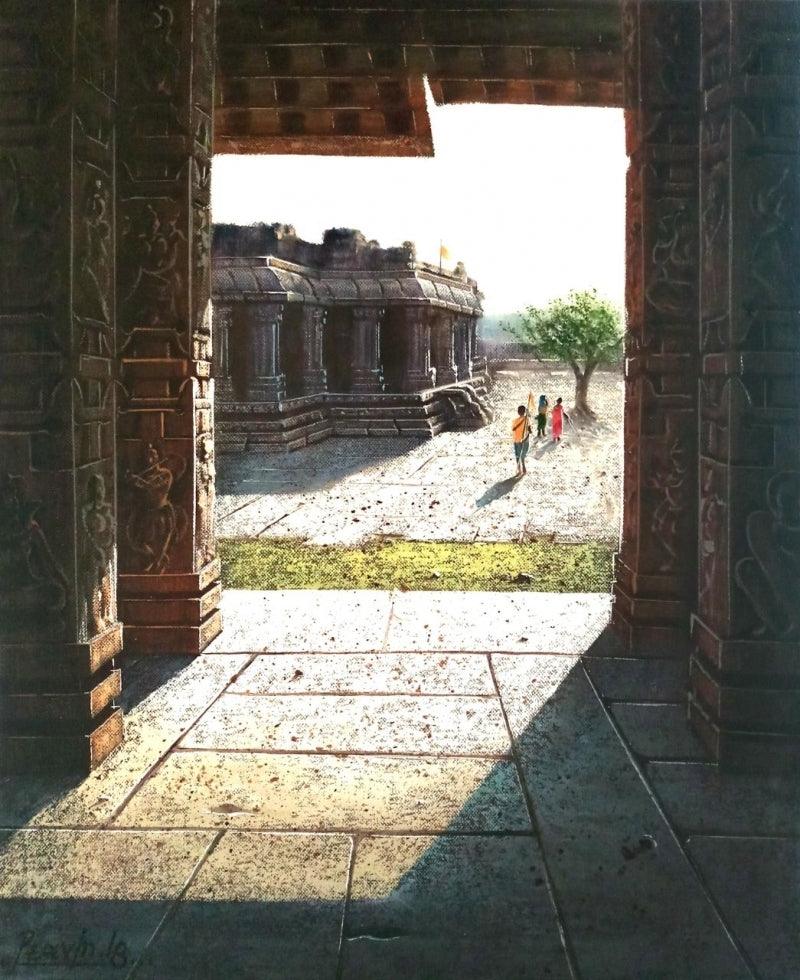
Vitthala Temple Hampi 9 (Hampi Circular Temple)
Artzolo
₹30,000
out of stock
★ 4.0 (14)
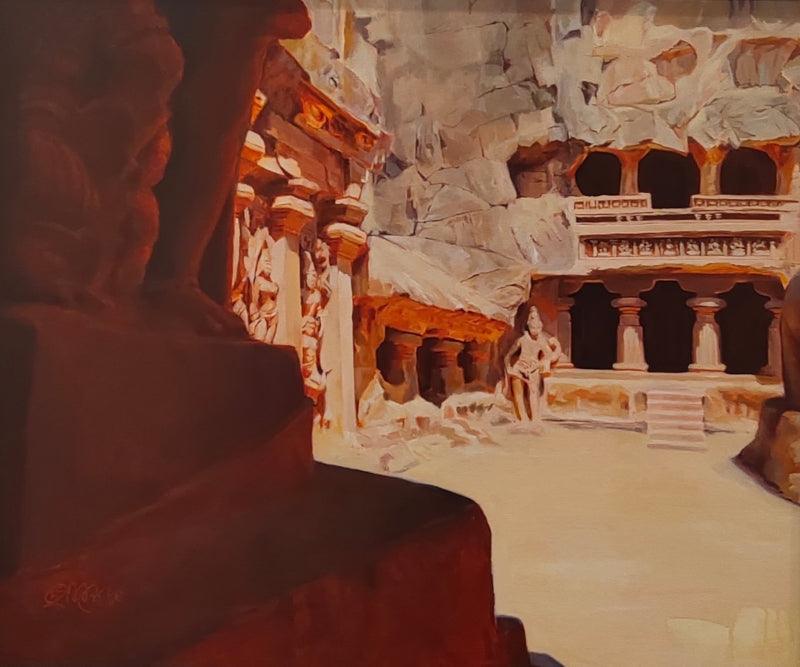
In The Light And Shade Of Kailas Temple (Ancient Echoes)
Artzolo
₹40,000
★ 4.0 (13)