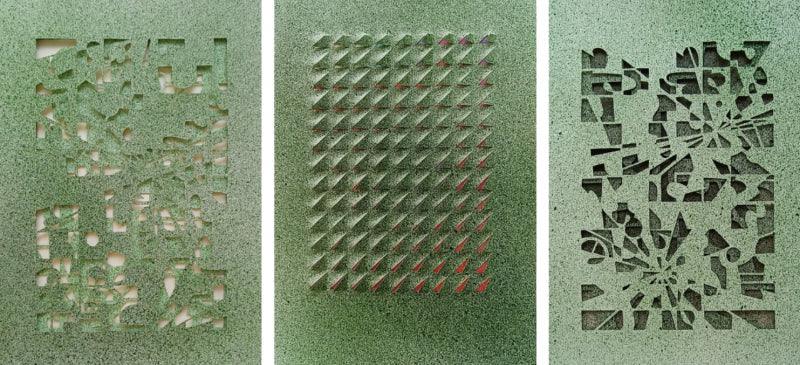
Red Blooded
₹45,000
Out of stock · ★ 4.0 (7)checking live price…
Size
16x33Type
OriginalMaterial
PaperThis triptych treats the surface as both skin and map: a field of granular green is punctured by apertures that reveal a quieter, hidden architecture beneath. Moving from scattered voids to a disciplined grid of raised, blade-like facets and finally to a fractured floral geometry, the composition stages a gradual negotiation between chance and order, as if pattern is being coaxed out of erosion. Light becomes an active collaborator—catching edges, casting tiny shadows, and turning subtraction into a kind of drawing—so the work reads as an archaeology of perception where absence carries as much weight as form.
Delivery
You may also like
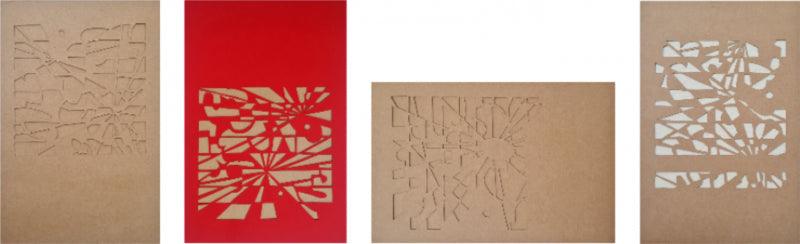
The Red (Intricate Cutouts)
Artzolo
₹30,000
★ 5.0 (14)
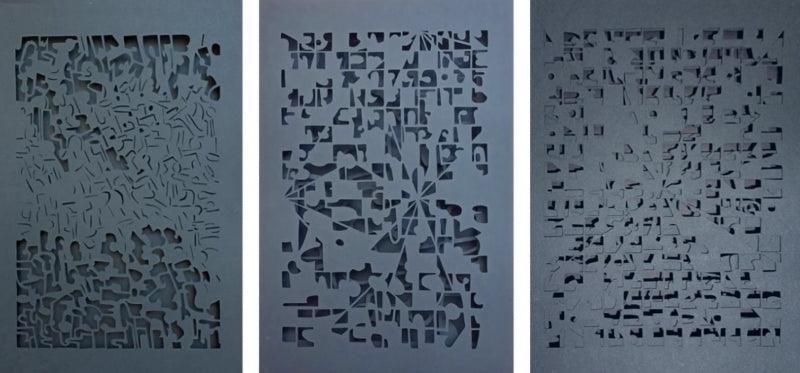
Apartheid
Artzolo
₹45,000
out of stock
★ 5.0 (5)
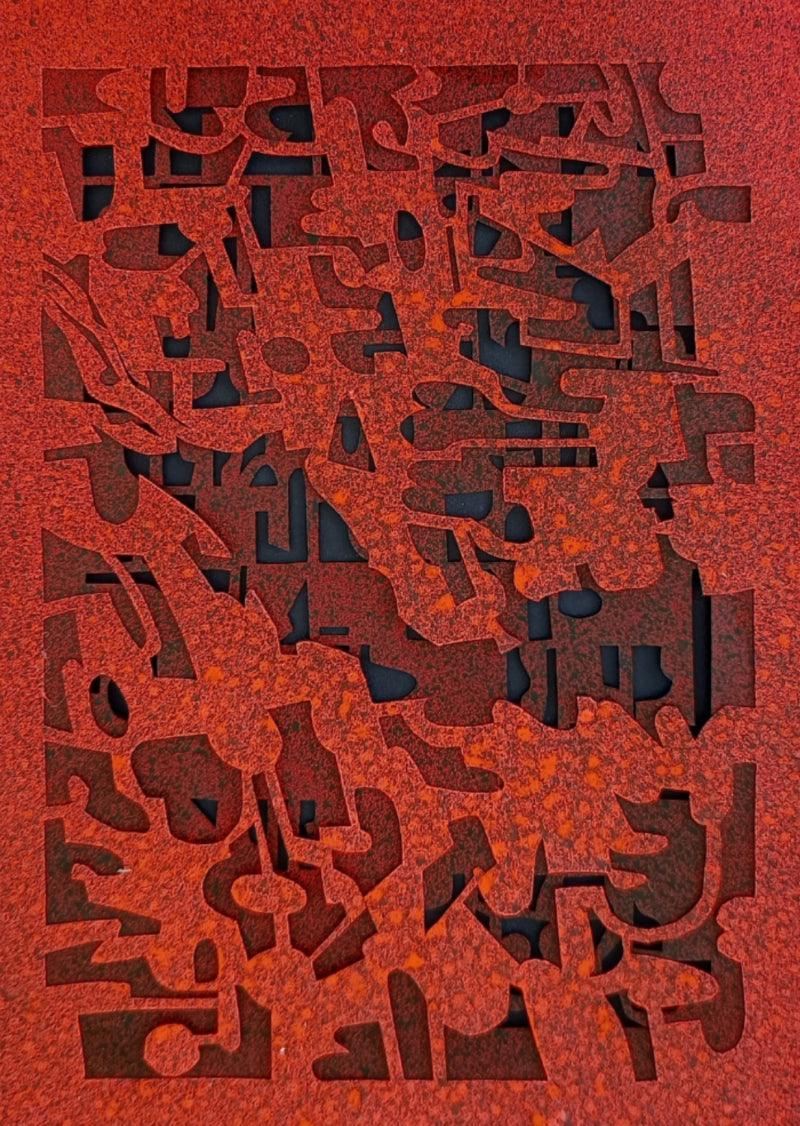
This Is Not Red (This is not Red)
Artzolo
₹7,500
★ 5.0 (8)
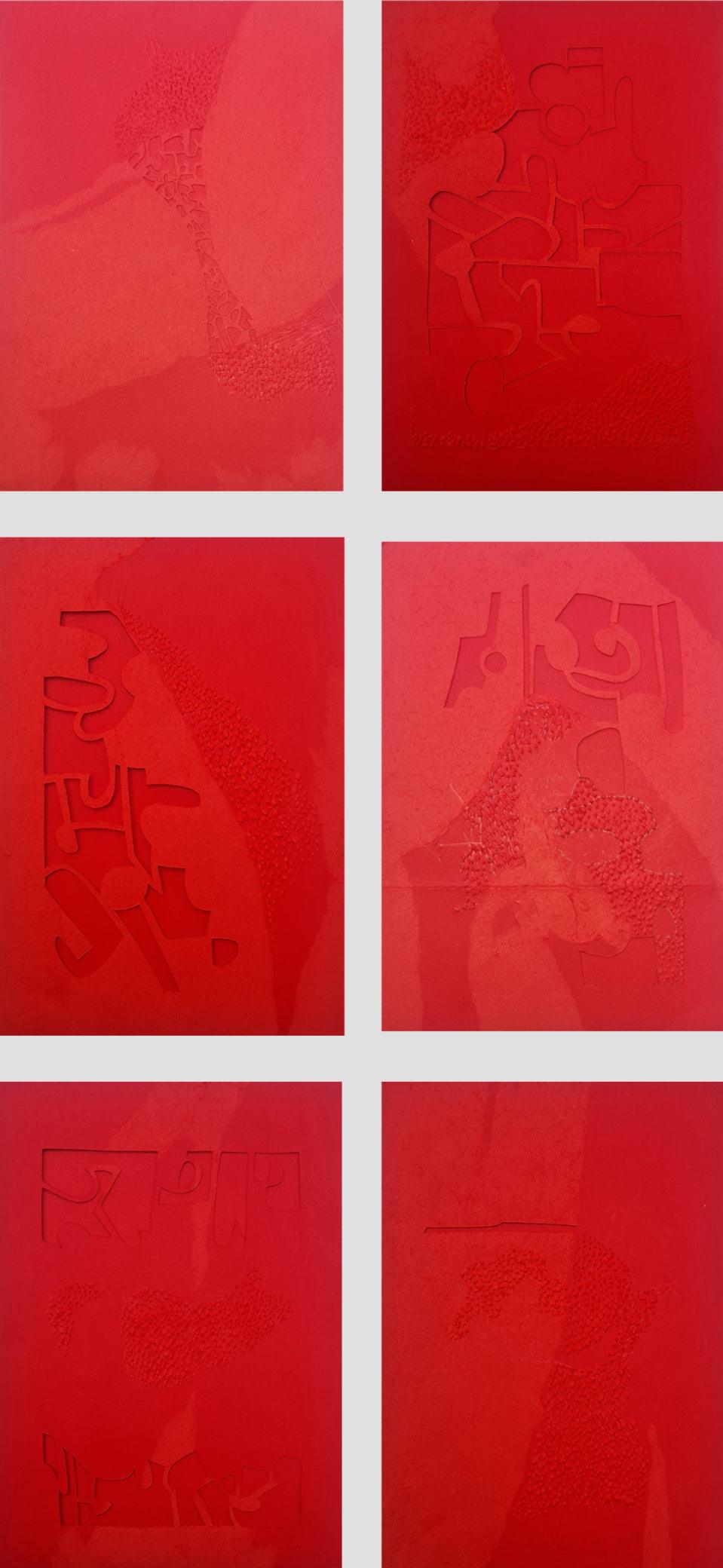
Rid Of Set (Crimson Codex)
Artzolo
₹22,000
★ 4.0 (12)
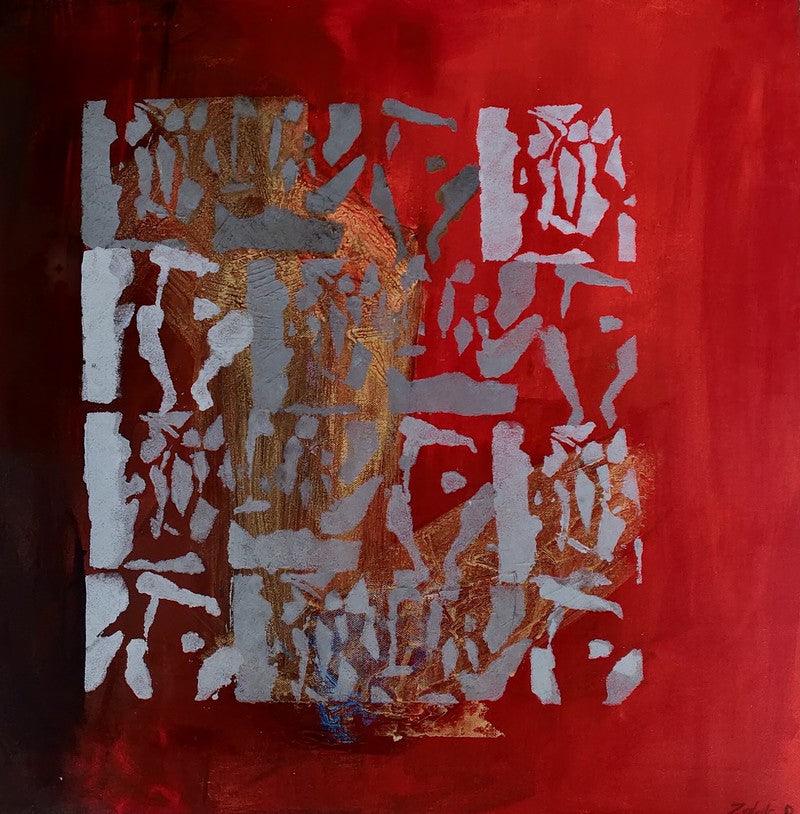
Untitled (Red Abstraction with Silver)
Artzolo
₹0
★ 4.0 (9)
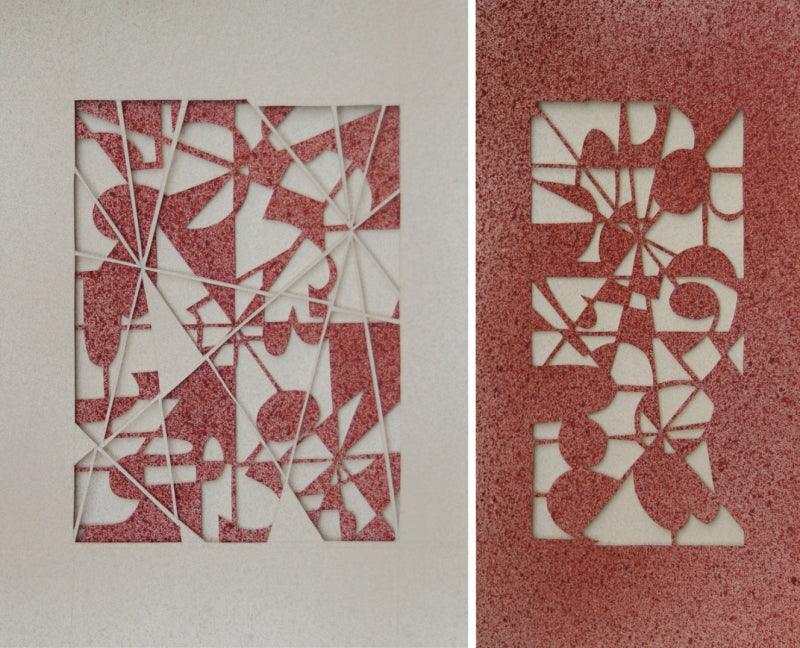
Untitled 10 (Cut Out Collage)
Artzolo
₹26,000
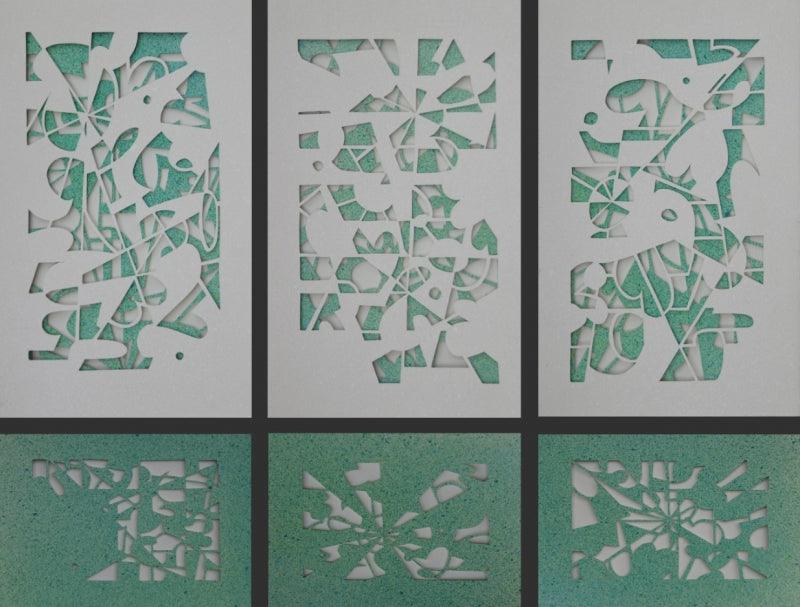
Untitled 9 (Paper Cut Exploration)
Artzolo
₹53,000
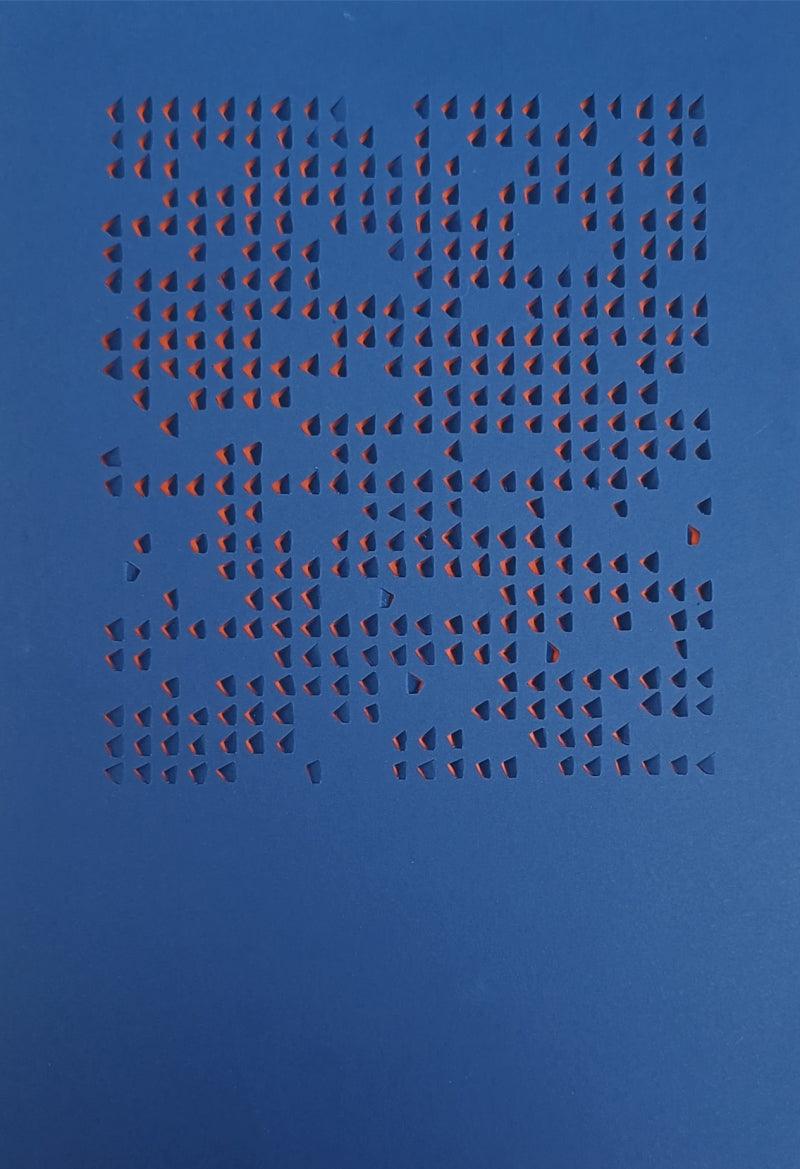
To Find Me (Blue Abyss, Glowing Triangles)
Artzolo
₹15,000
★ 5.0 (6)