Shami, Tree of Dhanishta Nakshatra, Capricorn or Makar Rashi - Plant
Shami Plant - Tree of Dhanishta Nakshatra (Capricorn/Makar Rashi)
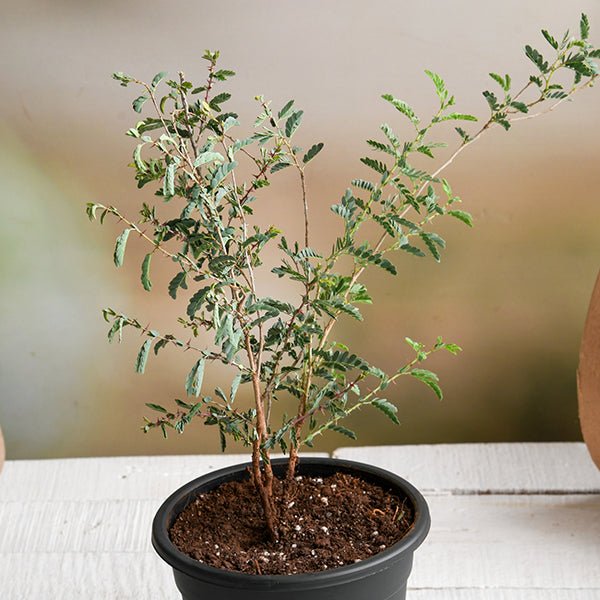
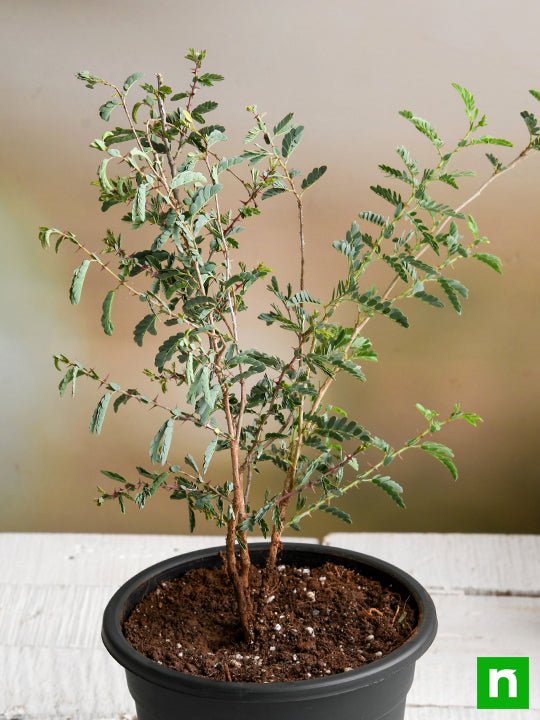
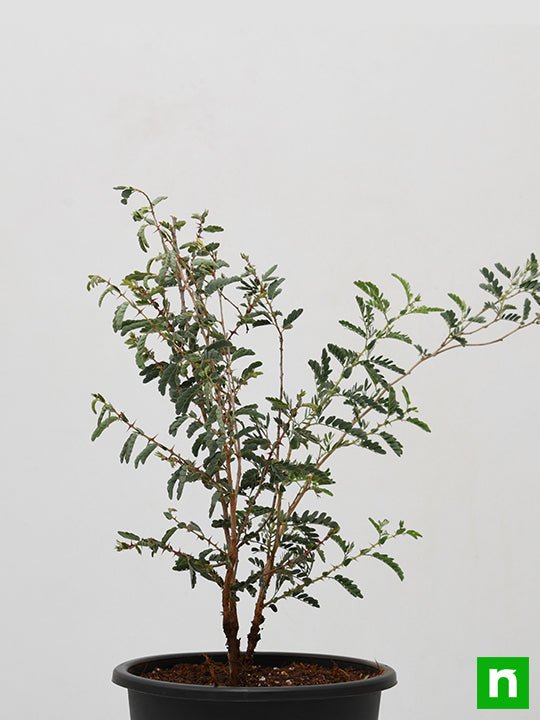
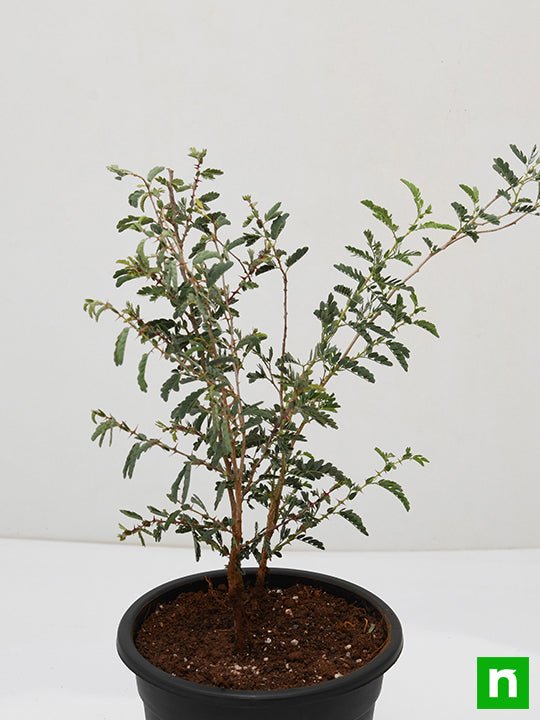
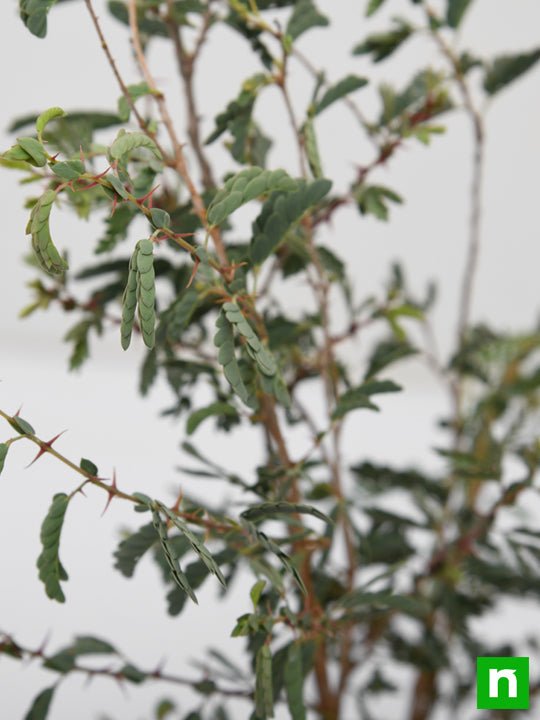
The Shami plant, revered in Vedic astrology, is associated with the Dhanishta Nakshatra and the Capricorn zodiac sign (Makar Rashi). Known scientifically as Prosopis cineraria, this hardy tree thrives in arid conditions, making it a symbol of resilience and strength. Its leaves are feathery and its pods are rich in nutrients, making it a vital resource in traditional medicine and agriculture.
What makes the Shami plant special is its deep-rooted connection to Indian culture and mythology. It is often mentioned in ancient texts as a sacred tree, believed to bring prosperity and good fortune. The Shami tree is also known for its ability to improve soil quality and combat desertification, making it an environmentally significant species.
One of the standout features of the Shami plant is its nitrogen-fixing ability, which enriches the soil and supports surrounding flora. This makes it an excellent choice for agroforestry and sustainable farming practices, contributing positively to the ecosystem.
Growing Instructions:
- Choose a sunny location with well-drained soil.
- Plant seeds or saplings during the monsoon season for optimal growth.
- Space plants at least 10-15 feet apart to allow for mature growth.
Care Instructions:
- Water the plant moderately; avoid overwatering.
- Apply organic compost annually to enhance soil fertility.
- Prune regularly to maintain shape and encourage bushier growth.
Uses:
- Leaves and pods are used in traditional medicine for various ailments.
- Wood is durable and used for making furniture and tools.
- Acts as a natural windbreak and shade provider in agricultural fields.
Fun Facts:
- The Shami tree is often referred to as the "Tree of Life" in Indian folklore.
- It can live for over 100 years, showcasing its longevity and resilience.
- In Hindu mythology, the Shami tree is associated with the festival of Dussehra, symbolizing victory and strength.
Environmental Impact:
The Shami plant plays a crucial role in combating soil erosion and improving soil health. Its deep roots help stabilize the soil, while its foliage provides habitat for various wildlife. By planting Shami trees, you contribute to biodiversity and promote a healthier ecosystem.
Coupons
Delivery
You may also like