Tree of Rajasthan, Shami - Plant
Tree of Rajasthan: Shami - Plant
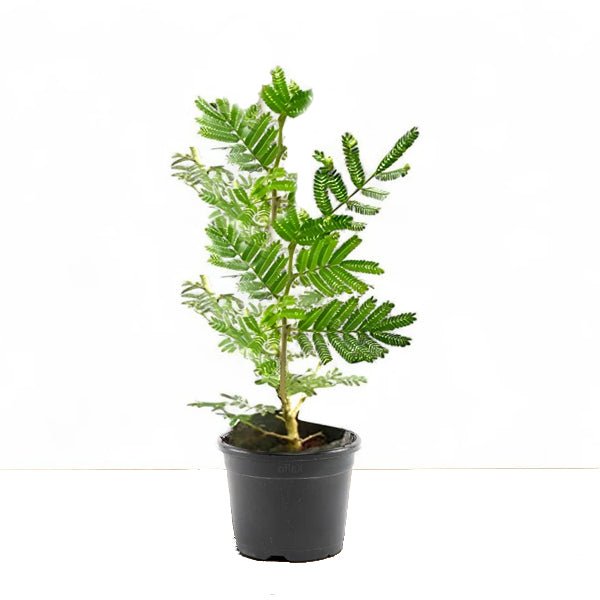
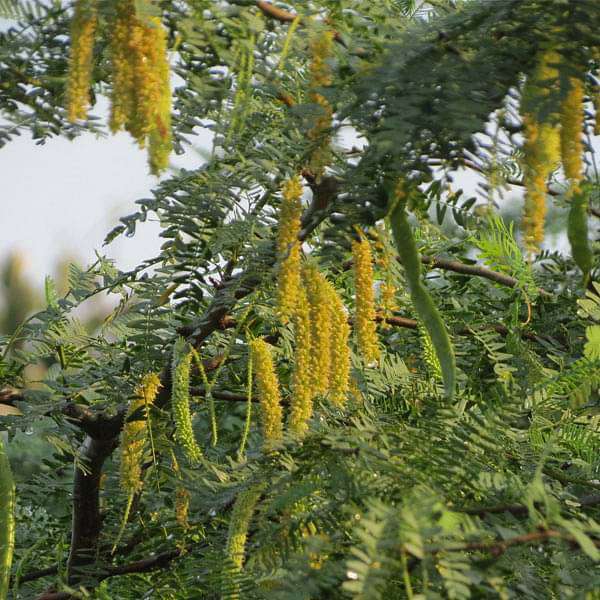
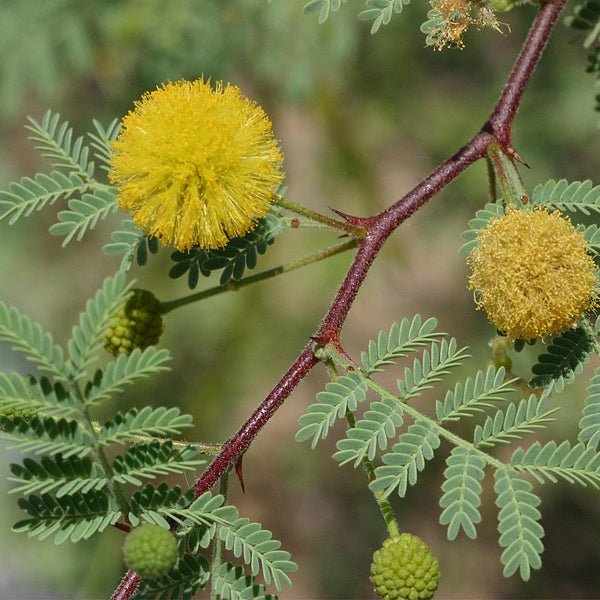
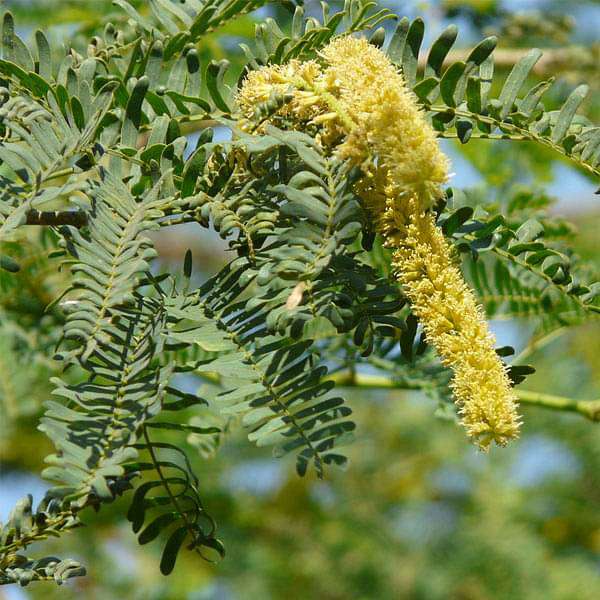
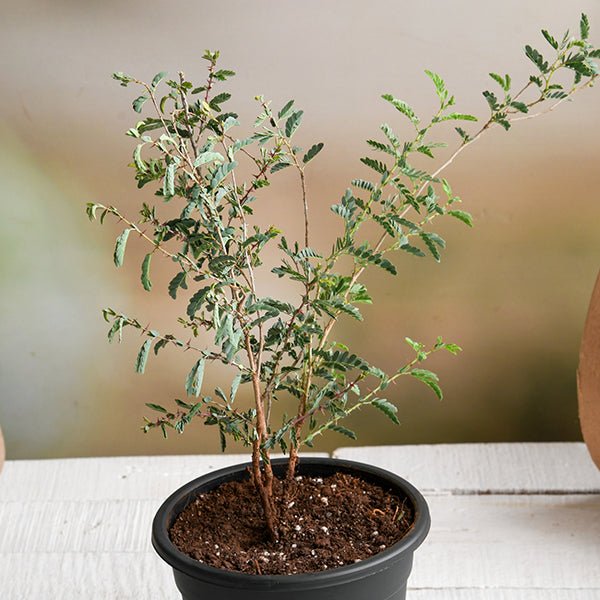
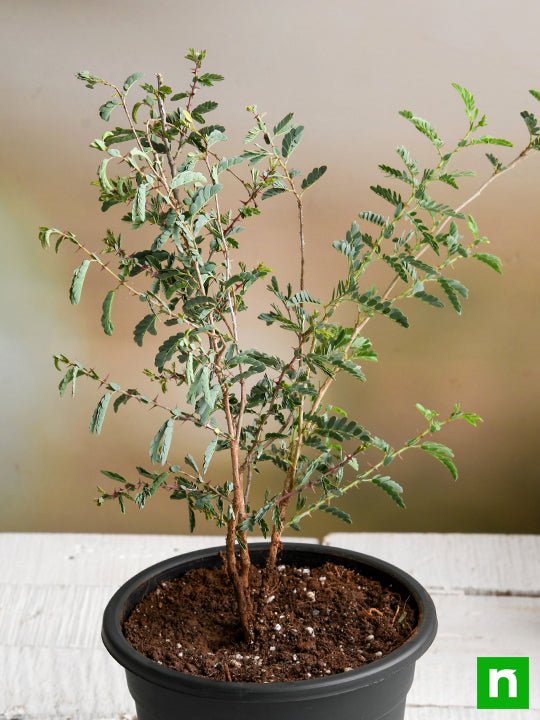
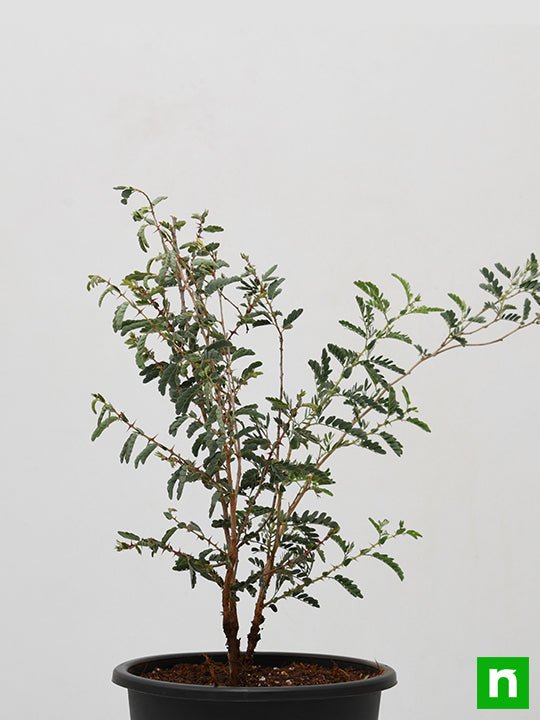
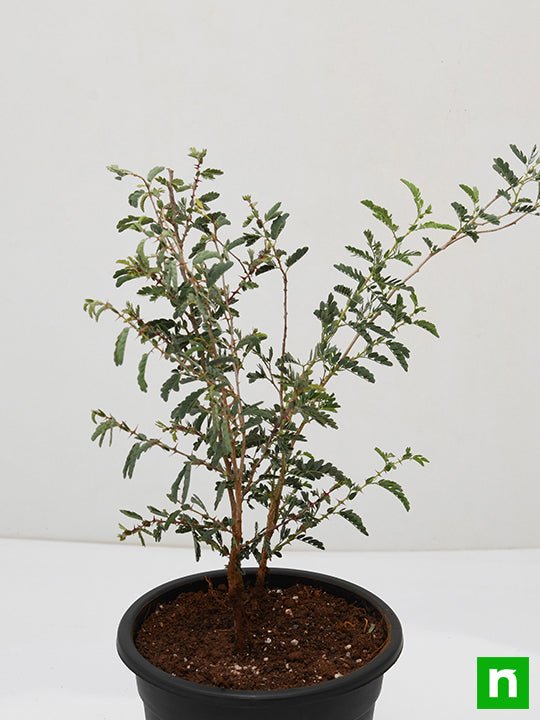
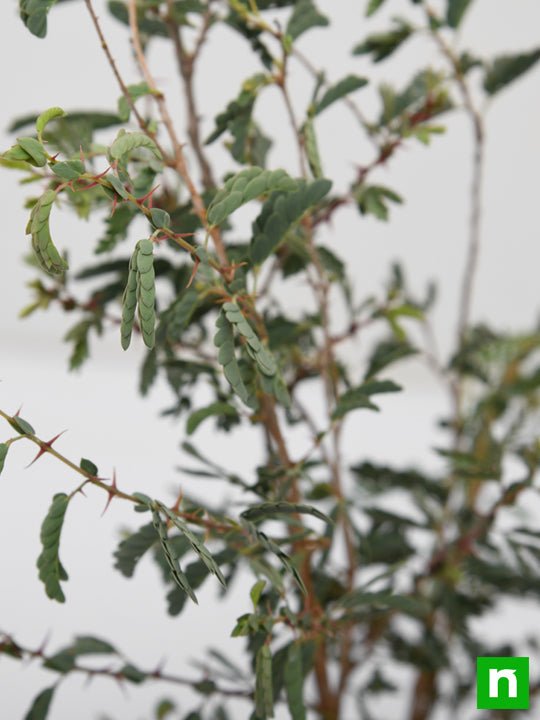
The Shami tree, scientifically known as *Prosopis cineraria*, is a remarkable plant native to the arid regions of Rajasthan, India. Revered for its resilience, this drought-resistant tree thrives in harsh climates, making it a symbol of endurance and sustainability. With its beautiful foliage and unique pods, the Shami tree not only enhances the landscape but also plays a crucial role in the local ecosystem.
What makes the Shami tree special is its cultural significance; it is considered sacred in Hinduism and is often associated with the festival of Karva Chauth. Additionally, its ability to fix nitrogen in the soil improves soil fertility, making it an essential component of sustainable agriculture in desert regions.
Special features of the Shami tree include its deep root system, which allows it to access underground water, and its ability to provide shade and shelter for various wildlife. The tree's pods are also a source of food for livestock, making it invaluable to local farmers.
Growing Instructions:
- Plant in well-drained sandy or loamy soil.
- Choose a sunny location with full sunlight exposure.
- Water sparingly; the Shami tree is drought-tolerant once established.
- Space plants at least 10-15 feet apart to allow for growth.
Care Instructions:
- Prune regularly to maintain shape and remove dead branches.
- Fertilize with organic compost once a year to enhance growth.
- Monitor for pests; use organic pesticides if necessary.
- Mulch around the base to retain moisture and suppress weeds.
Uses:
- Wood is used for making furniture and fuel.
- Pods can be used as fodder for livestock.
- Leaves are used in traditional medicine for various ailments.
- Planted for shade and ornamental purposes in gardens.
Fun Facts:
- The Shami tree can live for over 100 years, showcasing its longevity.
- It is often referred to as the "Tree of Life" in desert ecosystems.
- In ancient times, the Shami tree was used to make weapons and tools.
- Its ability to thrive in extreme conditions makes it a model for sustainable forestry practices.
Environmental Impact:
The Shami tree plays a vital role in combating desertification and improving soil health. By fixing nitrogen, it enriches the soil, promoting biodiversity and supporting other plant species. Its deep roots help prevent soil erosion, making it an essential ally in maintaining ecological balance in arid regions.
Coupons
Delivery
You may also like