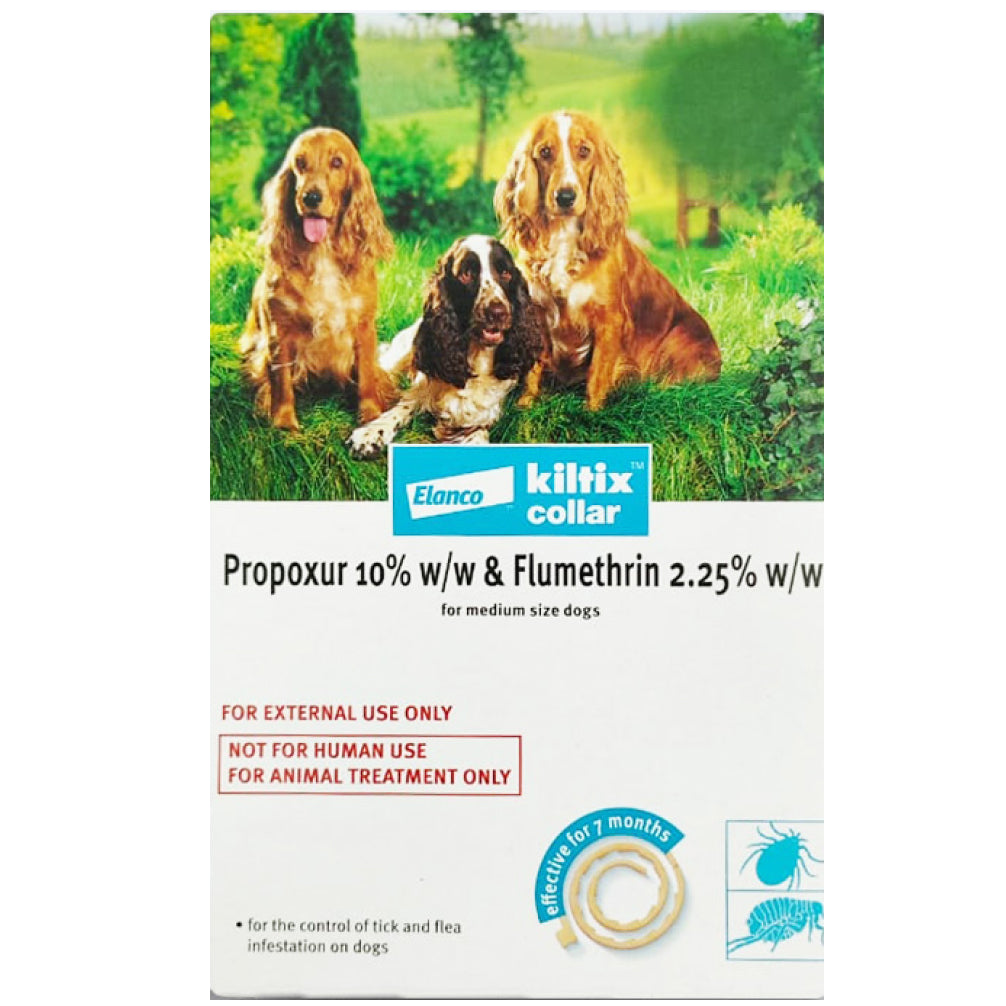
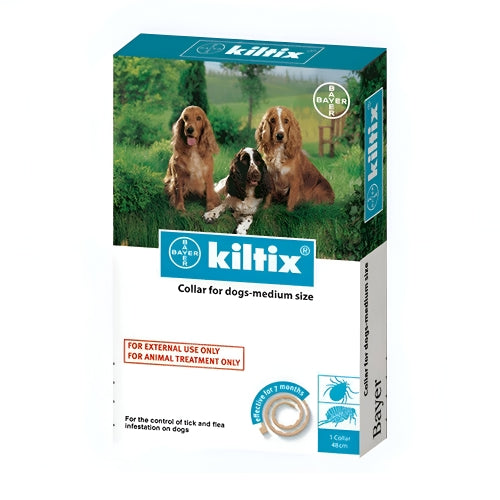
Elanco Kiltix Tick Collar for Small & Medium Sized Dogs
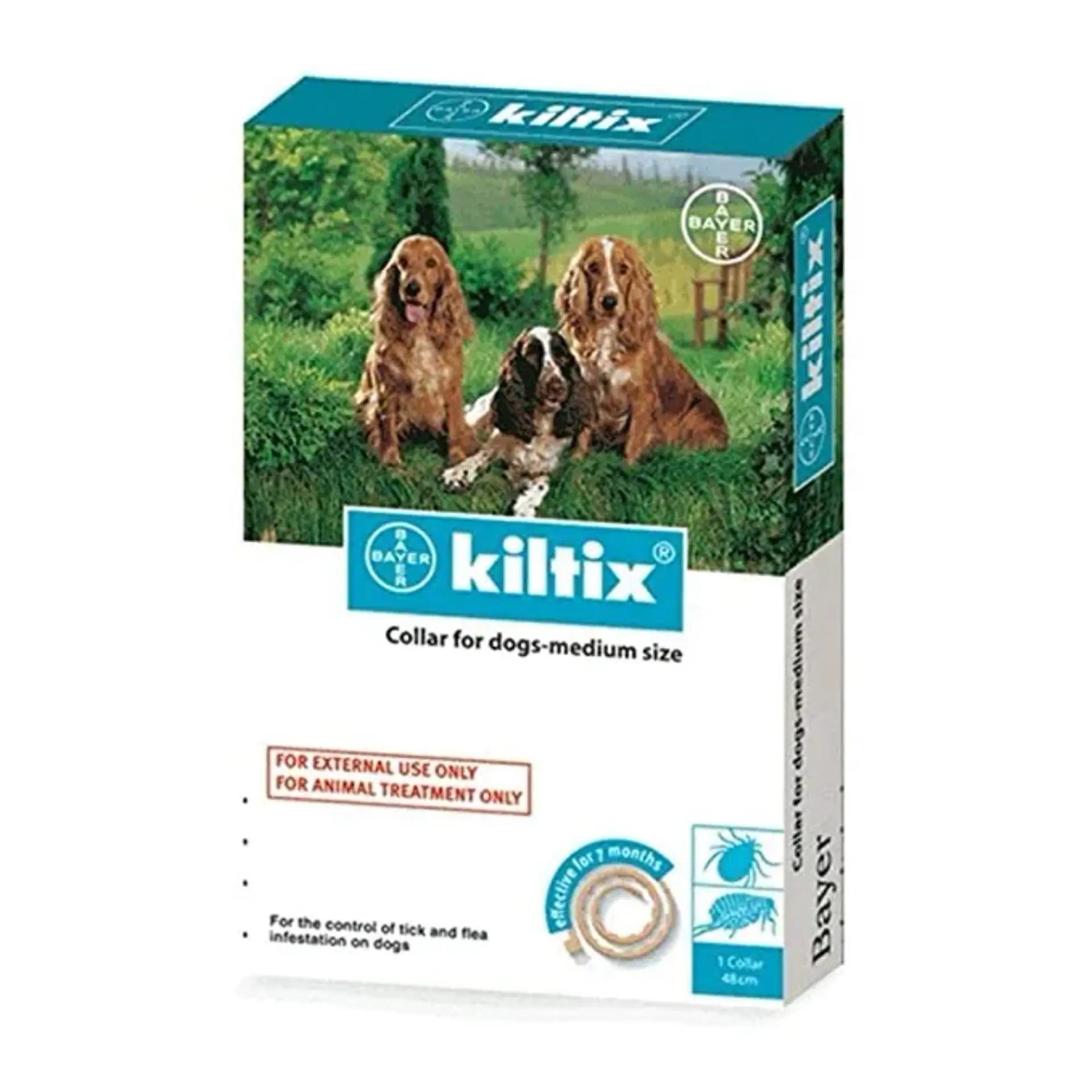
Bayer Kiltix Tick Collar for Small and Medium Dogs - 7 Months of Tick and Flea Protection. No Monthly Dosing.
Monthly spot-ons are effective - but they require remembering to apply them every single month without fail. Miss one month, and your dog has a gap in protection. For pet parents who want something more set-and-forget, the Bayer Kiltix Tick Collar offers a genuinely different approach: fit it once and your small or medium dog is protected against ticks and fleas for up to 7 months.
The Kiltix collar is a medicated, impregnated anti-tick collar for dogs - not just a collar with a mild repellent coating. It contains two active pharmaceutical ingredients that work together to both kill and repel ticks and fleas, continuously and steadily, from the day it's fitted until it's replaced. No monthly pipettes, no tablets, no remembering dates. Just consistent, long-running protection.
Originally developed and manufactured by Bayer Animal Health GmbH, Germany - now marketed under Elanco India Private Limited, Kolhapur, Maharashtra.
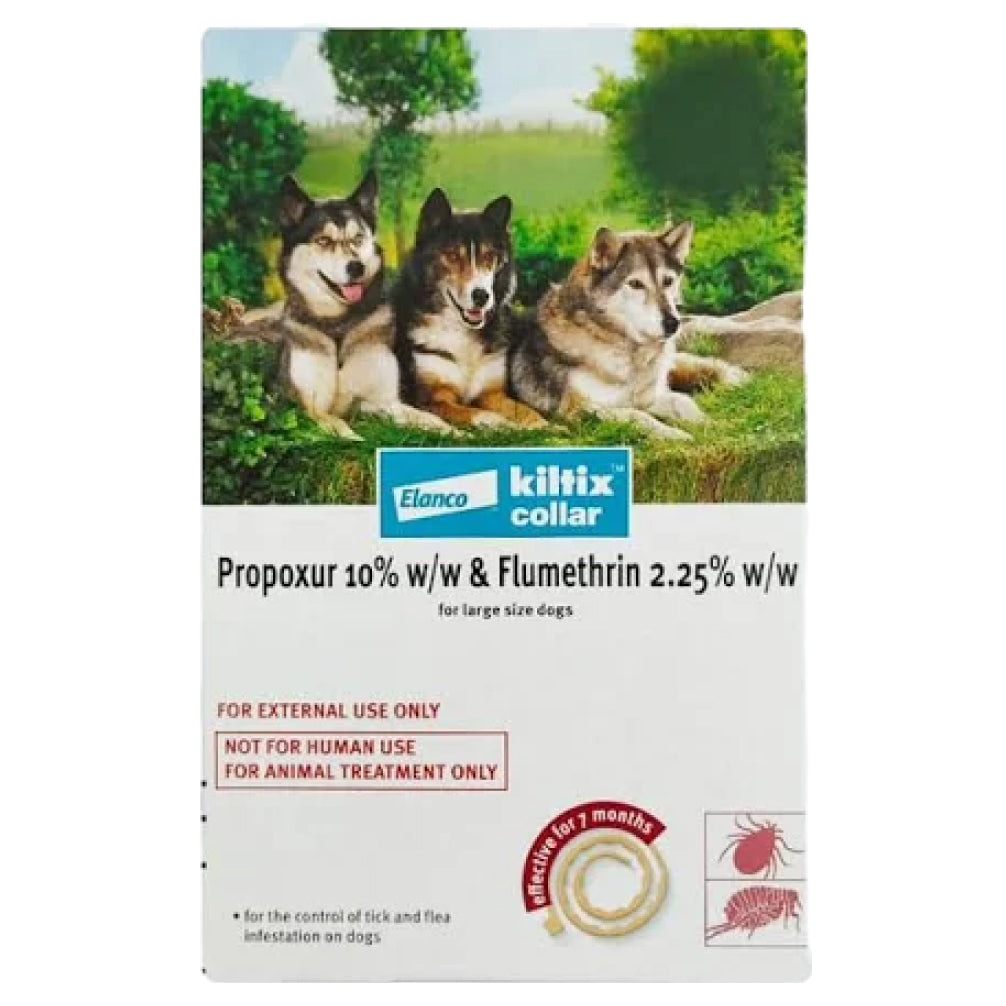
Each 10g of collar contains: Flumethrin (2.25% w/w) and Propoxur (10% w/w).
Designed for small and medium dogs. A separate variant is available for larger breeds - the Bayer Kiltix Tick Collar for Large and Giant Dogs.
What Are the Uses and Benefits of the Bayer Kiltix Tick Collar?
The Kiltix collar is indicated for the control and treatment of tick and flea infestations in dogs. Here's what it covers:
- Ticks - specifically the Brown Dog Tick (Rhipicephalus sanguineus) and the Castor Bean Tick (Ixodes ricinus), the two most common tick species affecting Indian dogs - are killed and repelled by the Flumethrin in the collar. What makes Flumethrin particularly effective is its repellent action, sometimes called the hot foot effect - ticks are deterred from even attaching to the coat, meaning fewer ticks make it to the skin to feed and potentially transmit disease. This is a meaningful advantage over treatments that only kill ticks after they've already attached.
- Fleas (Ctenocephalides canis and Ctenocephalides felis) are controlled by both the Propoxur and Flumethrin in the collar, providing ongoing flea population control across the 7-month wear period.
- Tick-borne disease prevention is the practical reason most Indian vets recommend a tick collar - particularly for dogs in cities with high Rhipicephalus sanguineus populations. By killing and repelling ticks before they can bite and feed, the Kiltix collar significantly reduces the risk of Ehrlichiosis, Babesiosis, and Anaplasmosis. For more on tick fever in Indian dogs and how serious it can get, the blog on tick fever in dogs - symptoms, treatment and prevention is essential reading.
- The 7-month duration and water-resistant design make the Kiltix collar particularly practical for Indian conditions - it holds up through light rain, puddle walks, and the post-monsoon months when tick populations are highest.
- For a broader understanding of the different flea and tick treatment formats available in India and how to choose between them, the blog on how to get rid of fleas and ticks from dogs and cats is a helpful reference.
What Are the Possible Side Effects?
- The Kiltix collar is generally well-tolerated by most small and medium dogs. Side effects are uncommon when the collar is fitted correctly and used as directed.
- Mild local skin irritation, redness, or hair loss at the collar contact area can occur in some dogs - particularly those with sensitive skin. If this happens, remove the collar and consult your vet before re-fitting.
- Some dogs may show signs of general irritation - repeated scratching at the collar area, head shaking, or restlessness - particularly in the first few days as they adjust to wearing it. This usually settles within 2-3 days. If it persists or is severe, remove the collar and speak to your vet.
- In the very unlikely event of ingestion - if your dog chews and swallows part of the collar - contact your vet immediately. Propoxur ingestion can cause neurological signs including tremors, excessive salivation, and breathing difficulties. This is an emergency.
- People with sensitivity to pyrethroids or carbamates should handle the collar with gloves and avoid skin contact.
How Should You Fit and Use the Kiltix Collar?
- Remove the collar from its sealed packaging immediately before use. The active ingredients begin releasing as soon as the collar is exposed to air - storing an opened but unfitted collar significantly reduces its effectiveness and wear period.
- Fit the collar loosely around your dog's neck. A correctly fitted collar allows you to slip two fingers underneath it comfortably. Too tight reduces your dog's comfort and can cause skin irritation. Too loose reduces the contact between the collar and the skin through which the active ingredients distribute.
- Cut off any excess collar length with scissors after fitting. Do not leave a long dangling end that your dog or another pet could chew.
- The collar starts working immediately after fitting and reaches full distribution across the coat within the first 1-2 days. Protection lasts up to 7 months from the date of fitting - mark the date on the packaging or set a reminder on your phone.
- The collar is water-resistant. It remains effective after light rain and puddle walking. However, for dogs who swim frequently or are bathed very often, each water exposure gradually reduces the collar's effective lifespan - vets generally advise removing the collar before swimming or bathing and refitting it after the coat is dry, to extend the protection period.
- Remove the collar when your dog is left unsupervised with other animals or young children, and when they're in environments where the collar could get caught on something. Refit it as soon as they're supervised again.
How Does the Kiltix Collar Work?
- The Kiltix collar works through a slow-release mechanism - the active ingredients are embedded within the collar material itself and slowly migrate to the surface as the collar wears. From the surface of the collar, they transfer to the skin and coat oils, spreading gradually over the dog's entire body.
- Flumethrin is a synthetic pyrethroid - one of the most effective tickicides in its class. It works by disrupting the sodium channels in a tick's nerve cells, causing uncontrolled nerve firing, paralysis, and death. Crucially, it also has a strong repellent effect - ticks that come into contact with Flumethrin on the coat are deterred from attaching and feeding in the first place. This repel-before-attachment action is what distinguishes the Kiltix from treatments that only kill ticks after they bite.
- Propoxur is a carbamate insecticide that works by inhibiting the enzyme Acetylcholinesterase in the nervous systems of fleas, lice, and other insects. Without this enzyme functioning properly, nerve signals cannot be switched off - causing continuous, uncontrolled nerve stimulation, paralysis, and death in the insect.
- Together, the two ingredients cover both the tick-killing and tick-repelling action, as well as flea and lice control - providing comprehensive, continuous external parasite protection from a single collar worn continuously for 7 months.
What Safety Advice Should You Know Before Using the Kiltix Collar?
- This collar is for dogs only. Do not use on cats - Propoxur can be harmful to cats and feline-specific products should be used instead.
- Do not use on puppies under 12 weeks of age. Their skin is more permeable and their systems are not ready for the active ingredients in this collar.
- Do not use on sick, convalescing, or severely debilitated dogs without vet clearance.
- Fit the collar correctly - not too tight, not too loose. Check the fit every few weeks, particularly on growing puppies and dogs who gain or lose weight during the wear period.
- Do not allow children to handle the collar. Keep children away from the collar after fitting, particularly young children who may put their hands in their mouths after touching it. Wash your own hands thoroughly after fitting the collar.
- The Kiltix collar is toxic to bees and fish. Do not allow dogs wearing the collar to swim in natural water bodies - rivers, ponds, and lakes - as the active ingredients can leach into the water and harm aquatic life.
- Persons sensitive to pyrethroids or carbamates should wear gloves when fitting and handling the collar.
- Dispose of used collars as special category waste - do not place in regular household bins. Contact your local waste management authority or veterinary clinic for disposal guidance.
- Store unused collars in the original sealed packaging below 30°C, away from direct sunlight and out of reach of children and other animals.
What If the Collar Is Removed or Lost?
- If the collar is removed for bathing, grooming, or supervision reasons, refit it as soon as possible. Each hour the collar is off is an hour without active protection on the coat. Brief removals for baths or grooming don't significantly affect the overall protection period, but habitual or lengthy removal shortens the effective coverage window.
- If the collar is lost or damaged beyond use, replace it immediately. Don't wait until the end of the original 7-month period - any gap in the collar creates a gap in protection, particularly during India's high-risk tick months.
- If the collar is chewed significantly or swallowed in part, contact your vet immediately - do not wait for symptoms to appear.
What Are All the Substitutes for the Bayer Kiltix Collar?
If the Kiltix collar is unavailable or your vet recommends a different format for your dog's lifestyle, here are other flea and tick protection options for small and medium dogs on Supertails:
| Product | Active Ingredient | Format | Duration |
|---|---|---|---|
| Bayer Kiltix Tick Collar for Large and Giant Dogs | Flumethrin + Propoxur | Collar | Up to 7 months (larger breed variant) |
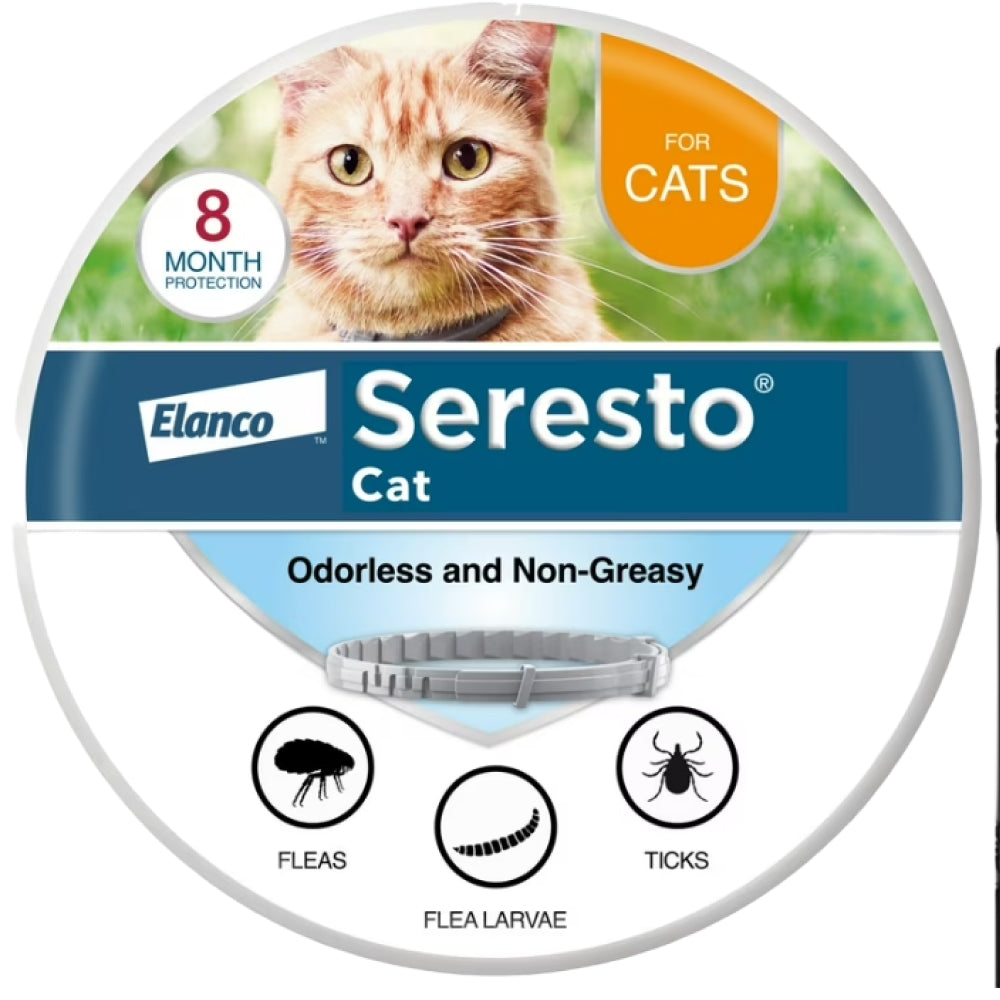
| Elanco Seresto Collar for Dogs Below 8 kg | Imidacloprid + Flumethrin | Collar | Up to 8 months |
| Elanco Seresto Collar for Dogs 8 kg and Above | Imidacloprid + Flumethrin | Collar | Up to 8 months |
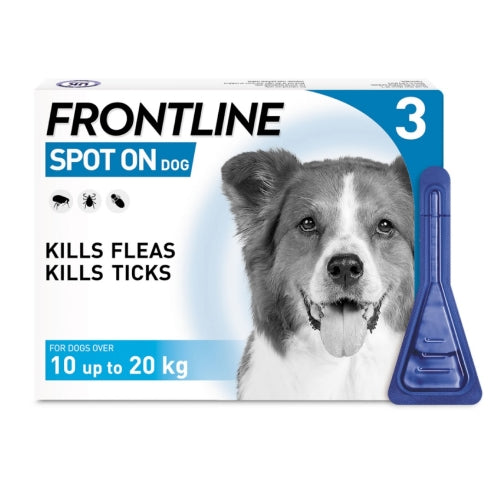
| Boehringer Ingelheim Frontline Plus Spot On for Medium Dogs (10-20 kg) | Fipronil + S-Methoprene | Spot On | 30 days per application |
| MSD Animal Health Bravecto Dog Tick and Flea Control Tablet | Fluralaner | Oral Chewable | Up to 3 months |
What Are Some Quick Tips for Getting the Most Out of the Kiltix Collar?
- Write the fitting date directly on the collar or on the packaging before you throw it away. Seven months passes faster than you think - knowing exactly when you fitted it tells you exactly when to replace it.
- Check the fit every few weeks. Dogs gain and lose weight, coats thicken and thin with seasons, and a collar that fits perfectly in October may be too tight or too loose by January.
- Remove the collar before bathing or swimming and refit once the coat is fully dry. Each water exposure reduces the total lifespan of the collar's protection - this simple habit extends how long each collar lasts.
- If you have multiple pets at home, fit all dogs on the same day and note all fitting dates together. This makes it easy to track when each collar needs replacing without relying on memory.
- The collar is most effective in combination with regular post-walk tick checks - particularly during monsoon and post-monsoon months. Run your fingers through your dog's coat after every outdoor walk, paying attention to the neck, ears, between the toes, and around the tail. The collar kills and repels, but manual checking ensures nothing slipped through. The blog on how to identify and remove ticks from your dog shows the correct removal technique.
- Don't remove the collar and store it overnight thinking it'll last longer. Once opened, the collar begins releasing its active ingredients and the clock on its effectiveness begins - removing and refitting frequently disrupts the distribution across the coat without meaningfully extending the collar's life.
Vets Also Recommend...
- The full dog fleas and ticks collection brings together all vet-approved flea and tick treatments - collars, spot-ons, oral tablets, shampoos, and sprays - so you can compare formats and build the right protection strategy for your dog's lifestyle.
- For dogs with high tick exposure who need additional protection beyond a collar during peak season, the dog tick and flea shampoo collection has anti-tick shampoos that can be used alongside the collar during bath time for an additional knock-down effect on any ticks currently present.
- For dogs who've had tick-borne illness, are recovering from tick fever, or have recurring tick problems, the dog health and wellness collection has immune support and recovery supplements worth discussing with your vet.
- The pharmacy tick and flea control for dogs collection brings together all pharmaceutical-grade tick and flea treatments - including collars, spot-ons, and oral options - in one place for easy comparison.
- And if you'd like a vet to advise on the best complete tick and flea prevention plan for your specific dog's breed, size, lifestyle, and health history - Supertails' online vet consultation service is available whenever you need it.
Disclaimer: Supertails' sole intention is to ensure that its consumers get information that is expert-reviewed, accurate, and trustworthy. However, the information contained herein should NOT be used as a substitute for the advice of a qualified physician. The information provided here is for informational purposes only. This may not cover everything about particular health conditions, lab tests, medicines, all possible side effects, drug interactions, warnings, alerts, etc. Please consult your doctor and discuss all your queries related to any disease or medicine. We intend to support, not replace, the doctor-patient relationship.
Fit It Once. Forget the Monthly Reminders. Protect Your Dog for 7 Months.
The Bayer Kiltix Tick Collar is for pet parents who want effective, continuous flea and tick protection without the monthly routine. One collar. Seven months of killing and repelling ticks and fleas around the clock, rain or shine, walk after walk.
For small and medium dogs in Indian conditions - where ticks are genuinely year-round and tick fever is a real risk - the Kiltix collar is one of the most practical, consistent protection tools you can add to your dog's routine. Shop the Bayer Kiltix Tick Collar for Small and Medium Dogs on Supertails and get it delivered to your door.
FAQs
How long does the Bayer Kiltix collar protect my dog?
The Kiltix collar provides up to 7 months of continuous tick and flea protection from the date it's fitted. To get the full 7-month protection, wear it continuously - frequent removal for bathing or swimming reduces the total effective lifespan. Mark the fitting date on the packaging so you know exactly when to replace it.
When does the Kiltix collar start working?
The collar begins releasing its active ingredients immediately after being fitted and opened. Within 1-2 days, the ingredients distribute through your dog's coat and skin oils to cover the entire body. For dogs with a current active tick infestation, your vet may recommend using a knock-down treatment first - such as an anti-tick shampoo - before fitting the collar for ongoing prevention.
Can I use the Kiltix collar alongside a spot-on treatment?
Using multiple topical antiparasitic products simultaneously is generally not recommended without vet guidance, as it can increase the risk of skin reactions and excess active ingredient exposure. If you're transitioning from a spot-on to the collar - or want to use both - speak to your vet first. They'll advise based on your dog's specific situation and tick exposure level.
Is the Kiltix collar safe to use around children?
The collar should not be handled by children. Once fitted on your dog, keep the collar area away from young children who may touch it and put their hands in their mouths. Adults should wash their hands thoroughly after fitting or adjusting the collar. If a child swallows any part of the collar, seek medical attention immediately.
What should I do if my dog chews and swallows part of the collar?
Contact your vet immediately. Propoxur ingestion can cause neurological symptoms - tremors, excessive drooling, uncoordinated movement - that require prompt veterinary attention. Do not wait for symptoms to appear before calling. Take the packaging with you to the vet so they can see the exact composition and quantities involved.
Can I use this collar on my puppy?
The Kiltix collar is safe for puppies from 12 weeks of age. Do not use on puppies younger than this. Check the fit carefully as puppies grow - what fits at 12 weeks may be too tight at 16 weeks. Inspect the fit every 2 weeks in young, fast-growing puppies.
Should I remove the collar before bathing my dog?
Yes - it's recommended. While the collar is water-resistant and will survive light rain and puddle walking, submersion during bathing accelerates the leaching of active ingredients and reduces the total protection lifespan. Remove the collar before bathing, dry your dog's neck area fully, and refit it. This simple habit significantly extends how long each collar lasts.
Is the Kiltix collar suitable for my dog if they swim regularly?
The collar can survive light, incidental water exposure, but is not designed for frequent submersion. For dogs who swim several times a week - whether in pools, rivers, or the sea - the collar's effective lifespan will be significantly shorter than 7 months, and the active ingredients may leach into natural water bodies which can harm aquatic life. For frequently swimming dogs, a monthly spot-on or oral treatment may be a more practical and environmentally responsible choice. Speak to your vet about the best format for your dog's specific lifestyle.
Delivery
You may also like