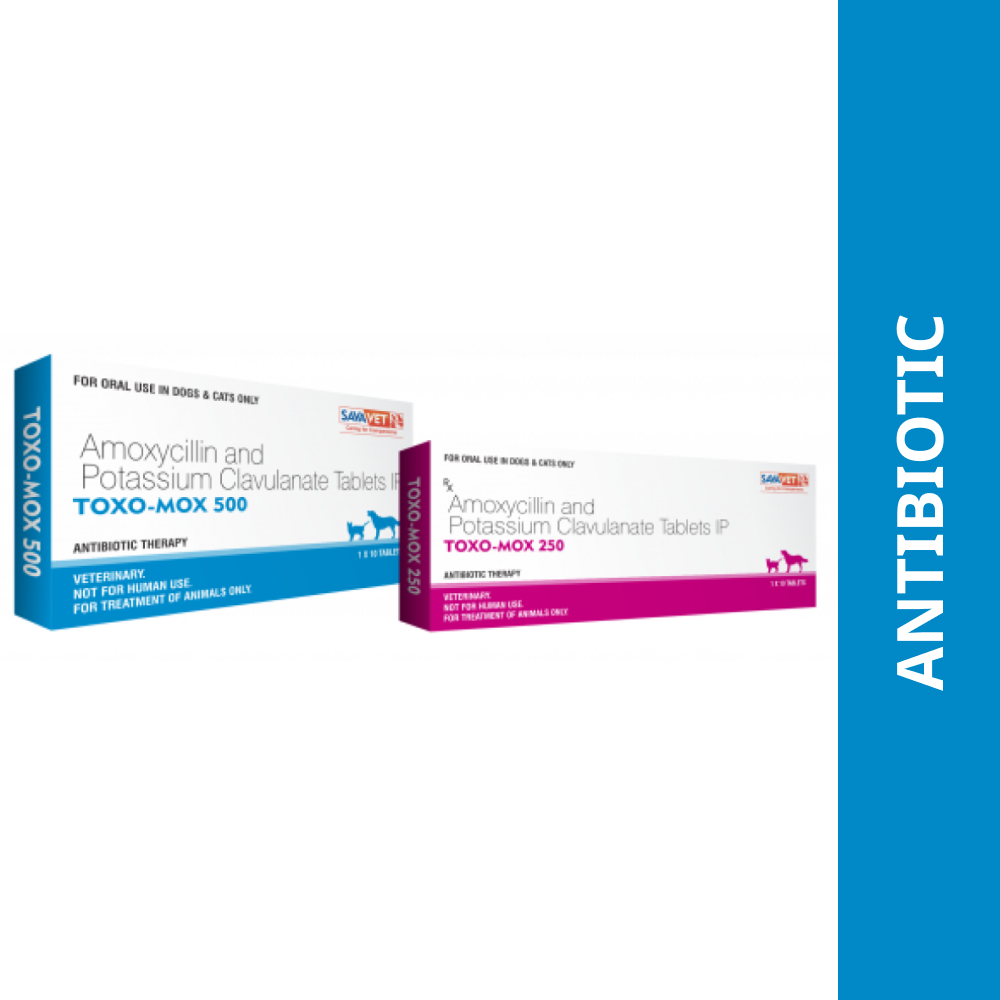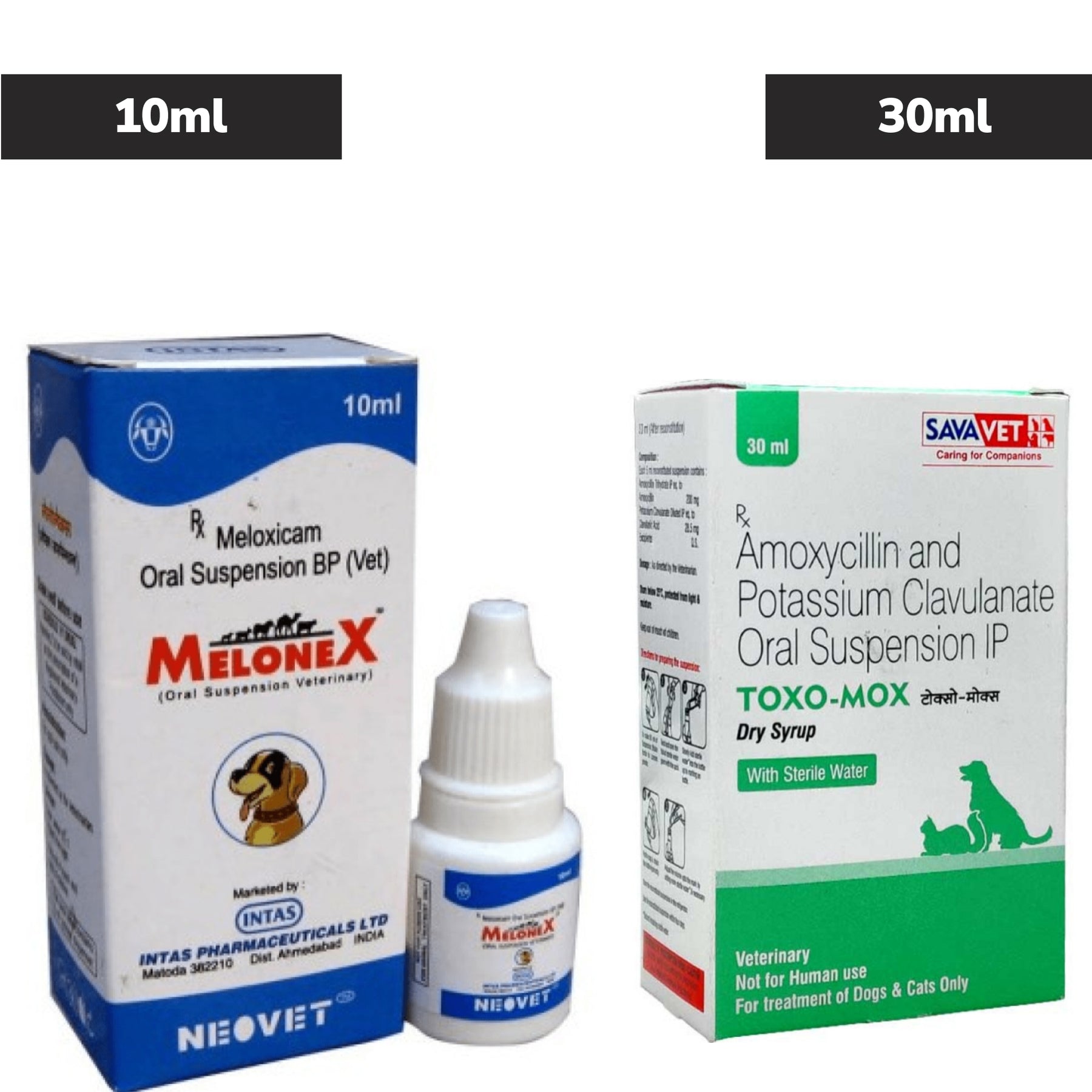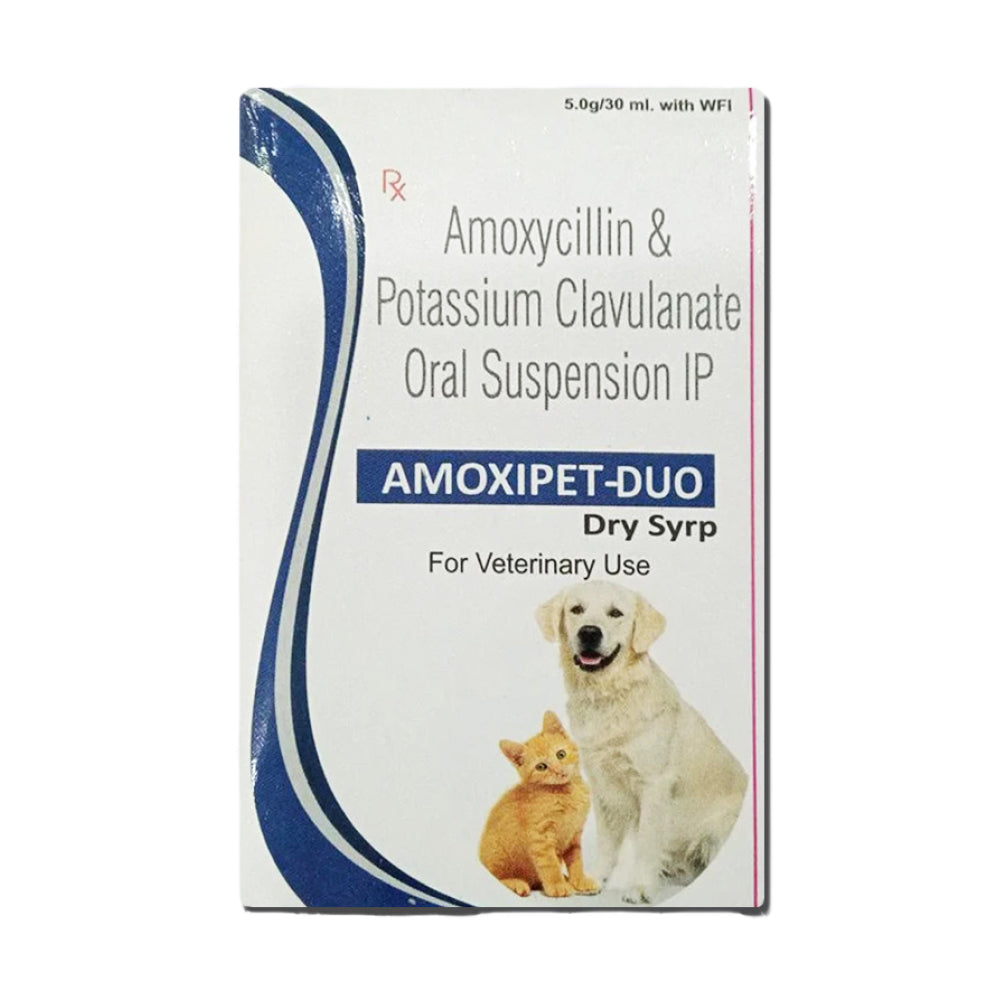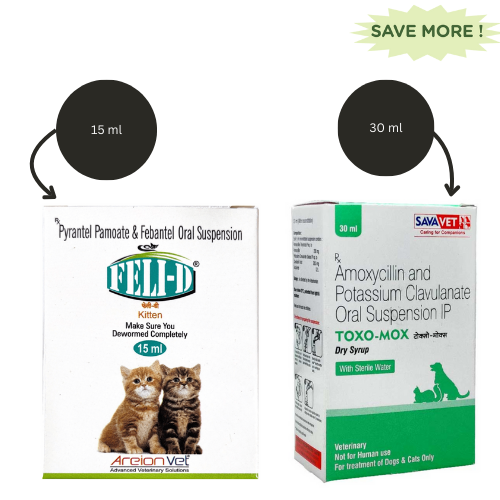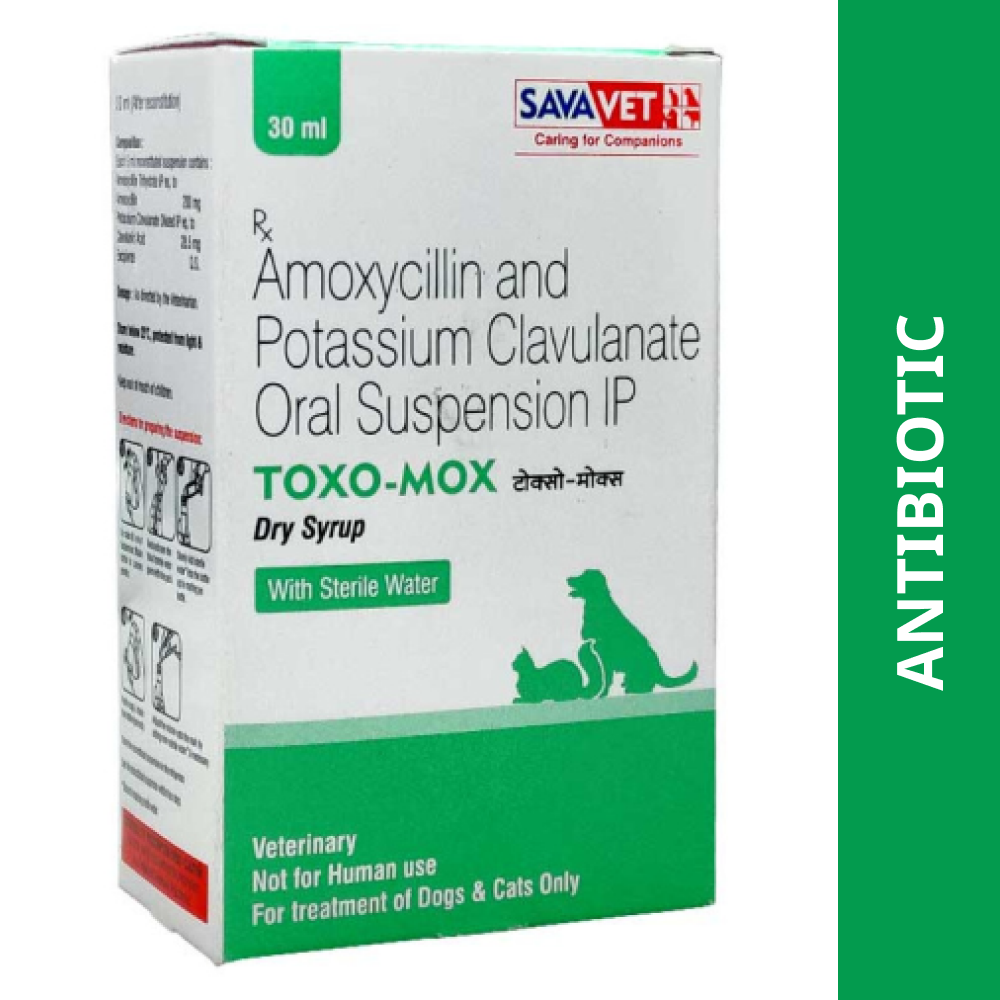
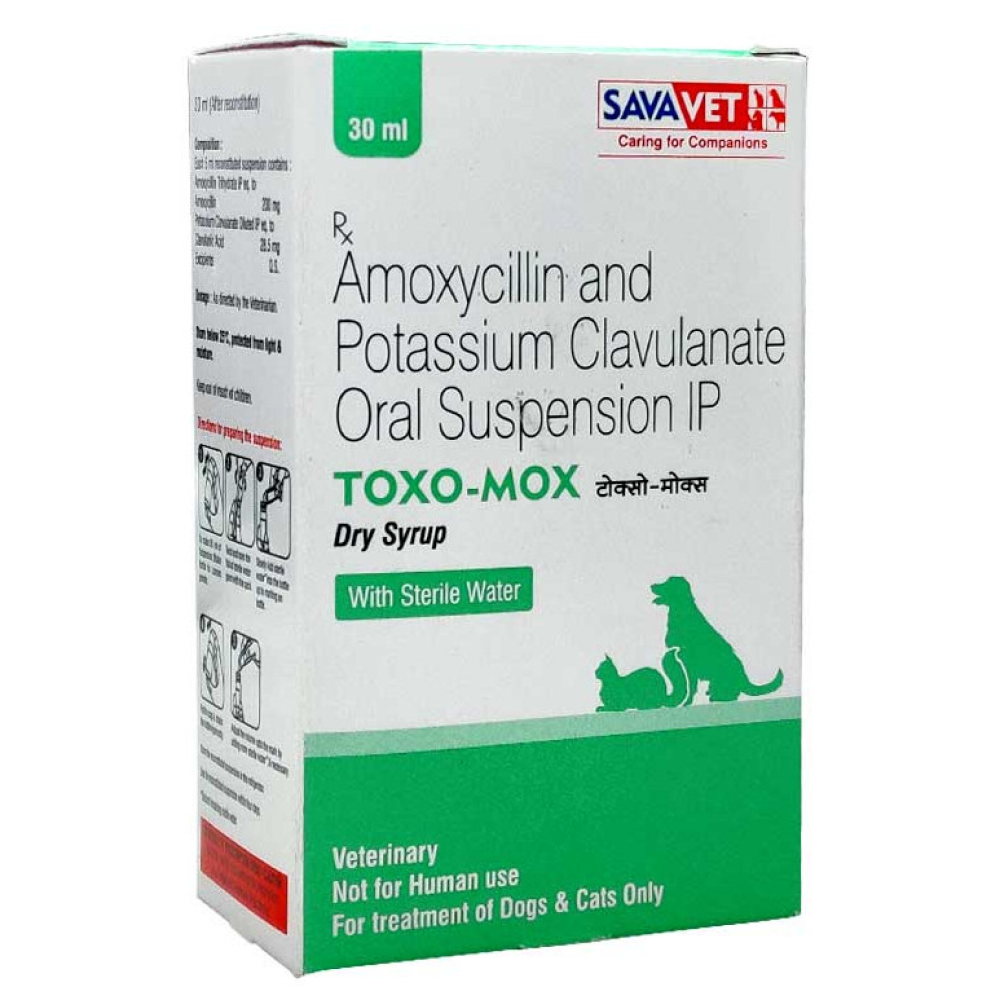
Savavet Toxo Mox Dry Syrup (30ml)
Savavet Toxo Mox Dry Syrup for Dogs and Cats - A Broad-Spectrum Antibiotic in a Format Your Pet Will Actually Take
When your pet is unwell - running a fever, fighting a skin infection, struggling with a respiratory illness, or recovering from a wound that's showing signs of infection - the last thing you want is a battle at medicine time. Tablets that get spat out. Liquids that get shaken off. The Savavet Toxo Mox Dry Syrup exists to solve exactly this problem. It's a broad-spectrum antibiotic in suspension form - prepared fresh at home, easy to measure precisely, and easy to administer directly into the mouth or mixed into food without a fight.
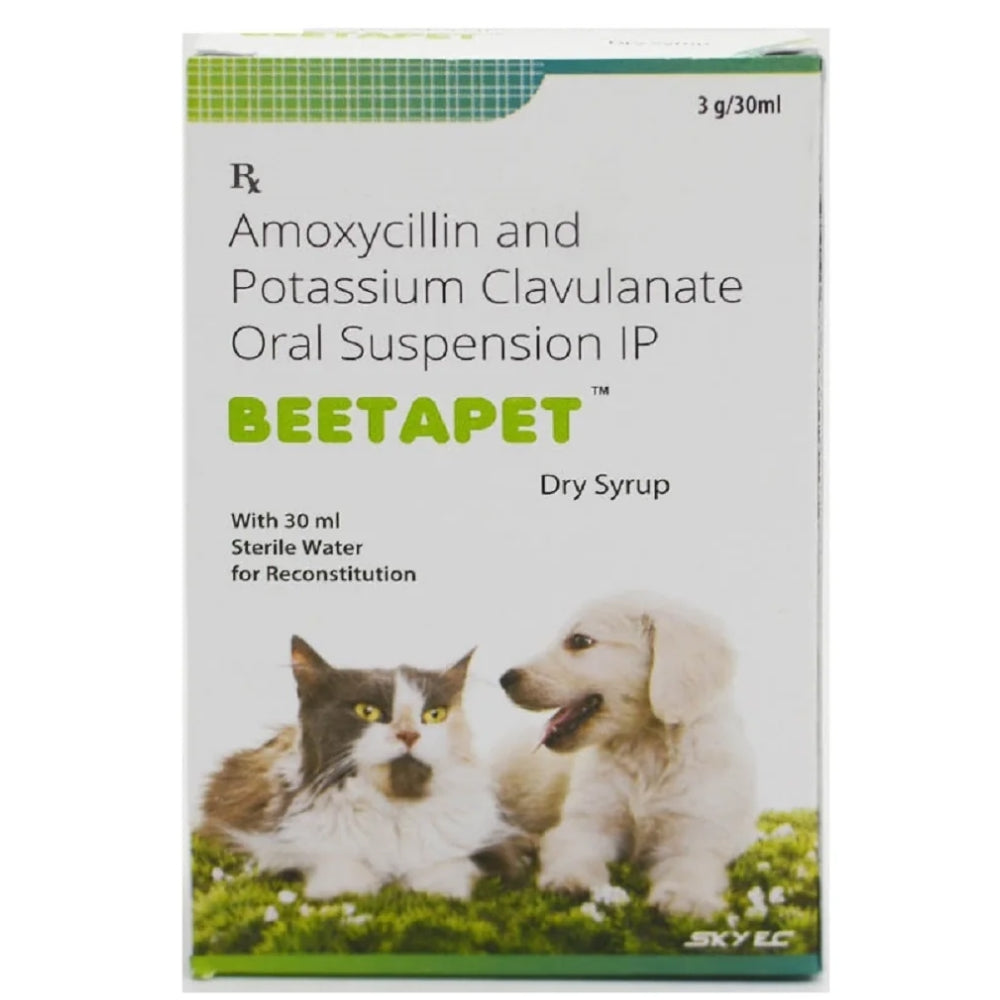
The Toxo Mox Dry Syrup is a combination antibiotic manufactured by Finecure Pharmaceuticals Ltd. and marketed in India by Sava Healthcare Limited, a trusted name in Indian veterinary pharmaceuticals. It combines two active ingredients - Amoxycillin and Clavulanic Acid - that work together to cover a significantly wider range of bacterial infections than amoxicillin alone, including infections caused by bacteria that have developed resistance to standard penicillin-type antibiotics.
Each 5 ml of reconstituted suspension contains: Amoxycillin (200 mg) and Clavulanic Acid (28.5 mg).
This is a prescription medication. It must be used only under veterinary supervision - the dose, frequency, and duration of treatment are determined by your vet based on your pet's weight, the type of infection, and the results of any diagnostic tests done.
What Are the Uses and Benefits of Savavet Toxo Mox Dry Syrup?
The Toxo Mox Dry Syrup is indicated for a wide range of bacterial infections in dogs and cats. Here's what it covers:
- Skin and soft tissue infections - including pyoderma (bacterial skin infections, one of the most common conditions seen in Indian dogs), wounds, abscesses, cellulitis, and dermatitis with a confirmed bacterial component. The suspension format is particularly useful for pets with skin or wound infections who are also difficult to tablet. For a broader understanding of bacterial skin infections in dogs and how to identify them early, the blog on how to spot and treat skin infections in dogs is a helpful read.
- Respiratory tract infections - including pneumonia and upper respiratory infections in cats, where amoxicillin-clavulanate is one of the most commonly prescribed first-line antibiotics by vets across India. Dogs with bacterial bronchitis or lower respiratory infections also benefit from this combination.
- Urinary tract infections (UTIs) - including cystitis and susceptible urinary tract bacteremia in dogs. UTIs in dogs, particularly female dogs, are common and often respond well to amoxicillin-clavulanate when the causative bacteria are susceptible.
- Gastrointestinal and intestinal infections with a confirmed bacterial cause - including enteritis caused by susceptible organisms.
- Dental and periodontal infections - amoxicillin-clavulanate is one of the go-to antibiotics for dental infections in small animals, used before and after dental procedures where bacterial contamination is a concern.
- Post-surgical or post-wound infections where beta-lactamase-producing bacteria are suspected or confirmed - the addition of clavulanic acid specifically addresses infections from bacteria like Staphylococcus that produce enzymes to destroy standard penicillin antibiotics.
- For a comprehensive guide on when antibiotics are appropriate for pets and how they work, the Supertails blog on antibiotics for dogs and cats - a pet parent's complete guide is a valuable reference.
What Are the Possible Side Effects?
- Amoxycillin-Clavulanic Acid is generally well-tolerated by dogs and cats. Most pets complete a full course without any significant side effects. When reactions do occur, they are most commonly related to the digestive system:
- Vomiting, loose stools or diarrhoea, and a temporary reduction in appetite are the most commonly reported side effects. These are often mild and tend to settle as the course continues. Giving the suspension with a small amount of food significantly reduces the chance of digestive upset - this is recommended wherever possible.
- Because antibiotics alter the gut's natural bacterial environment, antibiotic-associated diarrhoea can occasionally occur - a temporary disruption of the gut flora rather than a direct drug toxicity. This typically resolves after the course is completed. Your vet may recommend a probiotic alongside the antibiotic course to support gut health during treatment.
- Allergic reactions to amoxycillin or clavulanic acid are rare but possible. If your pet shows any of the following after starting the suspension - difficulty breathing, facial swelling, hives, skin rash, sudden fever, or pale gums - stop the medication immediately and contact your vet without delay. Allergic reactions can develop at any point during the course, not just at the beginning, so vigilance throughout treatment is important.
- An important note: if your cat completely stops eating during the course, contact your vet promptly. In cats especially, complete appetite loss for more than 24-48 hours can lead to secondary liver complications that require medical attention.
- At the correct prescribed dose, serious side effects are uncommon. If anything about your pet's response to the medication concerns you, contact your vet rather than waiting.
How Should You Give Toxo Mox Dry Syrup to Your Pet?
- The first step is reconstitution - preparing the suspension from the dry powder. Add the sterile water provided in the pack to the bottle of dry powder up to the marked level. Close the bottle and shake well until the powder is fully dissolved and the suspension is uniform. The suspension is now ready to use.
- Dosing is always as prescribed by your vet. The dose will be calculated based on your pet's body weight and the type and severity of infection being treated. General guidance used by vets is in the range of 10-25 mg/kg of body weight, given two to three times daily - but follow your vet's specific instructions precisely, not general guidelines.
- Use the measuring dropper or syringe your vet provides or recommends to measure the exact dose each time. Do not estimate by eye.
- The suspension can be given directly into the side of your pet's mouth using a syringe, or mixed into a small portion of food. If mixing with food, ensure the full portion - and therefore the full dose - is consumed before offering any more food.
- Always complete the full course prescribed by your vet, even if your pet appears to have fully recovered before the course ends. Stopping early is one of the most common causes of antibiotic resistance - surviving bacteria can rebound and the infection can return, sometimes harder to treat than the first time.
- After reconstitution, store the suspension in the refrigerator and use it within 7 days. Shake well before each use.
How Does Toxo Mox Dry Syrup Work?
- The Toxo Mox suspension works through two active ingredients that function as a team - each enhancing the effectiveness of the other.
- Amoxycillin is a broad-spectrum, semi-synthetic penicillin antibiotic. It works by interfering with the construction of the bacterial cell wall - specifically by blocking the cross-linking of peptidoglycan chains that give the cell wall its structural strength. Without a functional cell wall, bacteria cannot maintain their shape or integrity, and they burst and die. Amoxycillin is effective against a wide range of gram-positive and gram-negative bacteria - but on its own, it is vulnerable to an enzyme called beta-lactamase that certain bacteria produce specifically to destroy penicillin-type antibiotics before they can work.
- Clavulanic Acid addresses this resistance mechanism directly. It is a beta-lactamase inhibitor - it binds to and inactivates the beta-lactamase enzyme produced by resistant bacteria, preventing it from breaking down the amoxycillin. By protecting the amoxycillin in this way, clavulanic acid significantly expands the range of bacteria the combination can effectively treat - including bacteria like Staphylococci that would otherwise be resistant to amoxycillin alone.
- The result is a combination that covers a broader bacterial spectrum than amoxycillin alone and is specifically effective against beta-lactamase-producing resistant infections - which is why amoxycillin-clavulanate combinations are among the most commonly prescribed antibiotics in veterinary medicine in India and globally.
What Safety Advice Should You Know Before Using Toxo Mox Dry Syrup?
- Always use under veterinary supervision. This is a prescription antibiotic and should never be self-prescribed or given based on a previous prescription for a different infection or a different pet. The type of bacteria, the dose, and the duration all need to be determined by a vet.
- Do not use it on pets with a known allergy to amoxycillin, clavulanic acid, or any other penicillin-type antibiotic. If your pet has had a reaction to a penicillin antibiotic in the past, inform your vet before they prescribe Toxo Mox.
- Do not give this suspension to rabbits, guinea pigs, chinchillas, hamsters, gerbils, or prairie dogs - amoxycillin-clavulanate can cause serious, potentially fatal disruption to the gut flora of these small herbivorous animals. It is safe for dogs and cats only.
- Drug interactions to be aware of: do not use alongside other antibiotics such as chloramphenicol, erythromycin, sulfonamides, or tetracyclines without explicit vet guidance - these can work against the action of amoxycillin-clavulanate and reduce effectiveness. If your pet is on methotrexate (a cancer medication), inform your vet before starting Toxo Mox - the combination can cause methotrexate to reach toxic levels. If your pet is on warfarin or any blood-thinning medication, inform your vet - the combination can increase bleeding risk.
- If your pet has known kidney or liver disease, inform your vet before use. Side effects may last longer and the dose may need adjustment.
- People with penicillin allergies should handle the medication with care - wash hands after administering and avoid skin contact where possible.
- Wash hands after each administration. Store dry powder below 25°C in a cool, dry place away from light. After reconstitution, refrigerate and use within 7 days. Keep out of reach of children and other animals.
What Should You Do If You Miss a Dose?
- Antibiotic effectiveness depends on maintaining consistent drug levels in the body throughout the course. Missing doses creates gaps that allow surviving bacteria to recover and potentially develop resistance.
- If you miss a dose, give it as soon as you remember - unless it is nearly time for the next scheduled dose, in which case skip the missed one and continue from the next. Never give two doses at the same time to make up for a missed one.
- Setting two or three phone alarms corresponding to the dosing frequency your vet has prescribed - twice or three times daily - is the most reliable way to stay on schedule. If you're prone to forgetting, tying the dose to a fixed meal time (breakfast, lunch, dinner) makes it easier to remember.
- If you miss multiple doses, contact your vet - they may need to reassess whether the course duration needs to be extended to ensure the infection is fully cleared.
What Are All the Substitutes for Savavet Toxo Mox Dry Syrup?
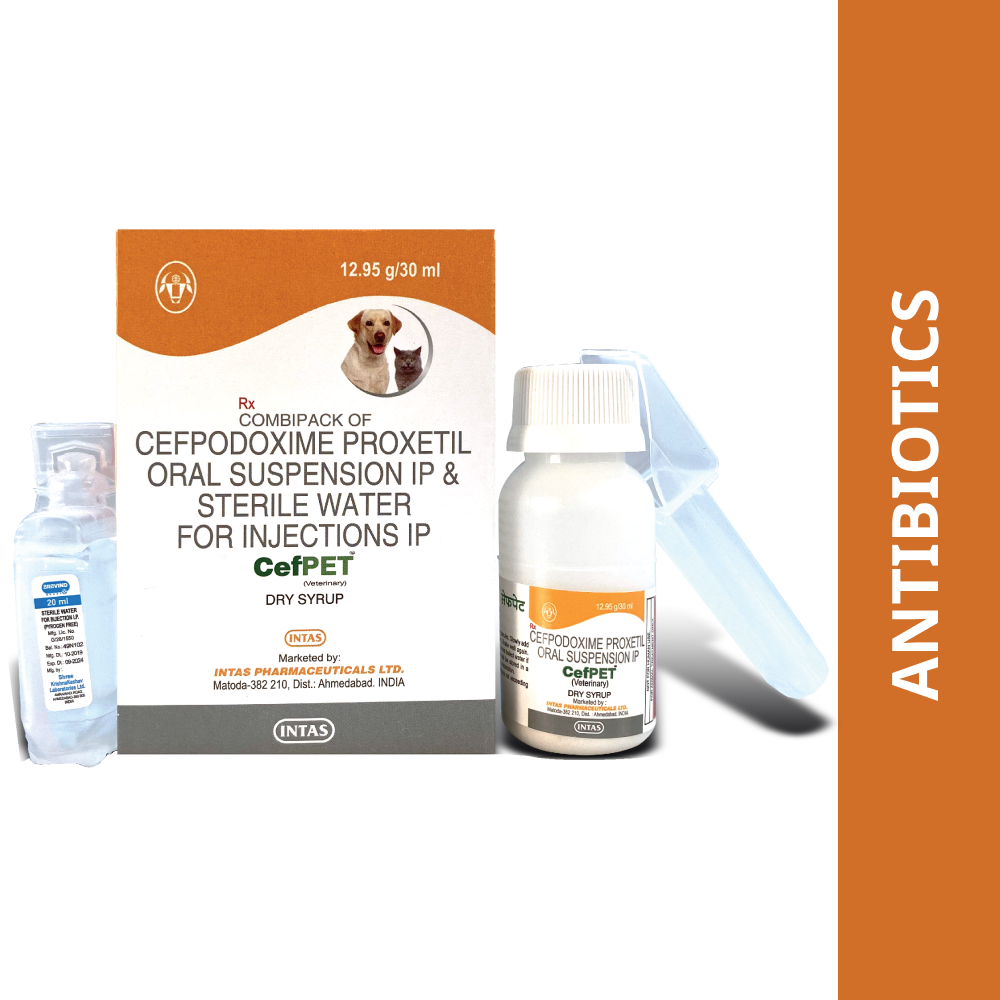
If the Toxo Mox Dry Syrup is unavailable or your vet recommends a different antibiotic based on your pet's culture and sensitivity results, here are other antibiotic options for dogs and cats available on Supertails. Always confirm with your vet before switching - the choice of antibiotic is based on the type of bacteria involved, not just preference.
| Product | Active Ingredient | Form |
|---|---|---|
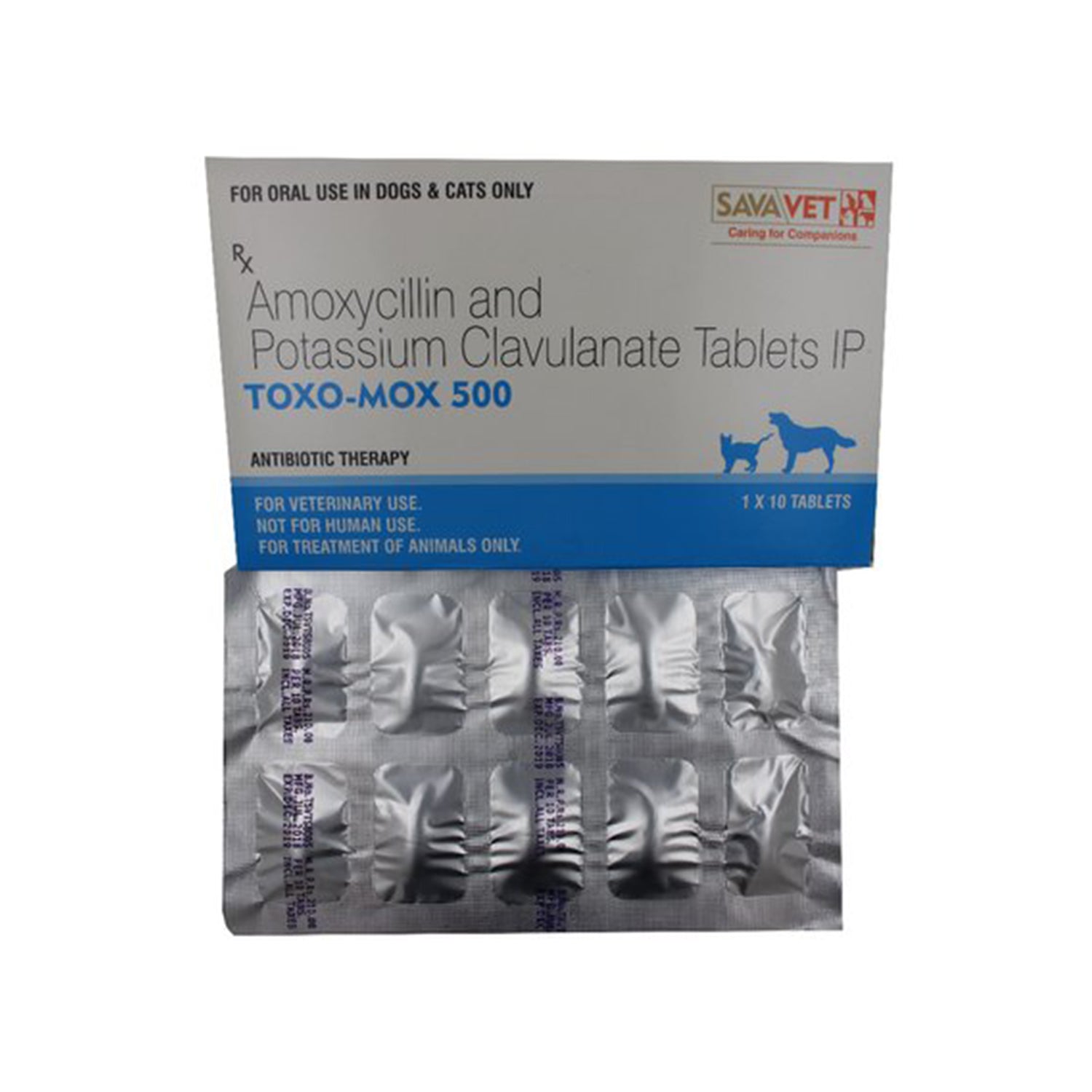
| Savavet Toxo Mox Amoxicillin + Clavulanate Tablet for Dogs & Cats | Amoxycillin + Clavulanic Acid | Tablet (same drug, different form) |
| Veko Clavpet 500mg Tablet for Dogs & Cats | Amoxycillin + Potassium Clavulanate | Tablet |
| Neo Kumfurt Petclav 500mg Tablet for Dogs & Cats | Amoxycillin + Potassium Clavulanate | Tablet |
| Savavet Ataxin Enrofloxacin Tablet for Dogs & Cats | Enrofloxacin | Tablet (different antibiotic class) |
| Vetoquinol Meriquin 50mg Enrofloxacin Tablet for Dogs & Cats | Enrofloxacin | Tablet (different antibiotic class) |
What Are Some Quick Tips for Getting the Most Out of Toxo Mox Dry Syrup?
- Shake the reconstituted bottle well before every single dose. The active ingredients can settle to the bottom between uses - giving an un-shaken dose means your pet could get less drug than intended in the early doses and more than intended later in the bottle.
- Use the syringe or dropper to measure precisely. The dosing range for amoxycillin in pets is narrow enough that eyeballing the amount introduces meaningful error. Accurate dosing is the foundation of an effective antibiotic course.
- Give with food wherever possible. The suspension is significantly better tolerated when administered alongside or immediately after a small meal. It reduces the chance of vomiting, which - beyond being unpleasant - also means the dose wasn't absorbed and may need to be repeated.
- Never stop the course early because your pet seems better. Bacterial infections often produce visible symptoms because of a large number of bacteria - the antibiotic brings that number down quickly, making your pet feel better, but a smaller residual population can remain. Stopping early allows those survivors to multiply again, often creating a more resistant secondary infection.
- Do not use leftover suspension from a previous prescription for a new illness without consulting your vet. Different infections are caused by different bacteria, and what worked last time may not be appropriate this time. And reconstituted suspension has a 7-day shelf life - after that, it should be discarded safely.
- Do not use human amoxycillin-clavulanate formulations (such as Augmentin) on your pets. The ratio of amoxycillin to clavulanic acid in human formulations is different from veterinary formulations, and using the wrong ratio is not equivalent to using the veterinary product.
What Do Vets Also Recommend?
- The full antibiotics and antifungals for dogs collection and the antibiotics and antifungals for cats collection bring together all vet-approved antibiotic and antifungal options available in India, so you can explore alternatives if your vet recommends switching.
- For dogs or cats recovering from skin infections or wounds alongside an antibiotic course, the wound care medicines collection has topical sprays, creams, and ointments to complement oral treatment.
- The dog health and wellness and cat health and wellness collections have gut support supplements and probiotics that many vets recommend alongside antibiotic courses - since antibiotics can temporarily disrupt your pet's natural gut bacteria, a probiotic helps restore balance during and after treatment.
- For cats recovering from respiratory infections or dogs managing recurring skin conditions, your vet may also recommend a follow-up skin culture or respiratory workup. Supertails' online vet consultation service is available whenever you need expert input - for diagnosis, prescription, dose guidance, or follow-up.
Disclaimer: Supertails' sole intention is to ensure that its consumers get information that is expert-reviewed, accurate, and trustworthy. However, the information contained herein should NOT be used as a substitute for the advice of a qualified physician. The information provided here is for informational purposes only. This may not cover everything about particular health conditions, lab tests, medicines, all possible side effects, drug interactions, warnings, alerts, etc. Please consult your doctor and discuss all your queries related to any disease or medicine. We intend to support, not replace, the doctor-patient relationship.
Help Your Pet Fight the Infection - With the Right Antibiotic, Done Right
A bacterial infection, caught early and treated correctly with the right antibiotic, is one of the most manageable health challenges your pet can face. The Savavet Toxo Mox Dry Syrup gives you a vet-trusted, broad-spectrum tool in a format that's genuinely easy to use - precisely measured, easy to administer, and effective against the bacteria most commonly seen in Indian pets.
The key is always the same: the right antibiotic, prescribed by a vet, dosed accurately, and completed in full. Shop the Savavet Toxo Mox Dry Syrup on Supertails - with prescription, delivered to your door.
FAQs
What is Savavet Toxo Mox Dry Syrup used for in dogs and cats?
Toxo Mox Dry Syrup is a broad-spectrum antibiotic suspension used to treat bacterial infections in dogs and cats. It covers a wide range of conditions including skin and soft tissue infections like pyoderma and abscesses, respiratory infections like pneumonia, urinary tract infections, gastrointestinal infections, dental infections, and post-surgical wound infections caused by susceptible bacteria, including those resistant to standard penicillin-type antibiotics.
Why is clavulanic acid added to amoxycillin in this product?
Some bacteria produce an enzyme called beta-lactamase that destroys standard penicillin antibiotics like amoxycillin before they can work - making the infection effectively resistant to amoxycillin alone. Clavulanic acid binds to and deactivates this enzyme, protecting the amoxycillin so it can do its job. Together, the combination treats a significantly broader range of bacterial infections than amoxycillin alone, including infections that would otherwise be resistant.
How do I prepare the Toxo Mox Dry Syrup before use?
Add the sterile water provided in the pack to the dry powder bottle up to the level marked on the bottle. Close the cap tightly and shake well until all the powder is dissolved and the suspension is uniform. Store the prepared suspension in the refrigerator and use within 7 days. Shake the bottle well before measuring every dose, as the suspension can settle between uses.
Can I give Toxo Mox Dry Syrup to my cat?
Yes - Toxo Mox is formulated for both dogs and cats. It is commonly prescribed for cats with respiratory infections, skin infections, and urinary tract infections, among others. The dose will be calculated by your vet based on your cat's weight and the condition being treated. Never give this medication to any other small animals - it is not safe for rabbits, guinea pigs, hamsters, or other small pets.
How long does a course of Toxo Mox typically last?
This depends entirely on the type and severity of the infection, and is determined by your vet. Courses typically range from 5 to 14 days, with some chronic conditions requiring longer treatment. Never stop the course early even if your pet seems fully recovered - completing the full course is what ensures the infection is fully cleared and reduces the risk of antibiotic resistance developing.
Can I use this antibiotic if my pet is pregnant or nursing?
Amoxycillin-clavulanate is generally considered to be among the safer antibiotics for use during pregnancy, but it should only be given to a pregnant or nursing pet under explicit veterinary guidance. Your vet will assess the risk-benefit balance for your pet's specific situation. Never self-administer any antibiotic to a pregnant or nursing dog or cat without a vet's prescription.
My pet seems better after 3 days. Can I stop the course?
No - this is one of the most important things to understand about antibiotics. Your pet feeling better is a sign the medication is working, but it doesn't mean the infection is fully cleared. The bacteria causing the infection may still be present in lower numbers. Stopping early allows those surviving bacteria to multiply again - often resulting in a more resistant secondary infection that's harder to treat. Always complete the full course your vet has prescribed.
What should I do if my pet vomits after taking the suspension?
If your pet vomits within about 30 minutes of taking the dose, contact your vet - the dose may not have been absorbed and re-dosing may be needed. Going forward, always give the suspension with a small amount of food, which significantly reduces the likelihood of vomiting. If vomiting persists beyond the first couple of days of the course, speak to your vet - they may adjust the timing, the dose, or recommend an alternative.
Delivery
You may also like