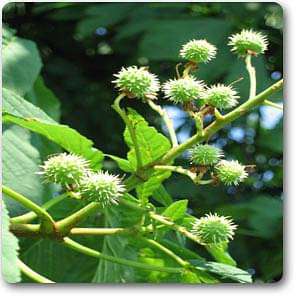
Horsechestnut - Aesculus hippocastanum
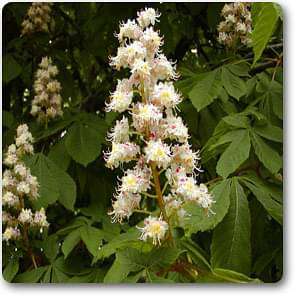
The Horsechestnut, scientifically known as Aesculus hippocastanum, is a majestic deciduous tree native to the Balkans. Renowned for its stunning white flower clusters and large, palmate leaves, this tree can grow up to 75 feet tall, making it a striking addition to any landscape. Its seeds, known as conkers, are not only visually appealing but also have historical significance in traditional medicine.
What makes the Horsechestnut special is its unique ability to thrive in urban environments, providing shade and beauty while improving air quality. Its flowers attract pollinators, contributing to local biodiversity. Additionally, the tree's bark and seeds contain saponins, which have been used in herbal remedies for centuries, showcasing its multifaceted value.
One of the Horsechestnut's standout features is its impressive flowering display in spring, where clusters of white to pink flowers bloom, creating a breathtaking spectacle. This tree is not only a visual delight but also plays a crucial role in supporting wildlife, making it an essential part of any garden or park.
Growing Instructions:
- Plant in well-drained, fertile soil with a pH of 6.0 to 7.5.
- Choose a location with full sun to partial shade for optimal growth.
- Space trees at least 30 feet apart to allow for their expansive canopy.
- Water regularly during dry spells, especially in the first few years.
Care Instructions:
- Prune in late winter to maintain shape and remove dead or diseased branches.
- Fertilize annually with a balanced fertilizer to promote healthy growth.
- Monitor for pests like leaf miners and treat as necessary.
- Mulch around the base to retain moisture and suppress weeds.
Uses:
- Ornamental tree for parks and large gardens.
- Traditional herbal remedy for treating varicose veins and inflammation.
- Seeds can be used in crafts and games, such as conkers.
- Wood is used for making furniture and cabinetry.
Fun Facts:
- The Horsechestnut is not actually a chestnut; it is part of the Sapindaceae family.
- In folklore, conkers were believed to bring good luck and were often carried as talismans.
- Horsechestnut trees can live for over 300 years, making them a long-lasting addition to any landscape.
- The tree's flowers are a favorite among bees, helping to support pollinator populations.
Environmental Impact:
The Horsechestnut tree plays a vital role in urban ecosystems by improving air quality and providing habitat for various wildlife species. Its large canopy offers shade, reducing the urban heat island effect, while its flowers attract pollinators, contributing to biodiversity. Additionally, the tree's ability to sequester carbon makes it an excellent choice for sustainable landscaping.
Coupons
Delivery
You may also like