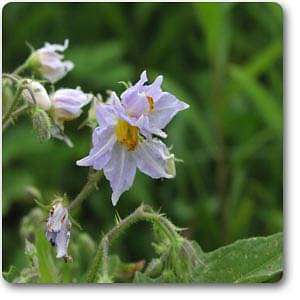
Horse Nettle - Plant
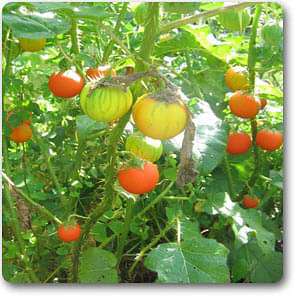
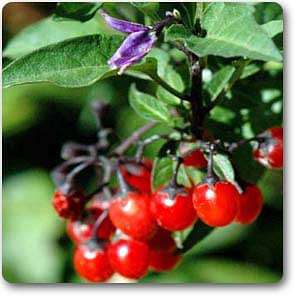
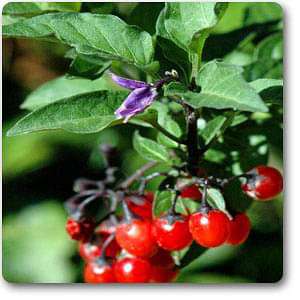
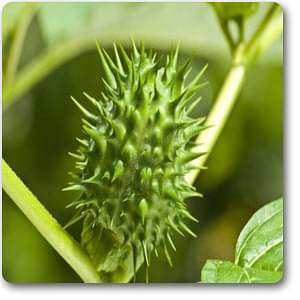
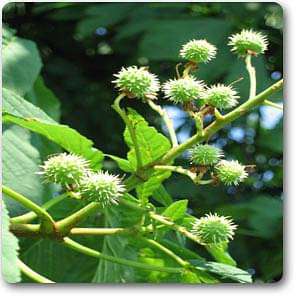
Horse Nettle (Solanum carolinense) is a perennial plant native to the southeastern United States. Known for its striking purple flowers and spiny foliage, this plant is often found in disturbed areas, fields, and along roadsides. While it may be considered a weed by some, Horse Nettle plays a crucial role in local ecosystems, providing habitat and food for various wildlife species.
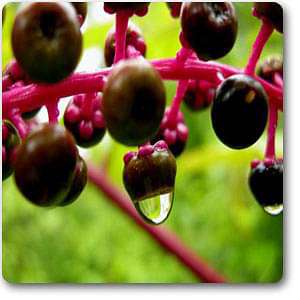
What makes Horse Nettle special is its unique combination of beauty and resilience. This hardy plant can thrive in poor soil conditions and is drought-tolerant, making it an excellent choice for low-maintenance gardens. Its berries, while toxic to humans, are a food source for birds, contributing to biodiversity.
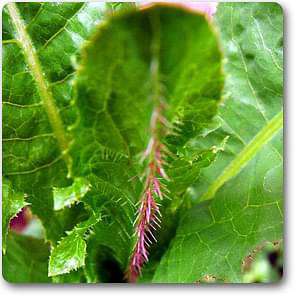
One of the standout features of Horse Nettle is its ability to adapt to various environments. With its spiny leaves and vibrant flowers, it not only adds visual interest to landscapes but also serves as a natural deterrent against herbivores. This plant is a testament to nature's ingenuity, showcasing how beauty and utility can coexist.
Growing Instructions
- Plant in well-drained soil with full sun to partial shade.
- Space plants 18-24 inches apart to allow for growth.
- Water regularly, especially during dry spells, but avoid overwatering.
- Best planted in spring after the last frost.
Care Instructions
- Prune dead or damaged leaves to promote healthy growth.
- Monitor for pests such as aphids and treat with organic insecticides if necessary.
- Fertilize sparingly; too much nitrogen can lead to excessive leaf growth at the expense of flowers.
- Mulch around the base to retain moisture and suppress weeds.
Uses
- Attracts pollinators like bees and butterflies to your garden.
- Can be used in natural landscaping to create wildlife habitats.
- Historically, some Native American tribes used Horse Nettle for medicinal purposes.
- Its berries can be used in traditional recipes, but caution is advised due to toxicity.
Fun Facts
- Horse Nettle is part of the nightshade family, which includes tomatoes and potatoes.
- The plant's spines can deter larger animals, making it a natural defense mechanism.
- Despite its toxicity, the berries are a favorite among birds, who are unaffected by the toxins.
- Horse Nettle has been used in folk medicine for its anti-inflammatory properties.
Environmental Impact
Horse Nettle plays a vital role in its ecosystem by providing food and shelter for various species. Its ability to thrive in poor soil conditions makes it a valuable plant for erosion control and habitat restoration. However, it can become invasive in some areas, so it's essential to manage its growth responsibly.
Coupons
Delivery
You may also like