Guma - Plant
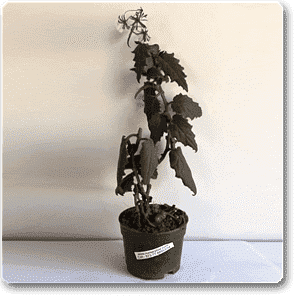
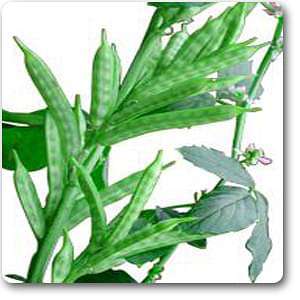
The Guma plant, scientifically known as Gum Arabic (Acacia senegal), is a remarkable leguminous tree native to the arid regions of Africa. Renowned for its natural gum, Guma has been utilized for centuries in various industries, from food to pharmaceuticals. This resilient plant not only thrives in harsh climates but also plays a crucial role in combating desertification, making it an eco-friendly choice for sustainable gardening.
What makes Guma special is its unique ability to produce a natural gum that is both edible and versatile. This gum is rich in dietary fiber and has been used historically in traditional medicine for its soothing properties. Guma is not just a plant; it’s a sustainable resource that supports local economies and promotes biodiversity.
One of the standout features of the Guma plant is its drought resistance. With deep roots that can access underground water sources, it can survive in extreme conditions, making it an ideal choice for eco-conscious gardeners looking to reduce their water footprint.
Growing Instructions
- Plant in well-draining soil with a pH of 6.0 to 7.5.
- Choose a sunny location, as Guma thrives in full sunlight.
- Water sparingly; allow the soil to dry out between watering.
- Space plants at least 10 feet apart to allow for growth.
Care Instructions
- Fertilize with a balanced fertilizer during the growing season.
- Prune regularly to maintain shape and encourage bushier growth.
- Monitor for pests; use organic insecticides if necessary.
- Protect from frost; cover with burlap in colder months.
Uses
- Used as a thickening agent in food products.
- Serves as a stabilizer in cosmetics and pharmaceuticals.
- Utilized in traditional medicine for digestive health.
- Can be used in arts and crafts as a natural adhesive.
Fun Facts
- Guma has been harvested for over 3,000 years, dating back to ancient Egypt.
- The gum produced by Guma is a key ingredient in many candies and soft drinks.
- Acacia trees, including Guma, are known to support over 200 species of wildlife.
- Guma trees can live for over 100 years, providing long-term ecological benefits.
Environmental Impact
Guma plants play a vital role in their ecosystems by preventing soil erosion and improving soil fertility. Their deep root systems help retain moisture in the soil, making them essential for sustainable land management in arid regions. By planting Guma, you contribute to biodiversity and support local communities that rely on this valuable resource.
Coupons
Delivery
You may also like