Ginkgo Biloba - The Ancient Living Fossil
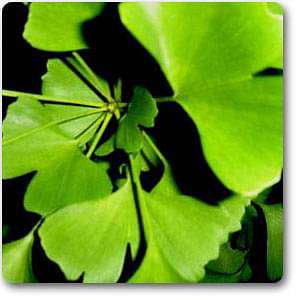
Ginkgo biloba, often referred to as the "maidenhair tree," is a unique and resilient plant known for its fan-shaped leaves and remarkable longevity. This ancient species, dating back over 200 million years, is one of the oldest living tree species on Earth. Ginkgo biloba is not only valued for its aesthetic appeal but also for its numerous health benefits, making it a popular choice for gardens and landscapes worldwide.
What makes Ginkgo biloba special is its ability to thrive in various environments, from urban settings to rural landscapes. Its leaves are rich in flavonoids and terpenoids, compounds known for their antioxidant properties. This tree has been used in traditional medicine for centuries, particularly in Chinese herbal remedies, to enhance cognitive function and improve circulation.
One of the standout features of Ginkgo biloba is its remarkable resilience to pollution, pests, and diseases, making it an excellent choice for sustainable landscaping. Additionally, its stunning golden-yellow foliage in the fall adds a vibrant touch to any garden, making it a favorite among horticulturists and nature enthusiasts alike.
Growing Instructions:
- Plant in well-drained soil with a pH of 5.0 to 7.0.
- Choose a location with full sun to partial shade for optimal growth.
- Space trees at least 20-30 feet apart to allow for their expansive canopy.
- Water regularly during the first year to establish a strong root system.
Care Instructions:
- Fertilize in early spring with a balanced fertilizer.
- Prune only as necessary to maintain shape and remove dead branches.
- Monitor for pests, though Ginkgo is generally resistant.
- Mulch around the base to retain moisture and suppress weeds.
Uses:
- Utilized in traditional medicine for cognitive enhancement and memory support.
- Leaves can be harvested for herbal teas and supplements.
- Commonly used in landscaping for its unique appearance and fall color.
- Wood is valued for its durability and is used in furniture making.
Fun Facts:
- Ginkgo biloba is often referred to as a "living fossil" due to its ancient lineage.
- It can live for over a thousand years, with some specimens in China believed to be over 2,500 years old.
- The tree is dioecious, meaning there are separate male and female trees; only female trees produce fruit, which has a strong odor.
- Ginkgo trees are known for their exceptional tolerance to urban pollution and are often planted in city parks.
Environmental Impact:
Ginkgo biloba plays a significant role in urban ecology by improving air quality and providing shade. Its ability to withstand pollution makes it an ideal choice for city landscaping, contributing to greener urban environments. Additionally, its deep root system helps prevent soil erosion, making it a valuable asset in sustainable gardening practices.
Coupons
Delivery
You may also like