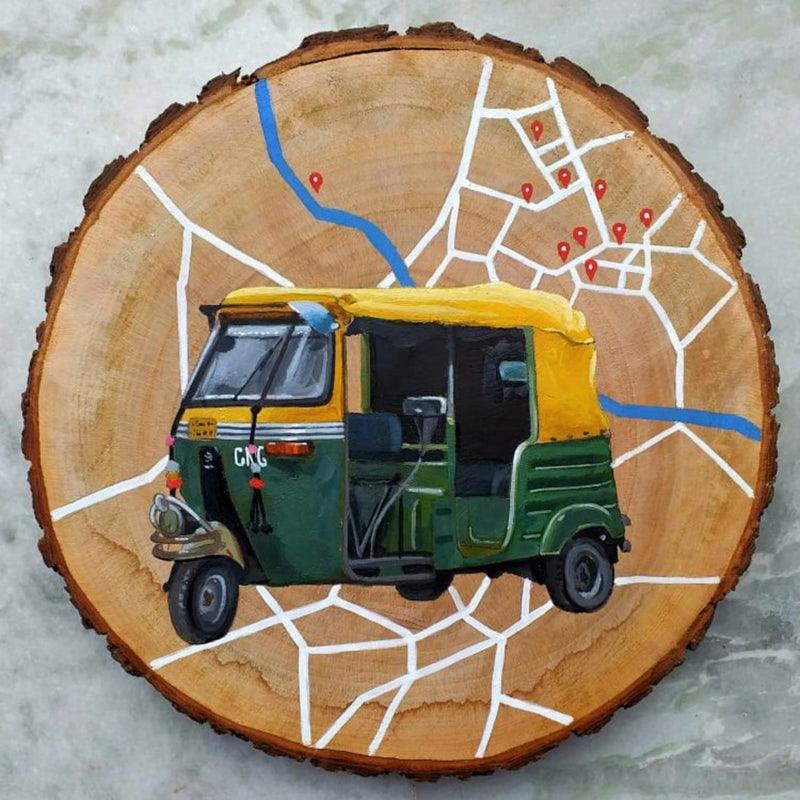
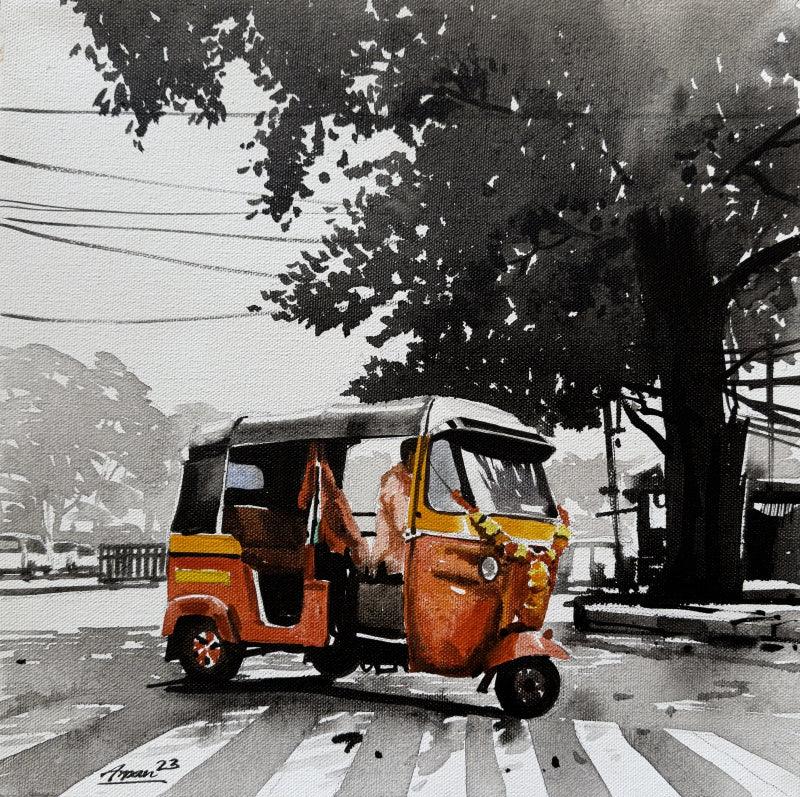
Autorickshaw
₹15,000
Out of stock · ★ 5.0 (13)checking live price…
Size
10x10Type
OriginalMaterial
WoodSet against a circular wood-grain ground that reads like a cross‑section of lived time, the auto-rickshaw sits as a humble protagonist—its saturated greens and yellows asserting human warmth within the city’s cool, schematic logic. The white street lattice and blue river-lines flatten into an almost cartographic abstraction, while the red pins punctuate the surface like memories, errands, or destinations that tether movement to meaning. This collision of meticulous mapwork and tactile timber suggests that urban navigation is never merely functional: it is a daily choreography of survival, intimacy, and belonging.
Delivery
You may also like
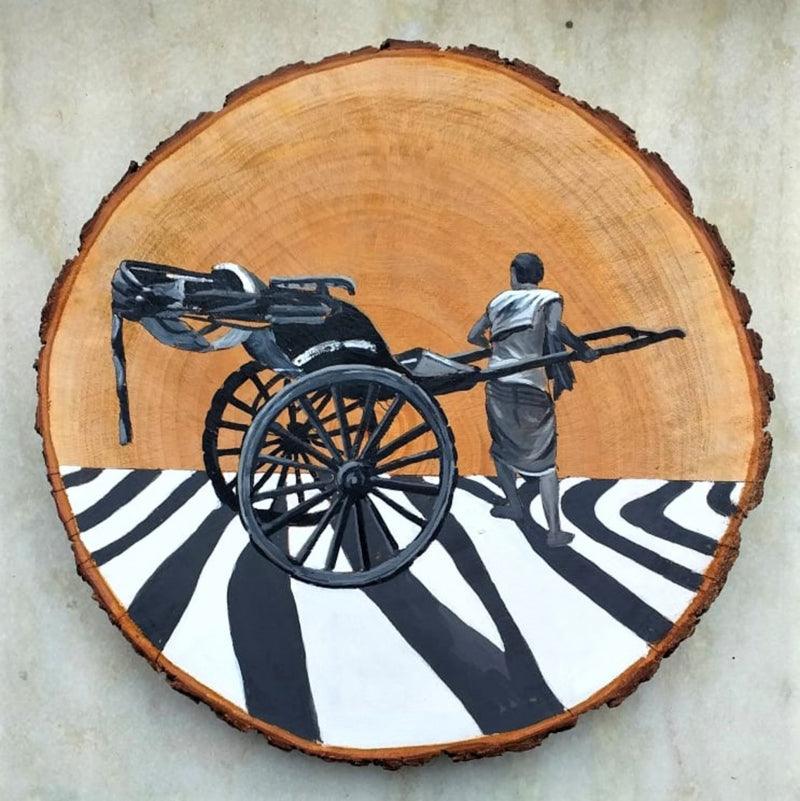
Untitled 3
Artzolo
₹15,000
out of stock
★ 5.0 (9)
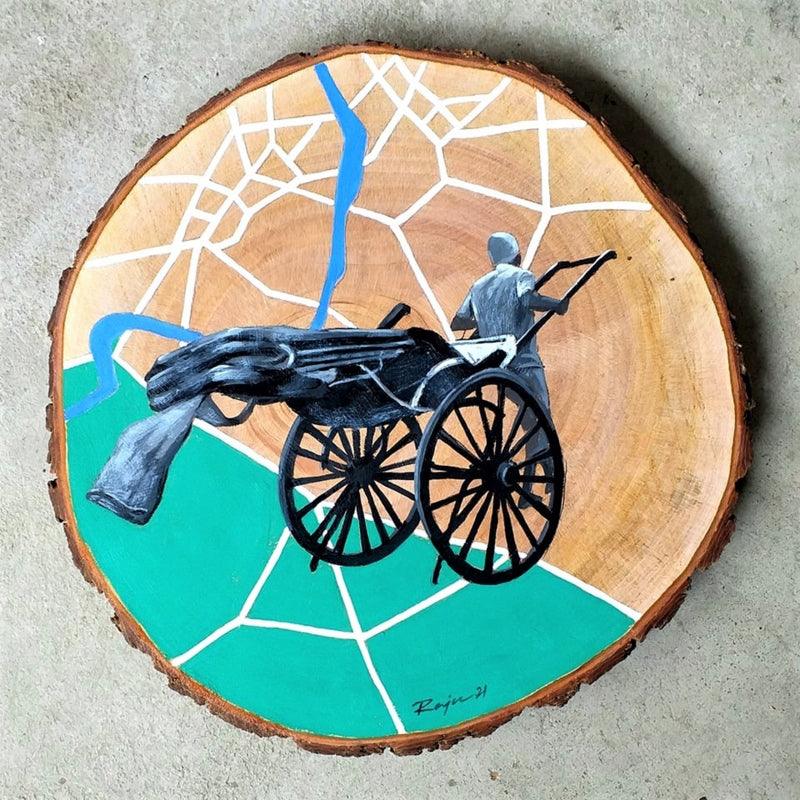
Untitled 4
Artzolo
₹15,000
out of stock
★ 4.0 (6)
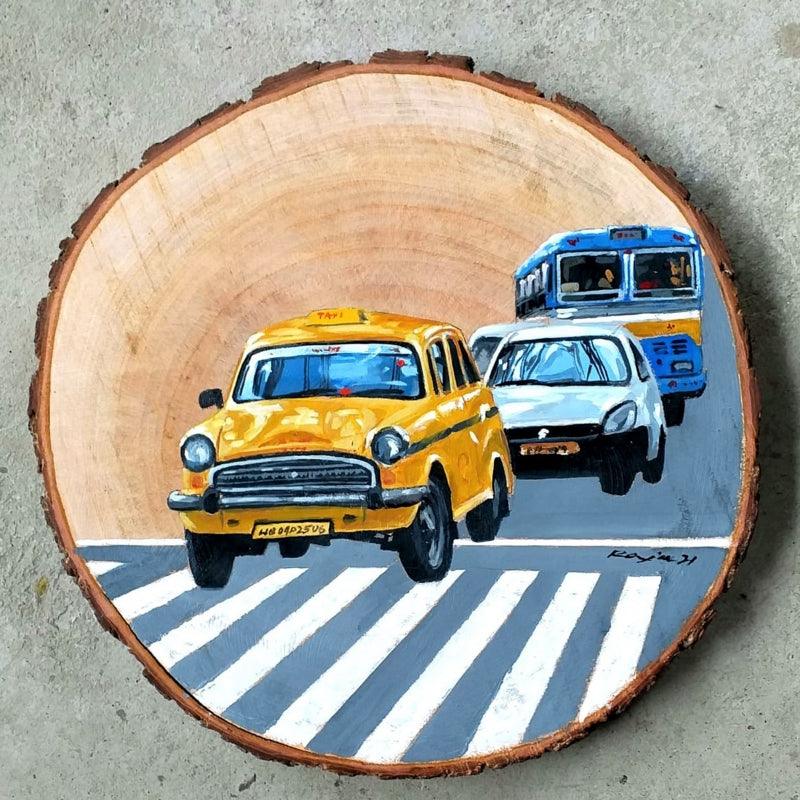
Untitled 2
Artzolo
₹15,000
out of stock
★ 5.0 (12)
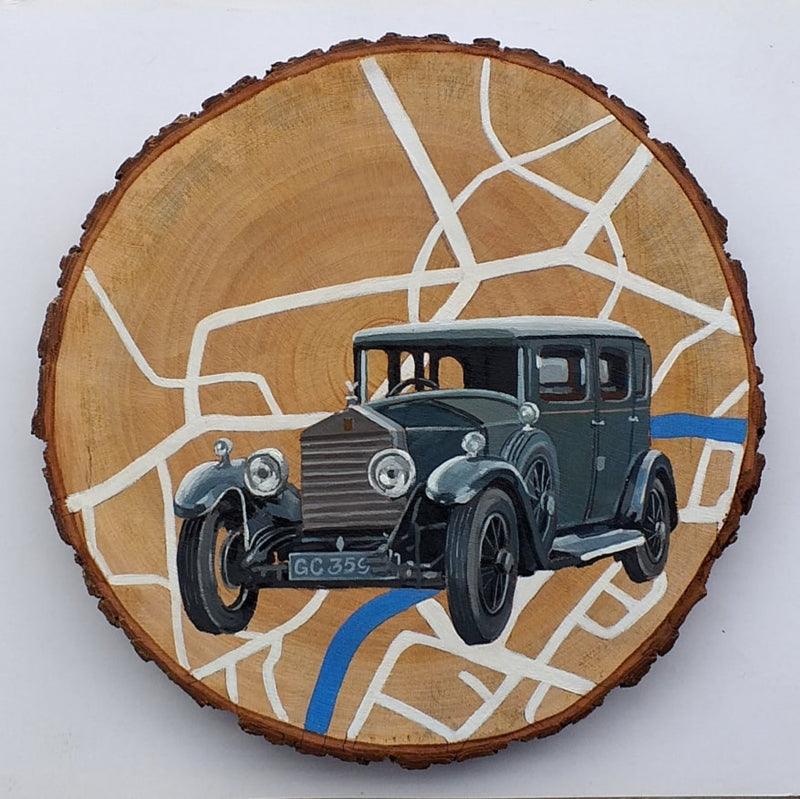
Vintage Car (A Journey Through Time)
Artzolo
₹7,500
★ 4.0 (11)
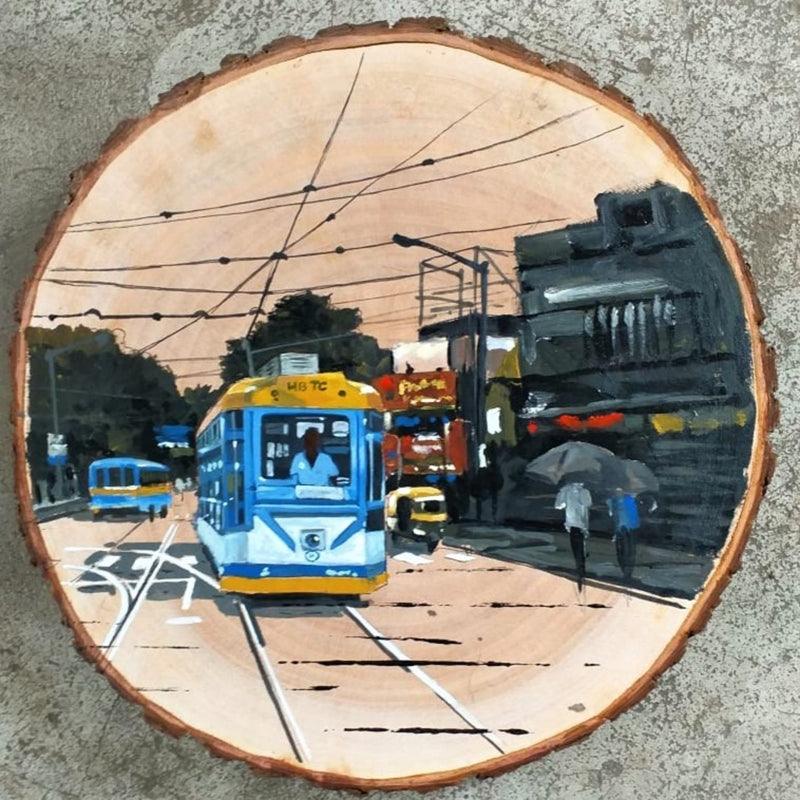
Trams In Kolkata
Artzolo
₹15,000
out of stock
★ 4.0 (14)
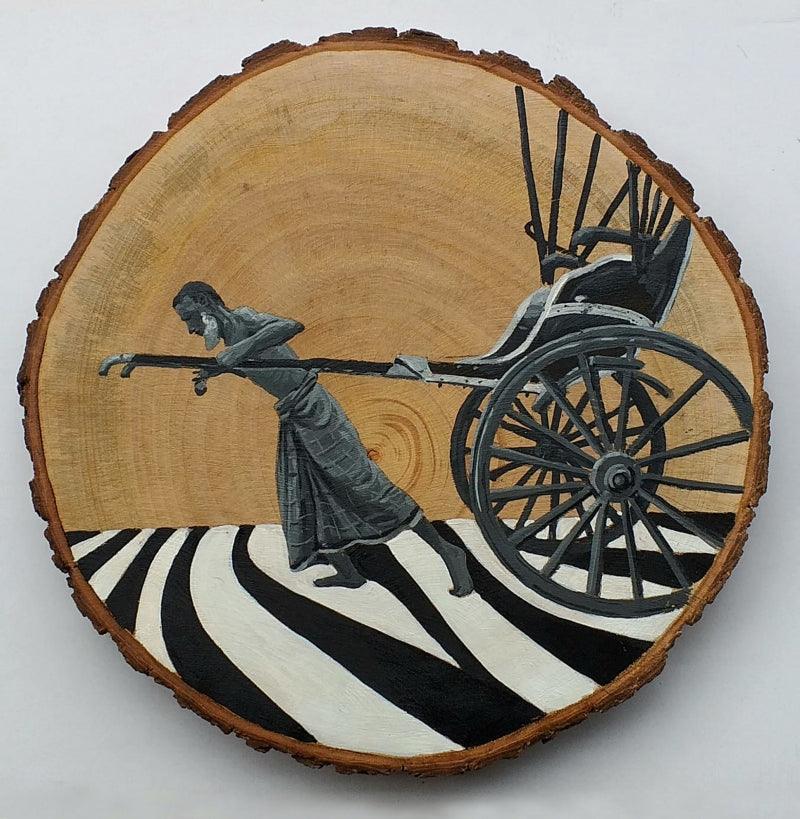
Untitled 3
Artzolo
₹7,500
out of stock
★ 5.0 (13)
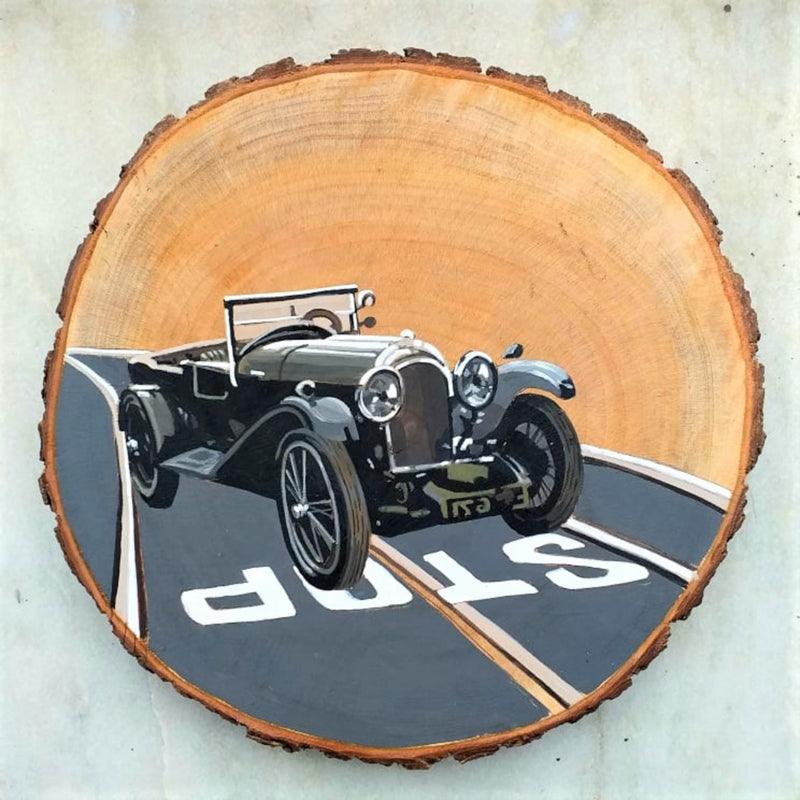
Old Hertiage
Artzolo
₹15,000
out of stock
★ 5.0 (7)
Auto Rickshaw (Urban Harmony)
Artzolo
₹40,000