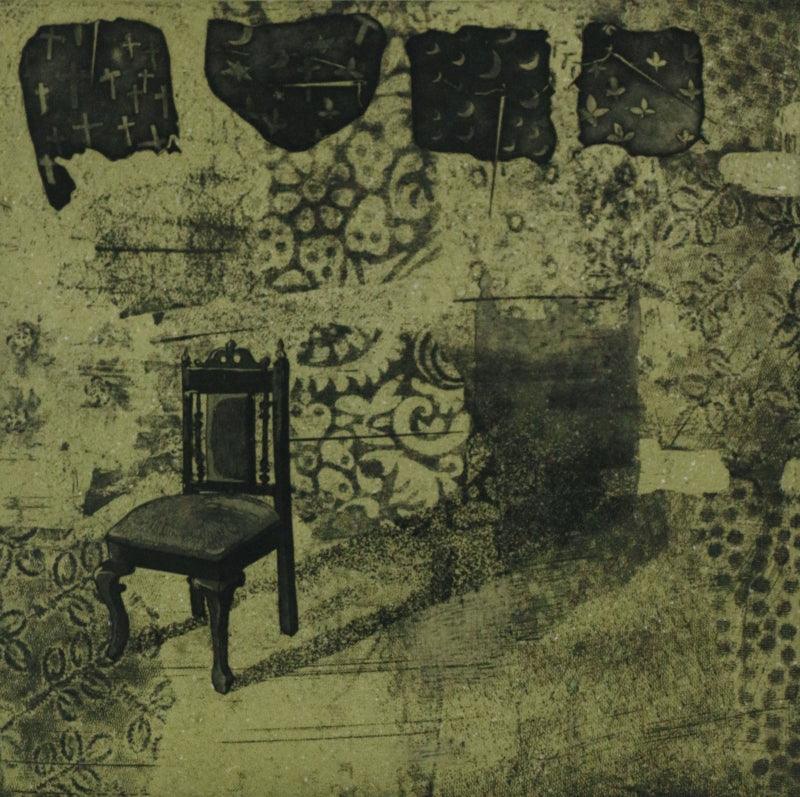
Culture (Chair and Shadows)
₹15,000
● In stock · ★ 5.0 (13)checking live price…
Size
10x10Type
OriginalMaterial
PaperThis work stages absence as a palpable presence: a solitary chair sits like a witness in a room made of palimpsest—layered ornamental traces, rubbed textures, and ghostly stains that feel more remembered than observed. Along the upper band, four dark, banner-like panels punctuate the field with fragile symbols—crosses, crescents, and botanical marks—suggesting a quiet ledger of beliefs, seasons, or private rituals suspended above the everyday. The restrained, sepia-olive tonality and bruised contrasts compress light into a muffled hush, turning domestic space into an interior psyche where history clings to surfaces. What emerges is a meditation on belonging and erasure: the body is missing, yet the architecture of memory refuses to leave.
Delivery
You may also like
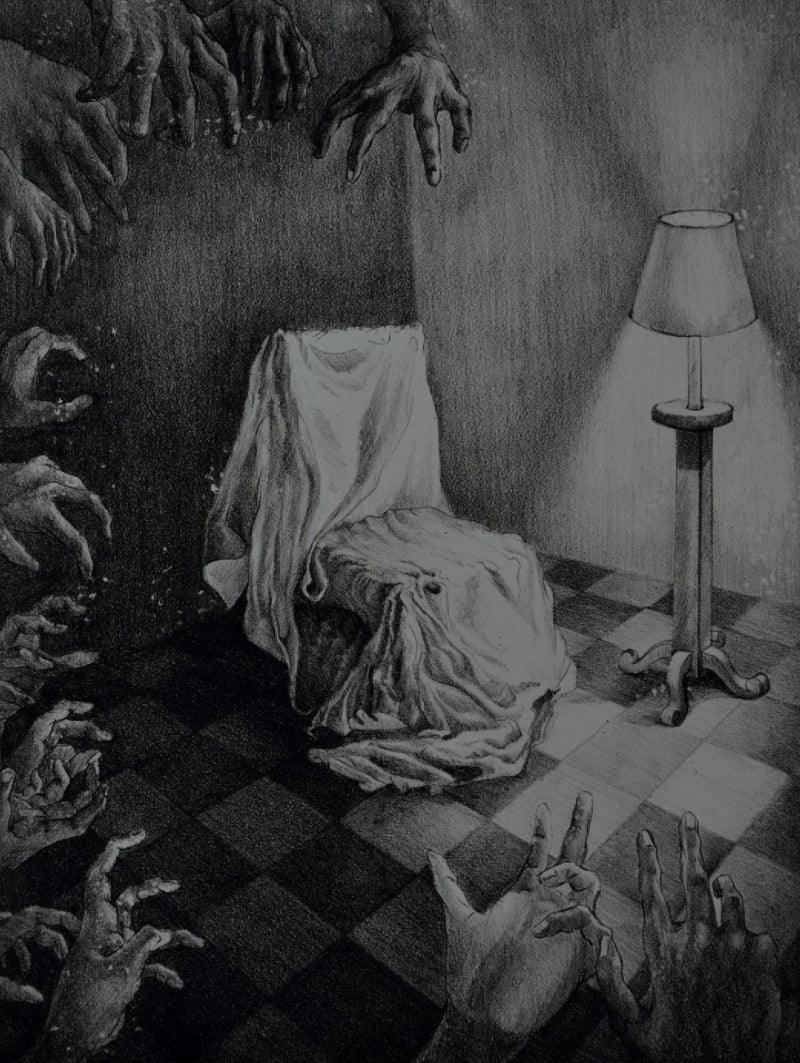
Untitled 4 (Surrounded by Shadows)
Artzolo
₹25,000
★ 5.0 (14)
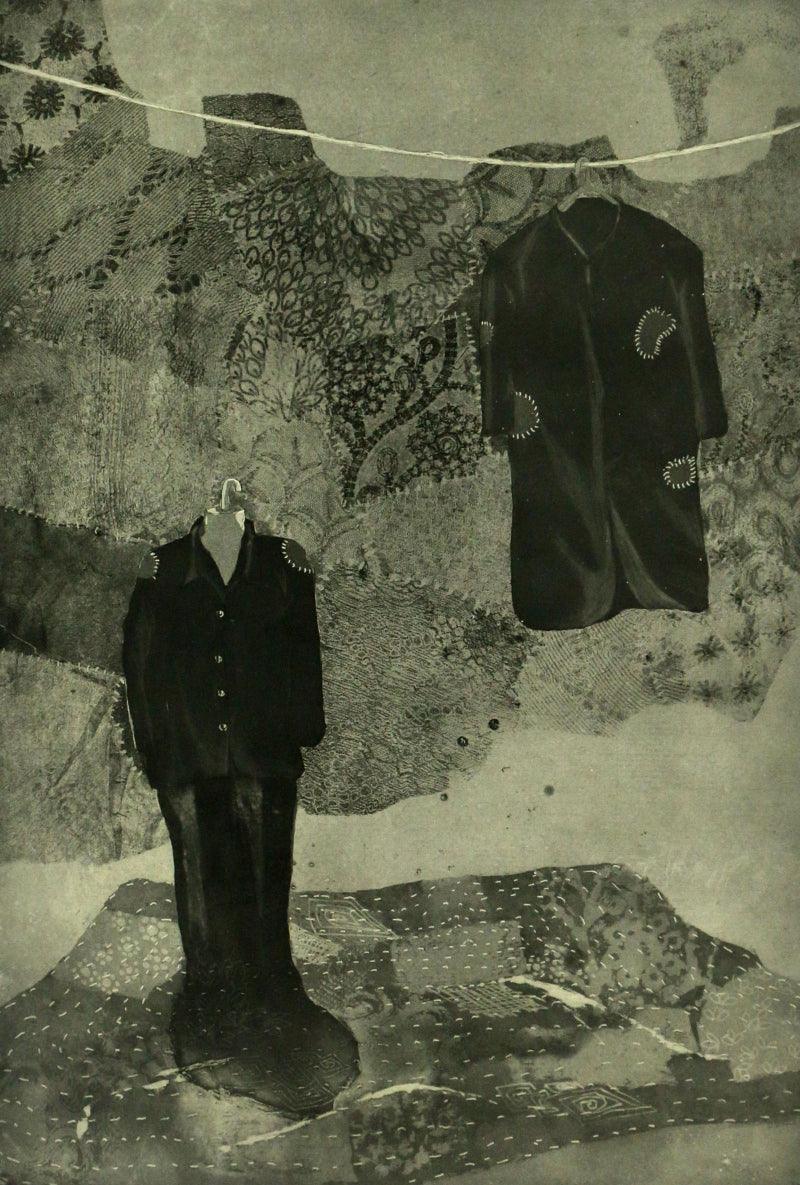
Past And Present 3
Artzolo
₹20,000
★ 4.0 (11)
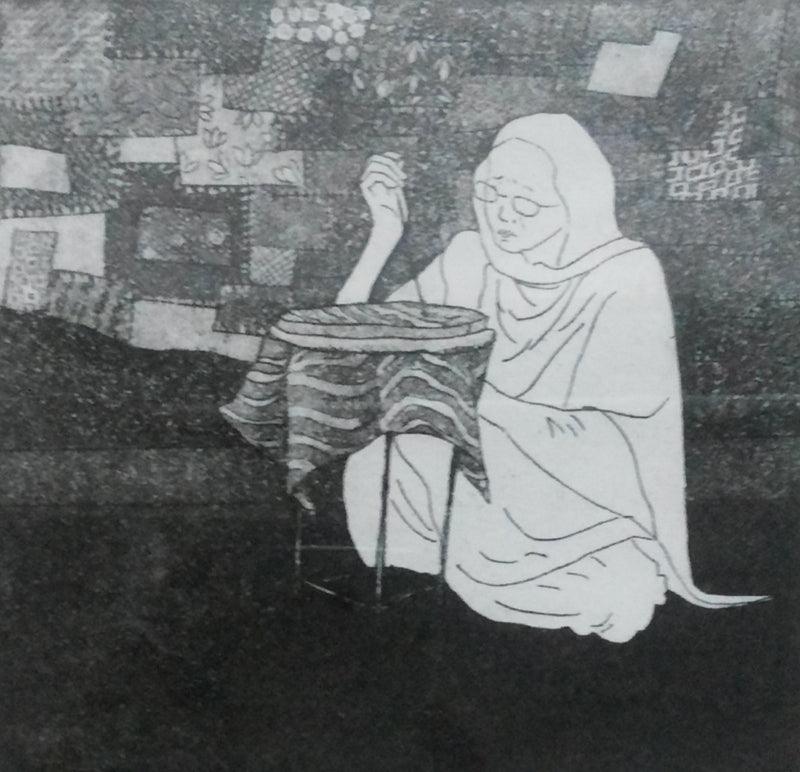
Ek Dhaga (The Seamstress)
Artzolo
₹7,000
★ 4.0 (9)
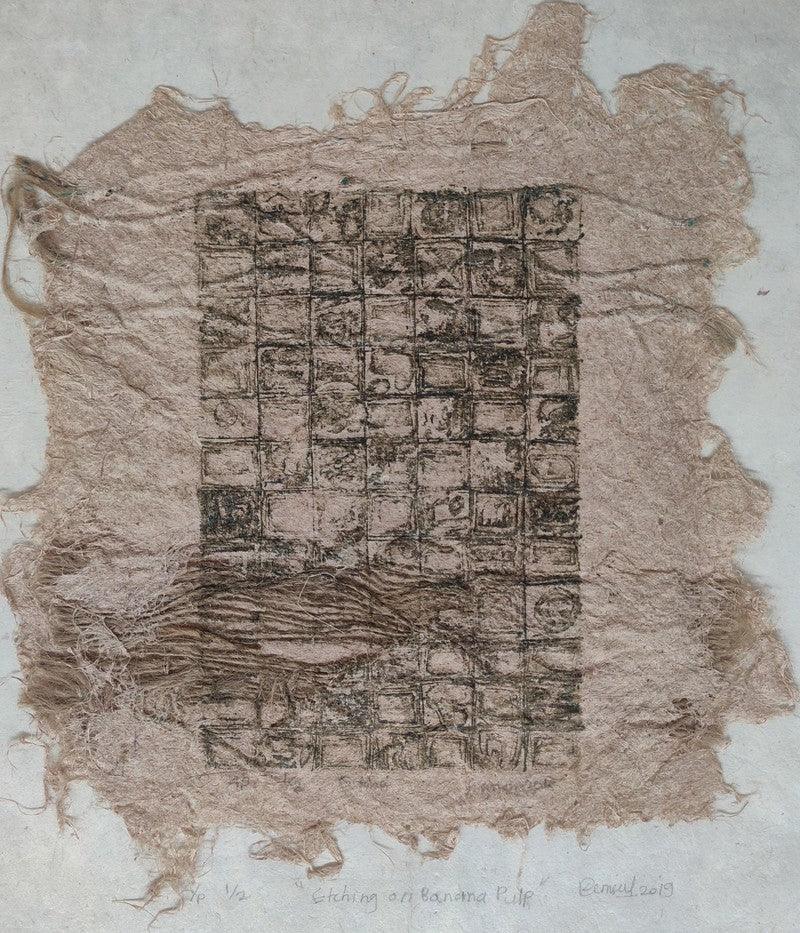
Untitled 1 (Urban Tapestry)
Artzolo
₹22,000
★ 4.0 (8)
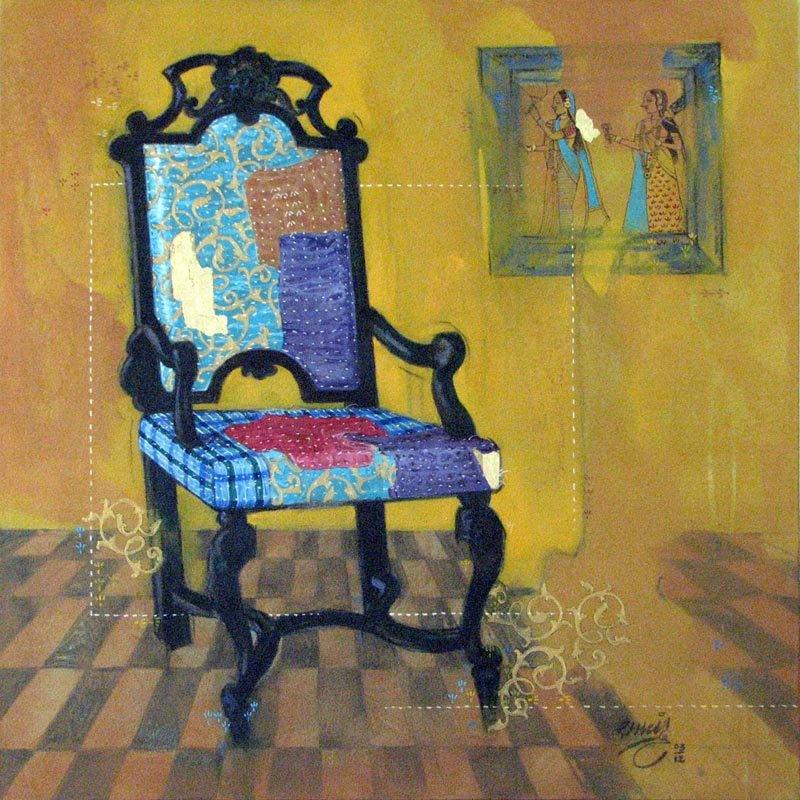
Chair
Artzolo
₹75,000
out of stock
★ 5.0 (7)
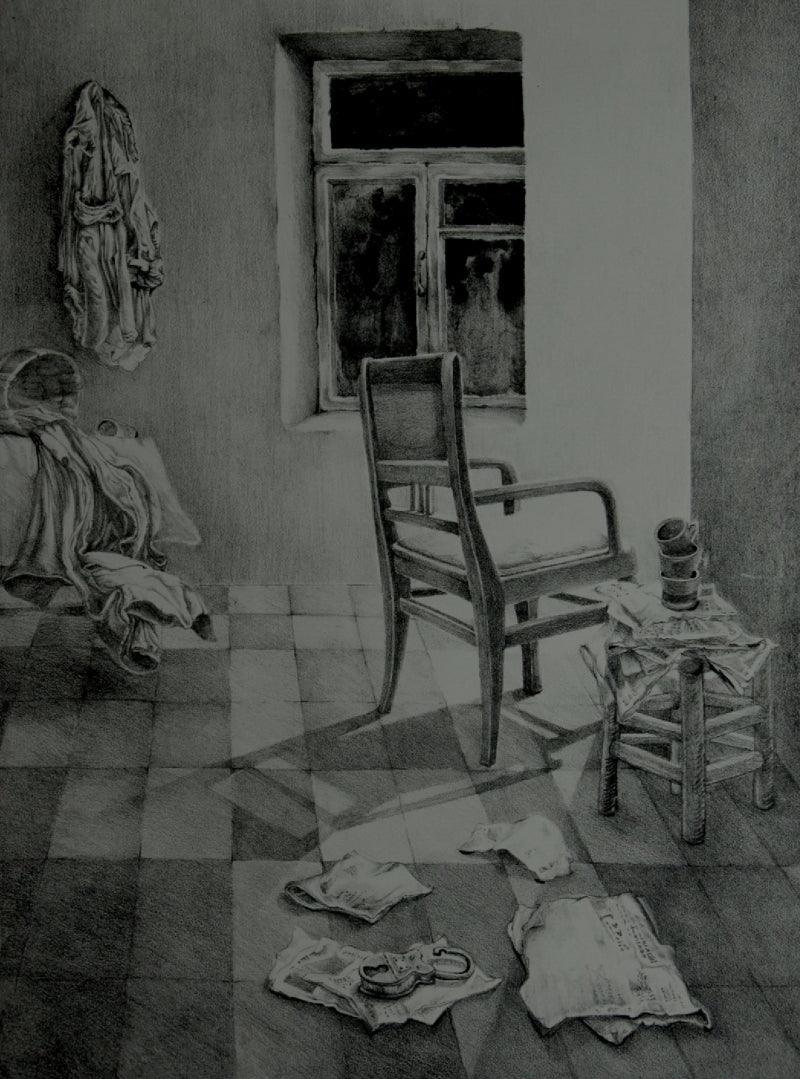
Untitled 7 (Abandoned Room)
Artzolo
₹30,000
★ 4.0 (5)
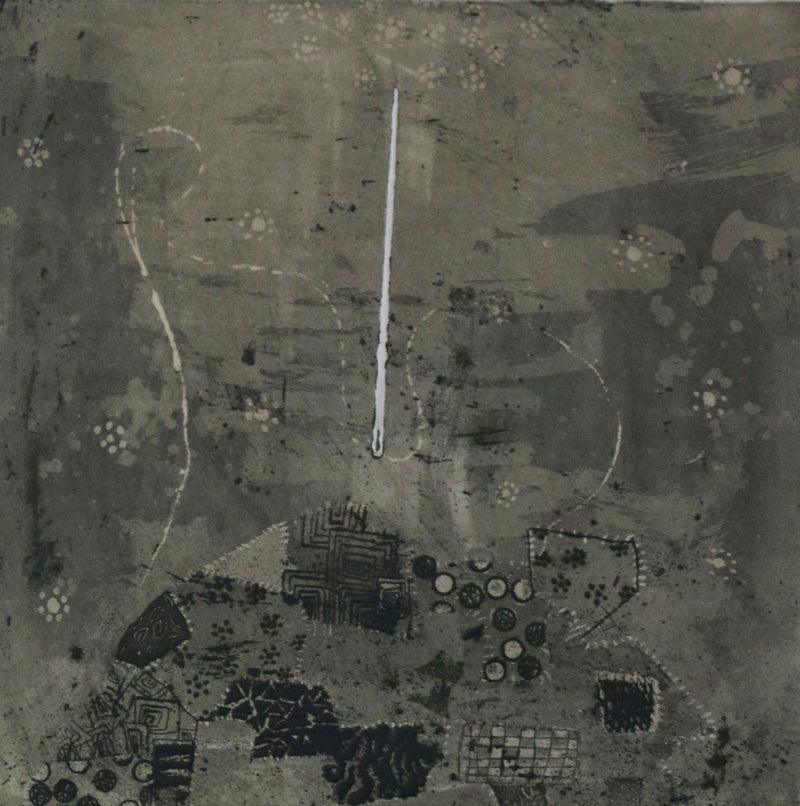
Untitled 2 (Needle in the Haystack)
Artzolo
₹12,000
★ 5.0 (14)
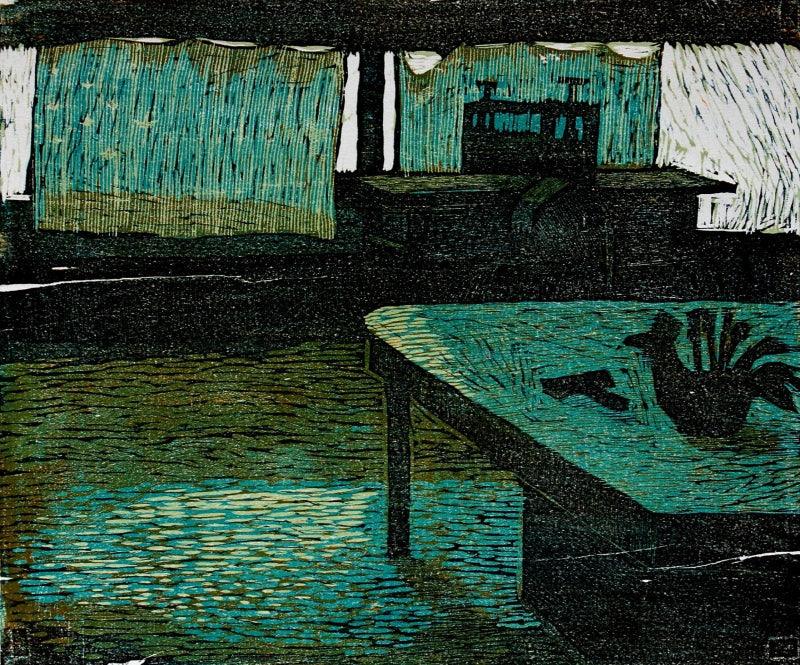
Studio 3 (The Waiting Room)
Artzolo
₹10,000
★ 5.0 (7)