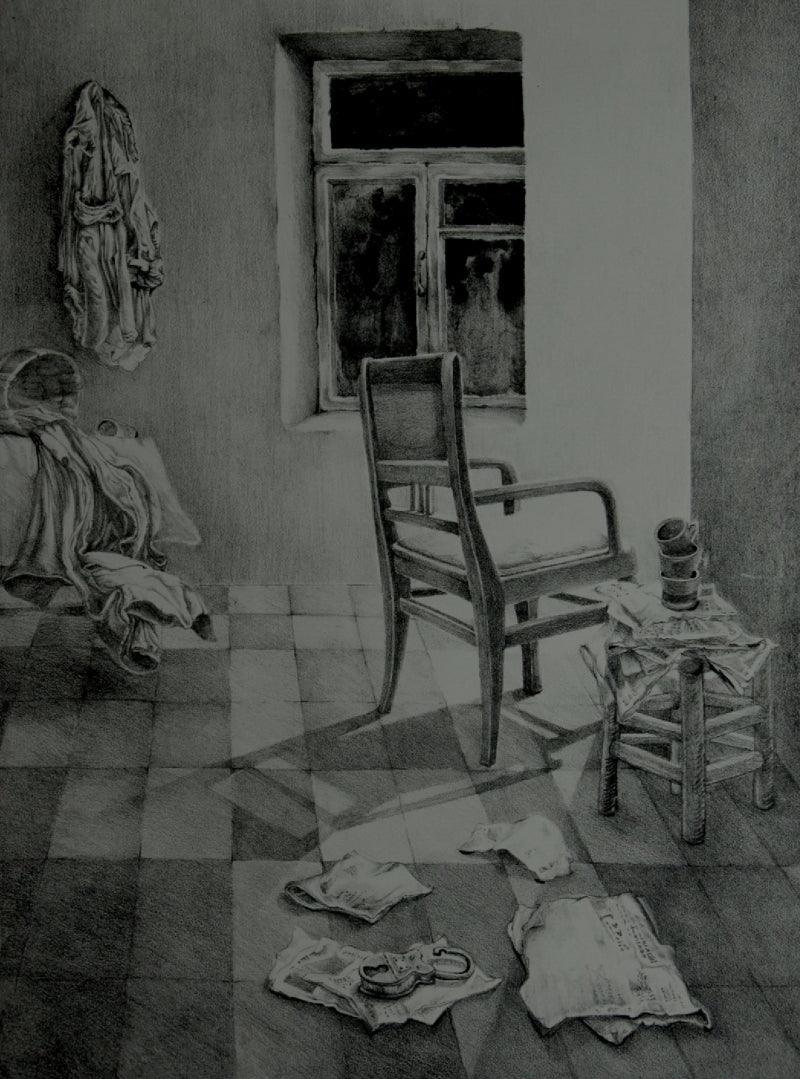
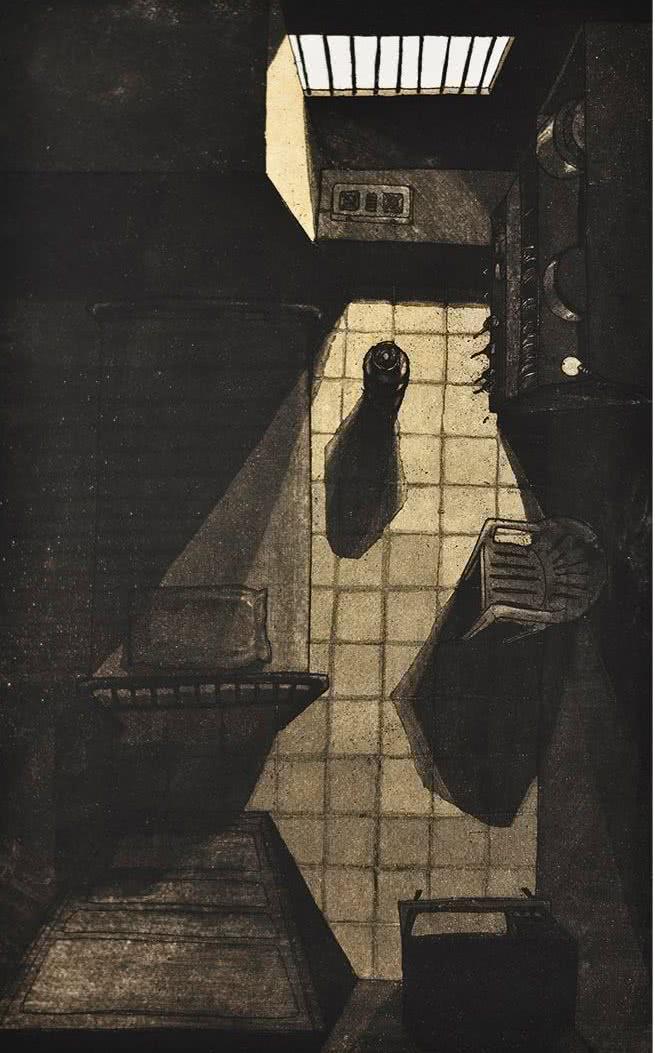
Untitled 7 (Abandoned Room)
₹30,000
● In stock · ★ 4.0 (5)checking live price…
Size
14x12Type
OriginalMaterial
PaperIn this quiet, graphite-lit interior, the vacant chair becomes a surrogate body—present in posture yet emptied of its occupant—while the window’s dull rectangle holds a bruised, unreadable night. Carefully rationed light slides across the tiled floor, turning scattered papers and discarded clothing into small emblems of interruption, as if daily life has been paused mid-breath. The composition’s asymmetry—heavier, cluttered shadows to the left and a stark, pale wall to the right—creates a psychological imbalance, a room split between memory and erasure. What remains is not narrative certainty but an afterimage of intimacy: a domestic stage where absence is the central figure.
Delivery
You may also like
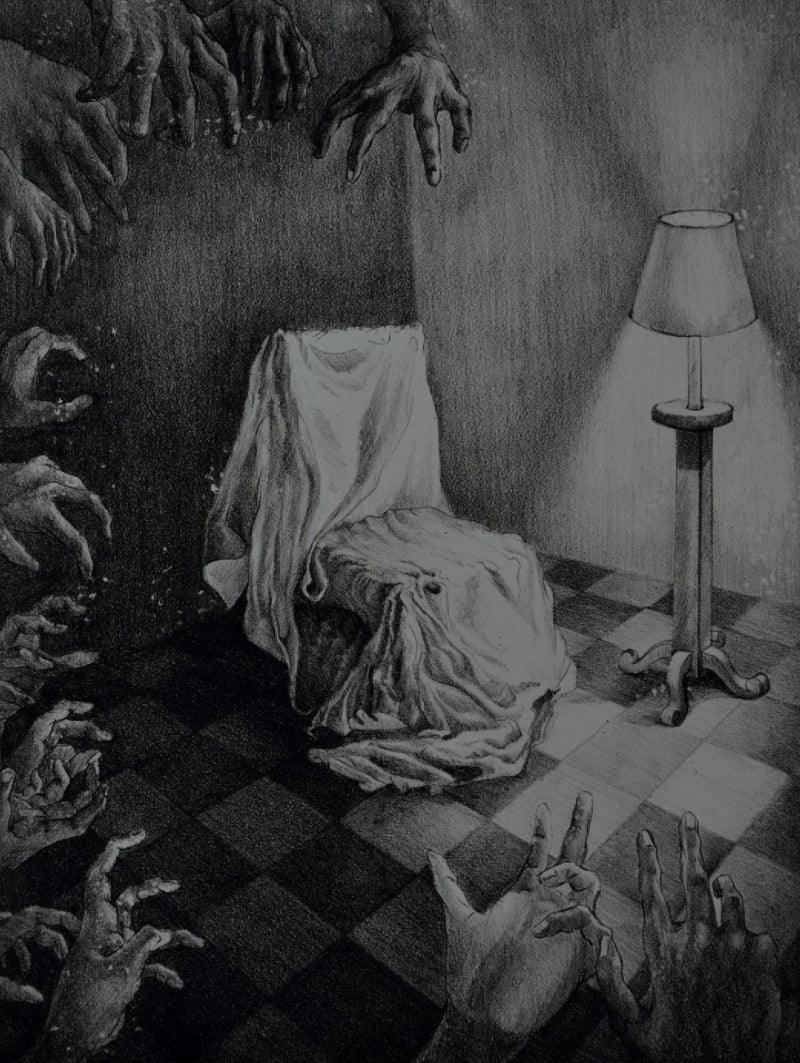
Untitled 4 (Surrounded by Shadows)
Artzolo
₹25,000
★ 5.0 (14)
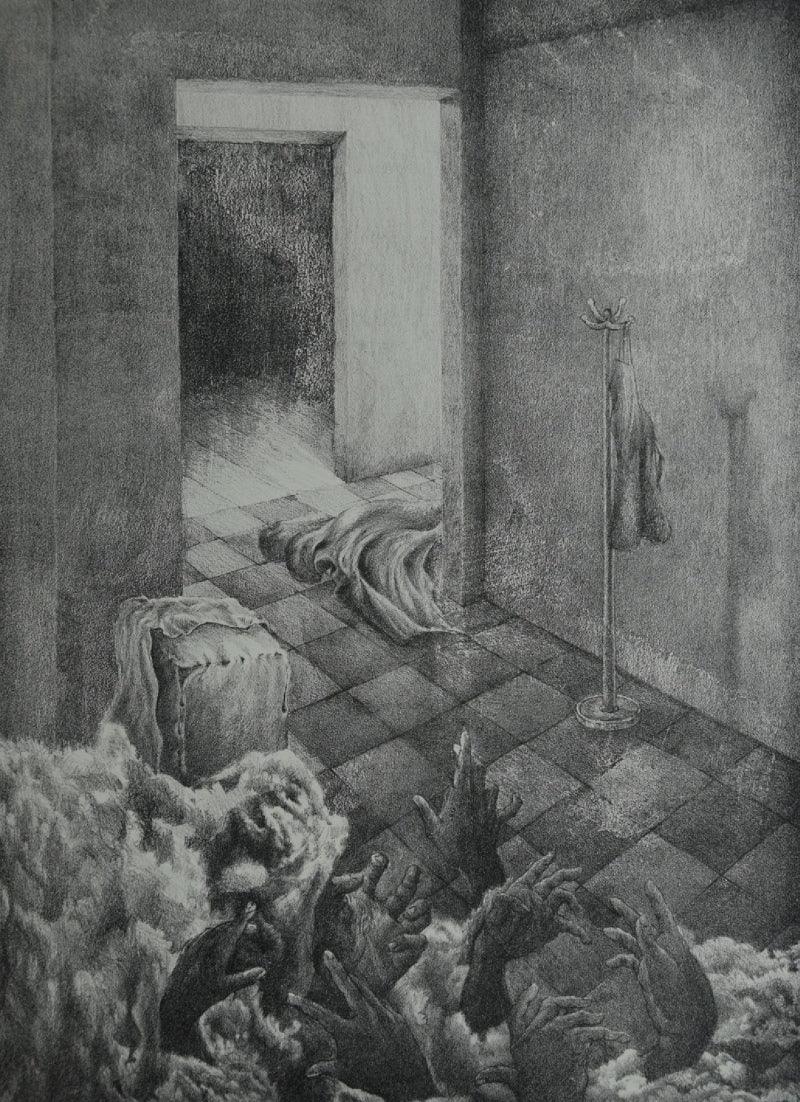
Untitled 3 (Hallway of Despair)
Artzolo
₹30,000
★ 4.0 (12)
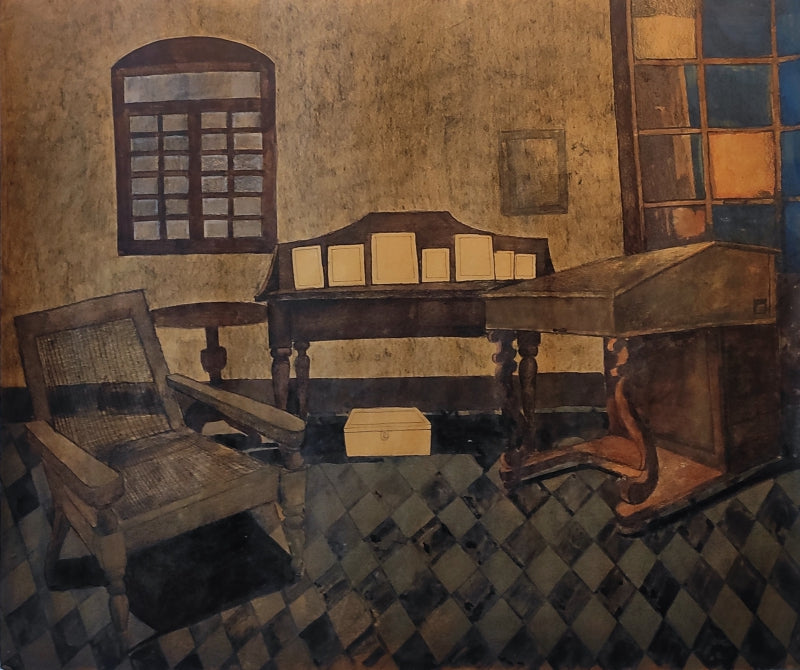
Untitled 3
Artzolo
₹40,000
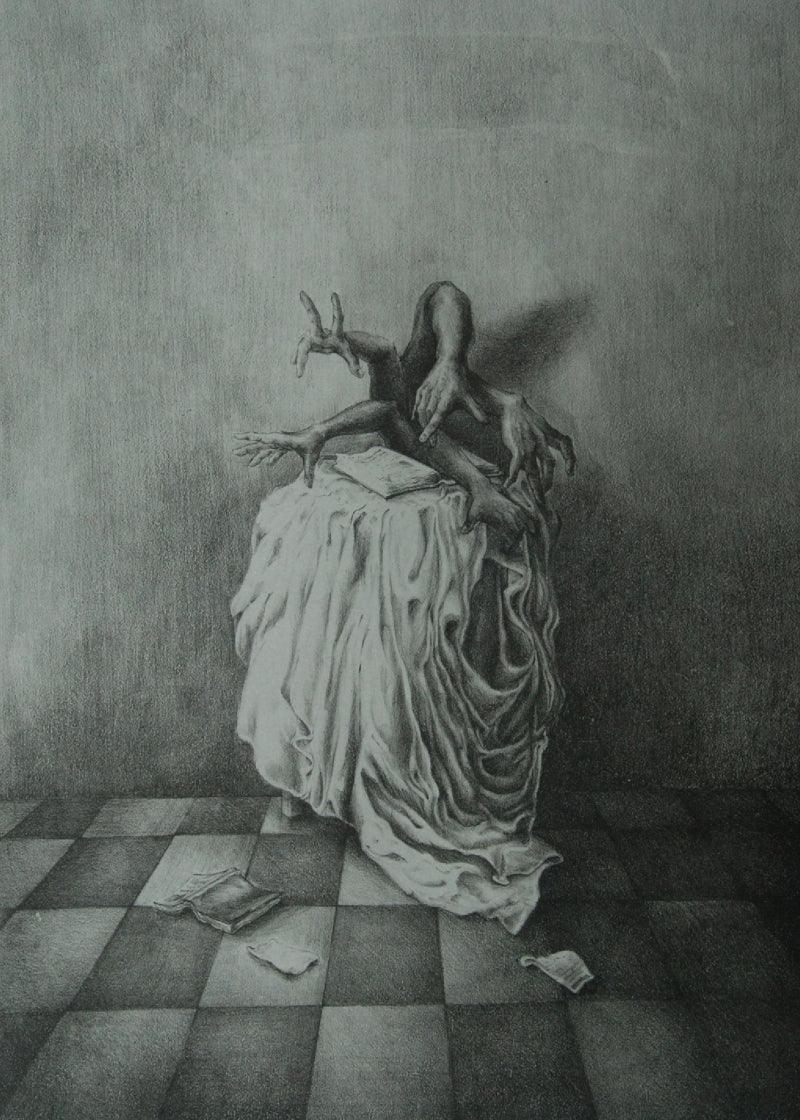
Untitled 8 (Reaching Out)
Artzolo
₹30,000
★ 4.0 (9)
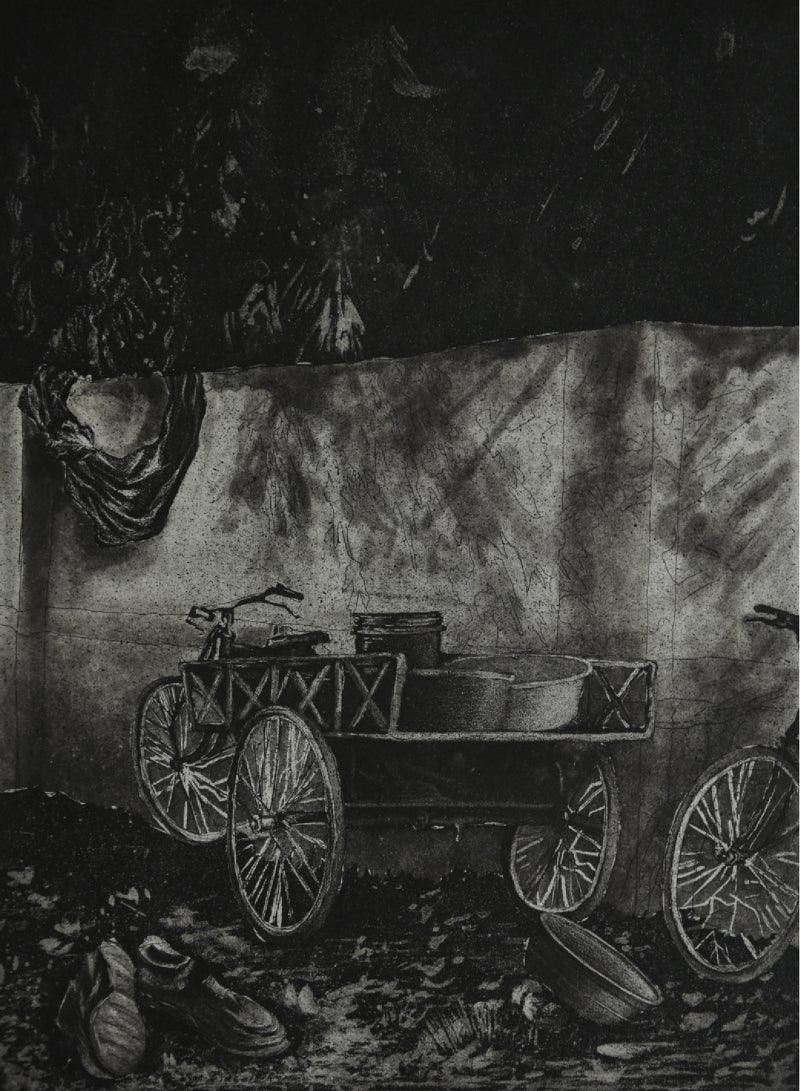
Untitled 1 (Abandoned Memories)
Artzolo
₹22,000
★ 4.0 (9)
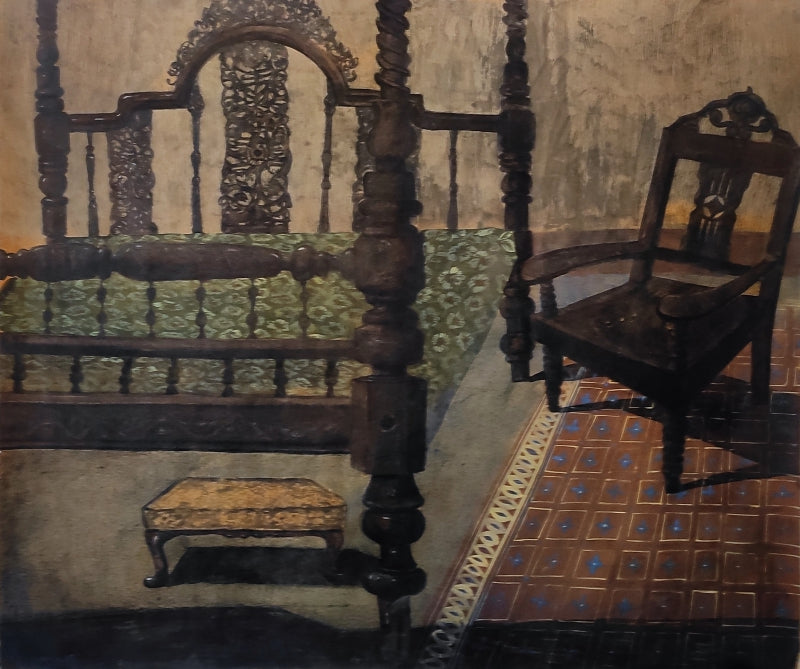
Untitled 1
Artzolo
₹40,000
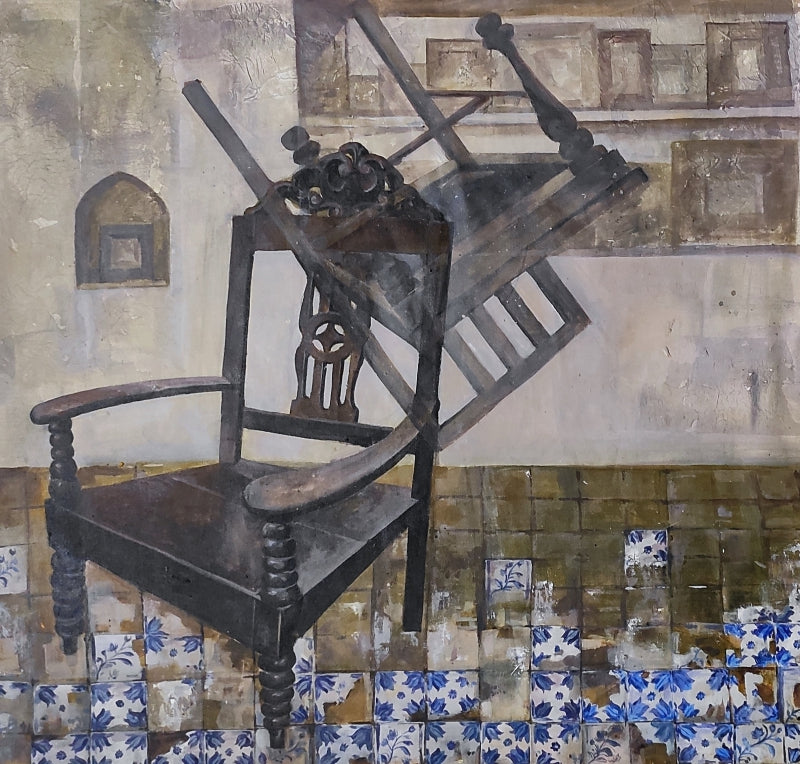
Untitled 12
Artzolo
₹50,000
Room (Interior with Light Beam)
Artzolo
₹12,000
★ 4.0 (11)