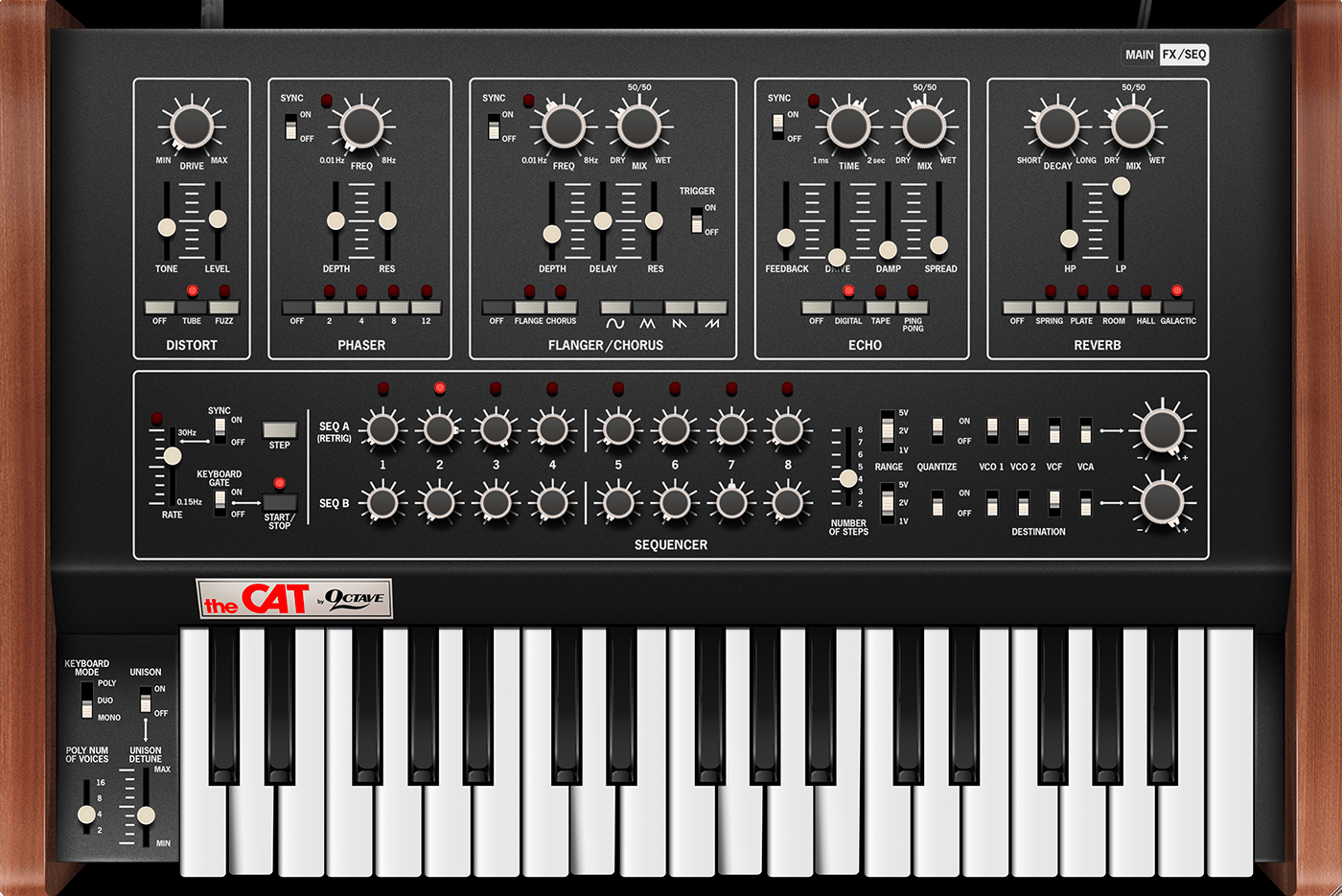
Cherry Audio Octave Cat Synthesizer – Professional Audio Software & Plugin
₹5,641
● In stockchecking live price…
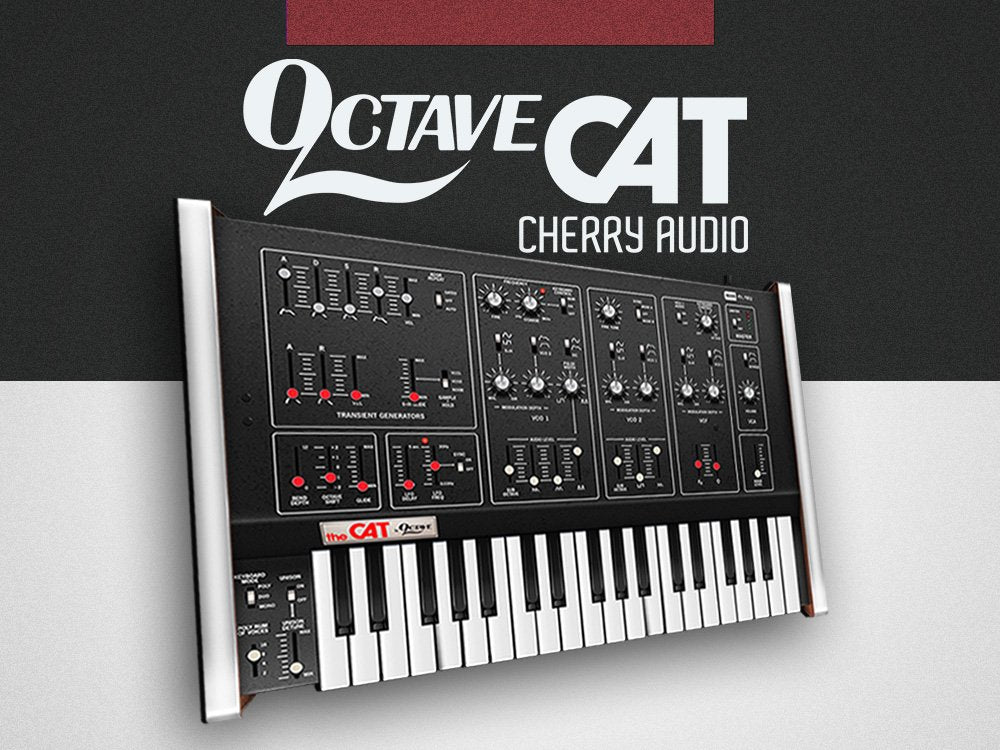
View on Bajaao store ↗Cherry Audio’s Octave Cat synthesizer emulates The CAT duophonic synthesizer unleashed by Octave Electronics in 1976. Developed in partnership with The CAT’s original designer
Octave Cat ($49 MAP/$69 List) retains all the growl of the original hardware’s fat
savage sound and replicates its aggressive resonant filter. Octave Cat features the flexible modulation
screaming audio-range oscillator cross-mod
and fierce oscillator sync of the original hardware
and extends it with expanded polyphony
a robust integrated effects suite
and a versatile dual-step sequencer.
1976: The Year of The CAT
In the early 1970s portable synthesizers were a rarity and only a select few musicians could afford the legendary Minimoog or ARP Odyssey synthesizers. Recognizing this a small group of engineers in New York led by the brilliant 22-year-old Carmine Bonanno decided to shake things up and create affordable synthesizers with innovative features giving birth to Octave Electronics. Drawing from his own designs for a modular system Bonanno and his team set out to create a synthesizer that was not only accessible to up-and-coming musicians but also boasted groundbreaking features. The result was The CAT synthesizer — an elegant and easy-to-program monophonic/duophonic synthesizer that offered an innovative combination of features including cross-mod configurable sample and hold extensive modulation dual sub-oscillators combinable waveforms two types of oscillator sync and a lowpass filter with uniquely powerful resonance. Even more revolutionary was the 1976 introduction price of only $599 - a game-changer for musicians who couldn’t afford more expensive alternatives. It also caught the attention of more affluent musicians who praised its exceptional performance and versatility. Some of the biggest names in electronic music have used The CAT including Devo Orchestral Manoeuvres in the Dark Dave Greenslade Split Enz (notably for the keyboard break in their hit track "I Got You") and more recently The Prodigy and The Chemical Brothers.Features:
- All aspects of the original CAT precisely modeled in exacting detail
- Over 300 presets
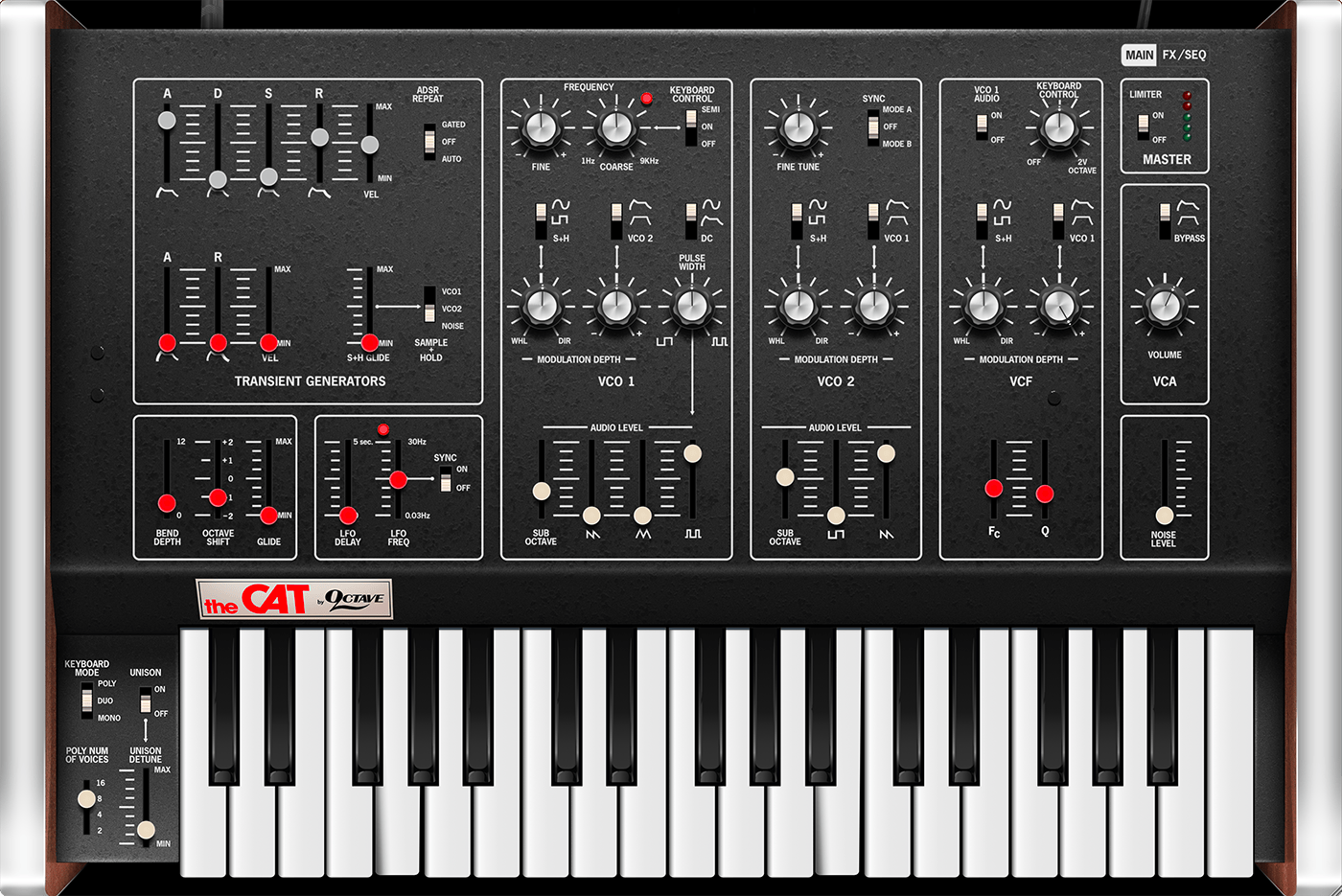
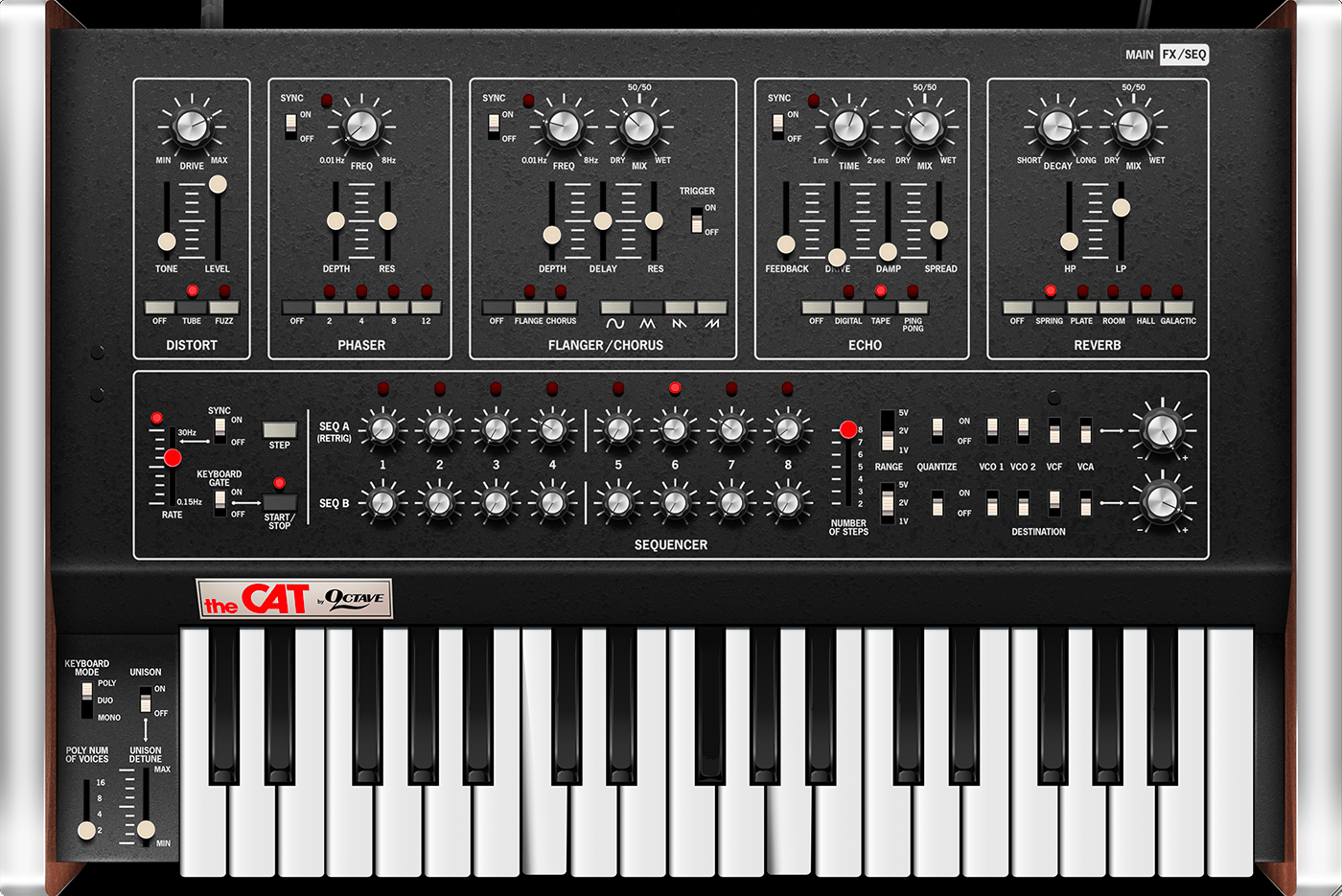
- Dual Panel Views with an authentic Main view for synthesis controls and an additional FX/Seq panel with extended features
- Monophonic duophonic and polyphonic (up to 16 voices) voice modes
- Unison for mono and duo modes
- Two distinct VCOs with discrete wave modulation S+H and sub octave settings; VCO1 with saw triangle and pulse with PWM and VCO2 with square and saw waveforms
- Vintage-correct four-pole 24 db/oct filter based on the original “cascaded OTA” SSM2040 filter with precise replication of The CAT’s unique resonance
- Accurate reproduction of the original’s Transient Generators section with two envelope generators: a standard ADSR (attack/decay/sustain/release) and an AR (attack/release)
- Sample and Hold with VCO1 VCO2 or Noise as source with Glide that slews the voltage steps for smoother transitions
- User-selectable Bend Depth Octave Shift and note Glide
- Tempo-syncable LFO with onset delay
- White noise generator
- Classic-style dual-channel eight-step sequencer independently assignable to oscillator pitches filter cutoff frequency and VCA amplitude with tempo sync quantization and keyboard transpose
- Studio-quality integrated effects: distortion with tube and fuzz 2/4/8/12-stage phaser flanger/chorus three syncable delay types and five reverb types
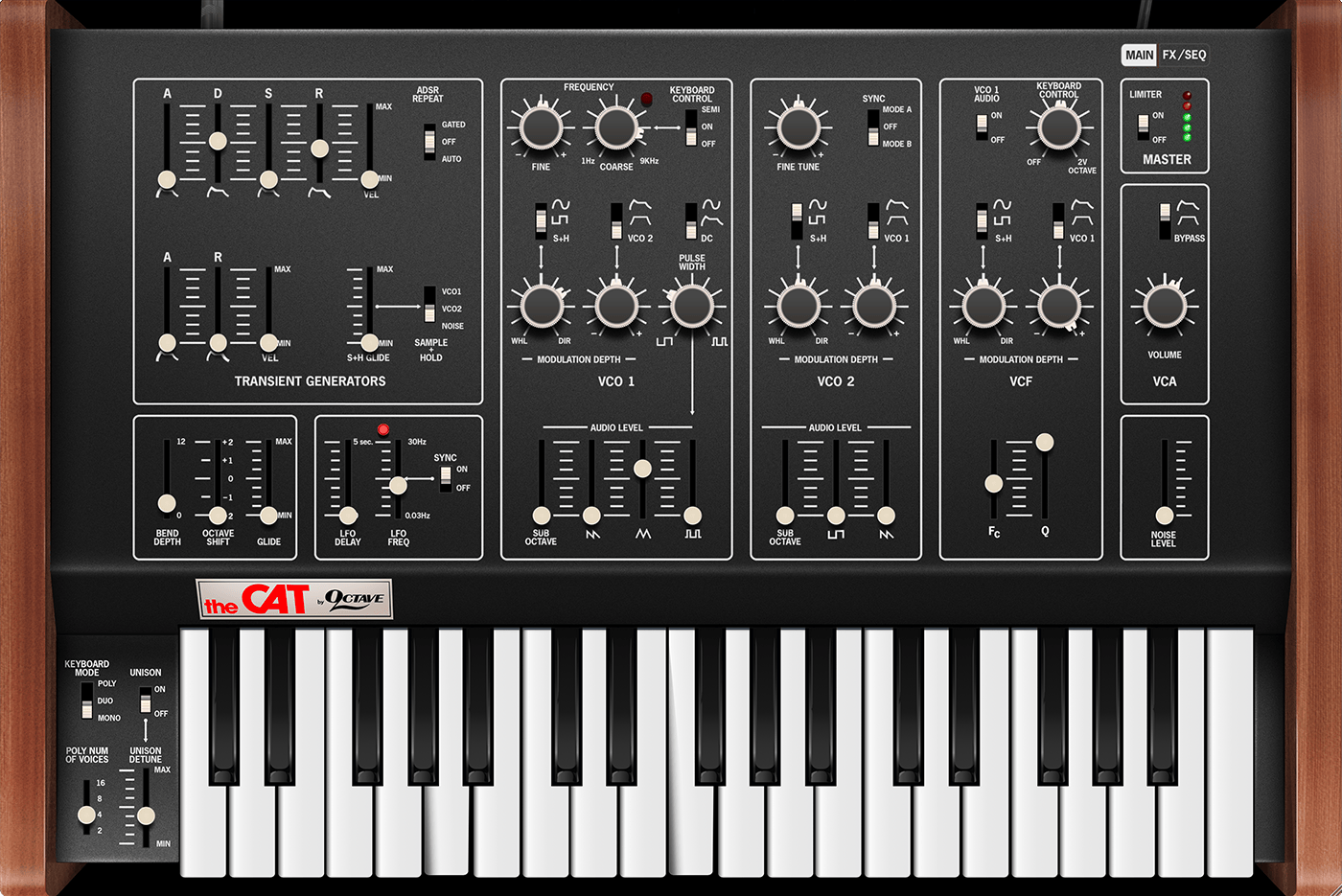
- Selectable original “Mark I” or later-style “SRM” skin
- Standalone virtual instrument and plug-in versions included
- Channel pressure and polyphonic aftertouch as a polyphonic modulation source
- Support for MIDI Polyphonic Expression (MPE) -- Pitch Channel Pressure and Timbre -- making Octave Cat capable of more organic and expressive performances when using MPE-compatible controllers
- Complete MIDI control and DAW automation for all controls with easy-to-use MIDI learn and mapping
- Cherry Audio’s popular Focus zoom-in feature as well as standard UI zoom and resize via drag
- Complete documentation available directly online from the instrument or in downloadable PDF format
- User-adjustable oversampling control
- OCTAVE CAT is available in AU VST VST3 AAX and standalone formats.
- macOS Requirements: macOS 10.13 or above. macOS 13 Ventura supported. 64-bit required. Native Apple M1 processor support including Apple M1 Ultra. 3.4 GHz Quad-Core or M1 CPU with 8GB of RAM recommended.
- Windows Requirements: Windows 7 or above (including Windows 11) 64-bit required. Quad-core computer with 8GB of RAM recommended.
- Hard disk space: 21 MB
Delivery
You may also like
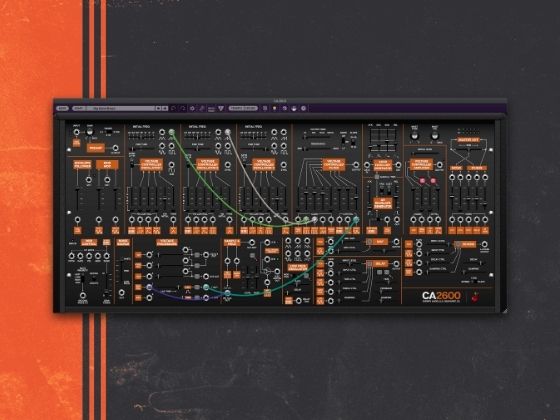
Cherry Audio CA2600 Synthesizer – Professional Audio Software & Plugin
Bajaao
₹3,339
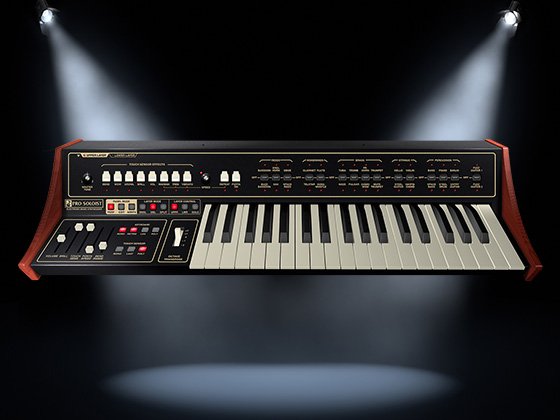
Cherry Audio Pro Soloist Synthesizer – Professional Audio Software & Plugin
Bajaao
₹5,641
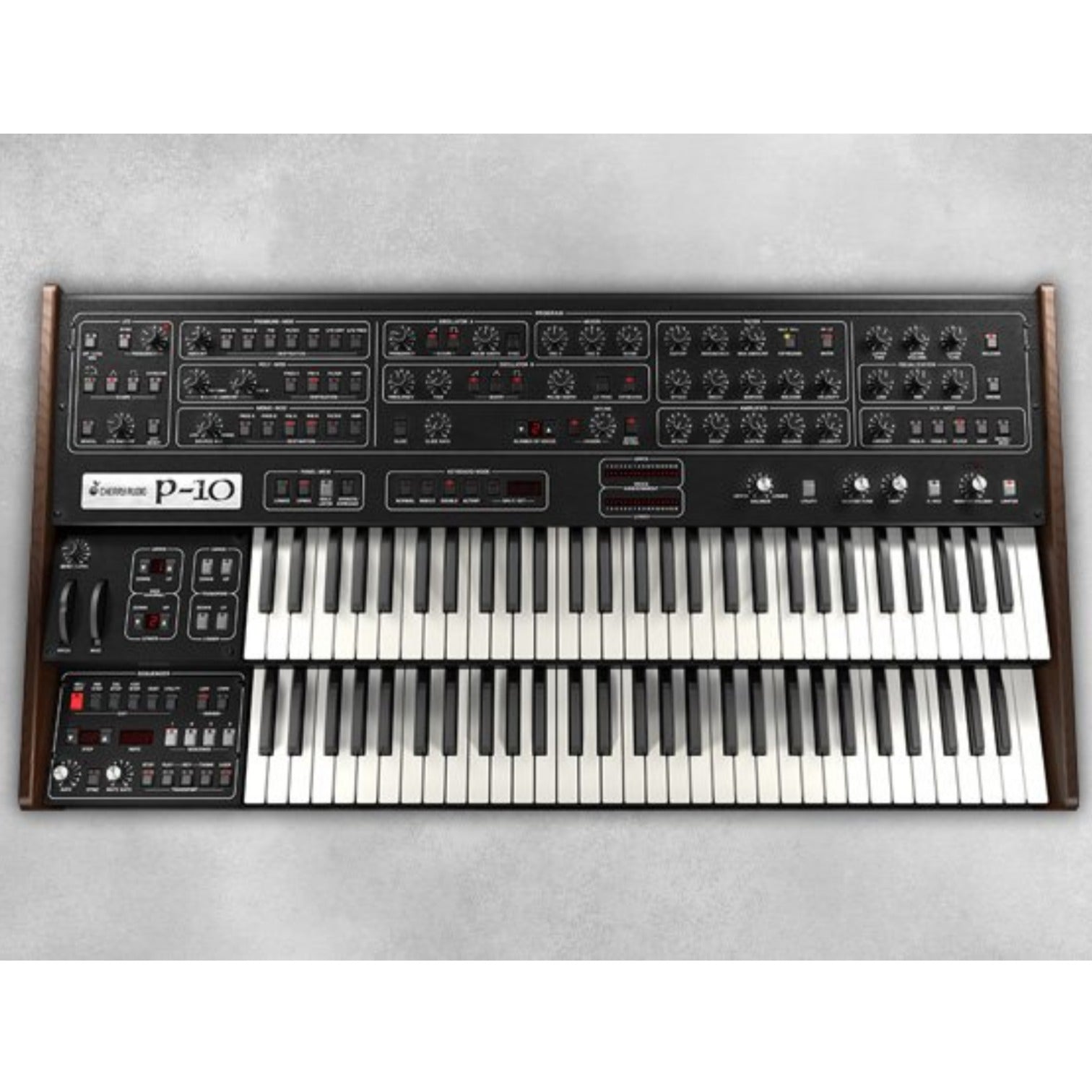
Cherry Audio P-10 Synthesizer – Professional Audio Software & Plugin
Bajaao
₹7,943
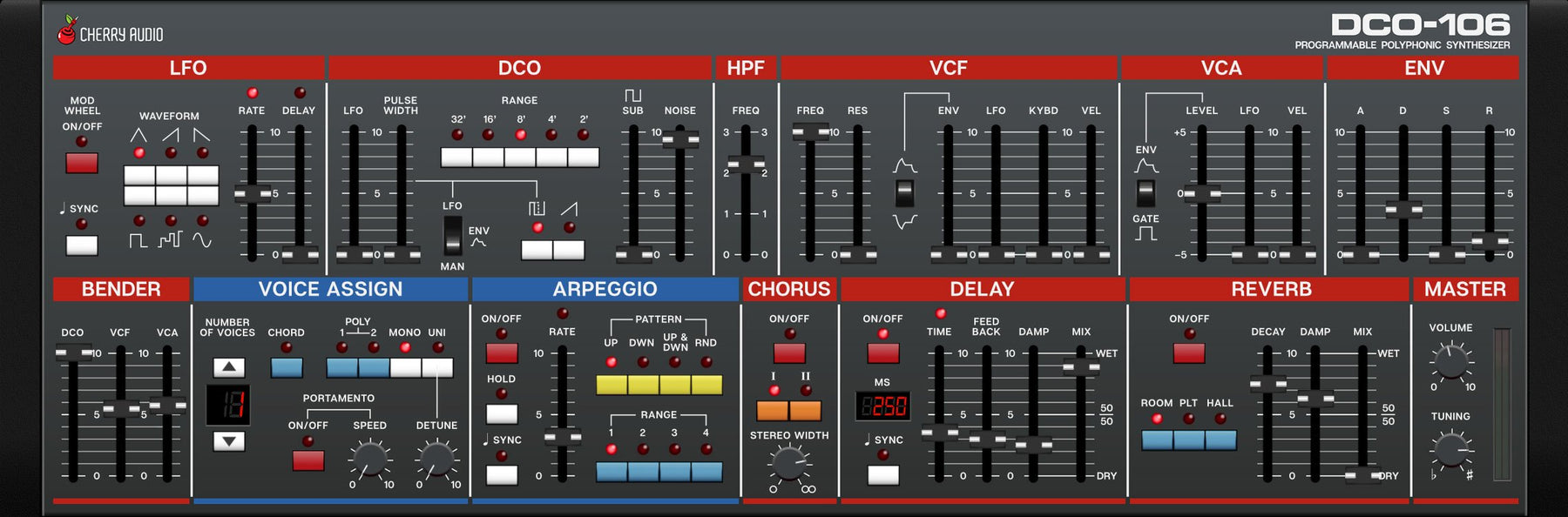
Cherry Audio DCO-106 Polyphonic Synthesizer – Professional Audio Software & Plugin
Bajaao
₹3,339
Cherry Audio Quadra Synthesizer – Professional Audio Software & Plugin
Bajaao
₹5,641
Cherry Audio Elka-X Synthesizer – Professional Audio Software & Plugin
Bajaao
₹6,792
Cherry Audio PS-3300 Synthesizer – Professional Audio Software & Plugin
Bajaao
₹5,641
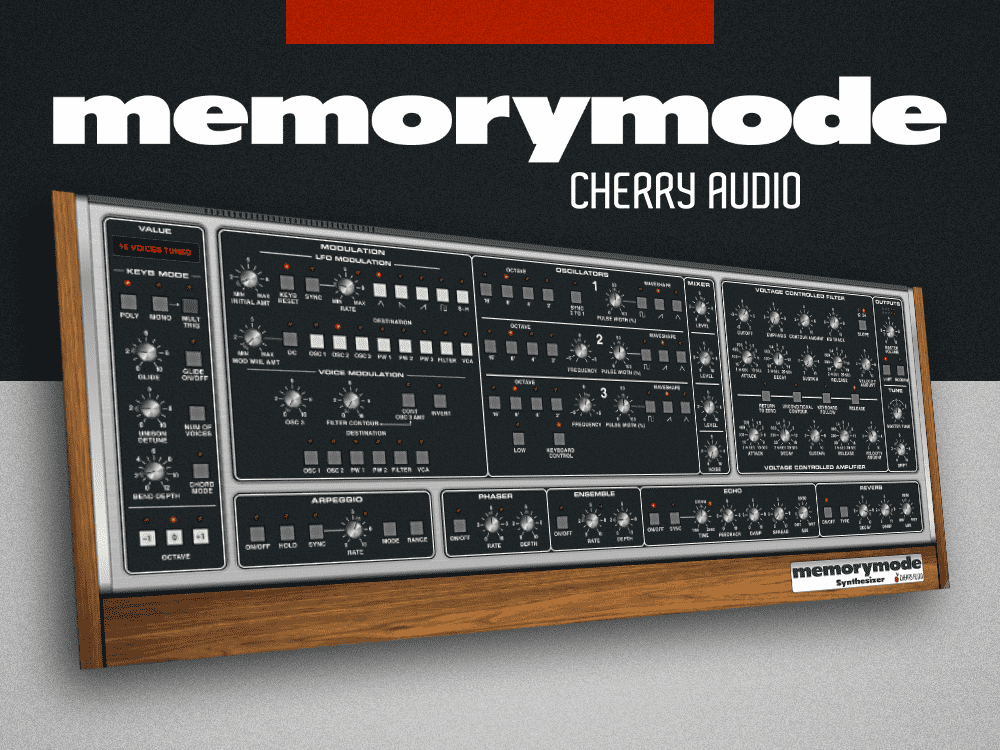
Cherry Audio Memorymode Synthesizer – Professional Audio Software & Plugin
Bajaao
₹5,641