Culture Of India (Farewell)
₹135,000
● In stock · ★ 5.0 (11)checking live price…
Size
48x48Type
OriginalMaterial
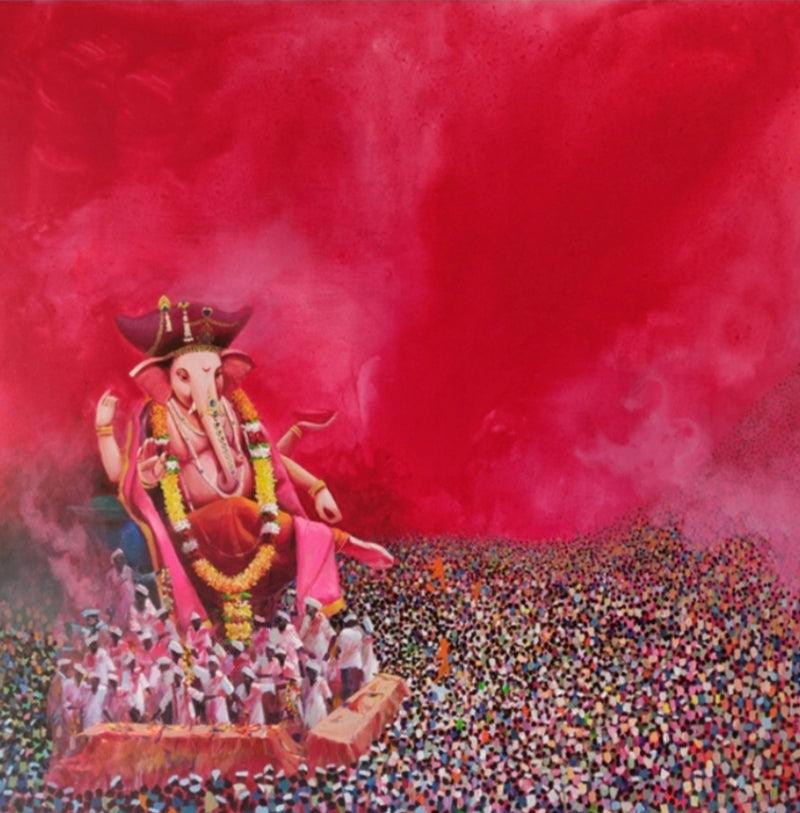
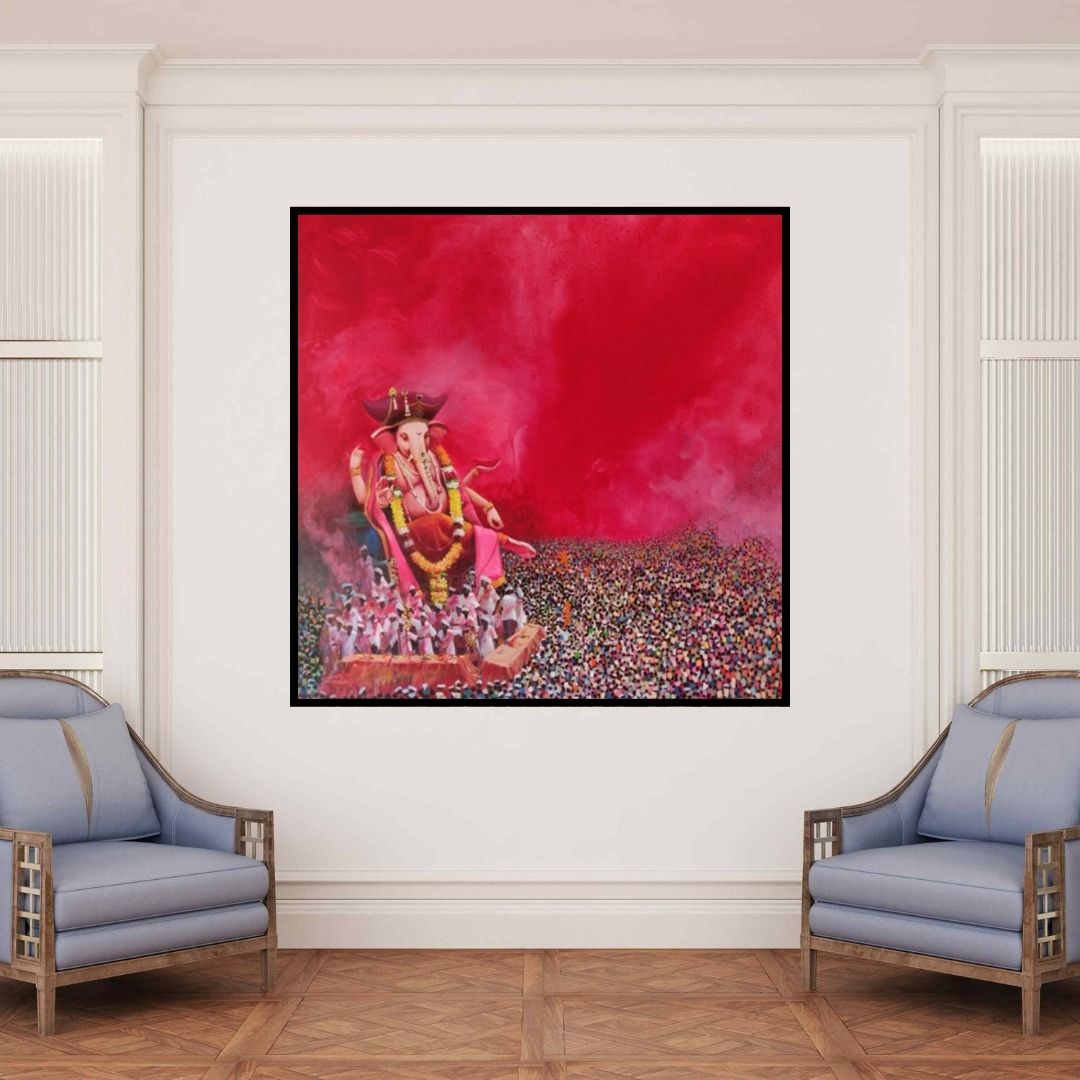
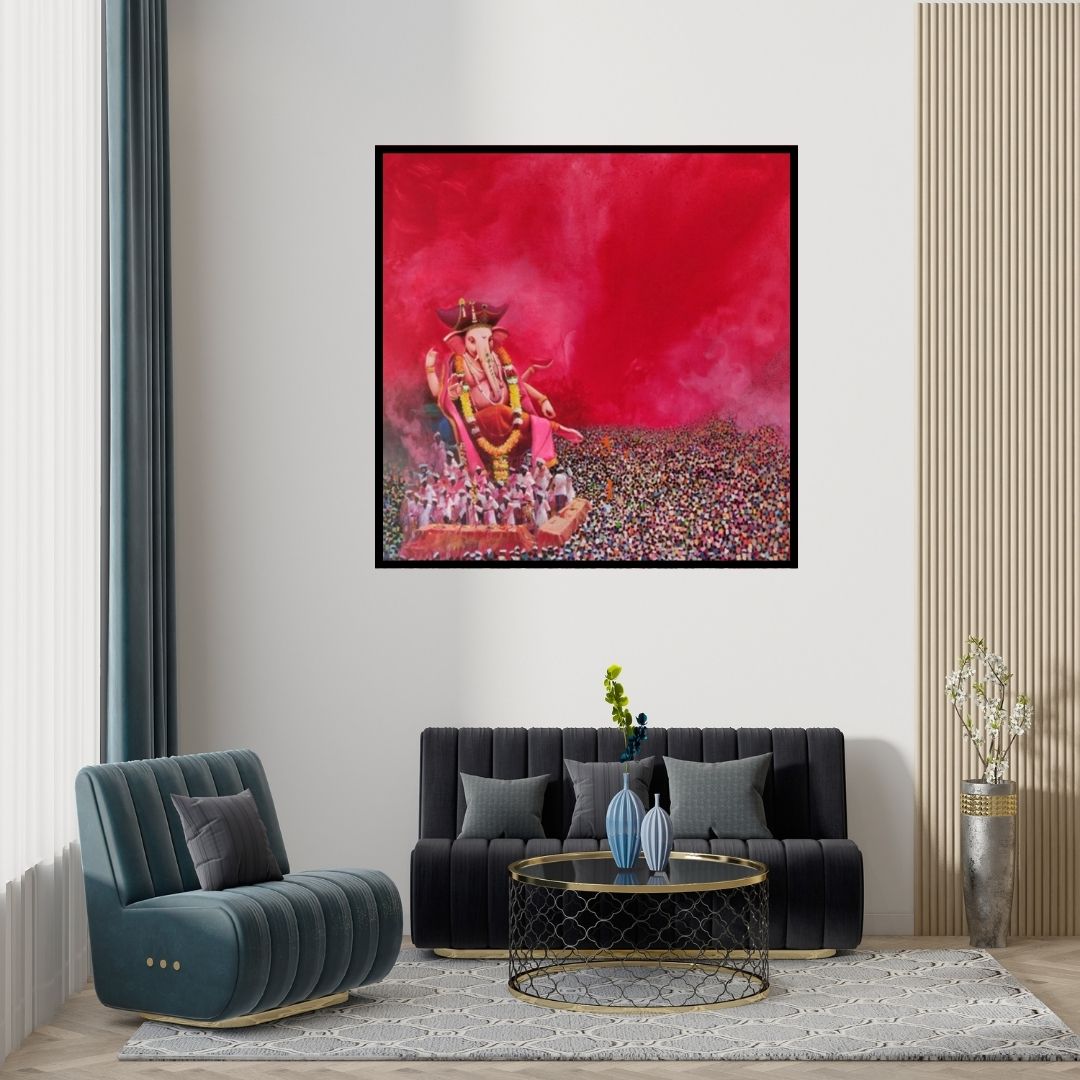
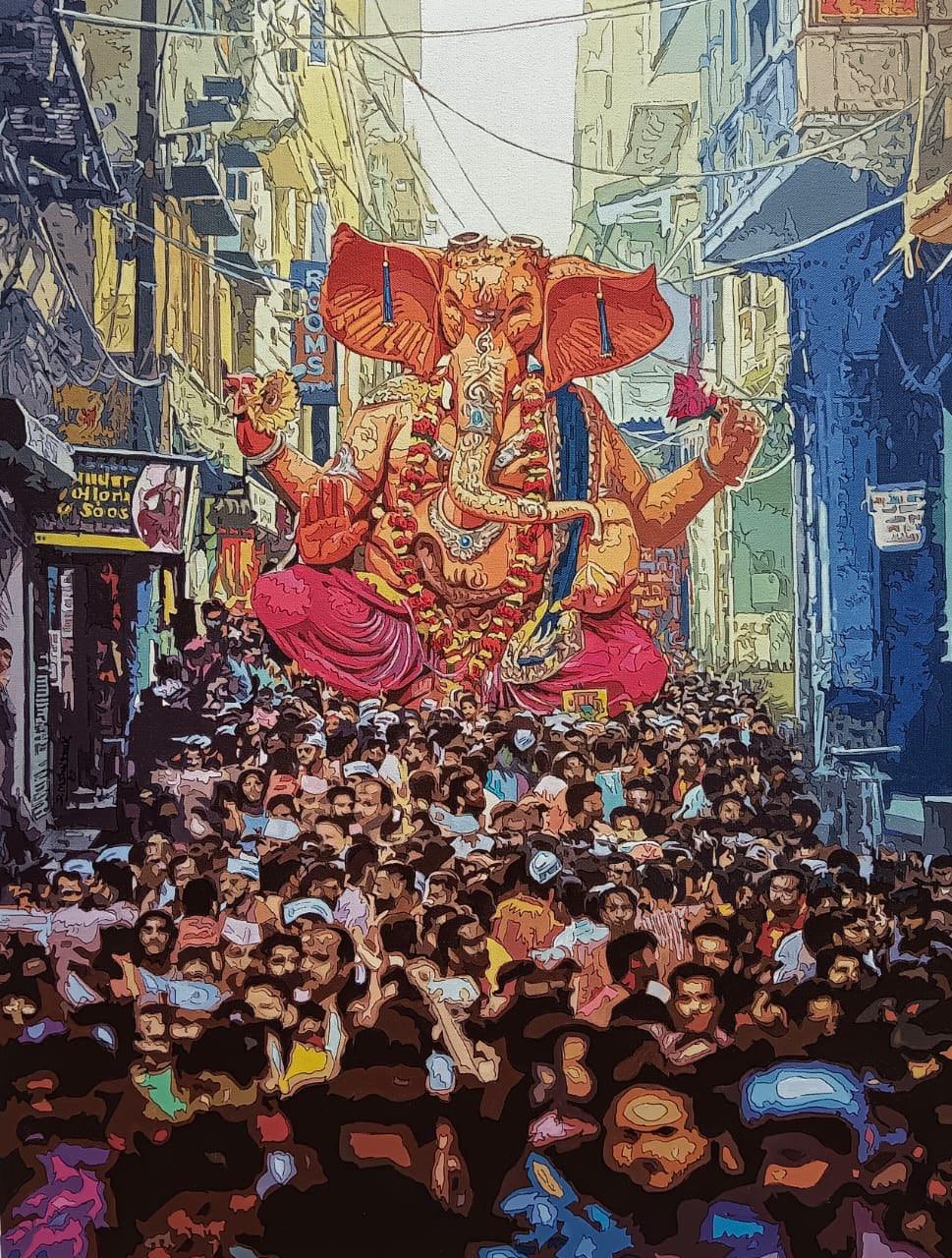
CanvasA monumental Ganesha presides over a sea of devotees, his calm, icon-like stillness held against a vast crimson atmosphere that reads as both celebratory pigment and charged spiritual weather. The composition compresses space into a rising tide of bodies—tiny, tessellated marks that dissolve individuality into collective rhythm—while the deity’s softened contours and garlands become an anchor of grace amid human density. That saturated red field functions like ritual heat: it sanctifies the scene even as it hints at the volatility of faith when it becomes mass movement, turning devotion into a force that can console and overwhelm at once.
Delivery
You may also like
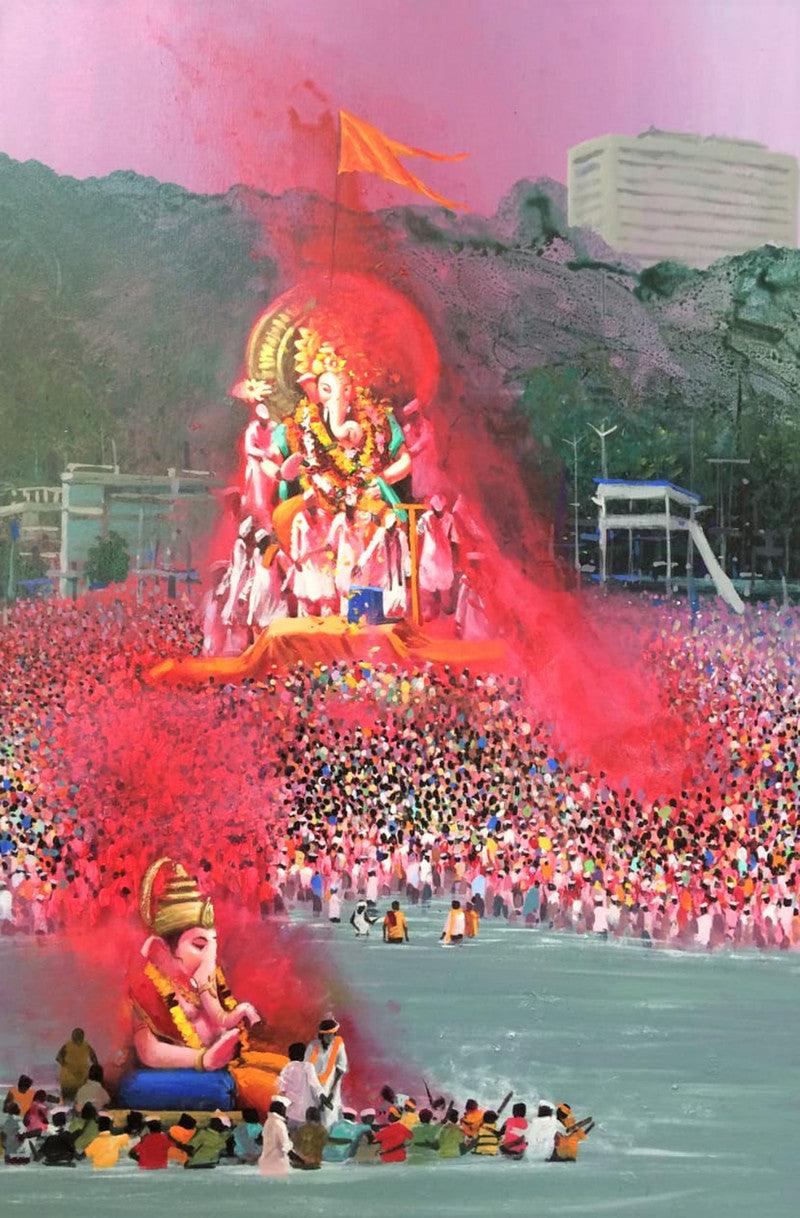
Culture Of India 2 (Farewell to Ganesha)
Artzolo
₹80,000
★ 5.0 (14)
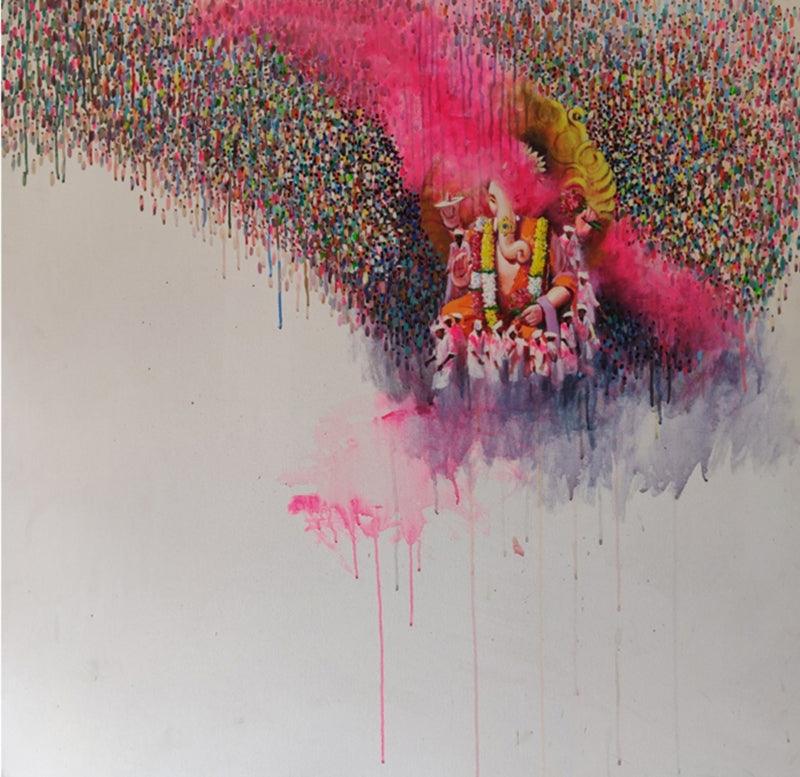
Lalbaghcha Raja (Divine Shower)
Artzolo
₹135,000
★ 5.0 (6)
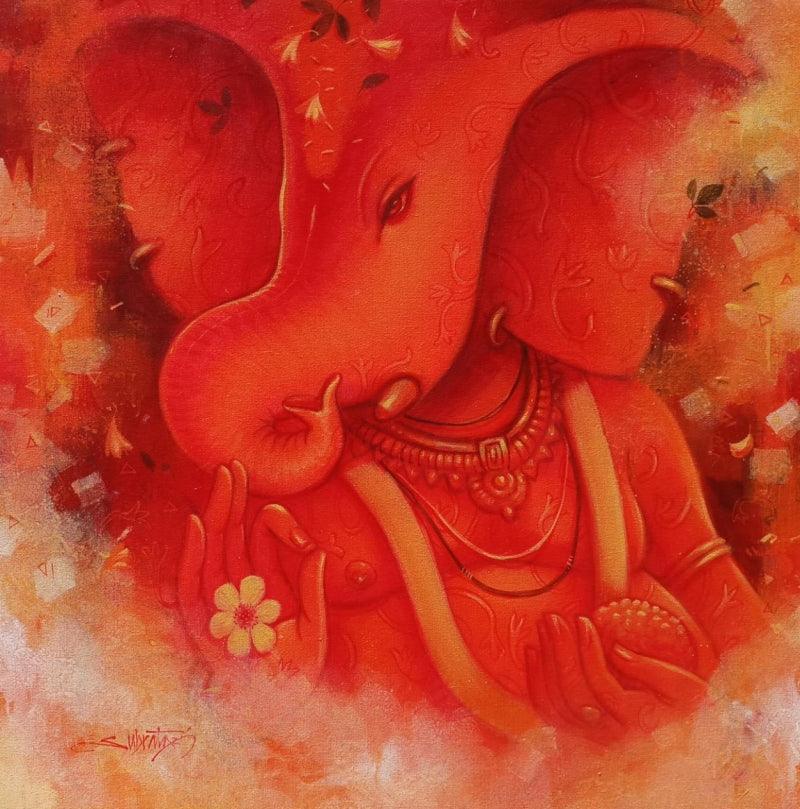
Lord Ganesha (The Red Ganesha)
Artzolo
₹70,000
out of stock
★ 5.0 (13)
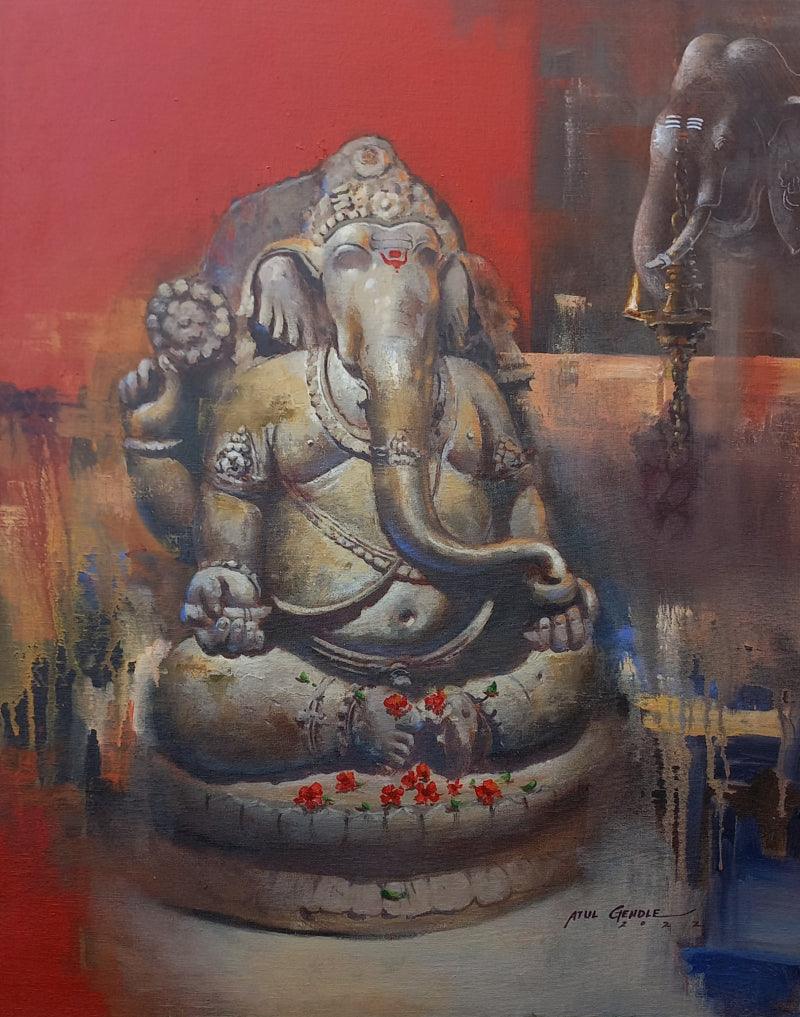
Lord Ganesha (Ganesha Idol) (Ganesha Crimson Sanctuary)
Artzolo
₹45,000
★ 4.0 (12)
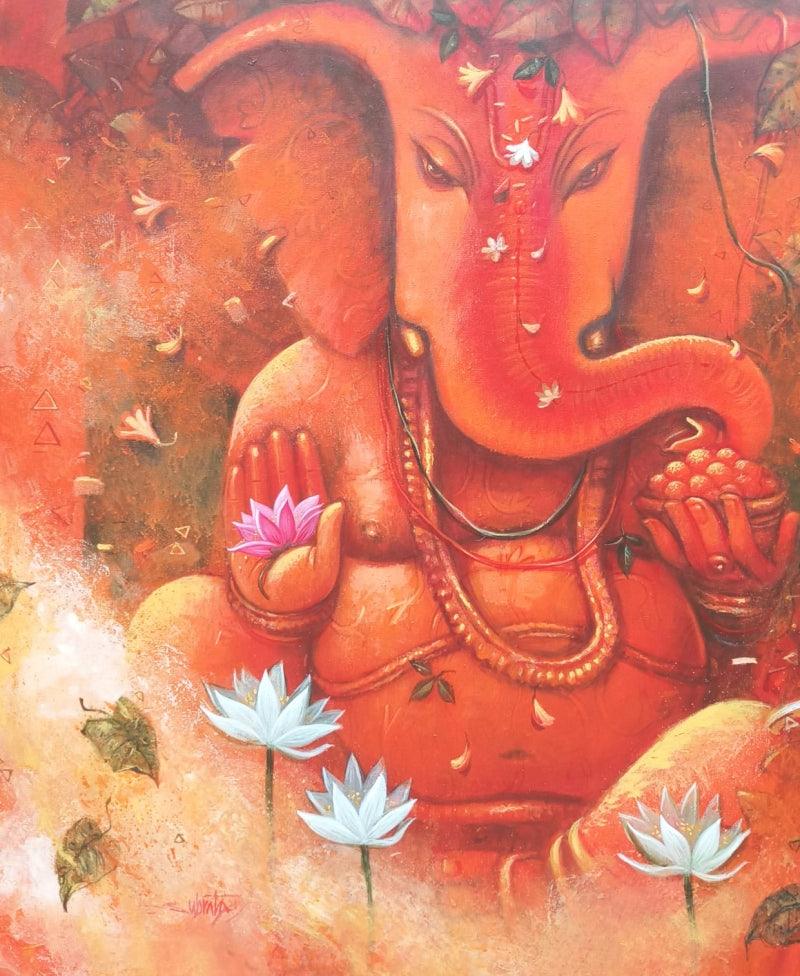
Ganesha (Ganesha and the Lotus)
Artzolo
₹95,000
out of stock
★ 4.0 (14)
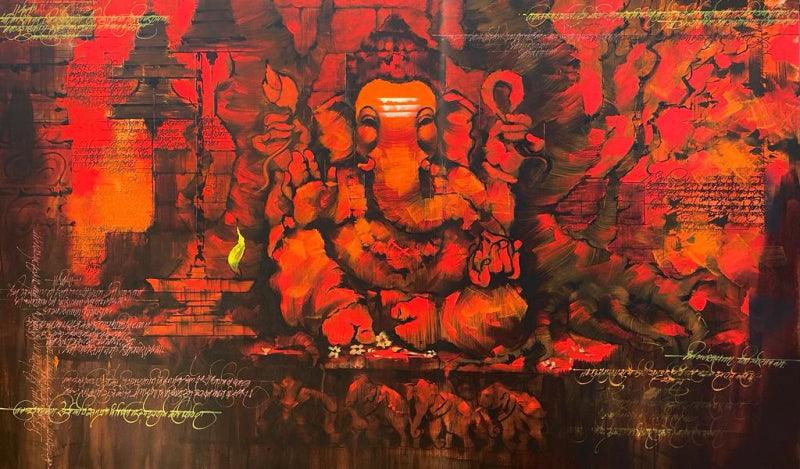
Lord Ganesha (Ganesha's Crimson Glow)
Artzolo
₹450,000
★ 4.0 (8)
Vakratunda (The Elephant in the Room)
Artzolo
₹50,000
out of stock
★ 4.0 (7)
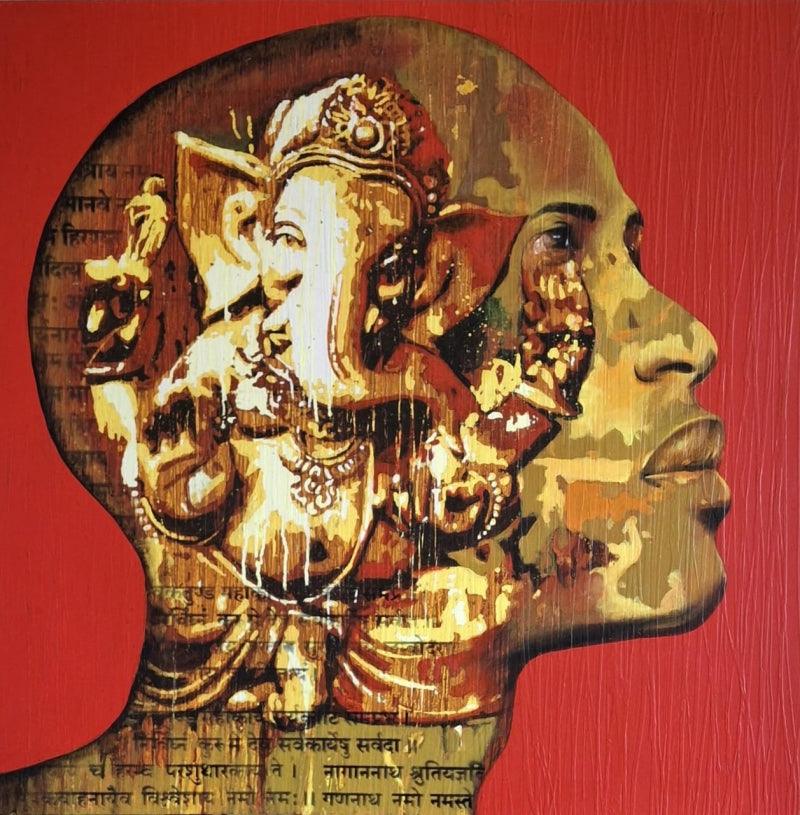
Untitled 2 (Embodiment of Ganesha)
Artzolo
₹90,000
out of stock