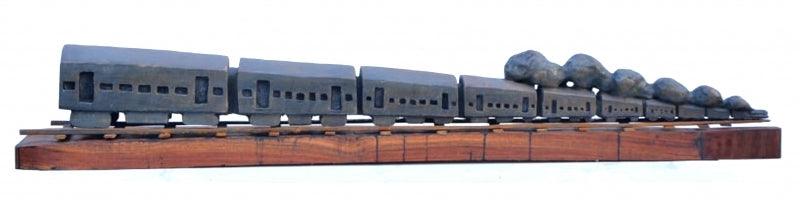
Untitled 1 (The Decaying Journey)
₹60,000
● In stock · ★ 4.0 (7)checking live price…
Size
45x9x8Type
OriginalMaterial
Fiberglass, MetalA slender procession of train cars stretches across a warm wooden plinth, its cool, slate-grey bodies punctuated by measured apertures that read like a metronome of lived time. The strict horizontality and repeated modules evoke industrial order, yet the clustered, stone-like cargo at the rear interrupts the rhythm—an emblem of burden, memory, or raw material trailing behind progress. In the stark isolation of the white field, the piece becomes less a vehicle than a quiet meditation on transit: how movement can feel both purposeful and weighty, carrying the architecture of routine while dragging the residue of what cannot be left behind.
Delivery
You may also like
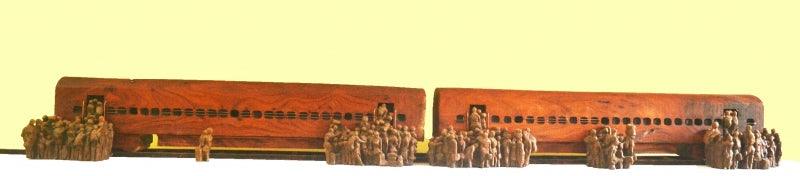
Struggle (The Human Caravan)
Artzolo
₹160,000
★ 5.0 (6)
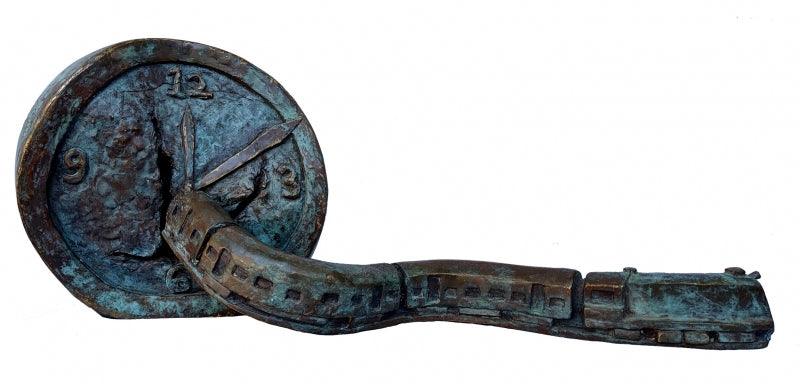
Breaking Boundations (Time and Tide)
Artzolo
₹120,000
★ 4.0 (13)
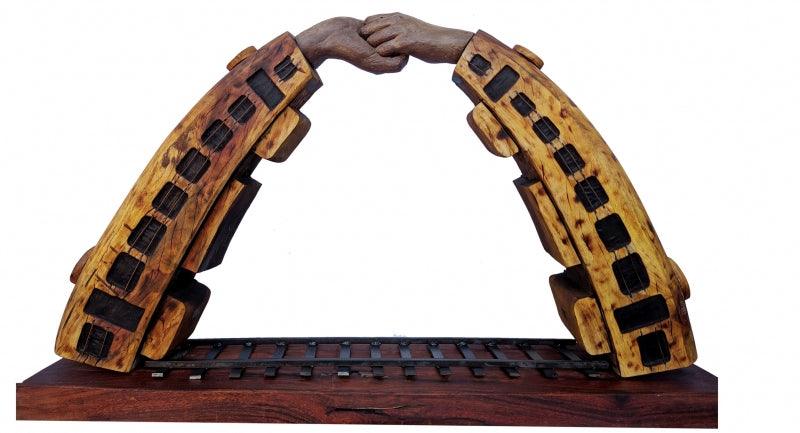
The Bond Unbroken (The Meeting of Minds)
Artzolo
₹70,000
★ 4.0 (11)
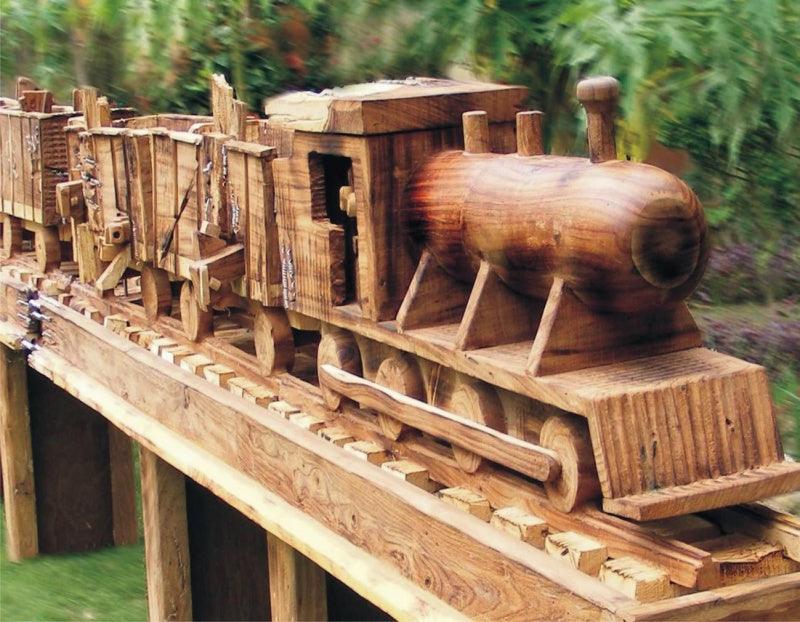
Untitled 1 (Iron Horse in Wood)
Artzolo
₹250,000
★ 4.0 (11)
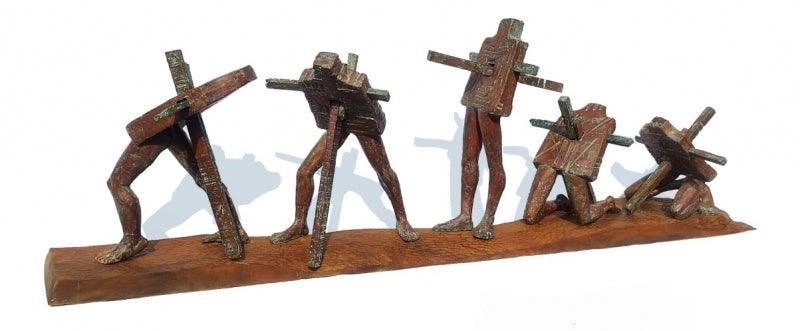
Working Class (Carrying the Weight)
Artzolo
₹340,000
★ 5.0 (10)
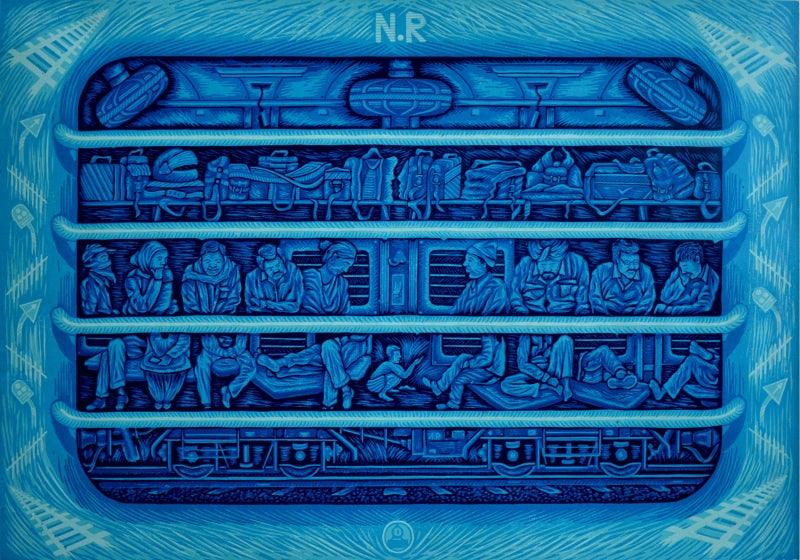
Untitled 4 (The Train Journey)
Artzolo
₹42,000
★ 4.0 (11)
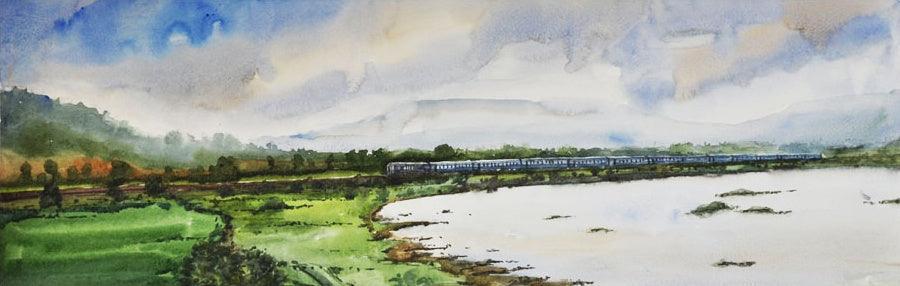
Untitled (Journey Through the Landscape)
Artzolo
₹8,500
★ 4.0 (5)
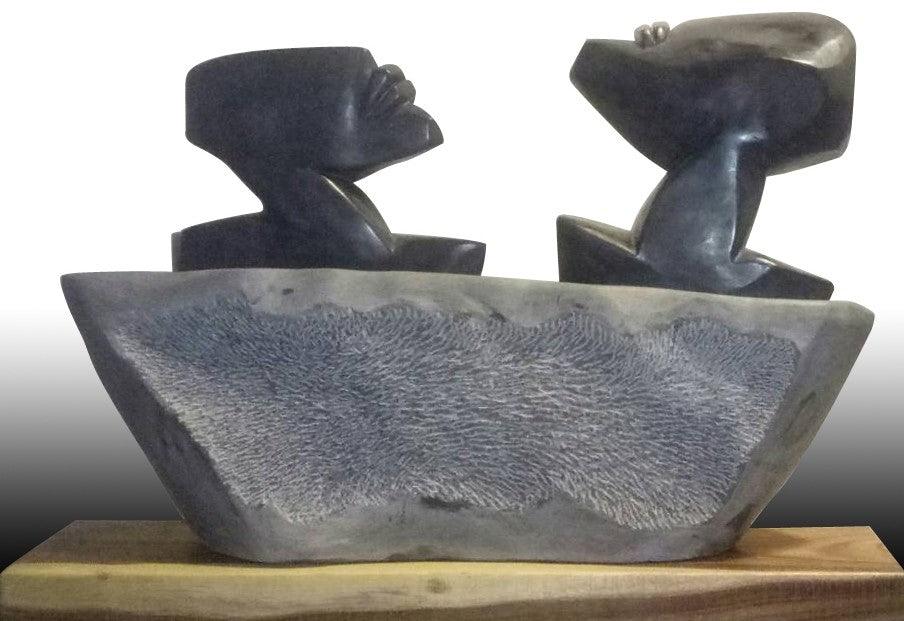
Untitled 1
Artzolo
₹150,000
out of stock
★ 4.0 (7)