Camellia sinensis - Plant
Camellia sinensis - The Tea Plant
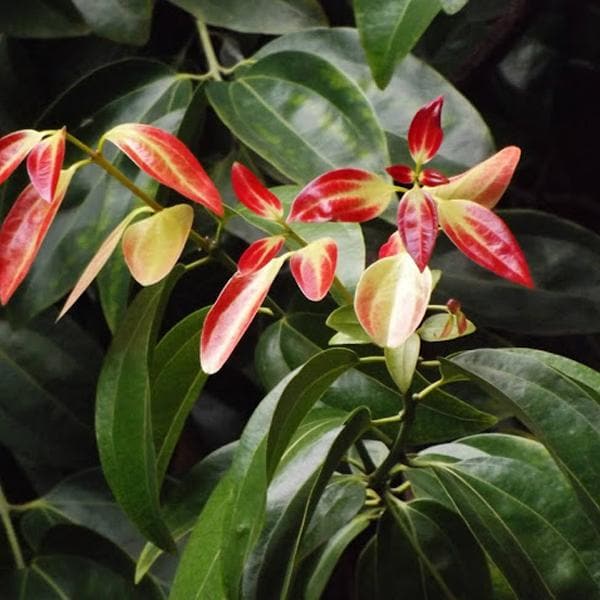
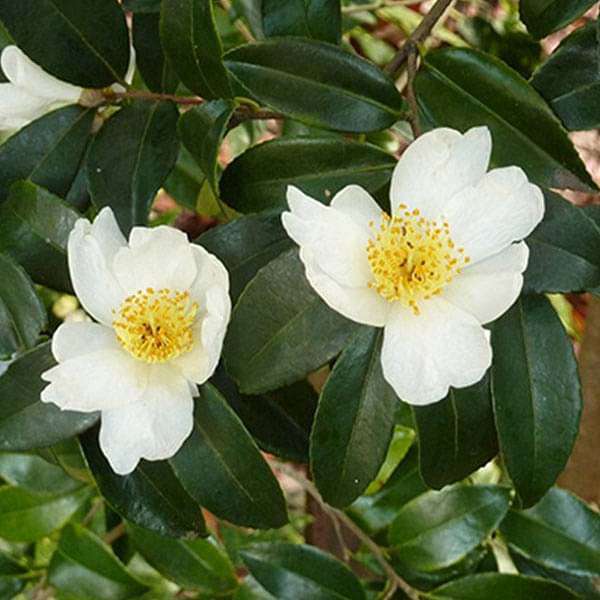
Camellia sinensis, commonly known as the tea plant, is a versatile evergreen shrub native to East Asia. This remarkable plant is the source of all traditional teas, including green, black, white, and oolong. With its glossy leaves and fragrant white flowers, it not only serves as a staple in global beverage culture but also offers numerous health benefits, making it a must-have for tea enthusiasts and gardeners alike.
What makes Camellia sinensis special is its rich history and cultural significance. Used for centuries in traditional medicine and social rituals, this plant has been revered for its antioxidant properties and calming effects. Its leaves contain polyphenols, which are known to promote heart health and boost metabolism, making it a valuable addition to any garden.
One of the standout features of Camellia sinensis is its adaptability. It thrives in various climates, from subtropical to temperate regions, and can be cultivated in pots or directly in the ground. This resilience, combined with its aesthetic appeal, makes it an excellent choice for both ornamental and practical gardening.
Growing Instructions
- Soil: Well-draining, acidic soil (pH 5.5-6.5) is ideal.
- Light: Prefers partial shade to full sun; avoid harsh afternoon sun.
- Temperature: Thrives in temperatures between 60°F to 80°F (15°C to 27°C).
- Propagation: Can be propagated from seeds or cuttings.
Care Instructions
- Watering: Keep the soil consistently moist but not waterlogged.
- Fertilizing: Use a balanced fertilizer during the growing season.
- Pruning: Prune annually to maintain shape and encourage new growth.
- Pest Control: Monitor for pests like aphids and spider mites; treat as necessary.
Uses
- Tea Production: Leaves can be harvested and processed into various types of tea.
- Culinary: Young leaves can be used in salads or as a flavoring in dishes.
- Medicinal: Known for its health benefits, including antioxidant and anti-inflammatory properties.
- Ornamental: Adds beauty to gardens with its lush foliage and delicate flowers.
Fun Facts
- Camellia sinensis is believed to have been discovered over 5,000 years ago in China.
- Tea is the second most consumed beverage in the world, after water.
- The plant can live for over 100 years, producing leaves for tea throughout its life.
- Different processing methods of the leaves result in the various types of tea we enjoy today.
Environmental Impact
Camellia sinensis plays a significant role in sustainable agriculture. When grown organically, it can help improve soil health and promote biodiversity. Additionally, tea plantations can provide habitats for various wildlife species, contributing positively to local ecosystems.
Coupons
Delivery
You may also like