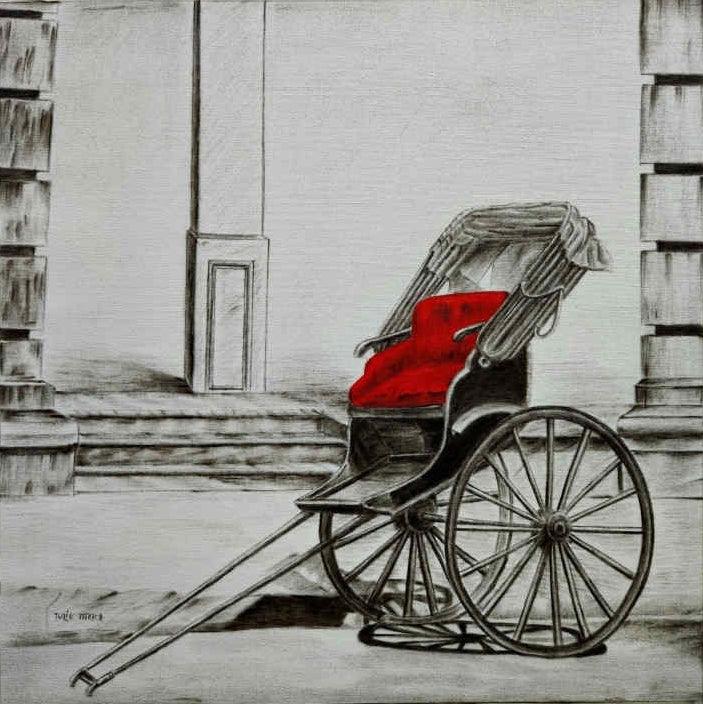
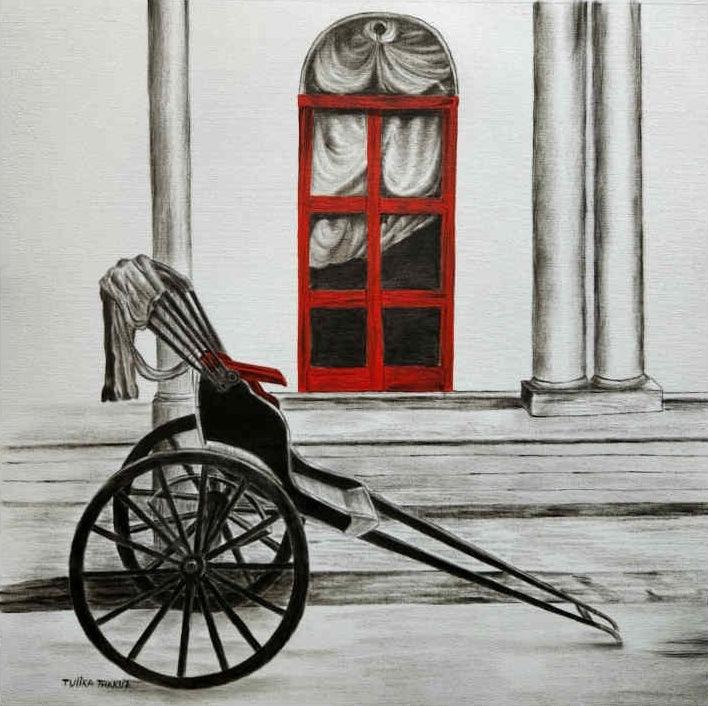
Old Memories In Kolkata 15 (Nostalgic Rickshaw)
₹25,000
● In stockchecking live price…
Size
24x24Type
OriginalMaterial
CanvasRendered in restrained charcoal tones, the lone rickshaw is staged like a quiet relic against an architectural backdrop that feels both public and indifferent, its clean verticals heightening the sense of stillness. The single red cushion becomes the work’s emotional fulcrum—an ember of human presence in an otherwise desaturated world—suggesting warmth, labor, and memory lingering after the body has departed. Precise spokes and taut shafts draw the eye in measured rhythms, while the vacant seat turns utilitarian design into a portrait of waiting, absence, and the dignity of everyday transit.
Delivery
You may also like
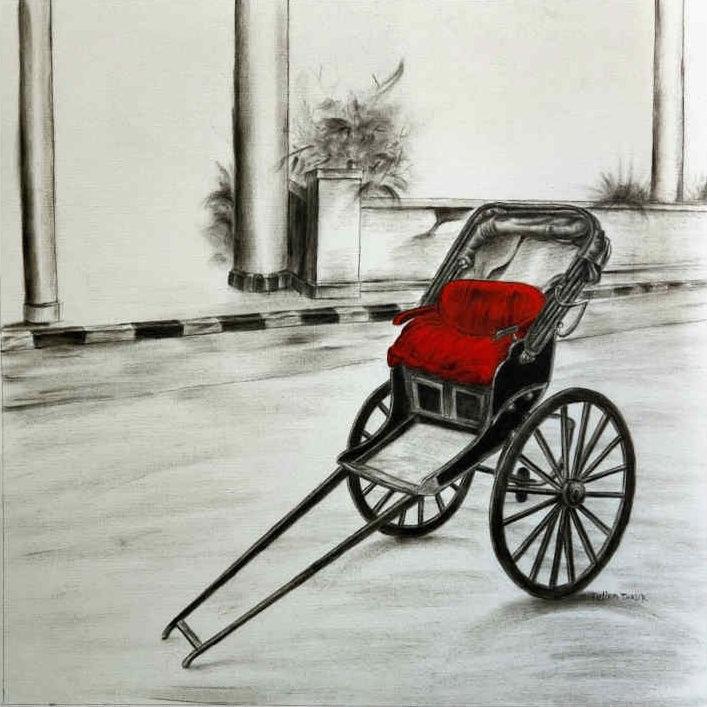
Old Memories In Kolkata 9 (Nostalgic Rickshaw)
Artzolo
₹25,000
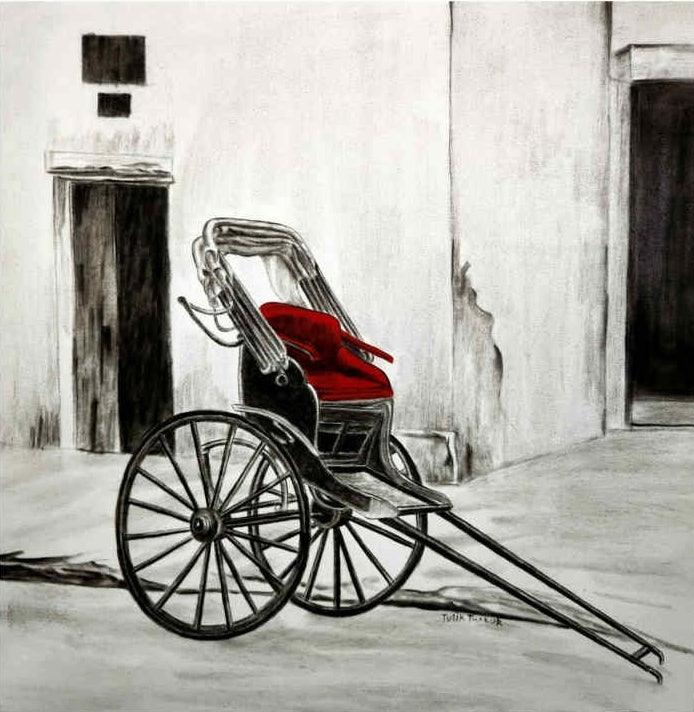
Old Memories In Kolkata 6 (Nostalgic Rickshaw)
Artzolo
₹25,000
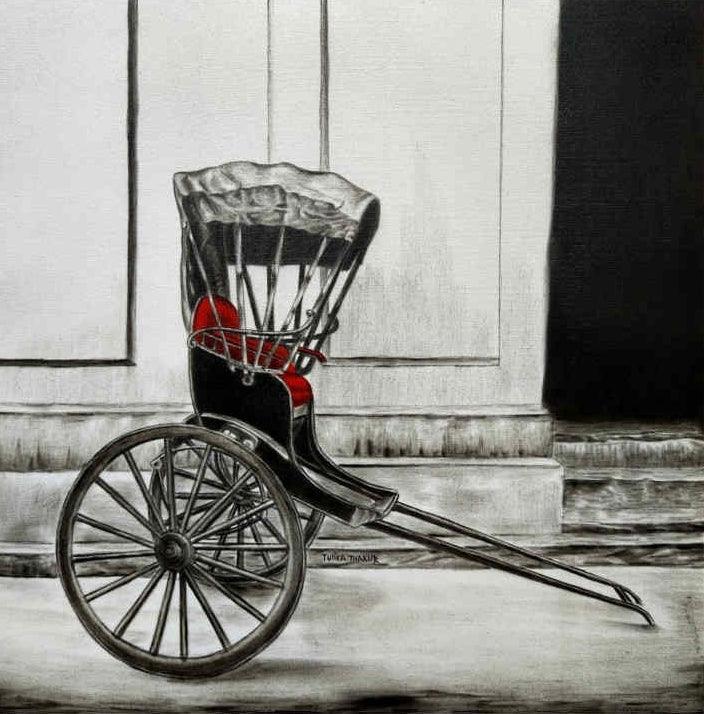
Old Memories In Kolkata 7 (Nostalgic Rickshaw)
Artzolo
₹25,000
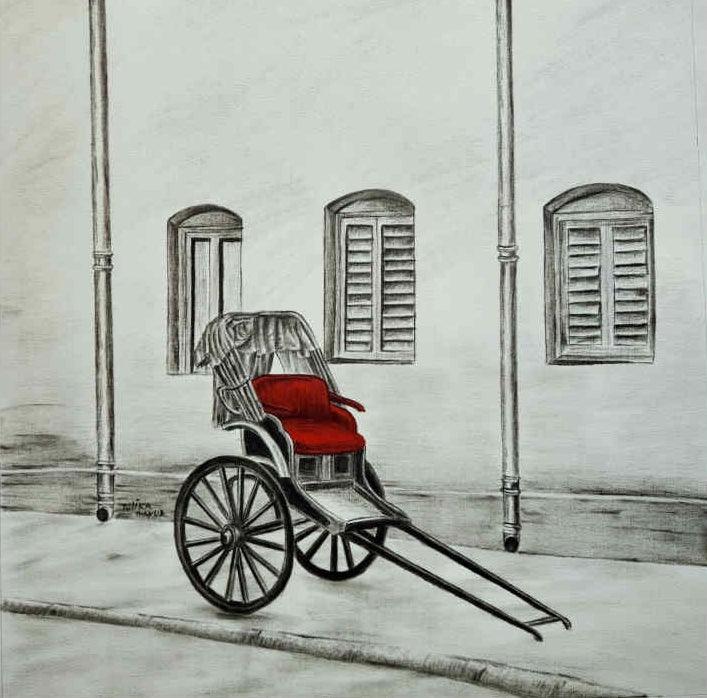
Old Memories In Kolkata 11 (Nostalgic Rickshaw)
Artzolo
₹25,000
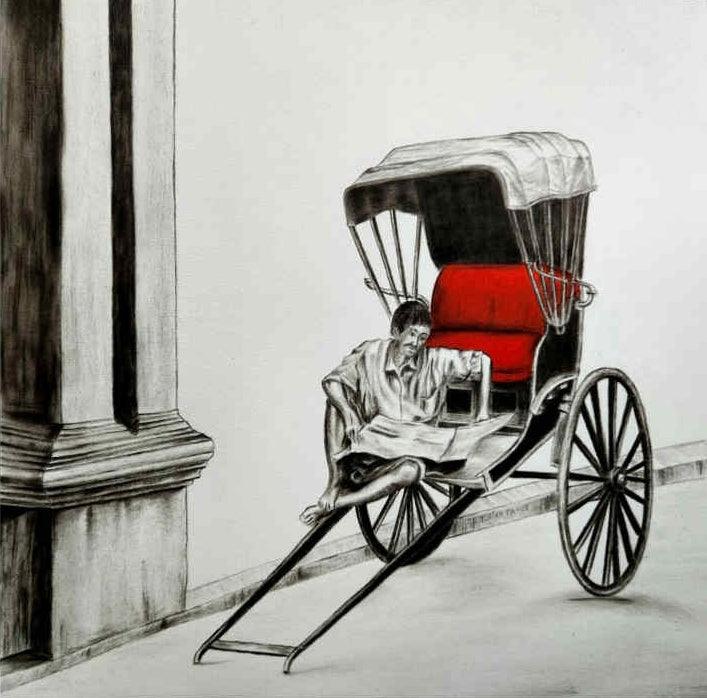
Old Memories In Kolkata 12 (Resting Rickshaw Puller)
Artzolo
₹25,000
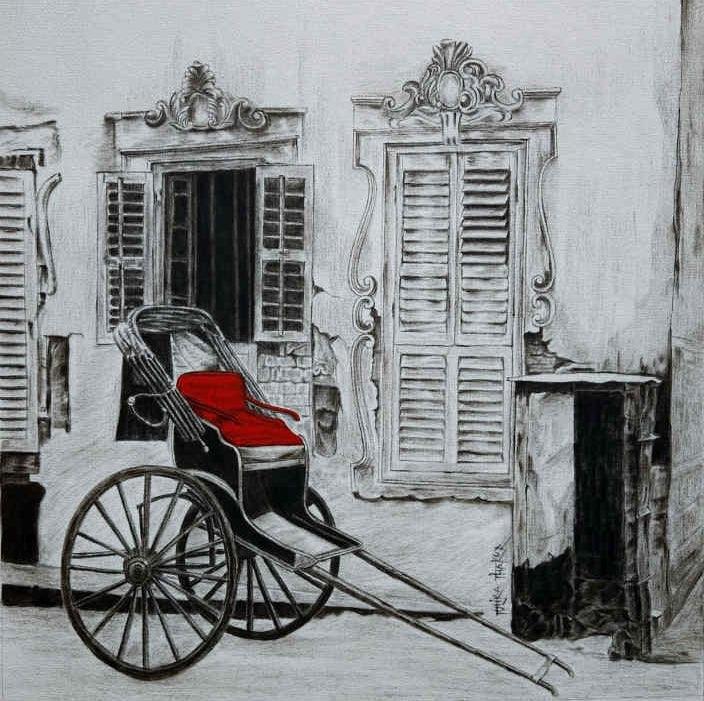
Old Memories In Kolkata 5
Artzolo
₹25,000
out of stock
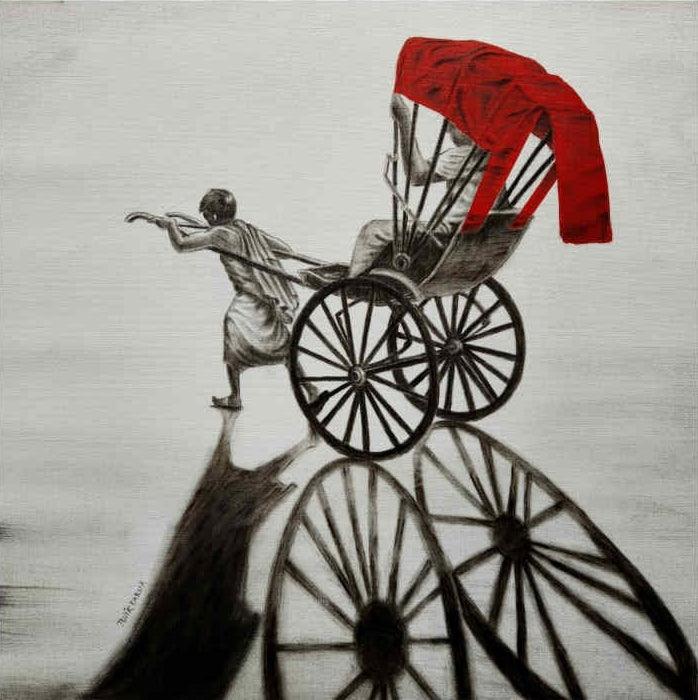
Old Memories In Kolkata 1 (Urban Toil)
Artzolo
₹25,000
Old Memories In Kolkata 10
Artzolo
₹25,000
out of stock