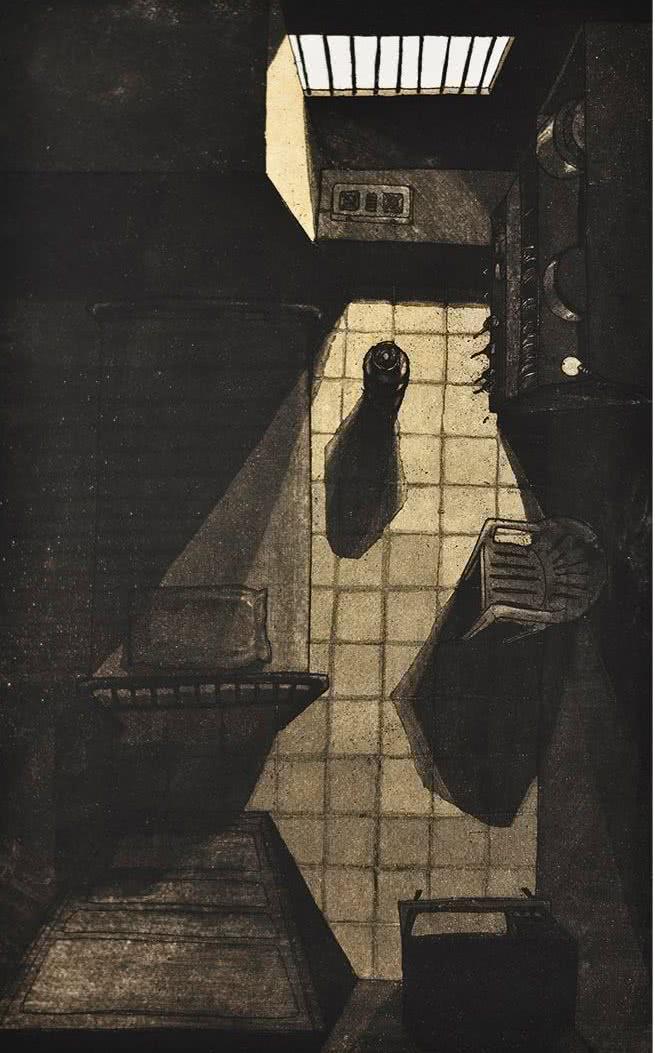
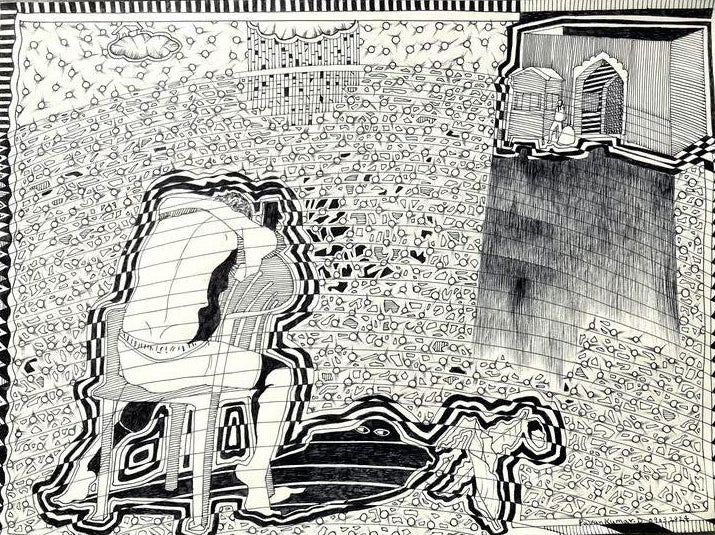
Room (Interior with Light Beam)
₹12,000
● In stock · ★ 4.0 (11)checking live price…
Size
20x13Type
OriginalMaterial
PaperViewed from an unblinking, overhead vantage, the scene compresses a human presence into a narrow corridor of tiled light, where a single figure becomes less a body than a shadowed proposition—weight, waiting, and quiet apprehension. The harsh rectangle of illumination carves the room into opposing territories of visibility and concealment, turning everyday furnishings into looming silhouettes that read like instruments of routine and restraint. In this austerity of palette and space, the work suggests an interior narrative: the architecture itself feels sentient, measuring the distance between solitude and surveillance with clinical precision.
Delivery
You may also like
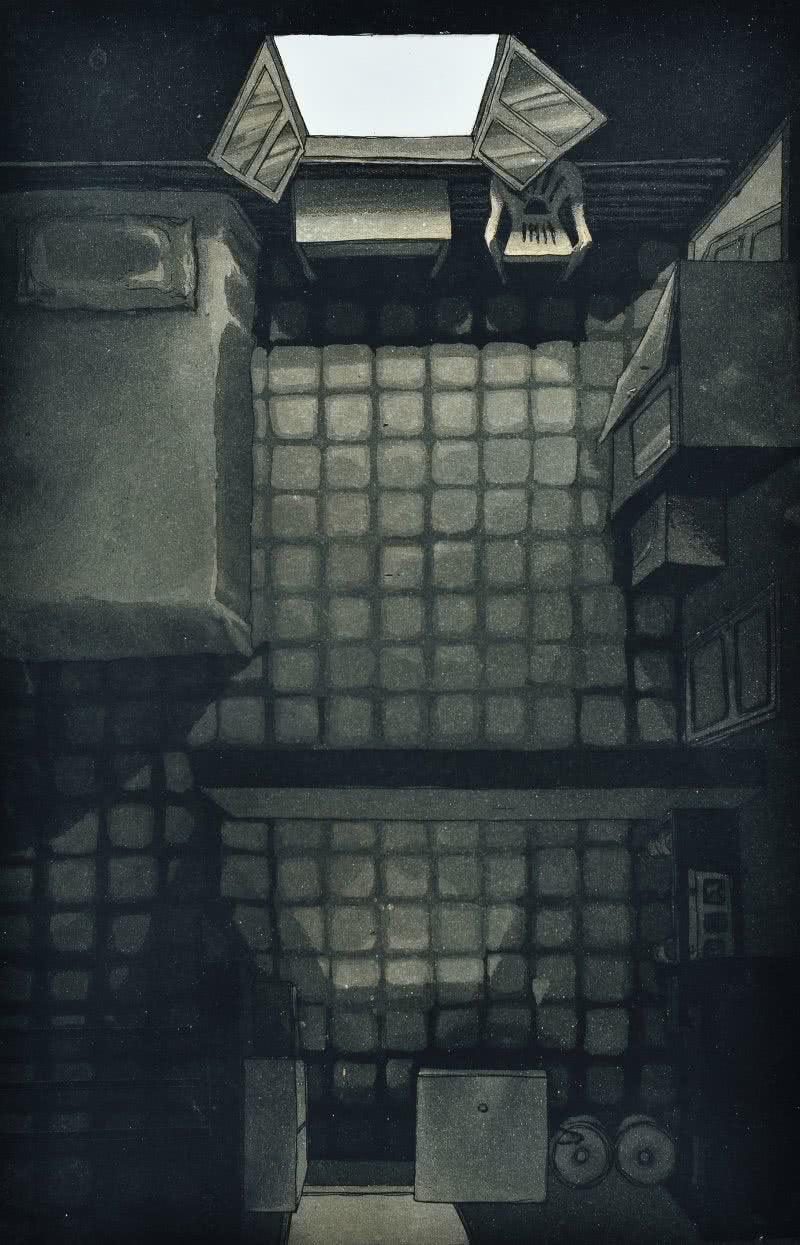
Room Ii (Birds-Eye View of an Apartment)
Artzolo
₹14,000
★ 4.0 (7)
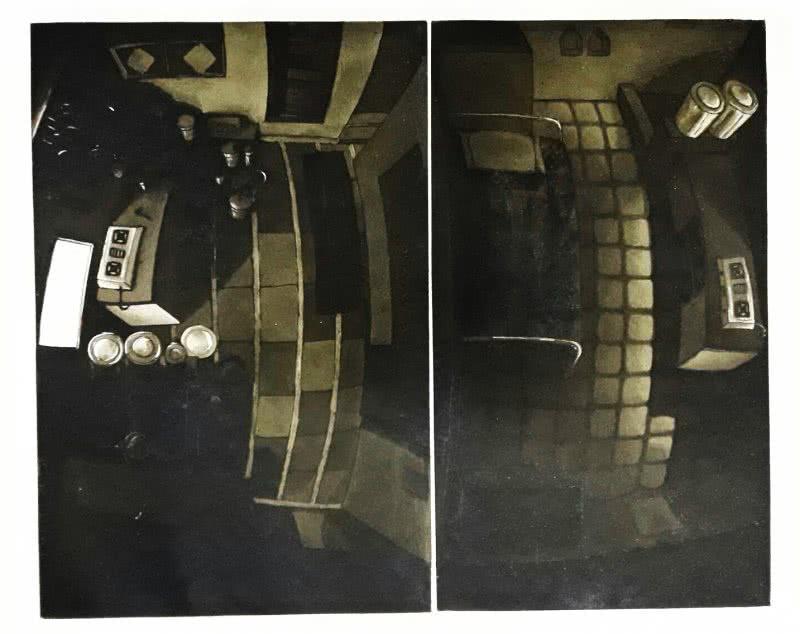
Aurora (Divided Interior Scene)
Artzolo
₹20,000
★ 4.0 (12)
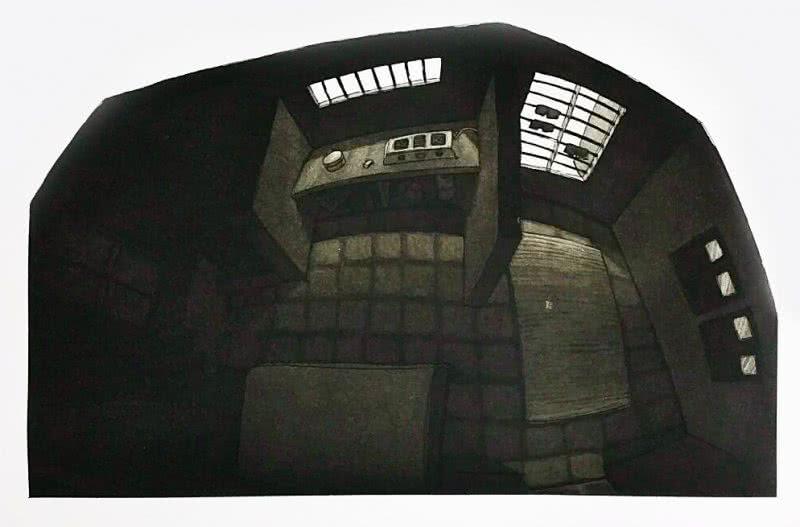
Day Break I (Interior Perspective)
Artzolo
₹13,000
★ 4.0 (5)
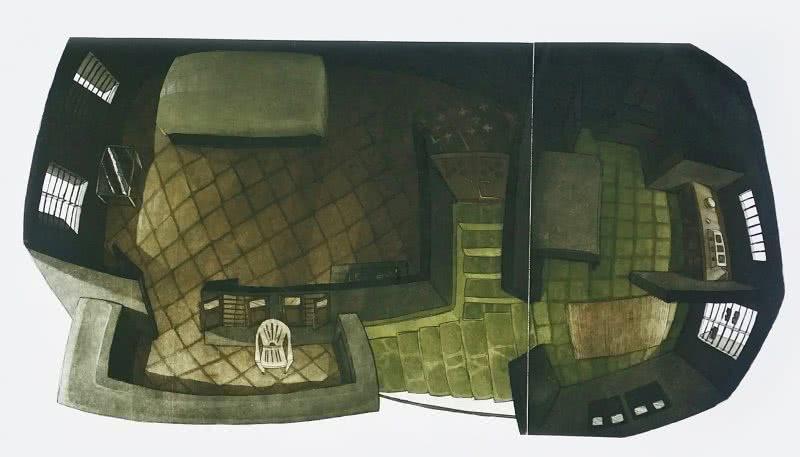
Day Break (Interior Perspective with Chair)
Artzolo
₹35,000
★ 5.0 (15)
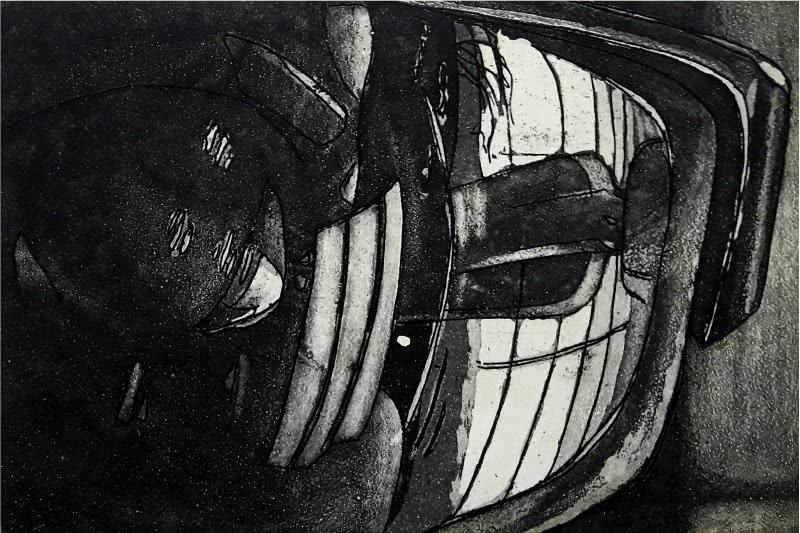
Window (Abstract Car Detail)
Artzolo
₹2,500
★ 4.0 (15)
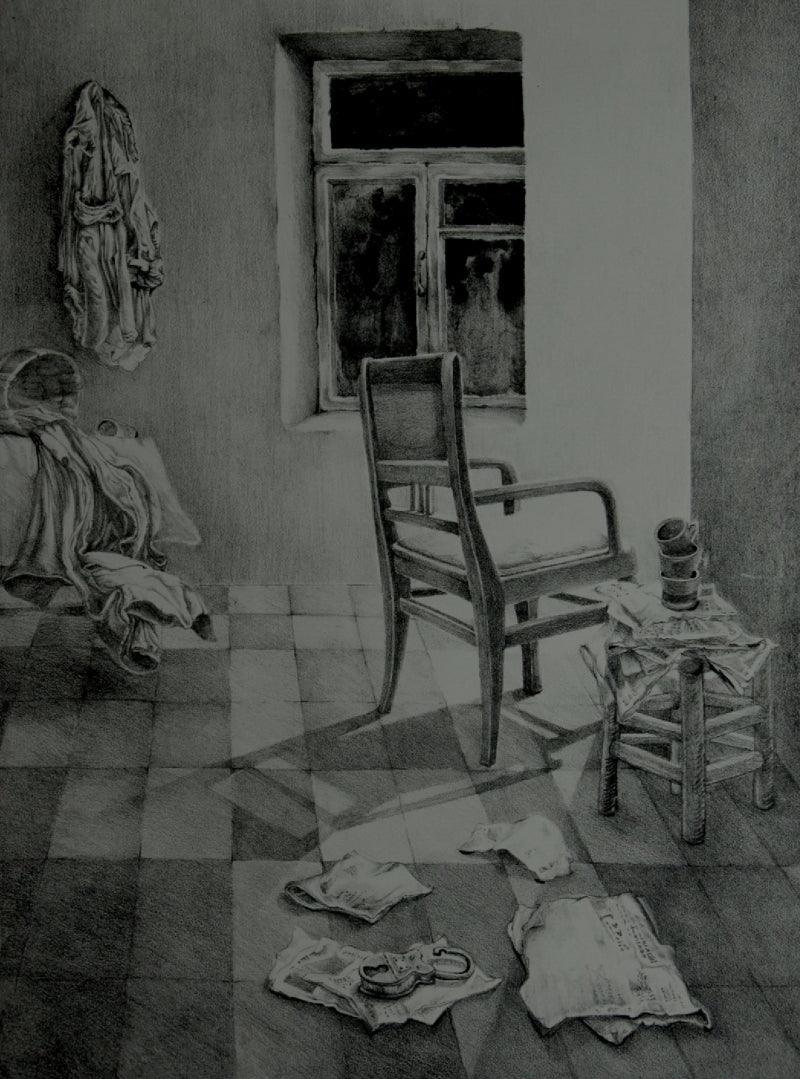
Untitled 7 (Abandoned Room)
Artzolo
₹30,000
★ 4.0 (5)
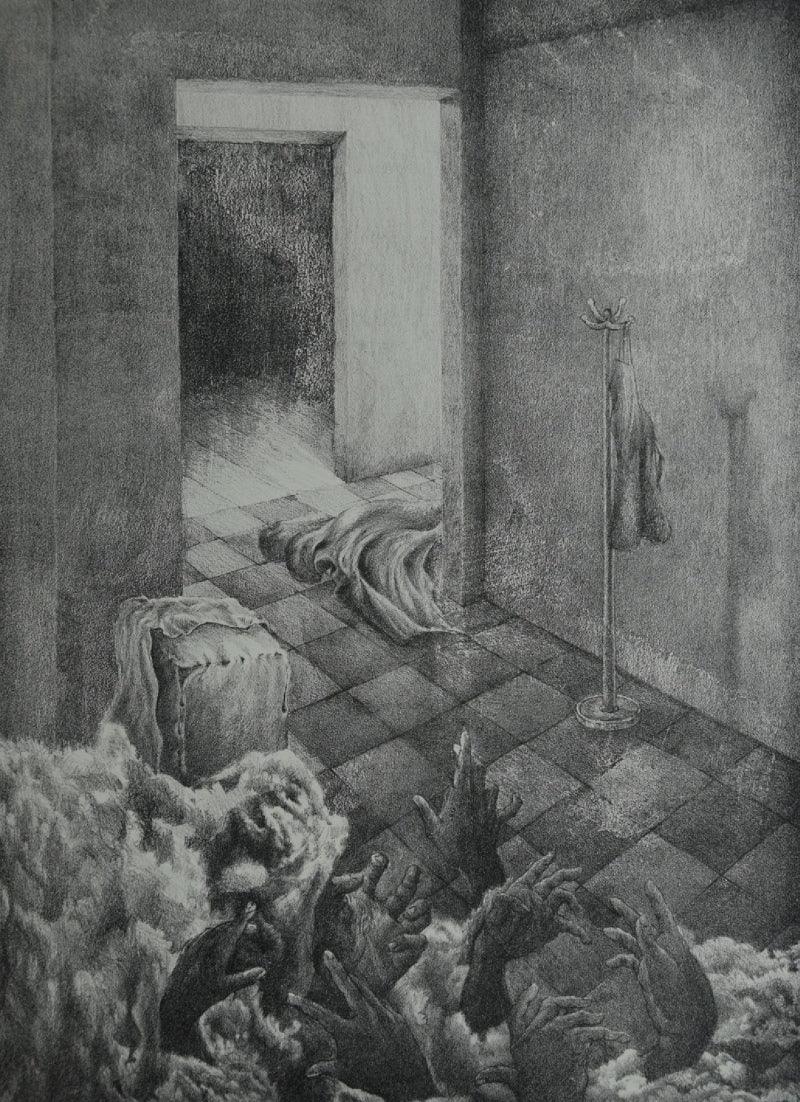
Untitled 3 (Hallway of Despair)
Artzolo
₹30,000
★ 4.0 (12)
Light 1
Artzolo
₹40,000