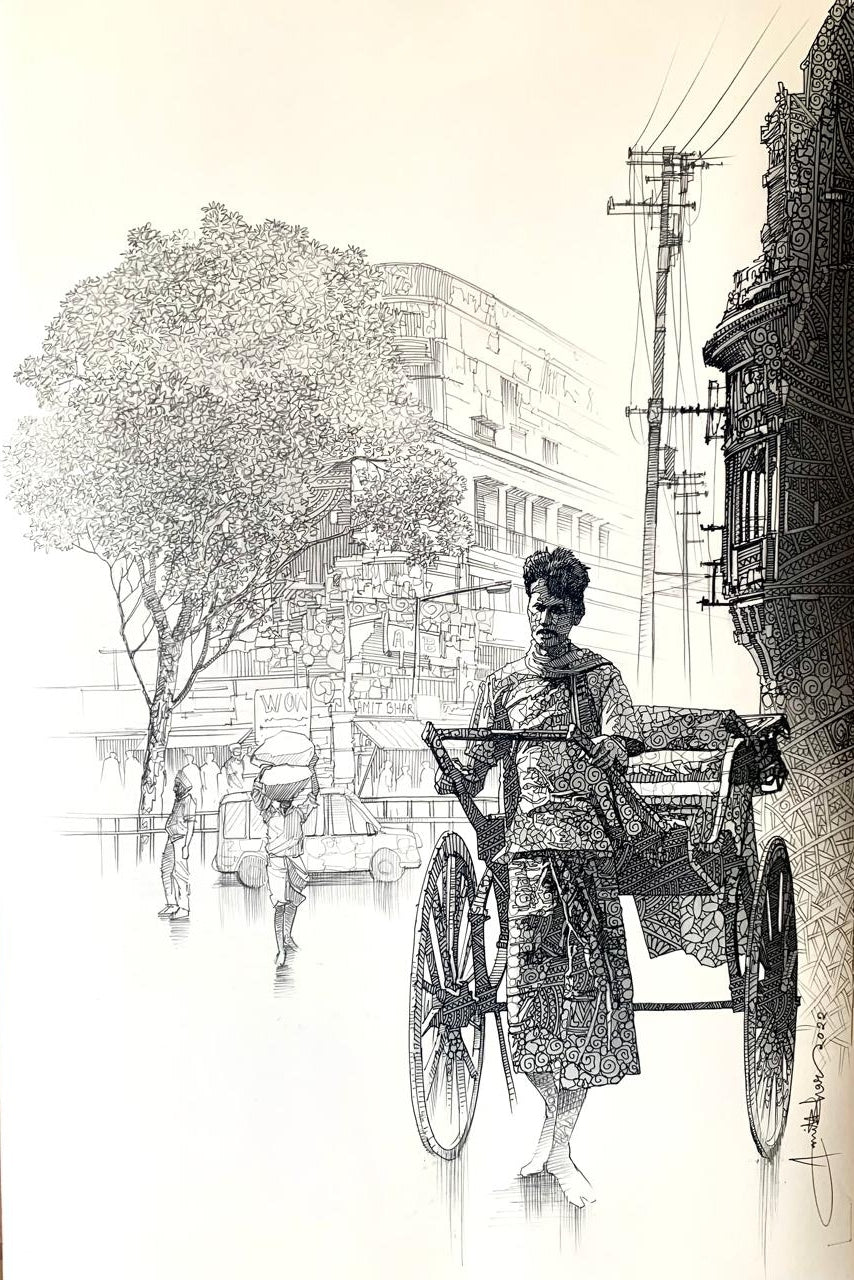
City Of Kolkata 2
₹140,000
● In stockchecking live price…
Size
22x15Type
OriginalMaterial
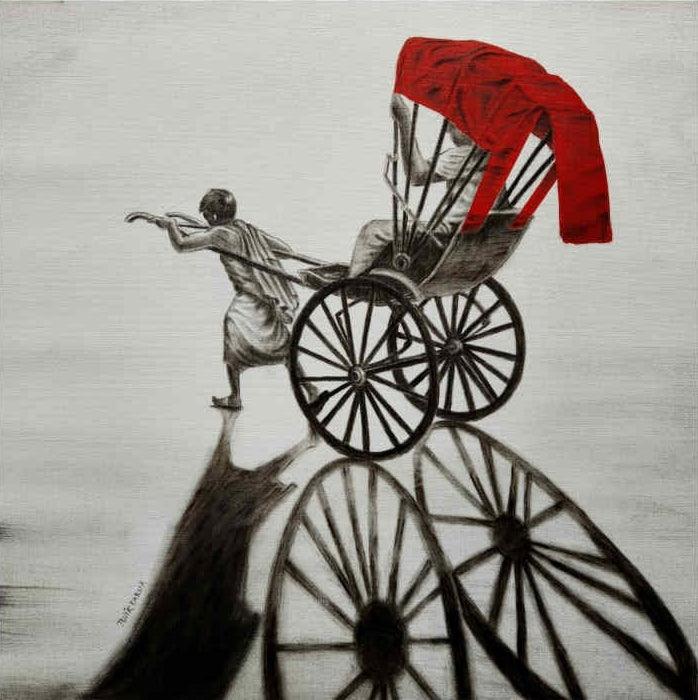
PaperRendered in meticulous ink, the scene stages a quiet collision between the monumental ornament of the city’s architecture and the lived, working body of the rickshaw puller, whose richly patterned figure reads like a human tapestry against the sparse air of the page. The composition lets negative space act as a kind of light—washing the street into a haze—while wires, facades, and wheels stitch a web of lines that binds private endurance to public infrastructure. In this delicate balance of detail and omission, the drawing becomes a meditation on visibility: how labor carries the weight of urban grandeur even as it dissolves into the everyday flow.
Delivery
You may also like
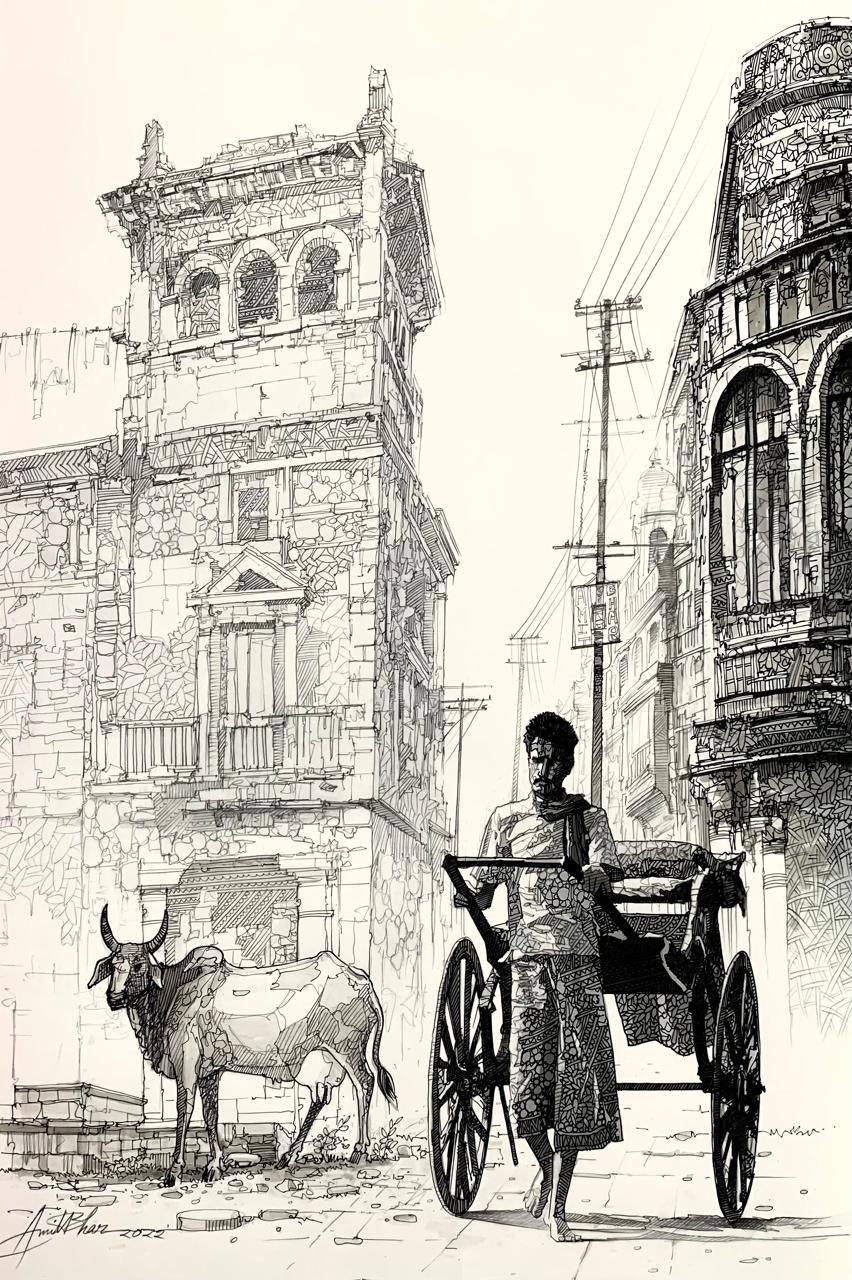
City Of Kolkata 1
Artzolo
₹140,000
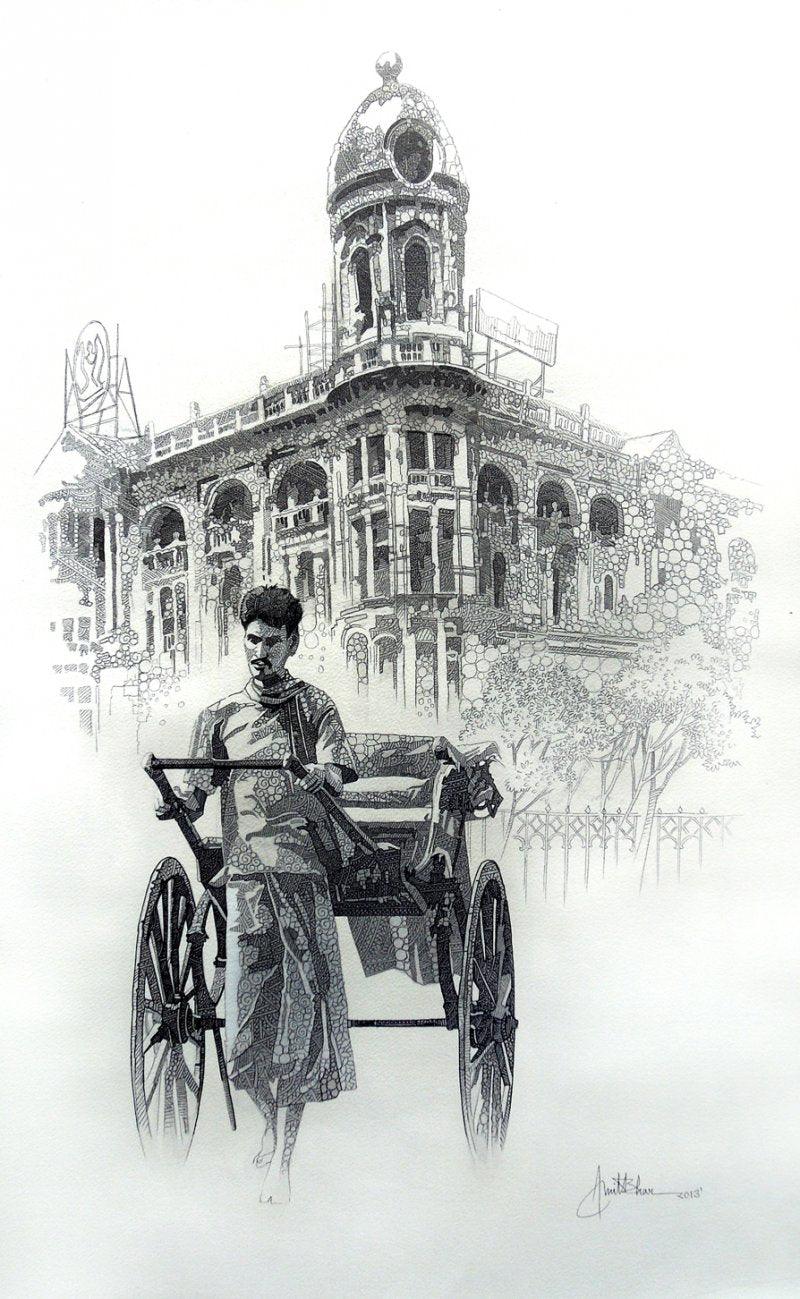
City Of Kolkata 1
Artzolo
₹80,000
out of stock
★ 4.0 (6)
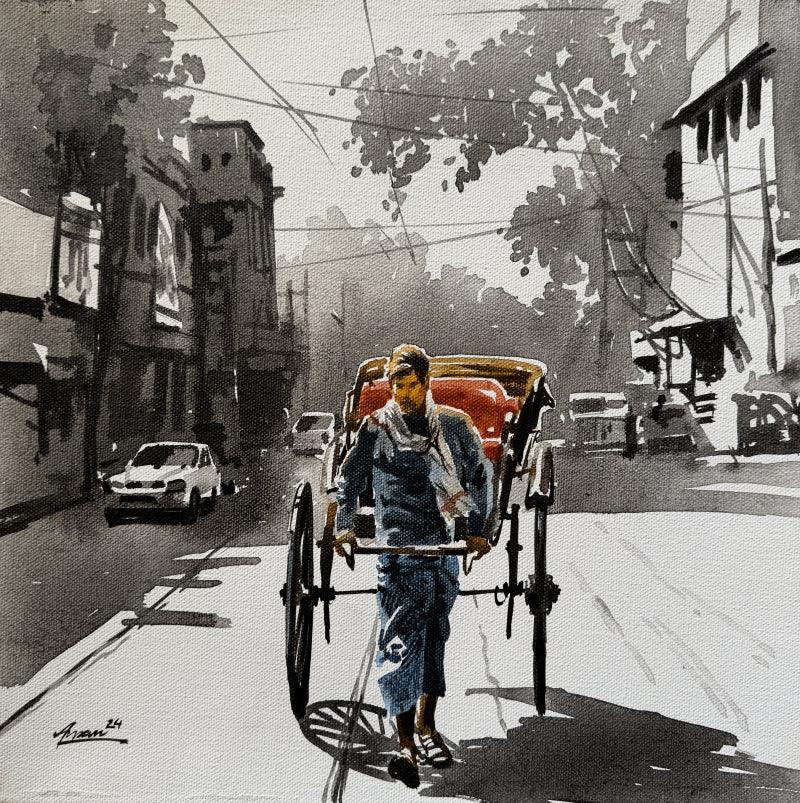
Rickshaw Puller 2 In Kolkata
Artzolo
₹40,000
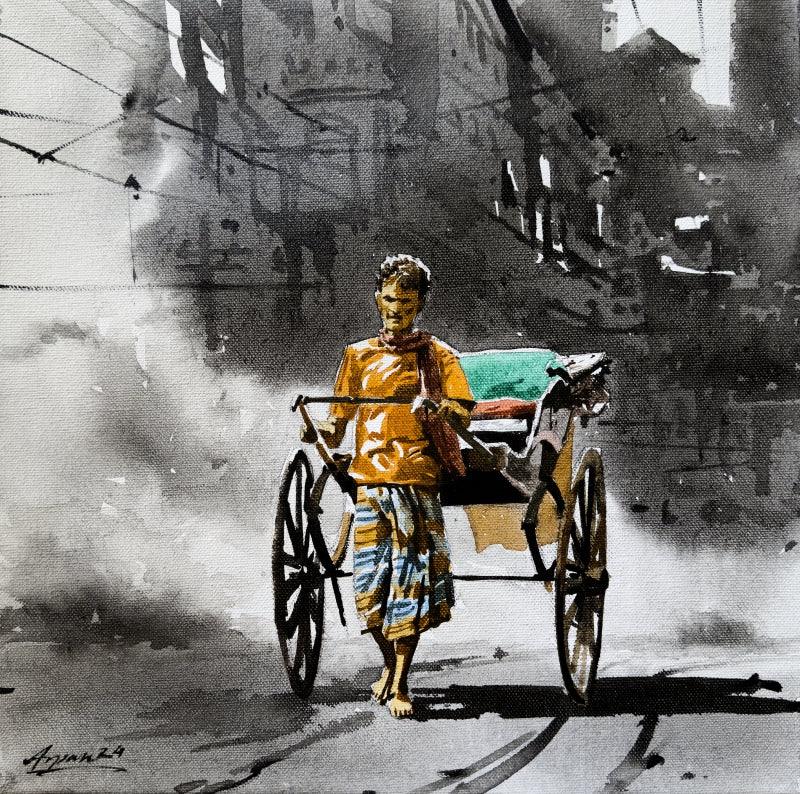
Rickshaw Puller In Kolkata
Artzolo
₹40,000
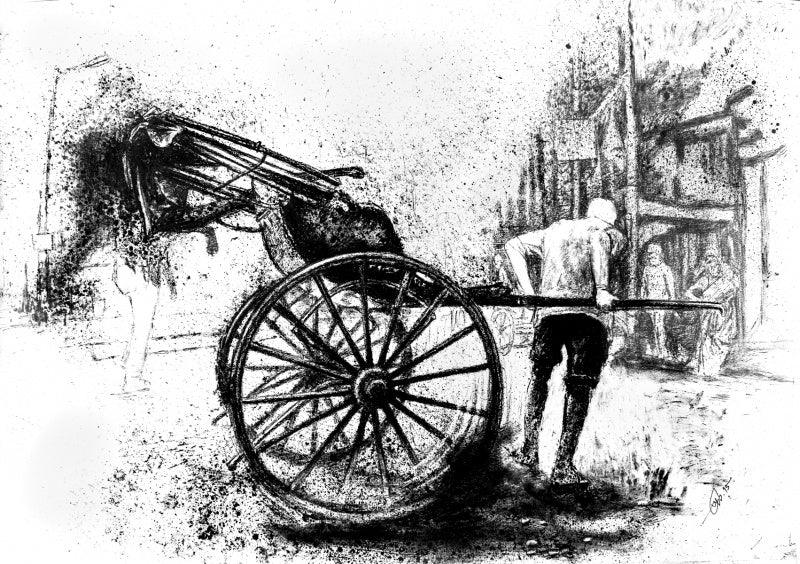
The City Dust Charcoal On Paper (Urban Haul)
Artzolo
₹0
★ 4.0 (15)
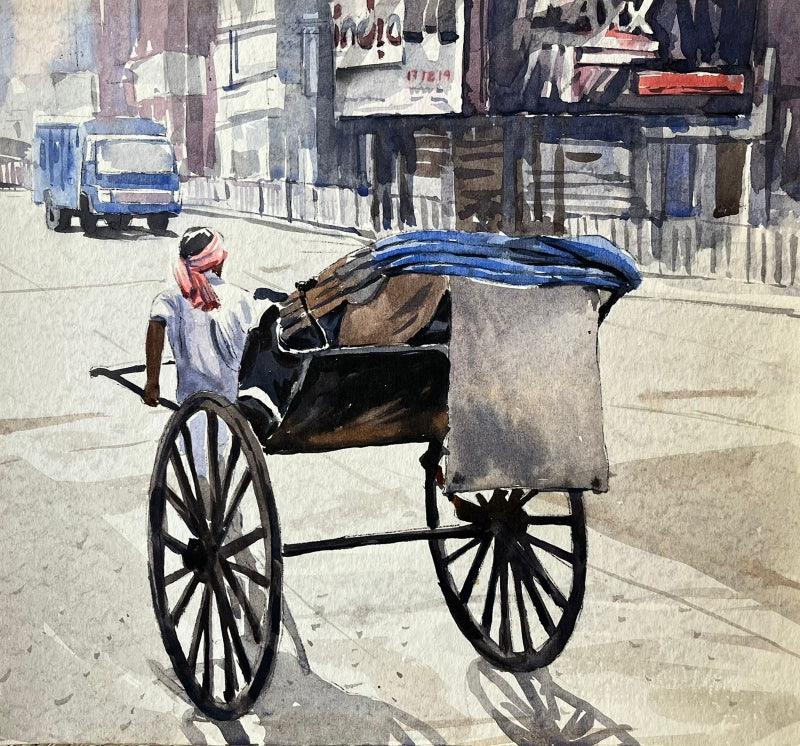
Kolkata Series 15 (Rickshaw Wallah)
Artzolo
₹8,000
out of stock
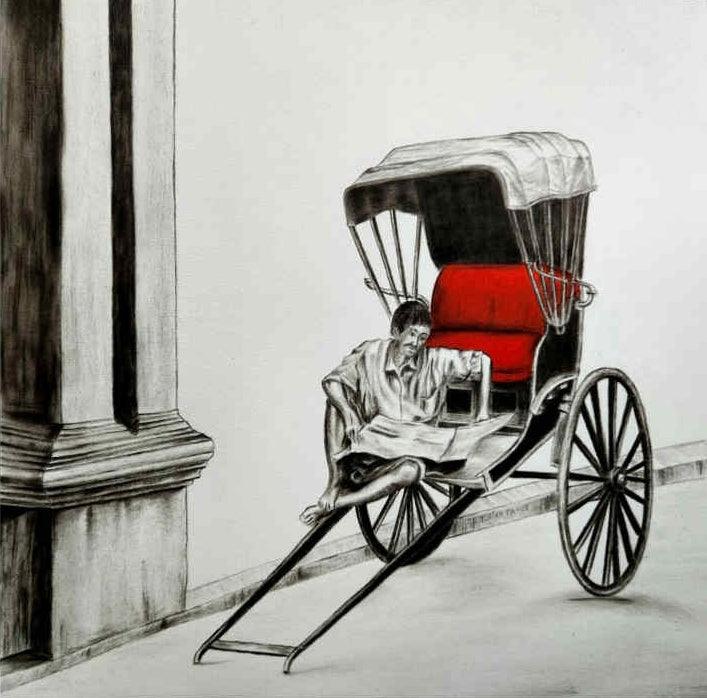
Old Memories In Kolkata 12 (Resting Rickshaw Puller)
Artzolo
₹25,000
Old Memories In Kolkata 1 (Urban Toil)
Artzolo
₹25,000