Ziffi
πŸ›’
Nursery Live

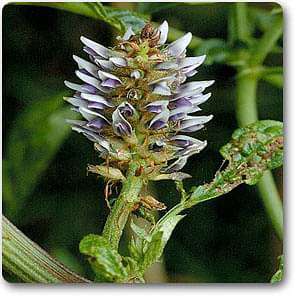
Glycyrrhiza glabra

β‚Ή249
Out of stock Β· β˜… 4.04 (74)checking live price…
View on Nursery Live store β†—

Description

Glycyrrhiza glabra, commonly known as licorice, is a perennial herb native to the Mediterranean region and parts of Asia. Renowned for its sweet flavor, licorice root has been used for centuries in traditional medicine and culinary applications. The plant can grow up to 1 meter tall, featuring pinnate leaves and purple to blue flowers that bloom in summer. Its roots contain glycyrrhizin, a compound that is 50 times sweeter than sugar, making it a popular natural sweetener.

Why It's Special

Glycyrrhiza glabra is not just a sweet treat; it boasts a rich history in herbal medicine, dating back to ancient Egypt and Greece. Its therapeutic properties include anti-inflammatory, antiviral, and digestive benefits, making it a versatile addition to natural health remedies. The plant's ability to soothe sore throats and alleviate digestive issues has made it a staple in herbal medicine cabinets worldwide.

Special Features

This remarkable herb is not only valued for its flavor but also for its environmental benefits. Glycyrrhiza glabra is known to improve soil health and prevent erosion, making it an excellent choice for sustainable gardening. Its deep root system helps retain moisture, promoting biodiversity in the surrounding ecosystem.

Growing Instructions

  • Plant in well-drained, sandy loam soil with a pH of 6.0 to 8.0.
  • Choose a sunny location, as Glycyrrhiza glabra thrives in full sunlight.
  • Space plants 12-24 inches apart to allow for growth.
  • Water regularly, especially during dry spells, but avoid waterlogging.
  • Seeds can be sown in spring or fall; root cuttings can be planted in early spring.

Care Instructions

  • Mulch around the base to retain moisture and suppress weeds.
  • Fertilize with a balanced organic fertilizer during the growing season.
  • Prune dead or damaged stems in late fall to promote healthy growth.
  • Monitor for pests like aphids and treat organically if necessary.

Uses

  • Used in herbal teas and tinctures for digestive health.
  • Incorporated into candies, syrups, and beverages for its sweet flavor.
  • Applied topically in creams for its soothing properties.
  • Utilized in traditional medicine for respiratory ailments and inflammation.

Fun Facts

  • Licorice root has been found in ancient Egyptian tombs, indicating its historical significance.
  • In some cultures, licorice is believed to have aphrodisiac properties.
  • Glycyrrhiza glabra is often confused with anise and fennel due to its sweet flavor.
  • Excessive consumption can lead to health issues, so moderation is key!

Benefits

Glycyrrhiza glabra is not just a sweet treat; it boasts a rich history in herbal medicine, dating back to ancient Egypt and Greece. Its therapeutic properties include anti-inflammatory, antiviral, and digestive benefits, making it a versatile addition to natural health remedies. The plant's ability to soothe sore throats and alleviate digestive issues has made it a staple in herbal medicine cabinets worldwide. Special Features This remarkable herb is not only valued for its flavor but also for its environmental benefits. Glycyrrhiza glabra is known to improve soil health and prevent erosion, making it an excellent choice for sustainable gardening. Its deep root system helps retain moisture, promoting biodiversity in the surrounding ecosystem. Growing Instructions Plant in well-drained, sandy loam soil with a pH of 6.0 to 8.0. Choose a sunny location, as Glycyrrhiza glabra thrives in full sunlight. Space plants 12-24 inches apart to allow for growth. Water regularly, especially during dry spells, but avoid waterlogging. Seeds can be sown in spring or fall; root cuttings can be planted in early spring. Care Instructions Mulch around the base to retain moisture and suppress weeds. Fertilize with a balanced organic fertilizer during the growing season. Prune dead or damaged stems in late fall to promote healthy growth. Monitor for pests like aphids and treat organically if necessary. Uses Used in herbal teas and tinctures for digestive health. Incorporated into candies, syrups, and beverages for its sweet flavor. Applied topically in creams for its soothing properties. Utilized in traditional medicine for respiratory ailments and inflammation. Fun Facts Licorice root has been found in ancient Egyptian tombs, indicating its historical significance. In some cultures, licorice is believed to have aphrodisiac properties. Glycyrrhiza glabra is often confused with anise and fennel due to its sweet flavor. Excessive consumption can lead to health issues, so moderation is key!

Coupons

FIRST β€” β‚Ή570 off
FLAT20 β€” β‚Ή570 off
WELCOME15 β€” β‚Ή427 off
NURSERYLIVE10 β€” β‚Ή285 off
WELCOME10 β€” β‚Ή285 off
FIRSTBUY β€” β‚Ή200 off

Delivery

COD available

Reviews

β˜…β˜…β˜…β˜…β˜… Great for Containers
Perfect for container gardening, easy to manage.
Saroja Nagaraj

uid sha:c1105ad48425ef3778be0ee987938295c541c8ff

You may also like

Enicostemma axillare
Nursery Live
β‚Ή249
out of stock
β˜… 4.19 (75)
Tephrosia purpurea
Nursery Live
β‚Ή249
out of stock
β˜… 3.96 (78)
Plumbago indica
Nursery Live
β‚Ή249
out of stock
β˜… 4.22 (77)
Aletris pauciflora
Nursery Live
β‚Ή249
out of stock
β˜… 3.97 (74)
Gymnema sylvestree
Nursery Live
β‚Ή249
out of stock
β˜… 3.99 (76)
Liriope spicata
Nursery Live
β‚Ή249
out of stock
β˜… 3.99 (77)
Glycycrhiza glabra - Plant
Nursery Live
β‚Ή249
out of stock
β˜… 4.04 (76)
Dolichos biflorus
Nursery Live
β‚Ή249
out of stock
β˜… 3.91 (74)