Liquorice Plant
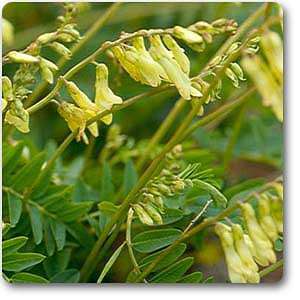
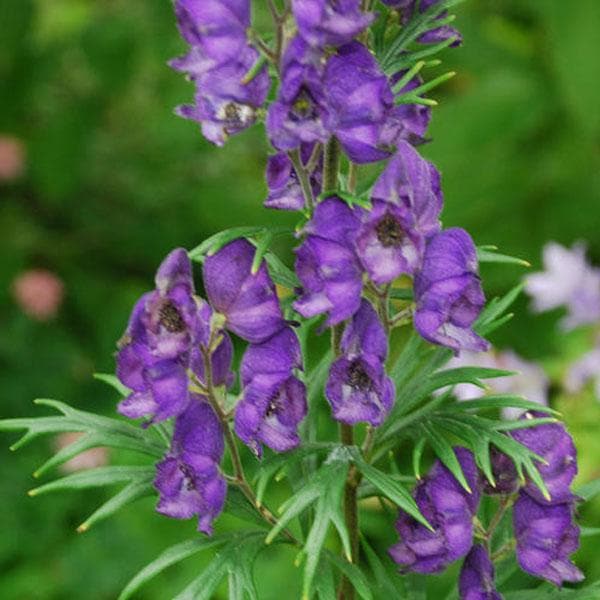
The Liquorice plant (Glycyrrhiza glabra) is a perennial herb renowned for its sweet-tasting root, which has been used for centuries in traditional medicine and culinary applications. This hardy plant can grow up to 4 feet tall and produces beautiful purple flowers, making it a delightful addition to any garden. Its roots contain glycyrrhizin, a compound that is 50 times sweeter than sugar, making it a popular ingredient in candies, herbal teas, and natural remedies.
What makes the Liquorice plant special is its rich history and versatility. Used by ancient Egyptians, Greeks, and Romans, it has been celebrated for its soothing properties and ability to support respiratory health. The plant thrives in well-drained soil and can adapt to various climates, making it an excellent choice for both novice and experienced gardeners.
One of the special features of the Liquorice plant is its ability to improve soil health. As a legume, it can fix nitrogen in the soil, enhancing fertility and promoting sustainable gardening practices. Additionally, its deep root system helps prevent soil erosion, making it an environmentally friendly choice for your garden.
Growing Instructions
- Plant in well-drained, sandy loam soil with a pH of 6.0 to 8.0.
- Choose a sunny location with at least 6 hours of sunlight per day.
- Space plants 18-24 inches apart to allow for growth.
- Water regularly, especially during dry spells, but avoid waterlogging.
Care Instructions
- Mulch around the base to retain moisture and suppress weeds.
- Fertilize with a balanced organic fertilizer in early spring.
- Prune dead or damaged stems to encourage new growth.
- Monitor for pests and diseases, treating organically when possible.
Uses
- Extracts from the root are used in herbal teas and natural remedies.
- Commonly used as a flavoring agent in candies, beverages, and desserts.
- Traditional medicine uses include soothing sore throats and digestive issues.
- Can be used in skincare products for its anti-inflammatory properties.
Fun Facts
- The name "liquorice" comes from the Greek word "glycyrrhiza," meaning "sweet root."
- Liquorice has been used in traditional Chinese medicine for over 2,000 years.
- In ancient Egypt, it was used in the embalming process.
- Liquorice root can be harvested after 3-4 years of growth for optimal flavor.
Environmental Impact
The Liquorice plant contributes positively to the environment by improving soil health and preventing erosion. Its nitrogen-fixing ability enhances soil fertility, reducing the need for chemical fertilizers. By cultivating Liquorice, gardeners can promote biodiversity and support sustainable agricultural practices.
Coupons
Delivery
You may also like