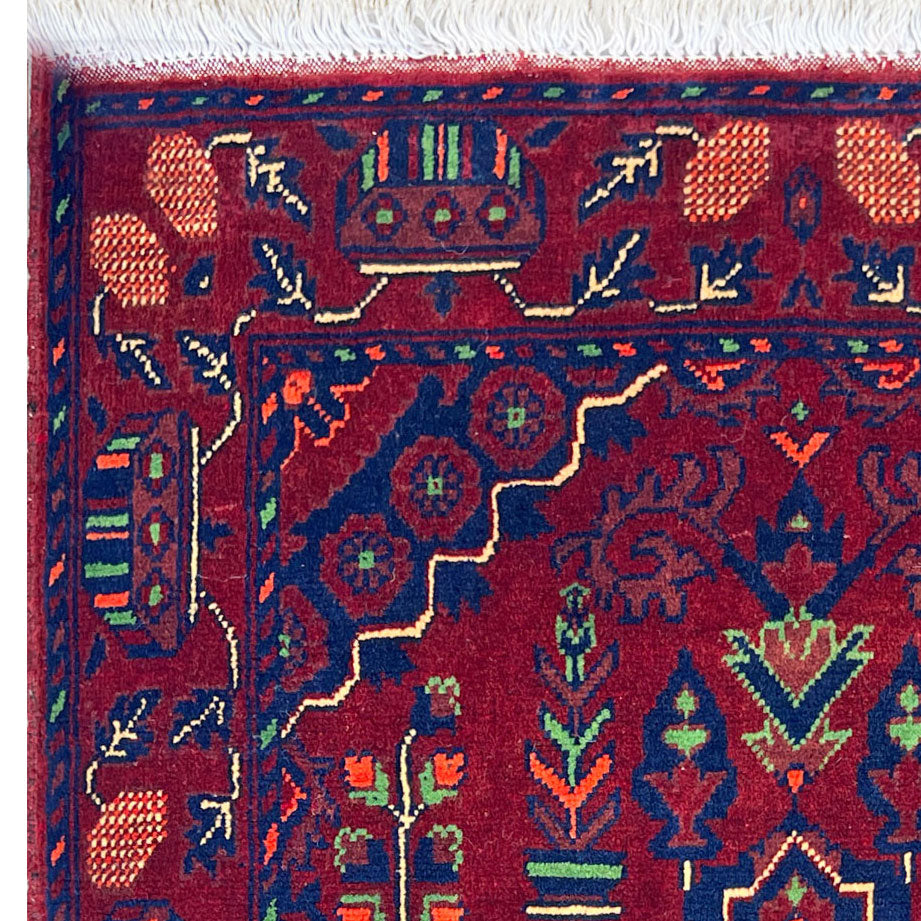
Surkh Khal Mohammadi One-OF-A-Kind-Afghan Rug
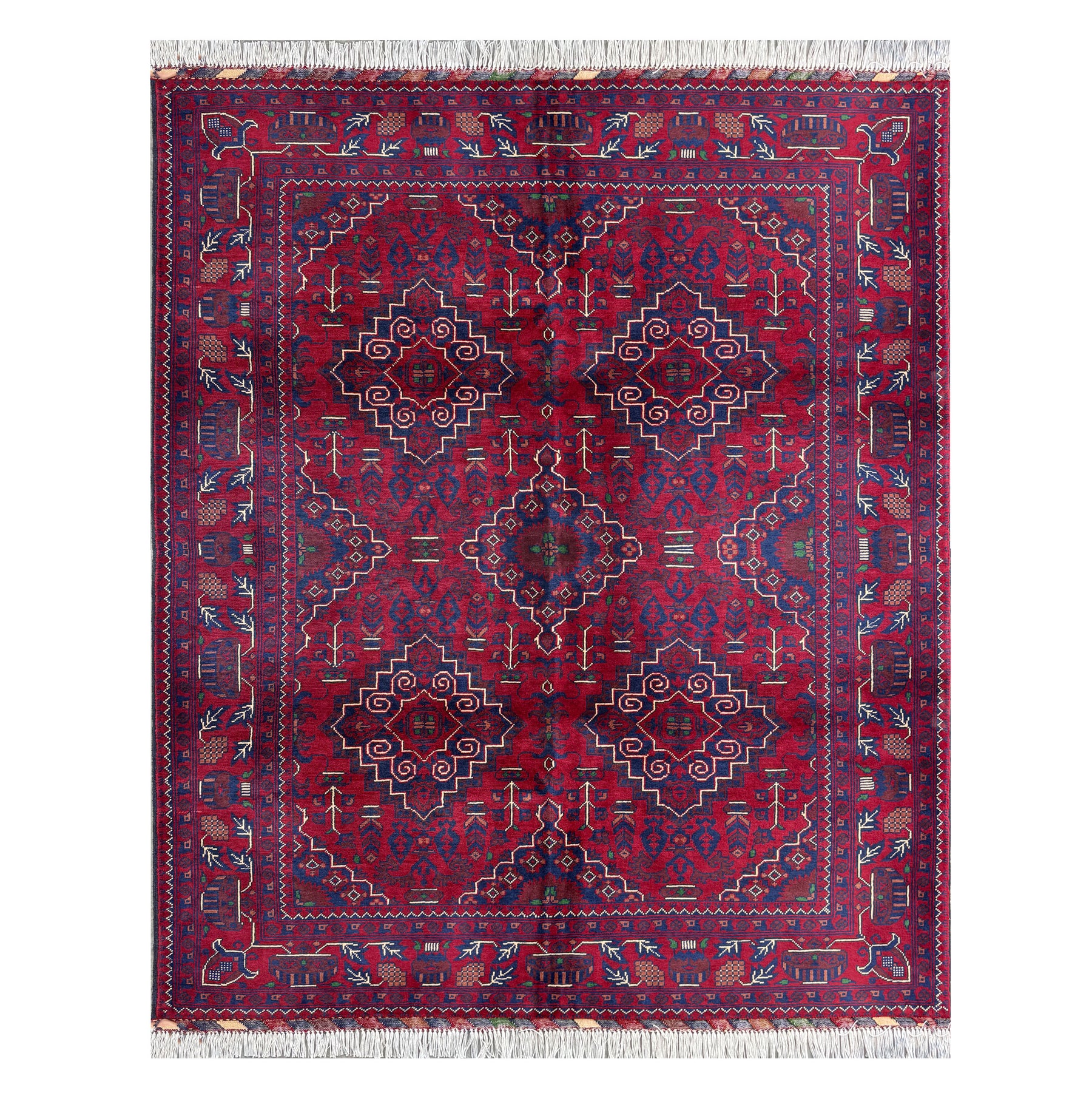
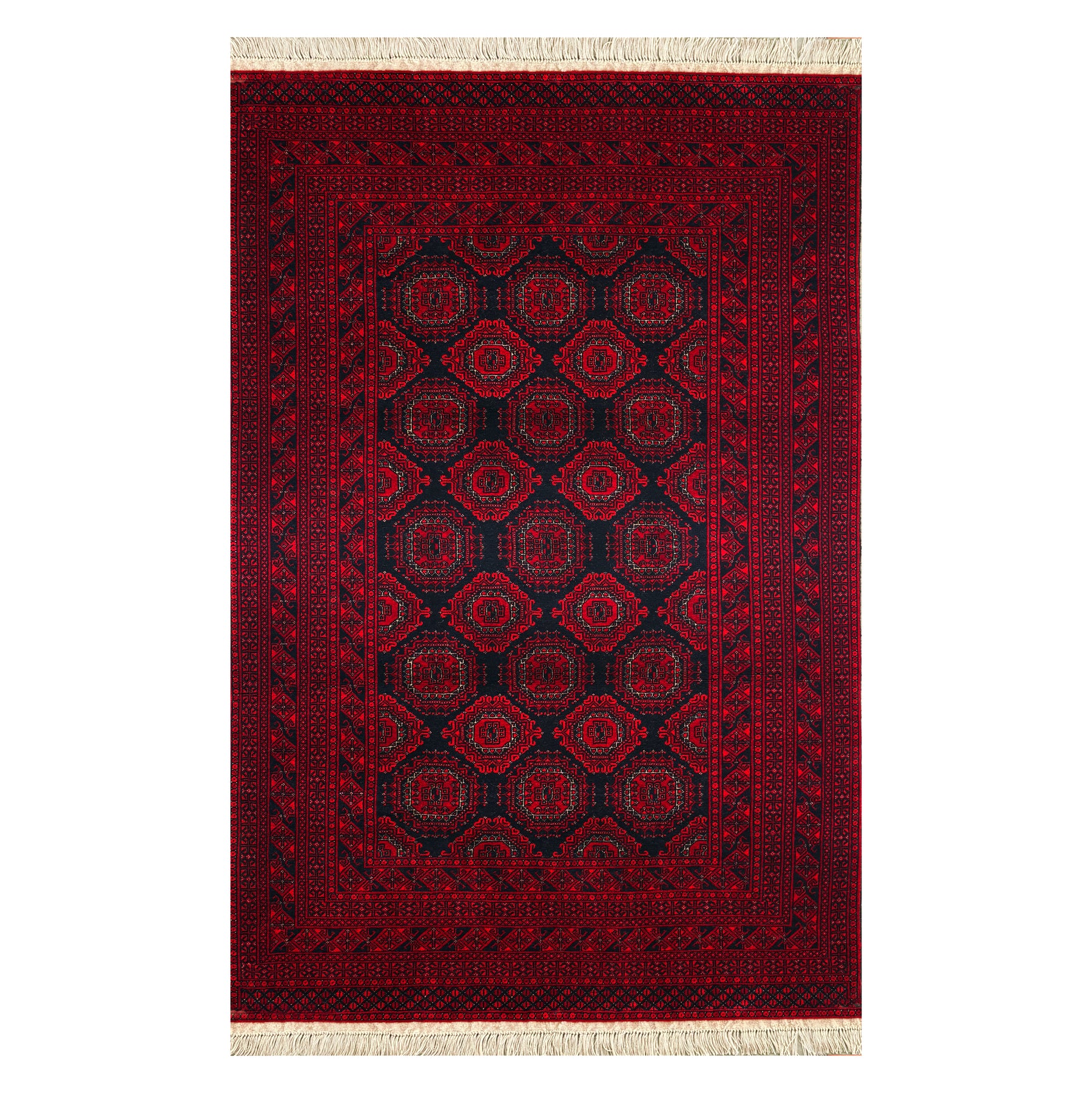
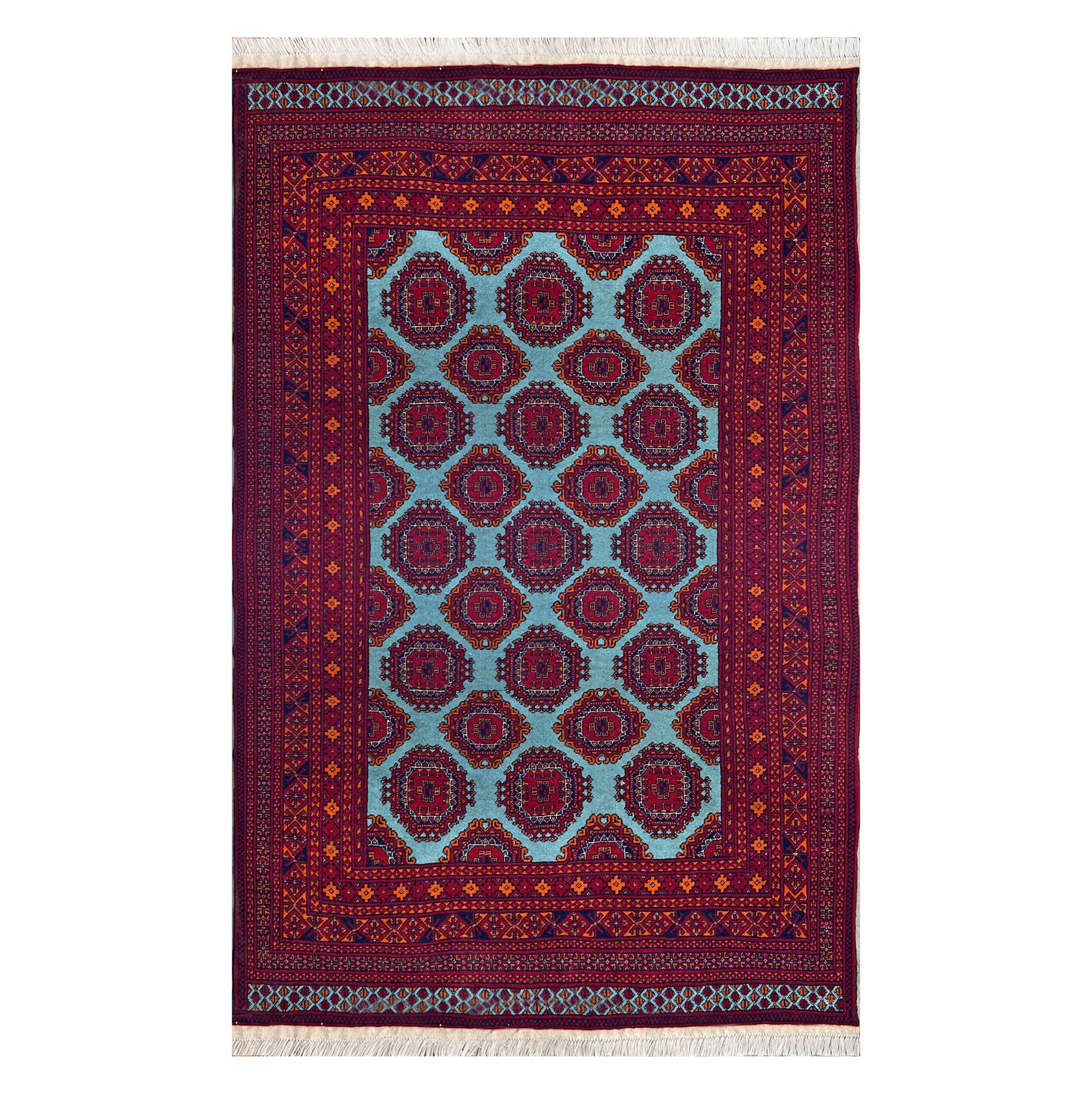
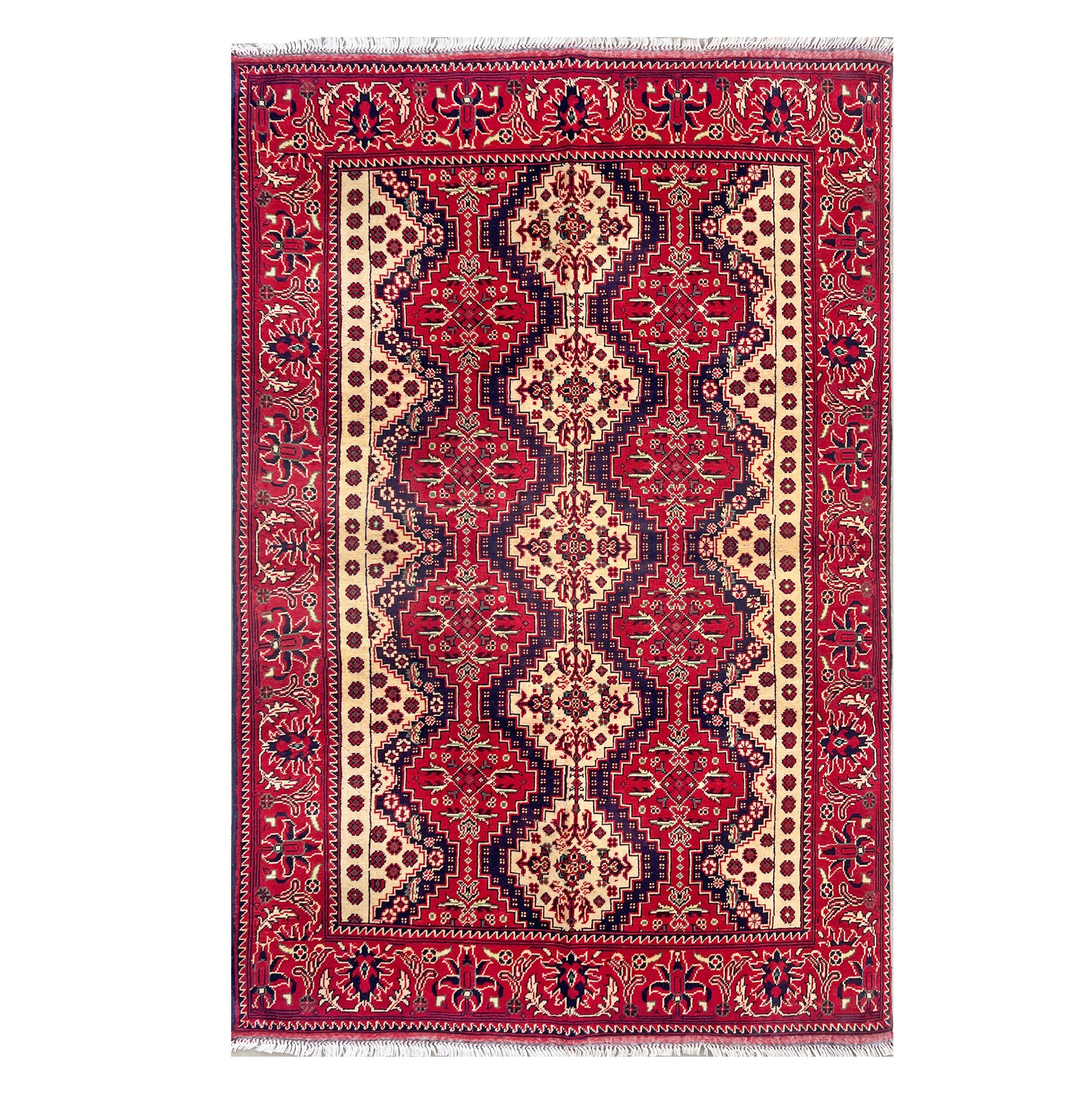
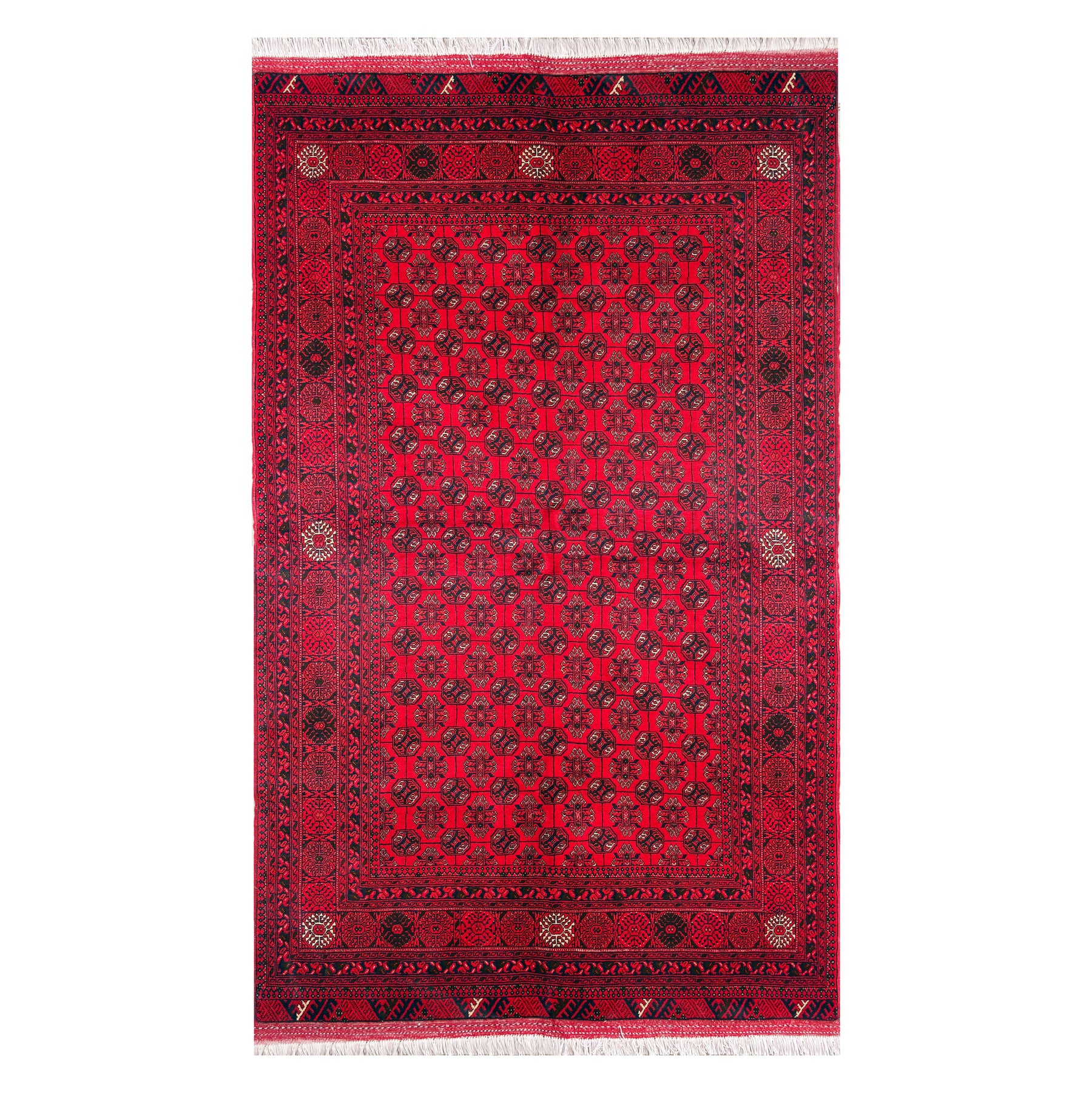
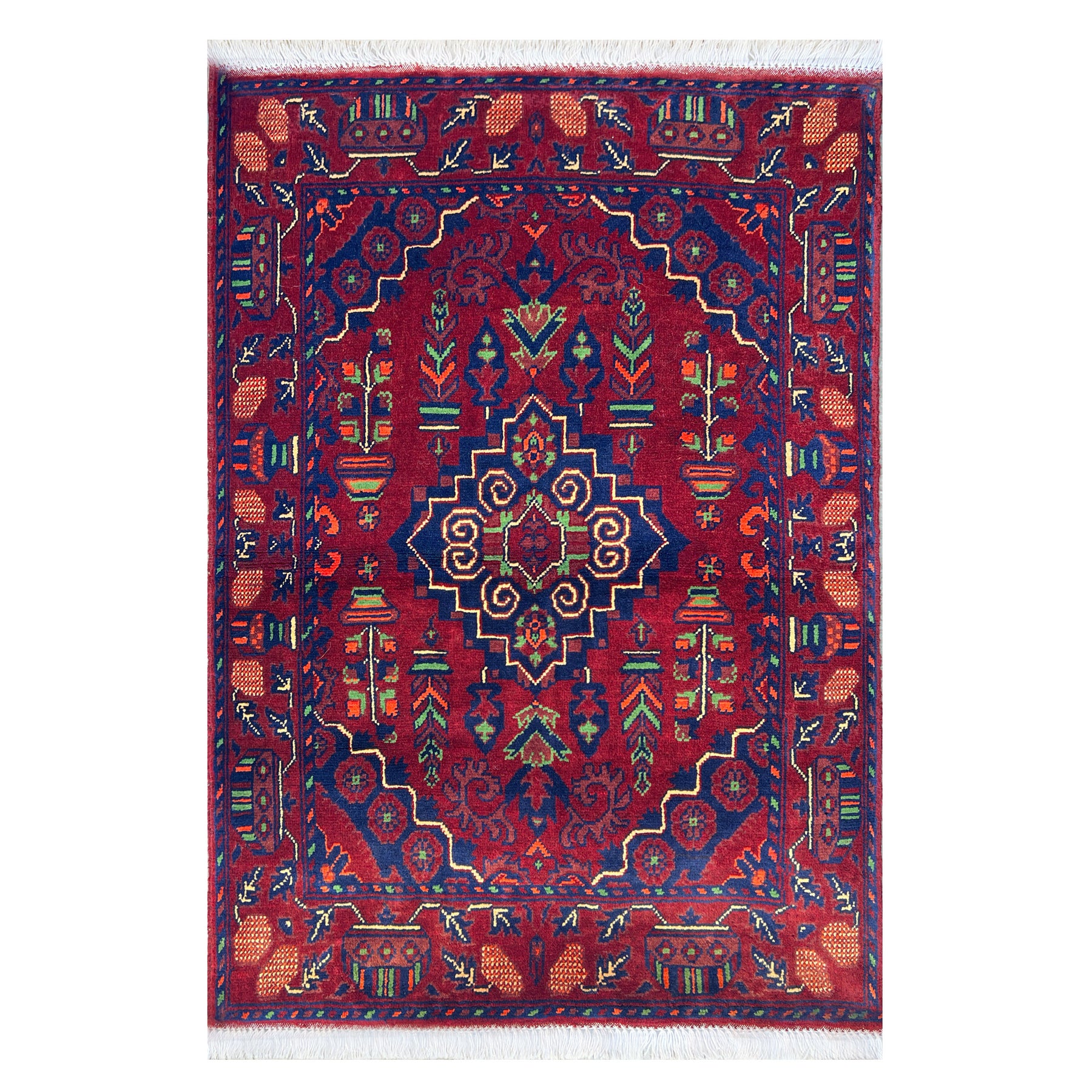
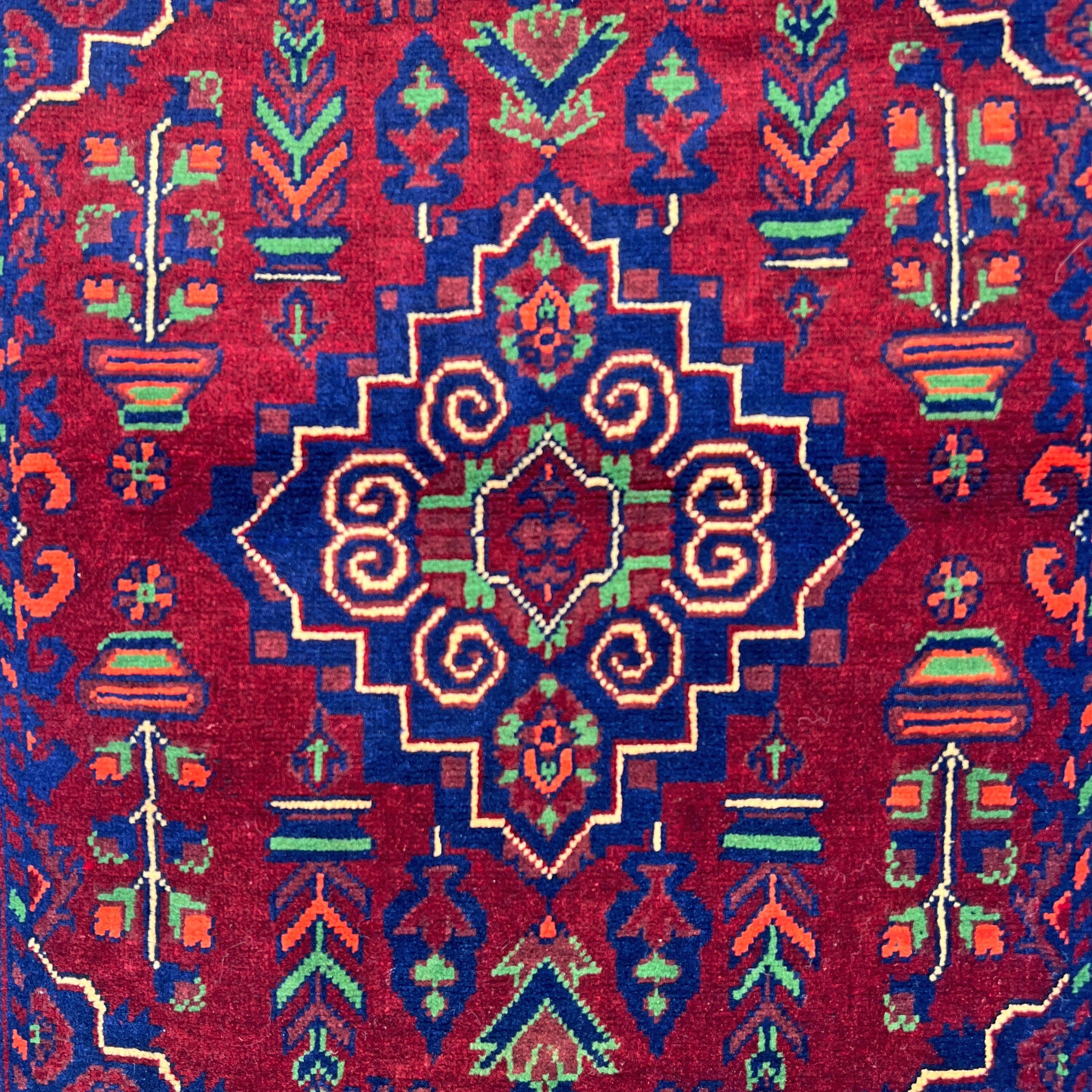
A vivid Khal Mohammadi carpet from Mazar-e-Sharif — named for a dyer who refused exile and saved a tradition — its cobalt medallion alive with scrollwork in coral and teal.
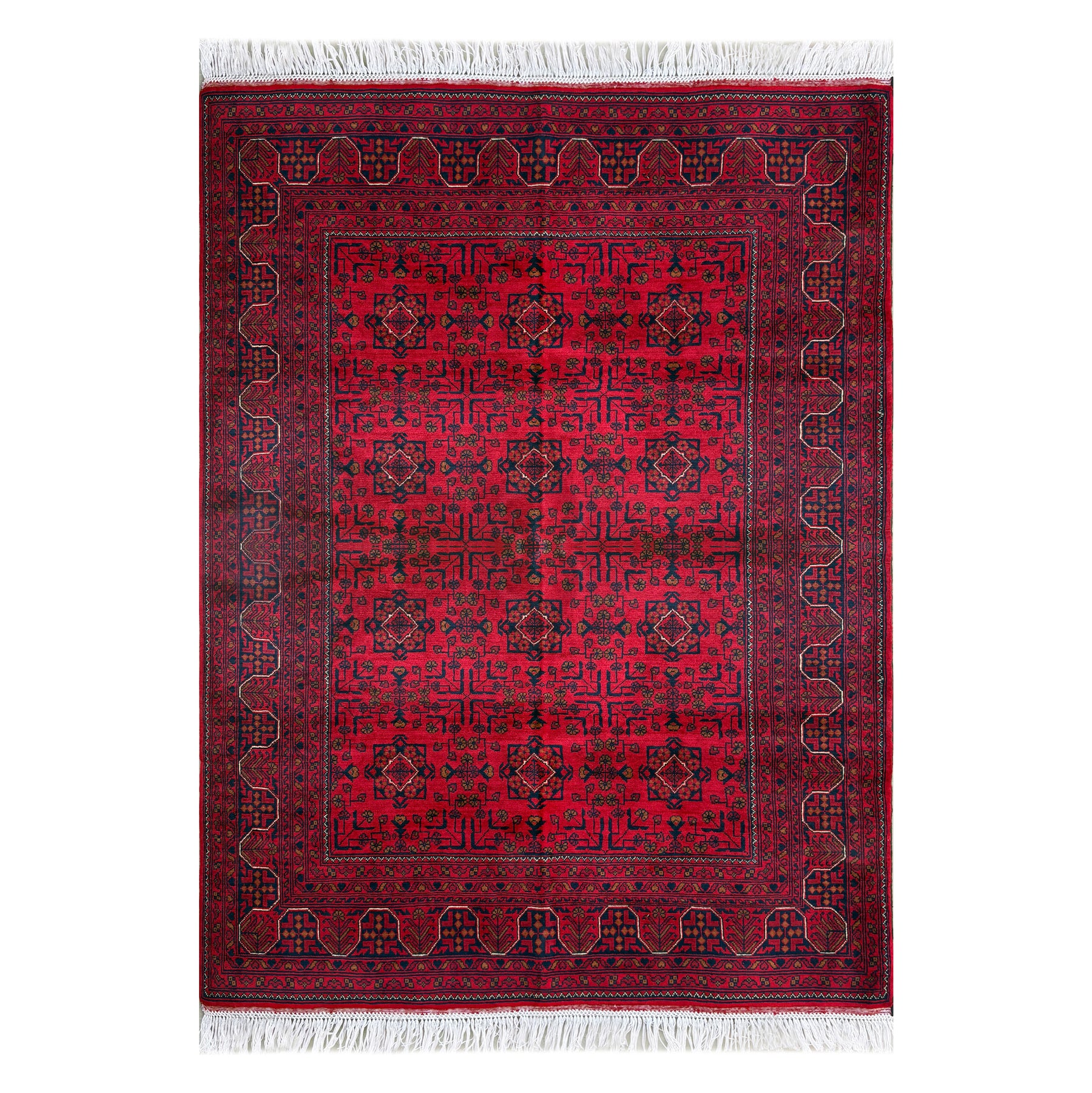
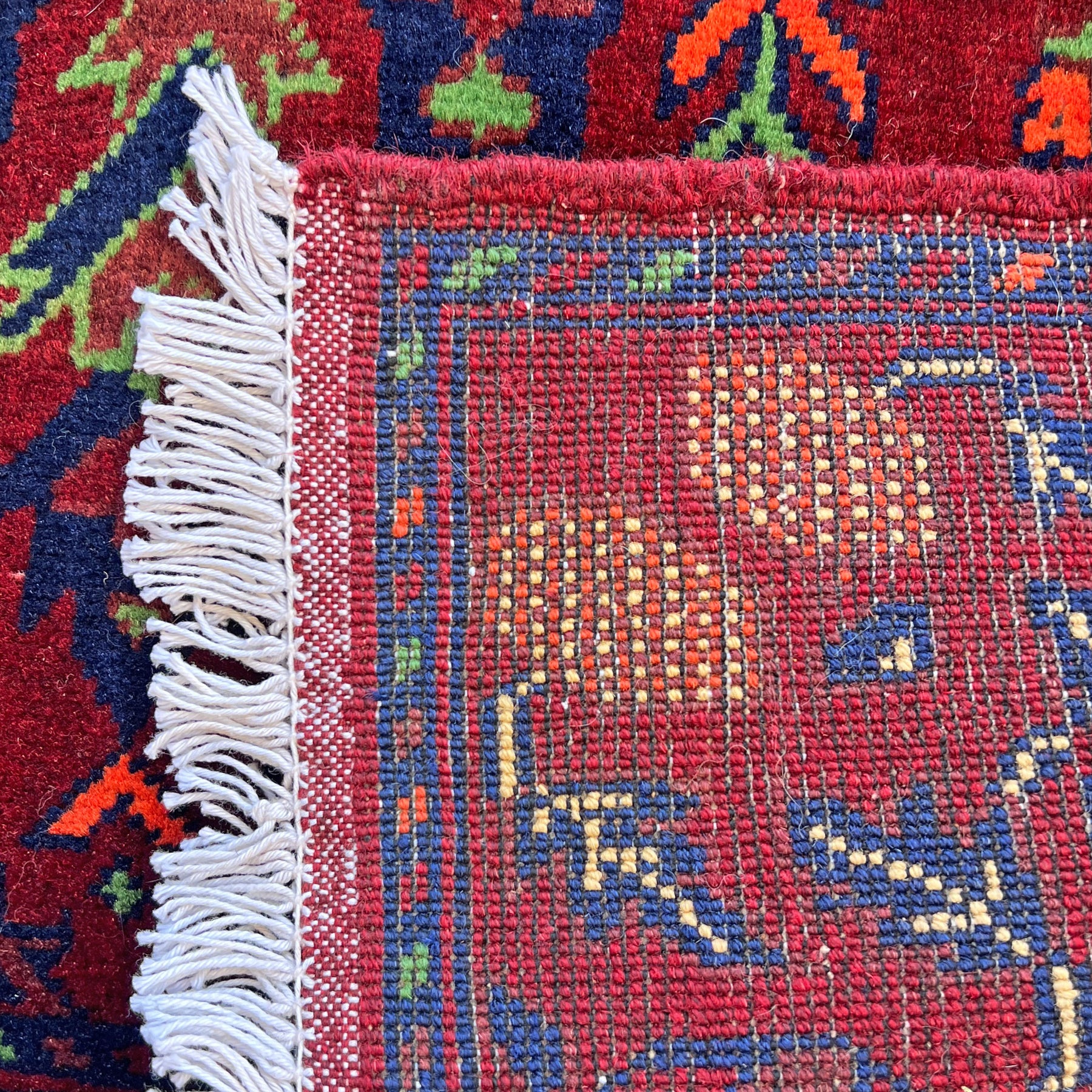
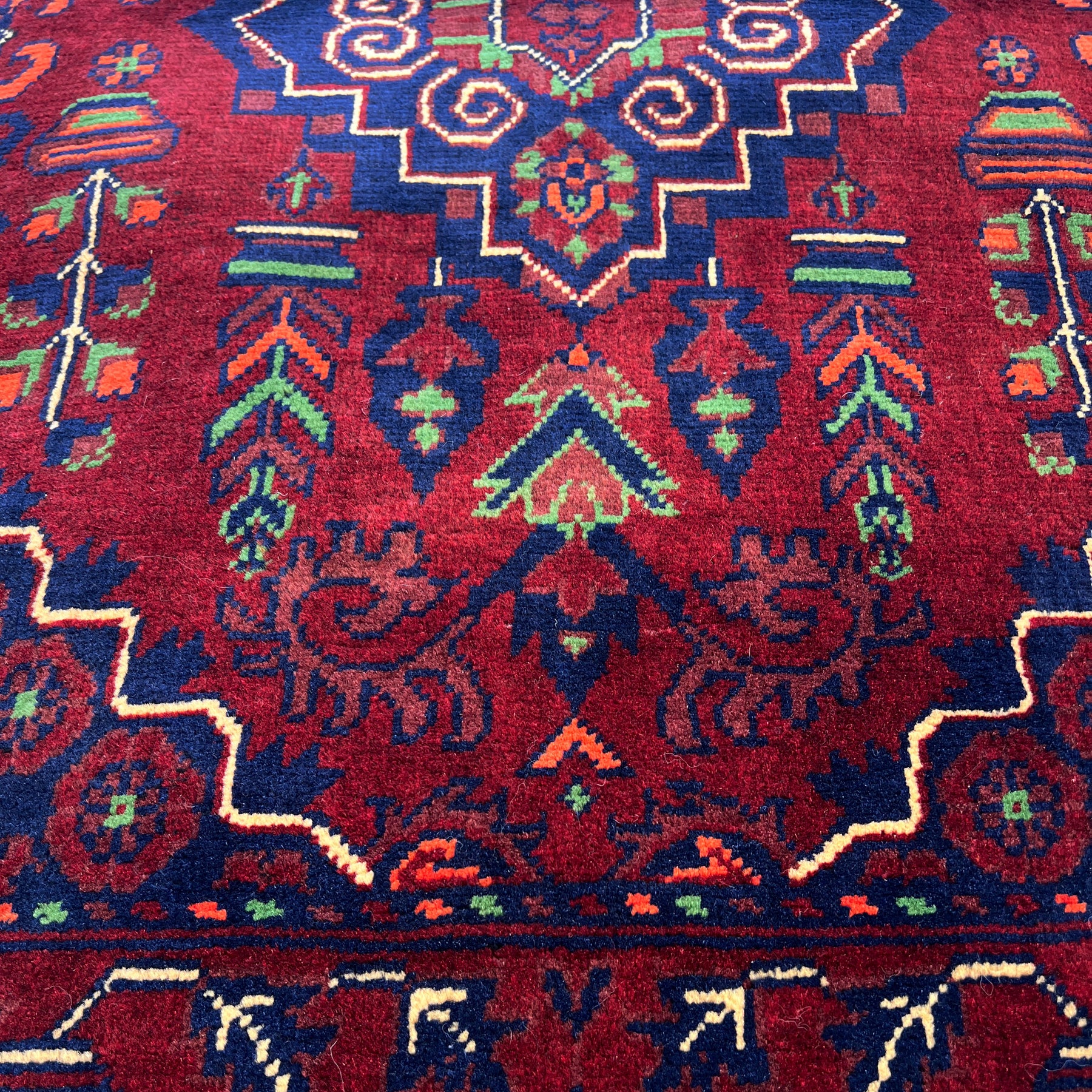
In the 1970s, as the Soviet occupation pushed hundreds of thousands of Afghans into exile, a master dyer named Khal Mohammad refused to leave. He stayed in northern Afghanistan and continued to work — and in doing so preserved a dyeing vocabulary that might otherwise have been lost entirely. The deep crimson that defines the Khal Mohammadi tradition is his legacy: not a single dye bath but a layered process using madder root applied in stages, producing a red that shifts with the light and deepens with the years. No formula replicates it. This carpet carries that red in its field, with a large cobalt medallion at its centre worked in an unusually rich scrollwork of coral, ivory, and teal — a botanical complexity that sets this piece apart from the more strictly geometric Afghan tradition. Knotted on a cotton foundation by Turkmen craftspeople around Mazar-e-Sharif.
A hand-knotted rug is an investment piece. With proper care it will last a lifetime and become a cherished heirloom. Each knot in this collection is tied by hand by nomadic tribesmen, making every piece entirely one of a kind.
Variations in colour and tone — known as abrash — are a hallmark of authentic handmade rugs, particularly tribal and vintage pieces. Wear and age only add to their beauty.
| Origin | Mazar-e-Sharif, Afghanistan |
| Tribe | Turkmen (Khal Mohammadi) |
| Technique | Hand-knotted |
| Material | Wool pile on cotton foundation |
| One of a kind | Yes |
Coupons
Delivery
You may also like