Local Life (The Urban Beast)
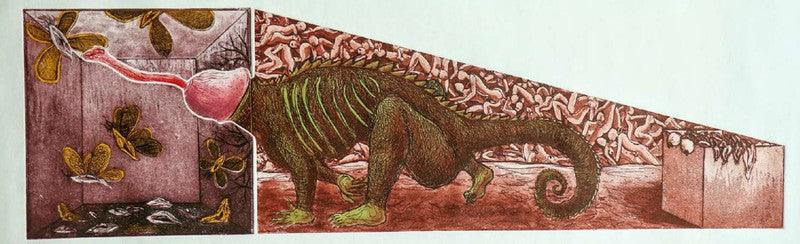
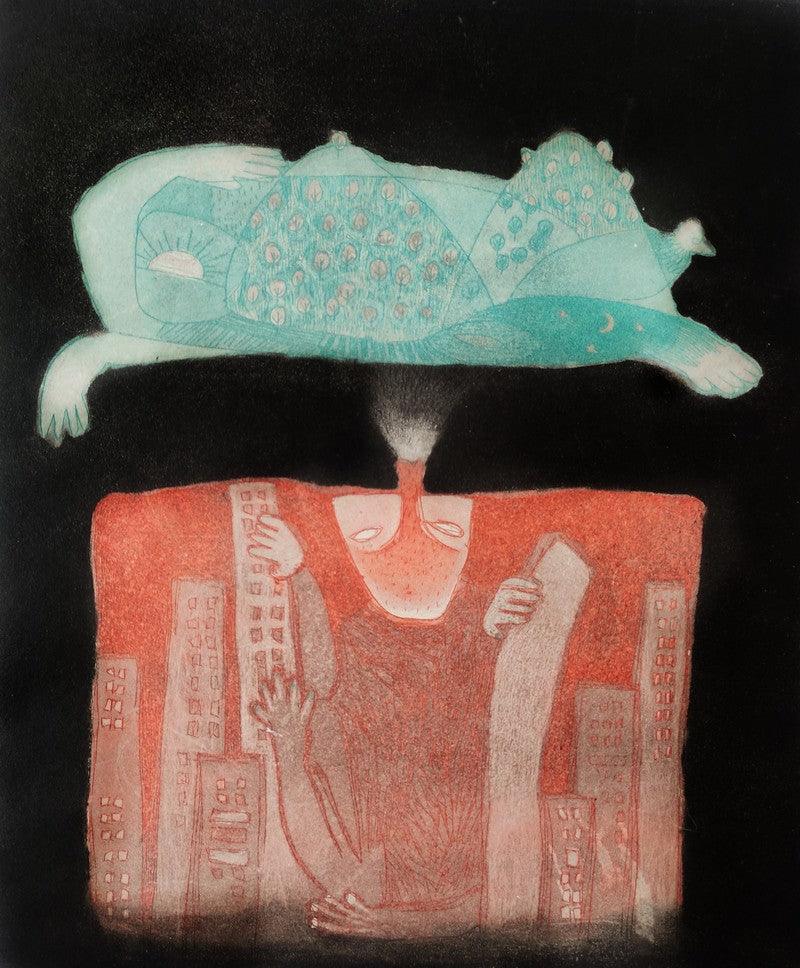
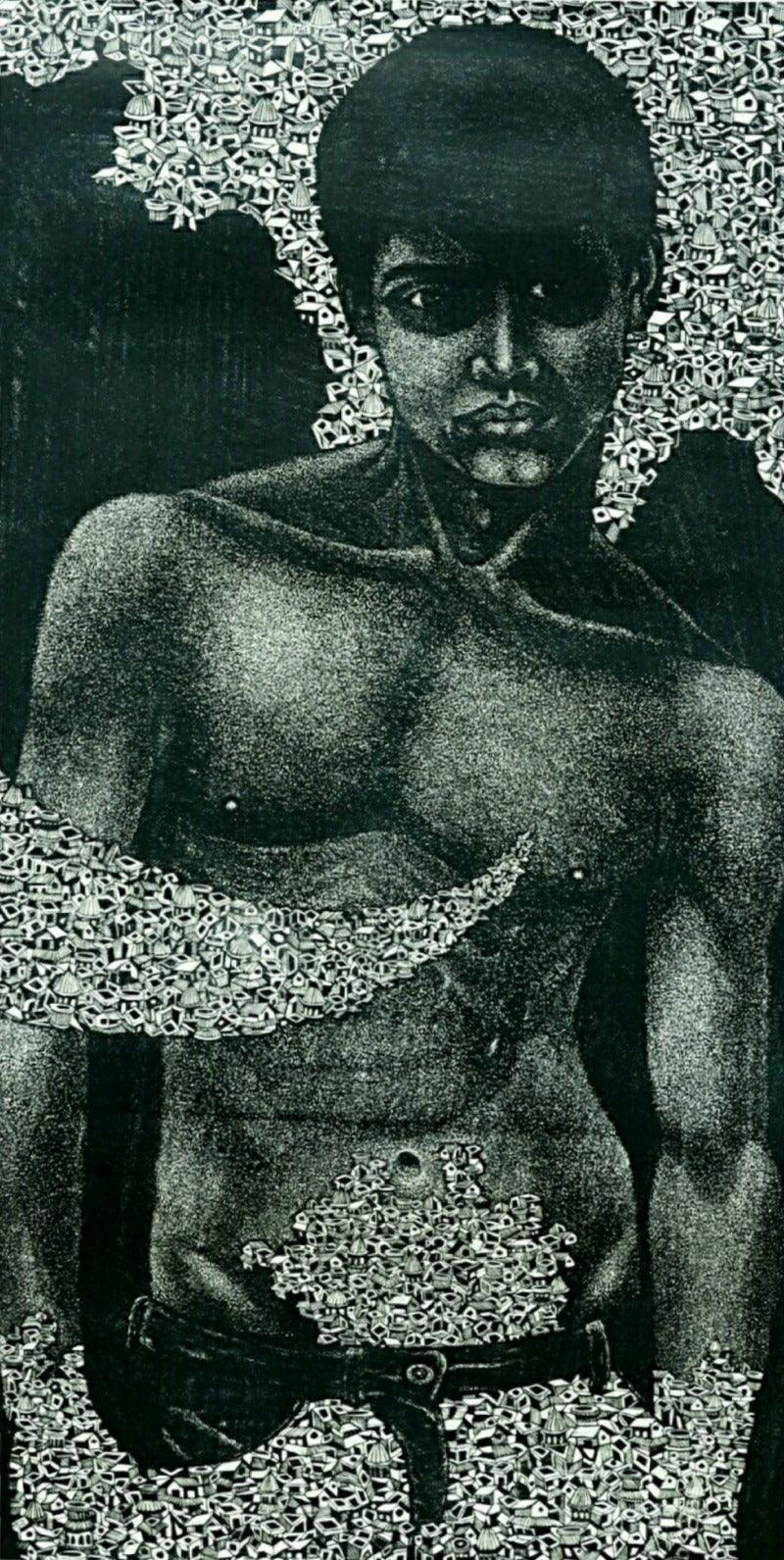
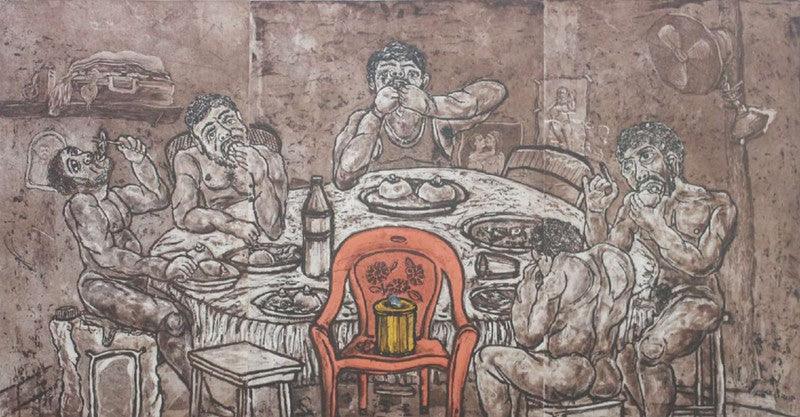
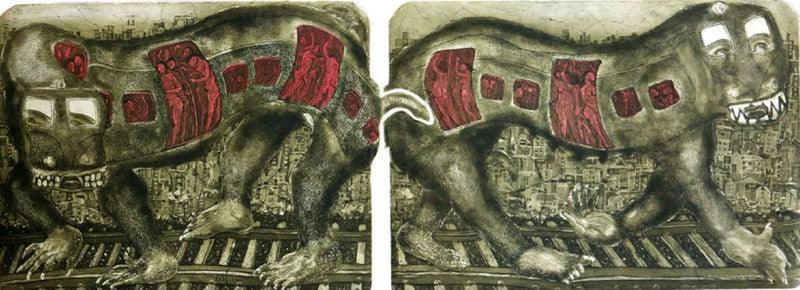
A hulking, animal-bodied figure prowls across a band of rail lines, its exaggerated grin and mask-like face reading as both carnival and threat, as if the city’s unconscious has learned to walk on all fours. Sooty blacks and ashen greys compress the space into a gritty nocturne, while the embedded crimson panels pulse like exposed organs—signals of violence, memory, or commodified desire stitched into the creature’s hide. The dense, miniature architecture behind it becomes a claustrophobic chorus, suggesting an urban world that breeds its own monsters and then routes them along predetermined tracks. In this uneasy procession, motion feels inevitable: a parable of modern life where infrastructure, appetite, and anonymity fuse into a single predatory momentum.
Delivery
You may also like