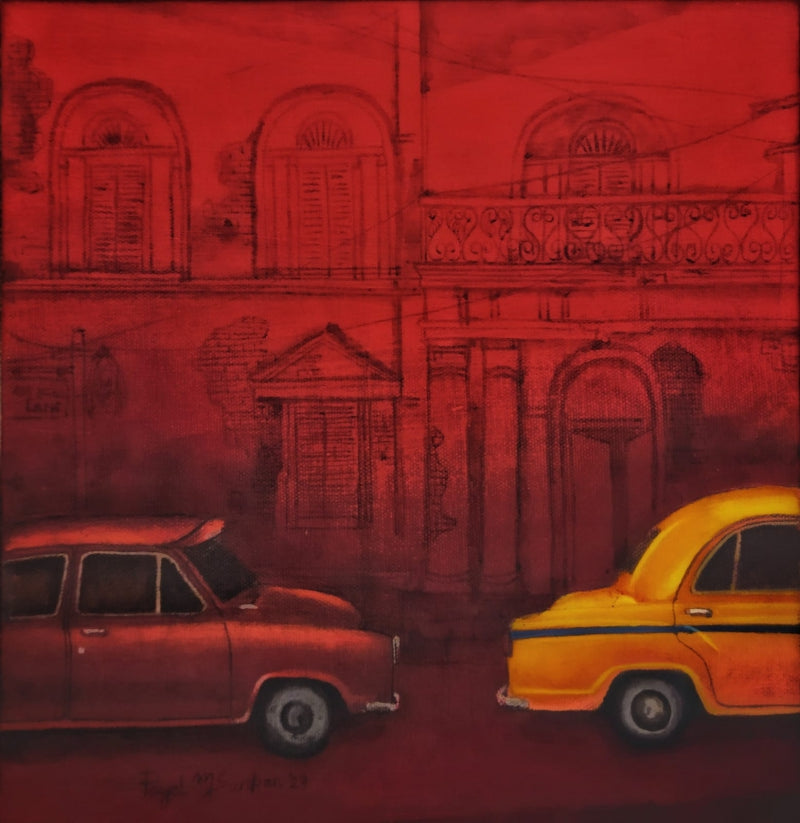
Kolkata My City 5 (Kolkata My City)
₹6,000
● In stockchecking live price…
Size
10x10Type
OriginalMaterial
CanvasSet against a field of saturated crimson, the façade emerges like a half-remembered city—its arches and balconies drawn in ghosted lines, as if architecture were an afterimage rather than a solid fact. Two vintage cars anchor the lower register, their dulled maroon and sunlit yellow forming a quiet dialogue of departure and return, motion held in suspension. The red atmosphere acts like emotional weather, flattening depth and turning the street into a stage where nostalgia, heat, and history blur into one continuous pulse. In this compressed space, the everyday becomes emblematic: a portrait of urban memory where time is less a sequence than a lingering stain of light.
Delivery
You may also like
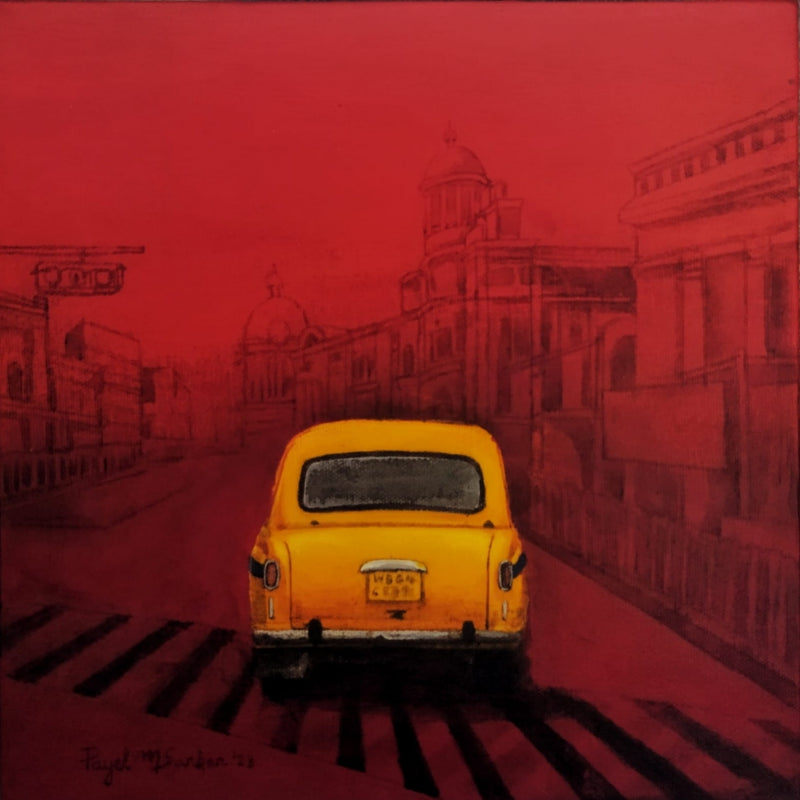
Kolkata My City 4 (City Drive)
Artzolo
₹6,000
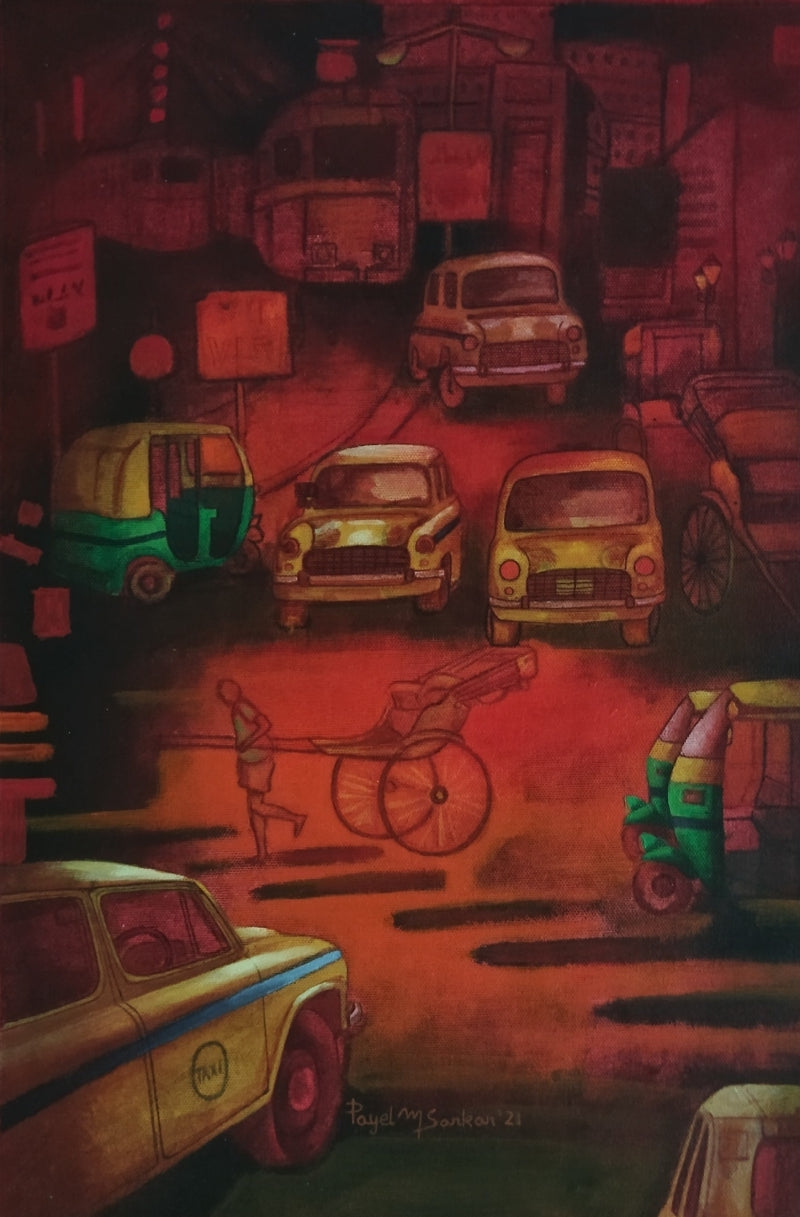
Kolkata My City 2 (Kolkata Street Scene)
Artzolo
₹9,000
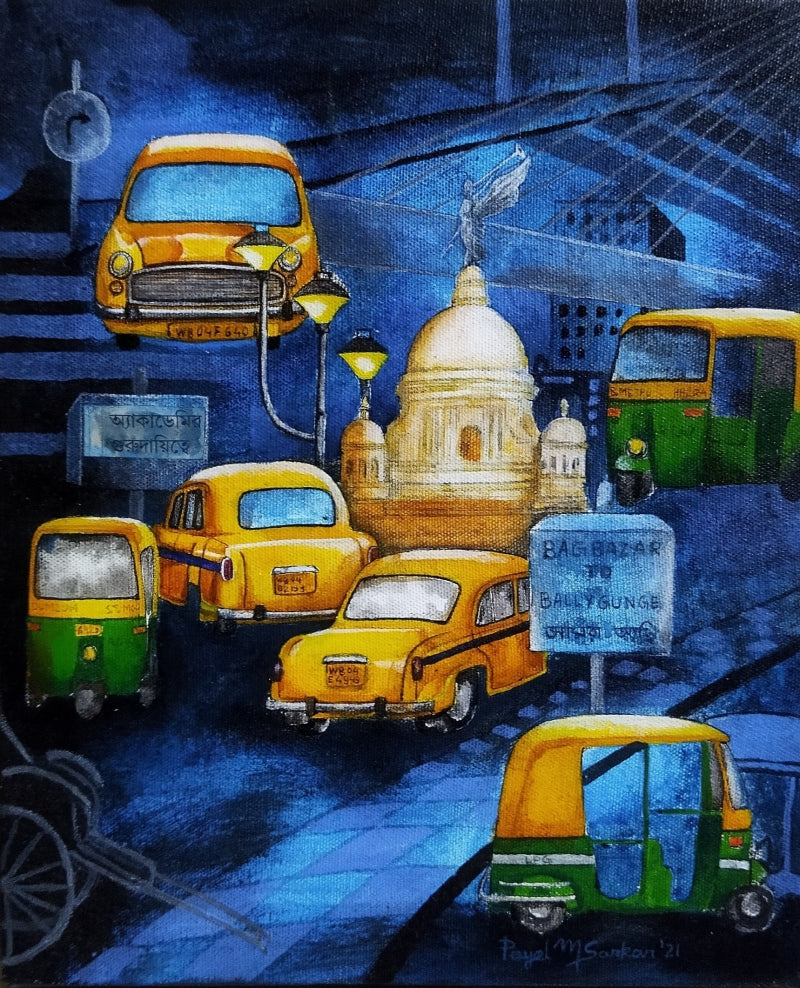
Kolkata My City (Kolkata My City)
Artzolo
₹6,000
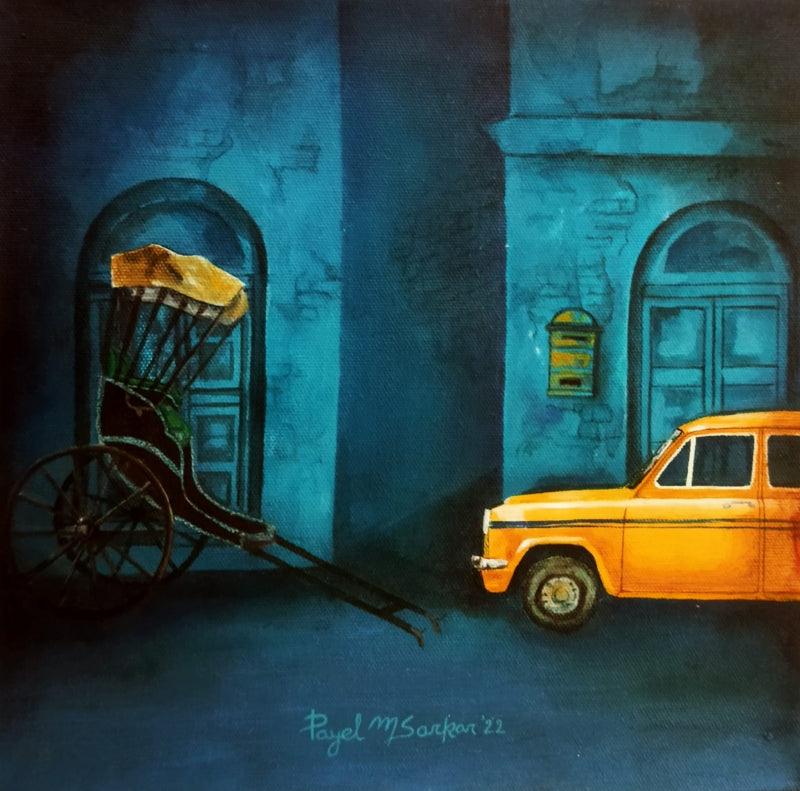
Kolkata My City 5 (A Quiet Moment in Kolkata**)
Artzolo
₹8,000
★ 5.0 (15)
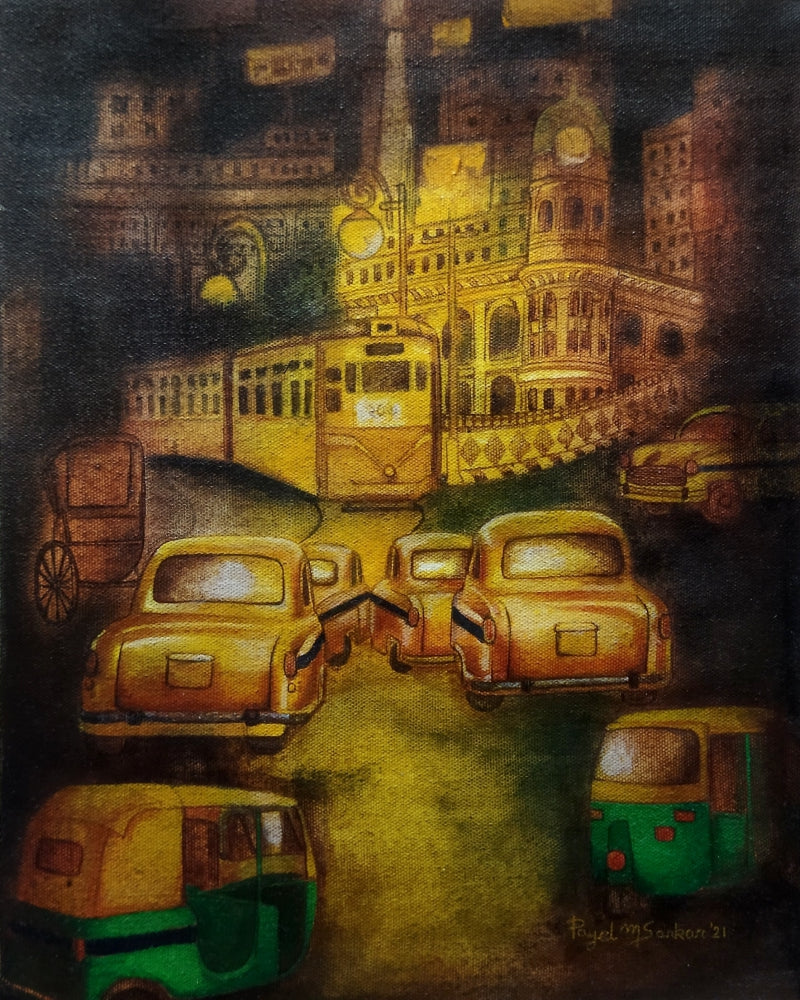
Kolkata My City 3 (Kolkata My City)
Artzolo
₹9,000
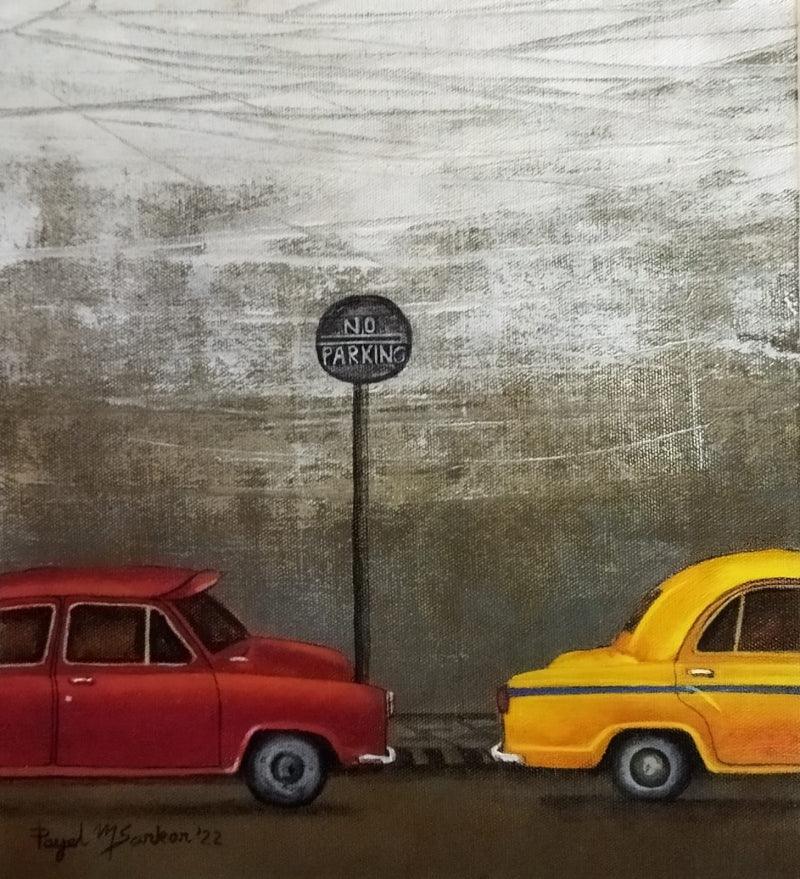
Kolkata My City 1 (No Parking)
Artzolo
₹8,000
out of stock
★ 5.0 (12)
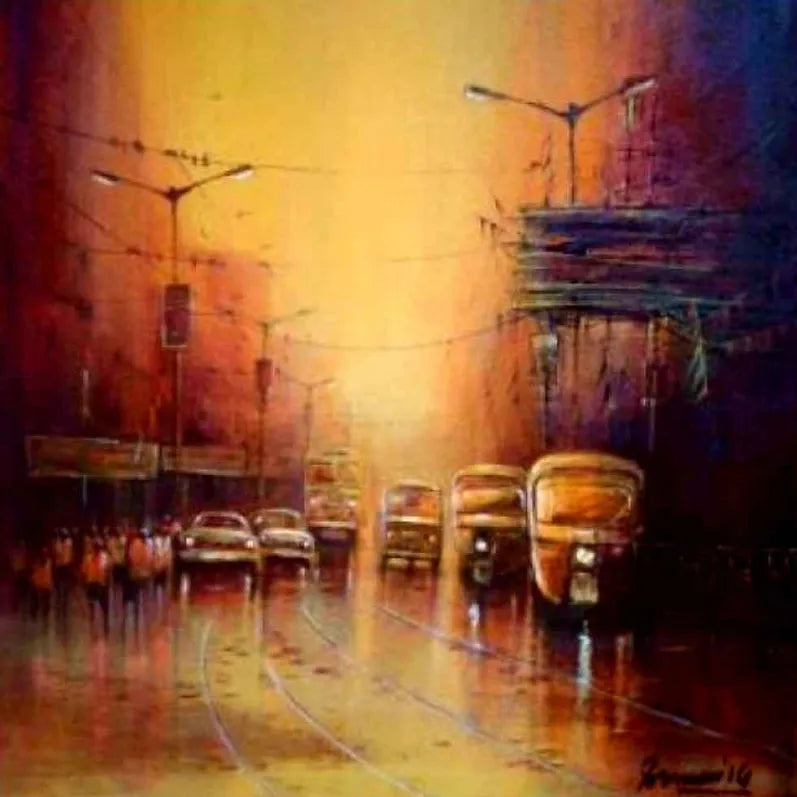
Cityscape 1 (A Busy Evening in Kolkata)
Artzolo
₹22,500
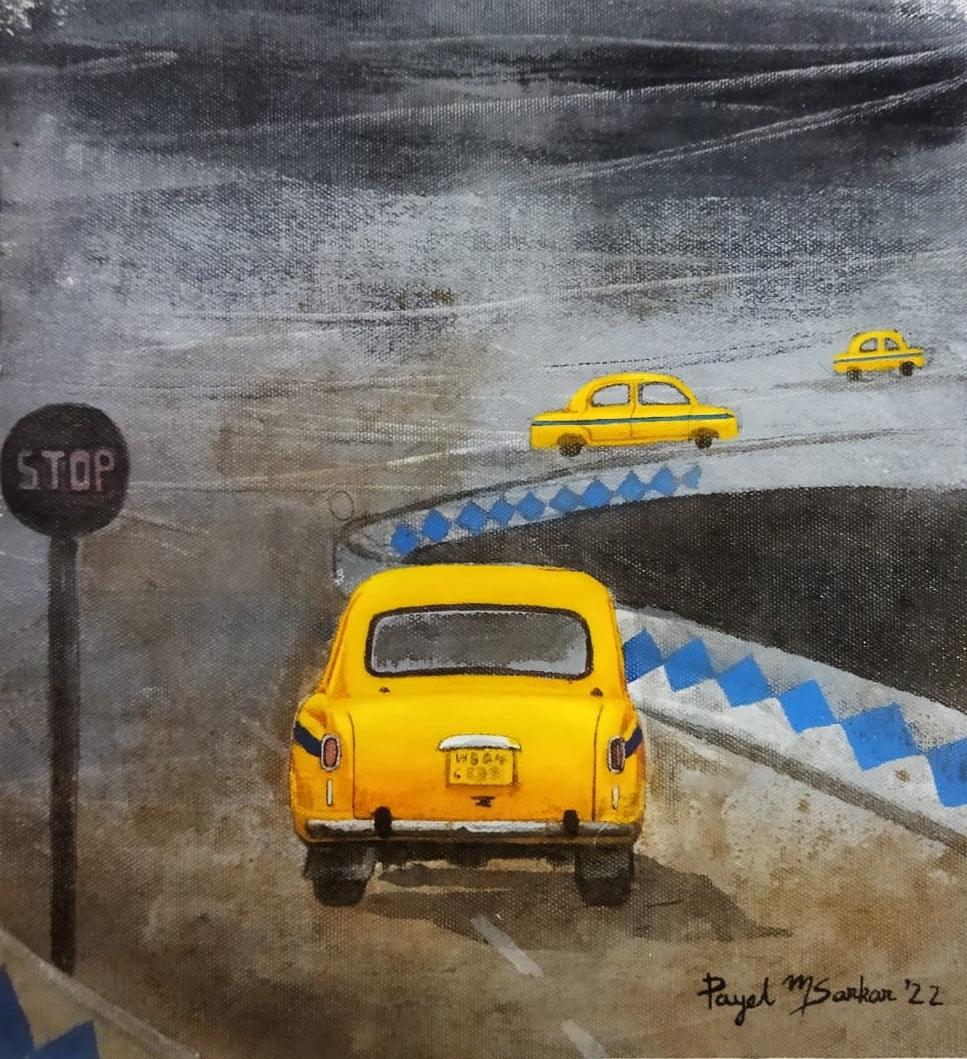
Kolkata My City 4 (A Rainy Day in Kolkata**)
Artzolo
₹8,000
out of stock
★ 5.0 (14)