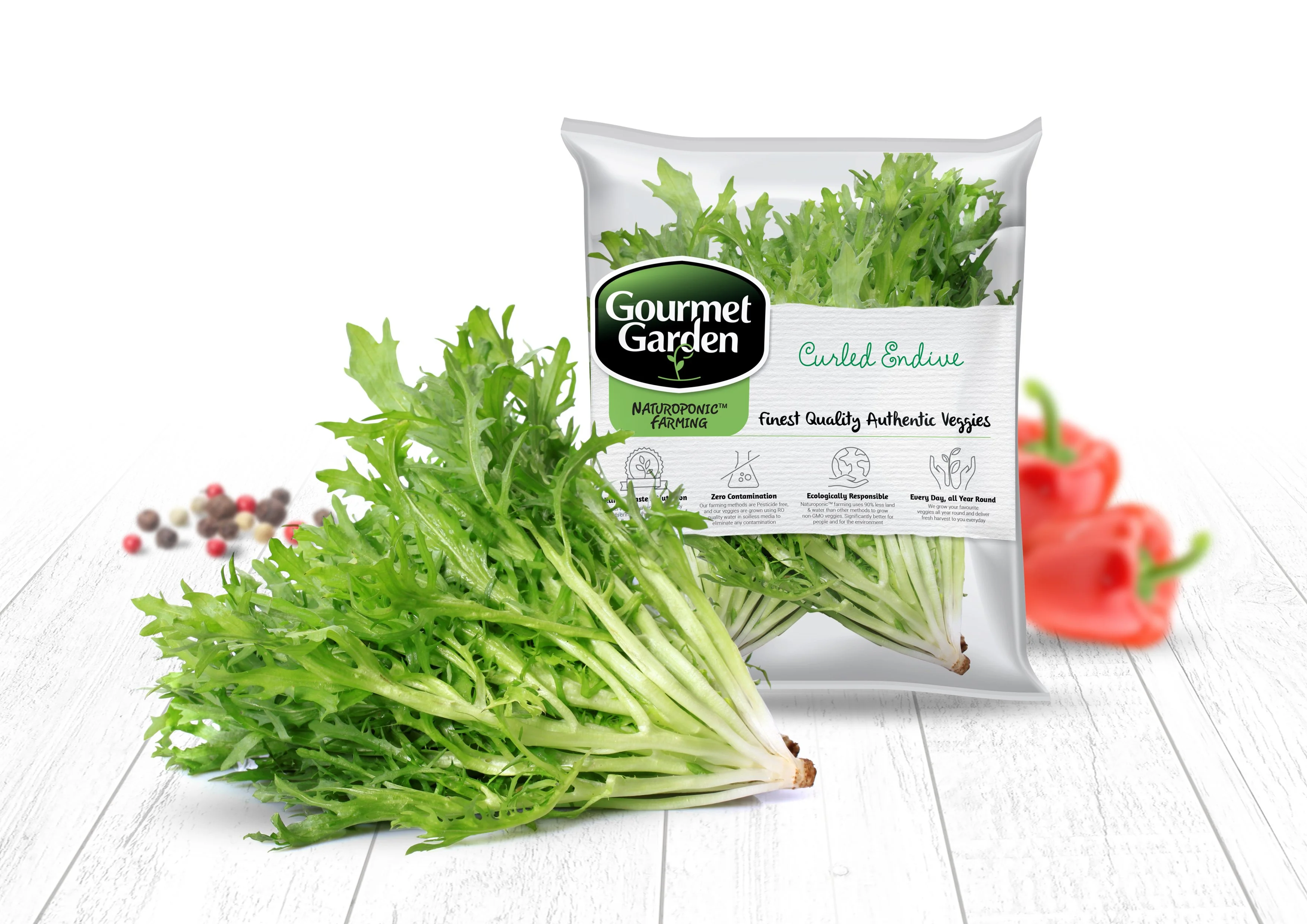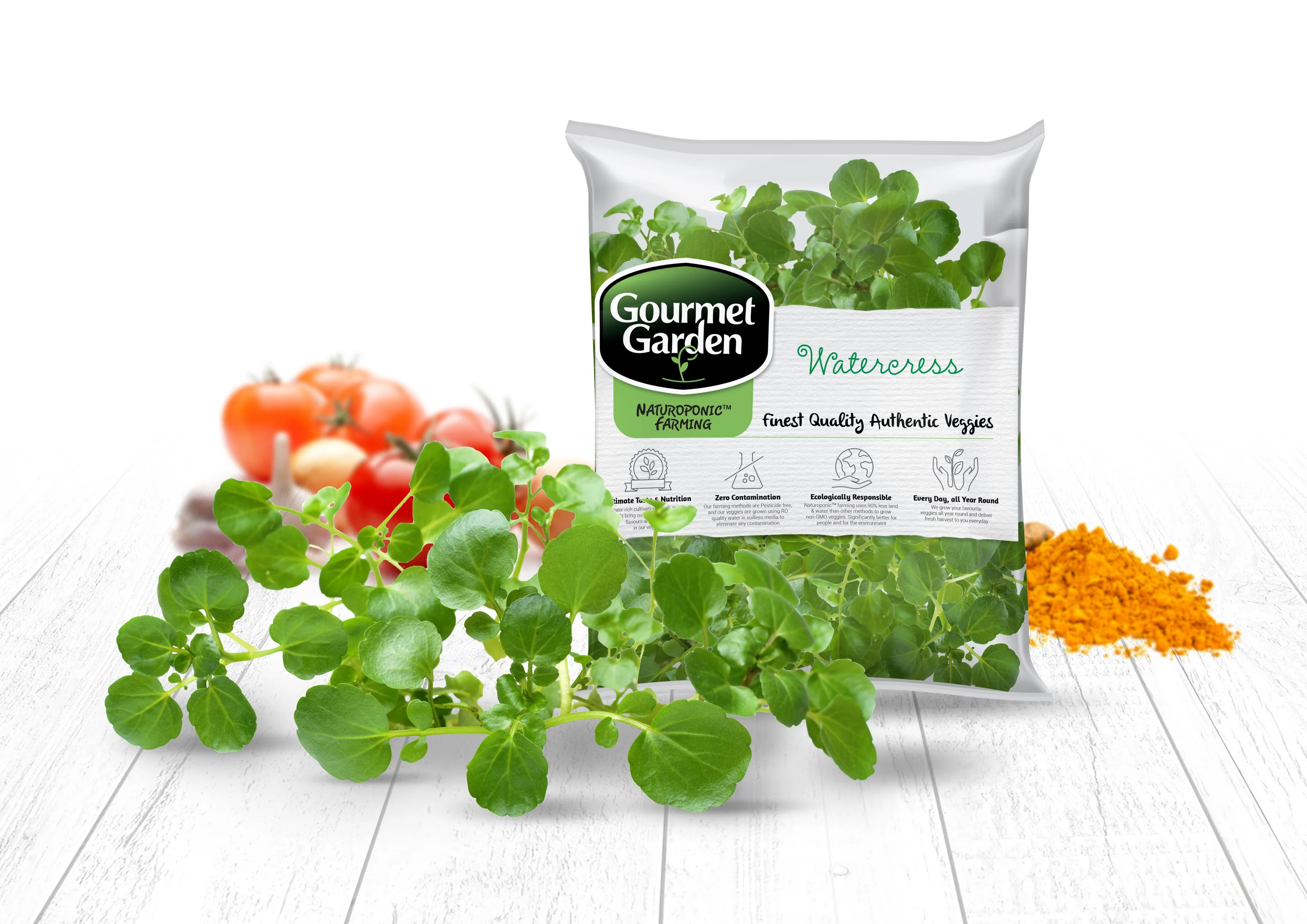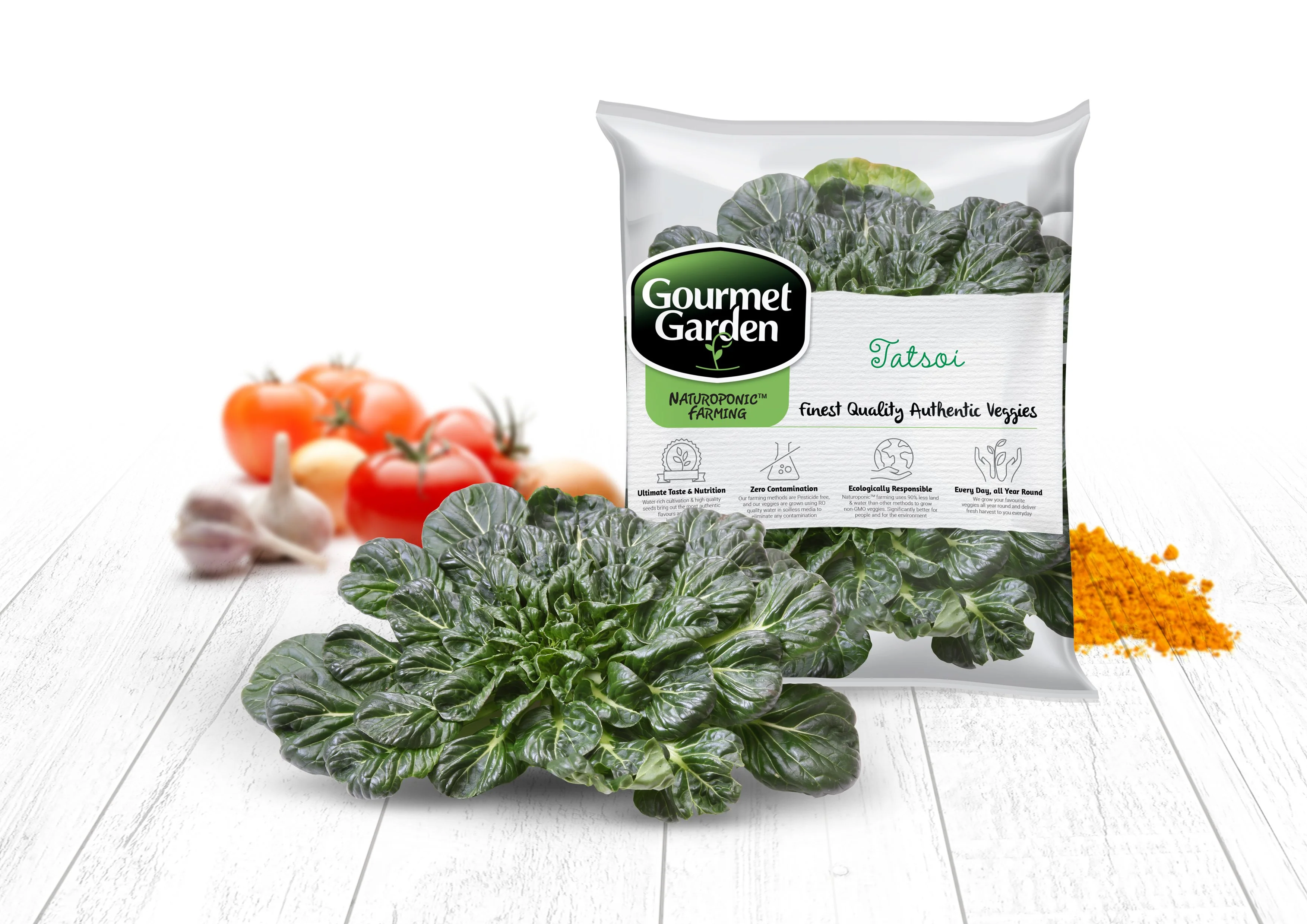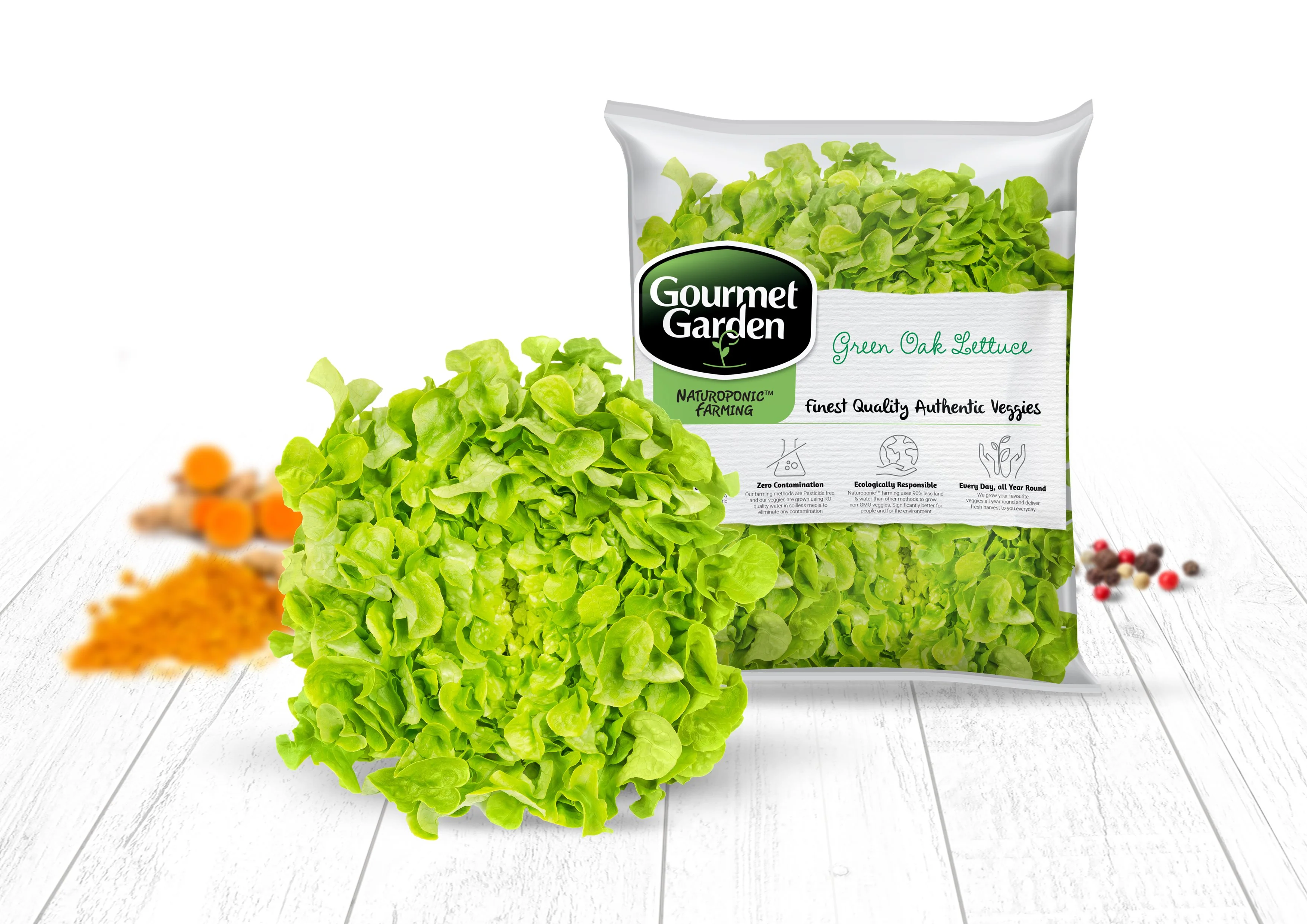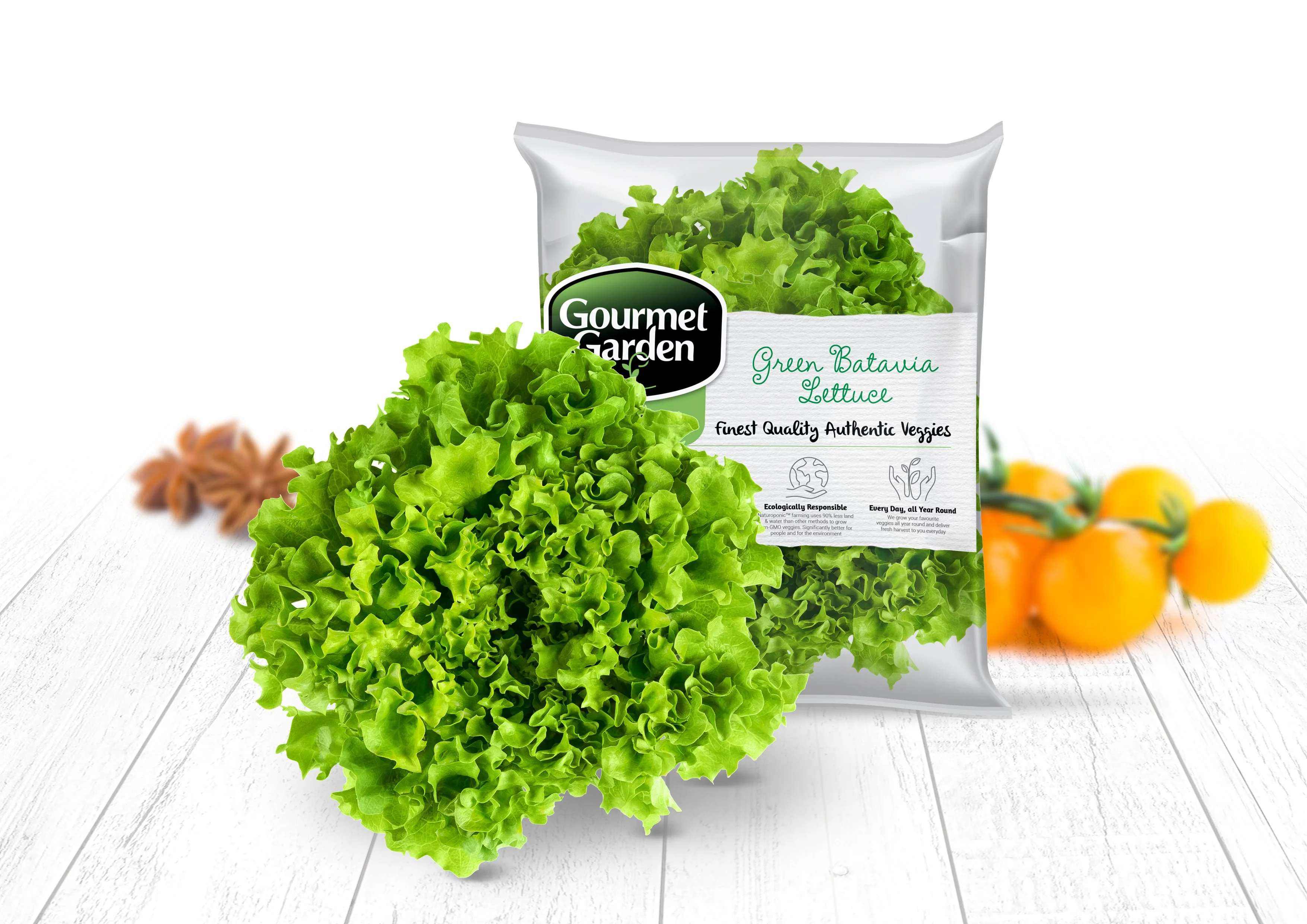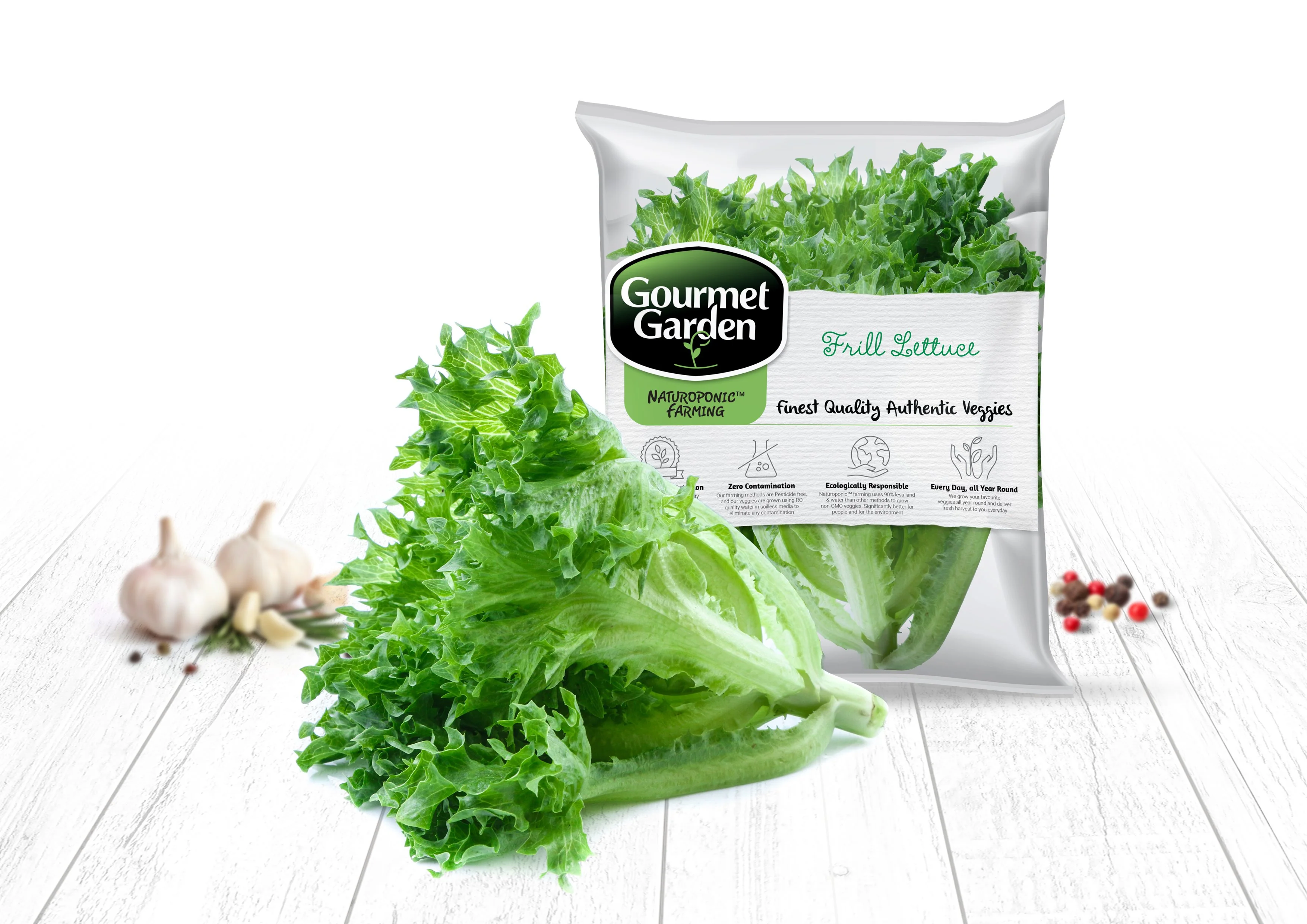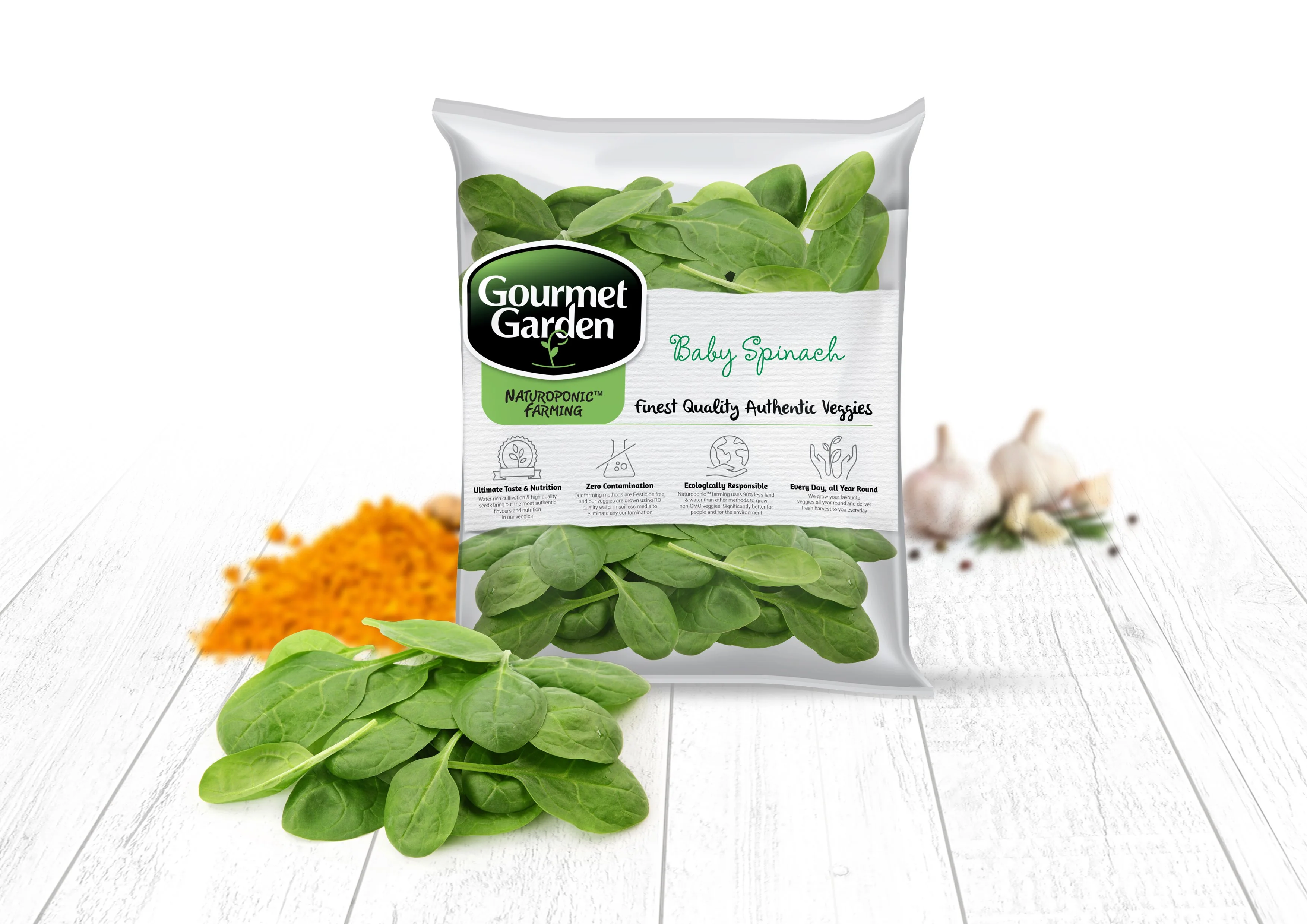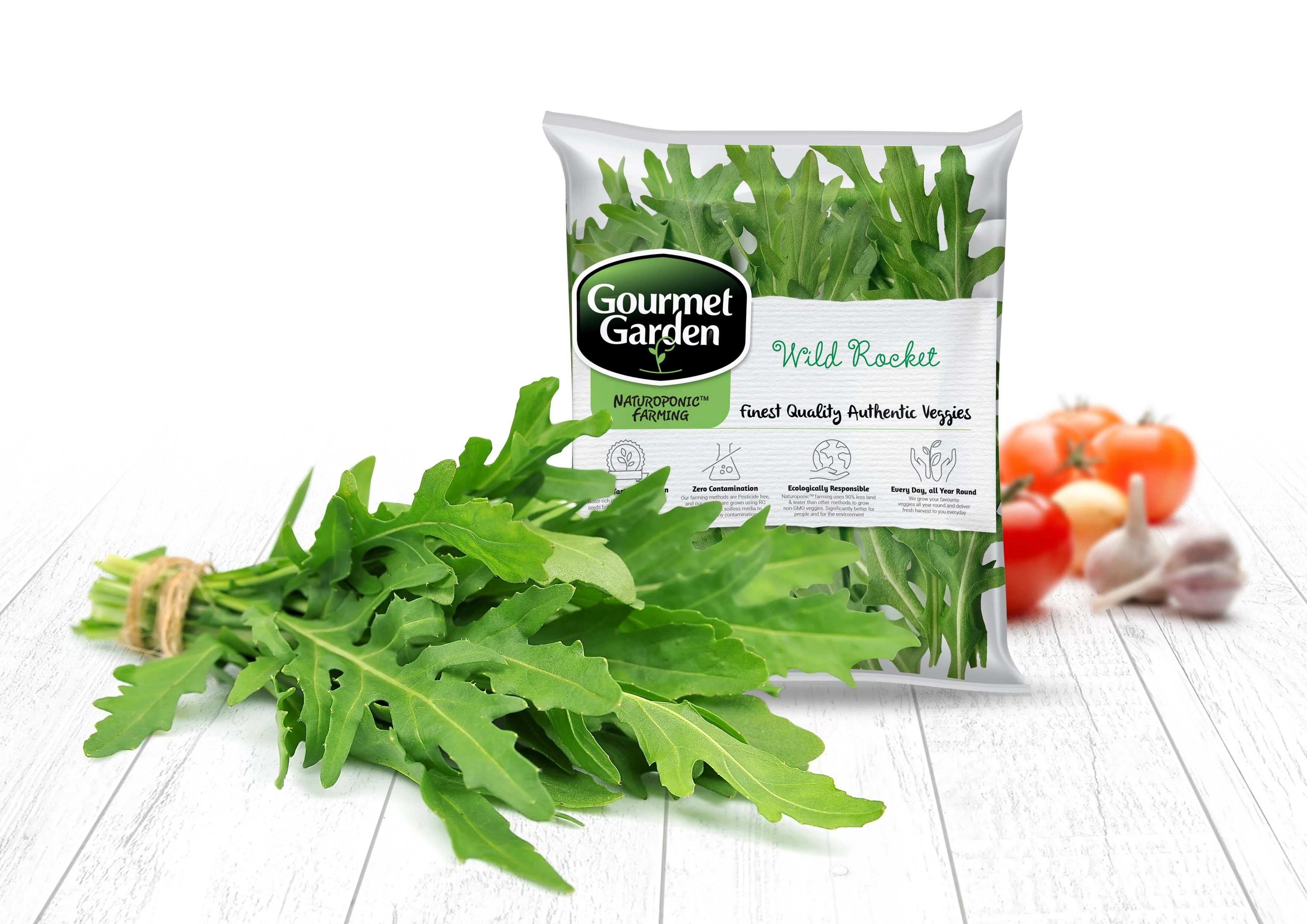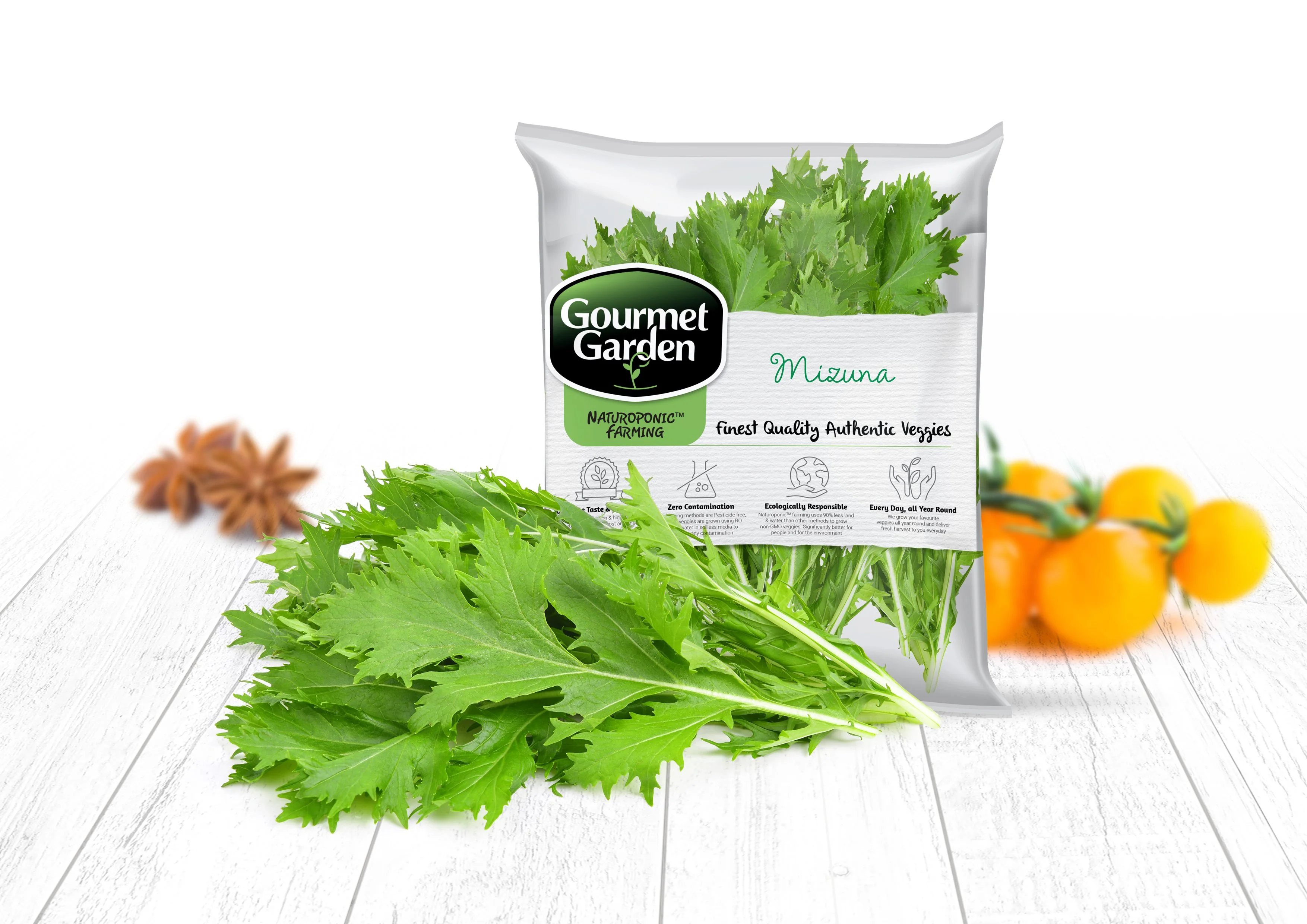
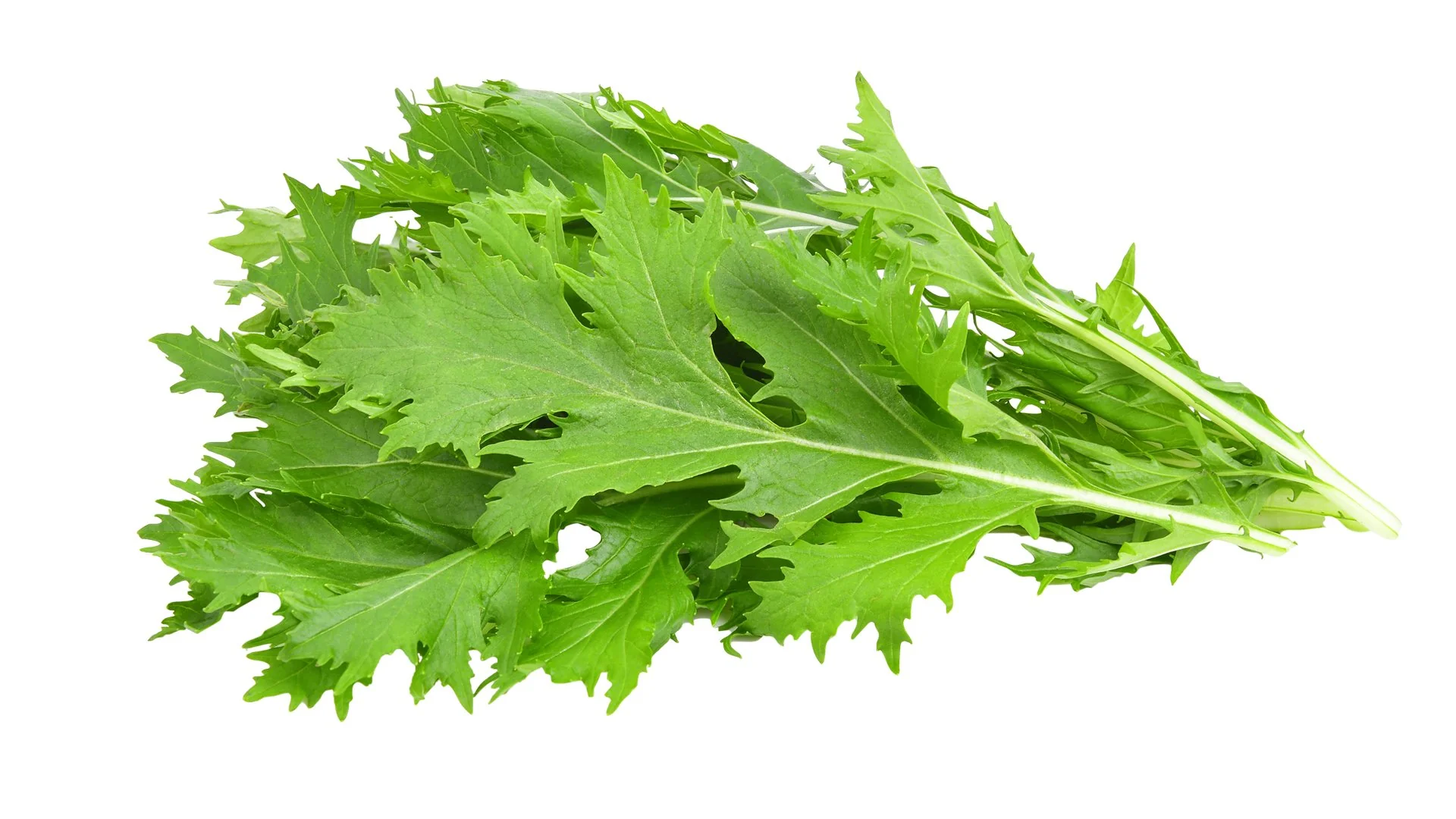
Mizuna is a mild-flavored Japanese mustard that is commonly grown for commercial salad mixes. Its flavor is sort of nutty or peppery- like Arugula.
It has lobed green leaves and a pleasant bitter taste. Mizuna is a close relative to the turnip but has a flavor all its own. Ridiculously easy to grow, it re-grows well when harvested as a cut-and-come-again green. The varieties are ‘Kyona Mizuna’: rosettes of thin, deep cut, feathery, fringed leaves, mild flavor; ‘Purple Mizuna’: green leaves with purple margins.
Nutritional Value
One of the mildest mustard greens, mizuna—often found in mesclun mixes—is high in immune-boosting vitamin C, folate, and iron. It also contains powerful glucosinolates— antioxidants linked to decreased cancer risk.
How to Use
Mizuna is usually not eaten raw in Japan—instead, it's pickled, stir-fried, simmered, and added to hot pot dishes. Mizuna can be added to stir-fries and soups. Mizuna is often an ingredient in the salad mix called mesclun or spring mix; other greens often found in mesclun are arugula, dandelion, frisée, mâche, radicchio, endive, and sorrel.
How to Store
The leaves will keep up to ten days kept in their biodegradable plastic bag or when wrapped in paper towels and stored in a sealed container in the refrigerator.
Fun Fact
There are tons of health benefits of mizuna. It strengthens bone, rich in antioxidants, supports blood clotting, boosts immunity, may help in reducing the risk of cancer and improves eye health.
How To Use
Delivery
You may also like