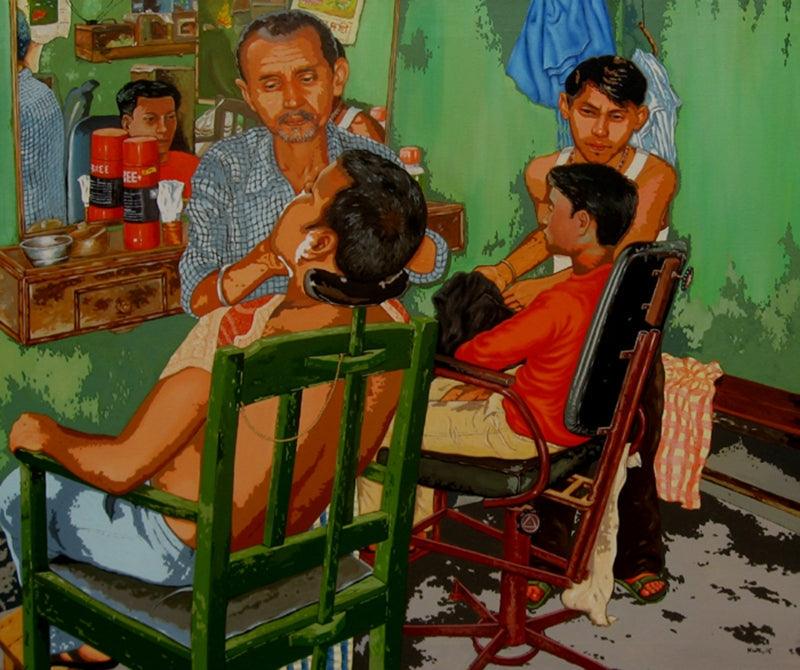
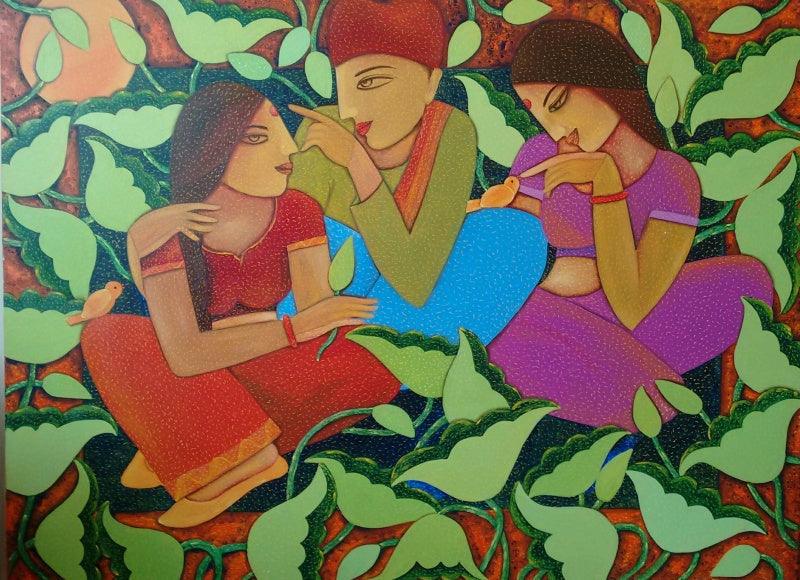
Village Life
₹72,000
Out of stock · ★ 5.0 (5)checking live price…
Size
30x36Type
OriginalMaterial
CanvasSet within the worn intimacy of a barbershop, the painting turns an everyday ritual into a quiet choreography of trust, where the reclined body yields to the steady hands that shape it. Saturated greens and earthy reds press the figures into a close, airless room, making the mirror and cluttered tools feel less like props than witnesses to a shared, working-class interiority. The composition’s intersecting gazes—attentive, absent, and patiently waiting—suggest a tender economy of care in which masculinity is neither heroic nor hardened, but briefly vulnerable. Light is held rather than cast, flattening space into a stage where time slows and small gestures become the narrative.
Delivery
You may also like
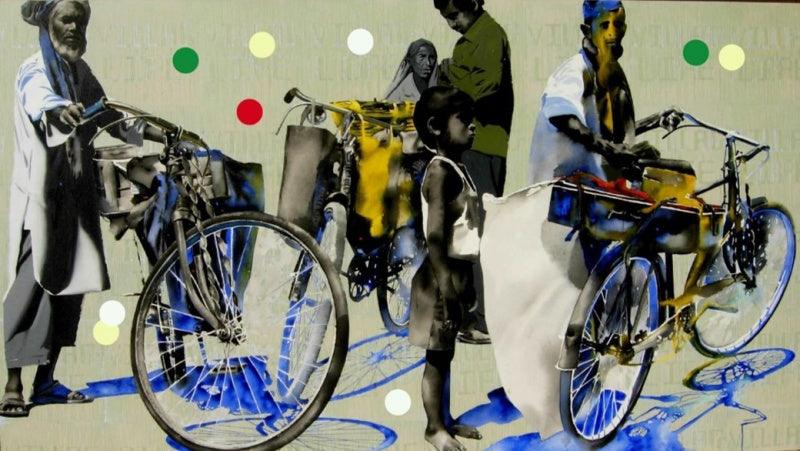
Village Life (Village Children)
Artzolo
₹400,000
★ 4.0 (10)
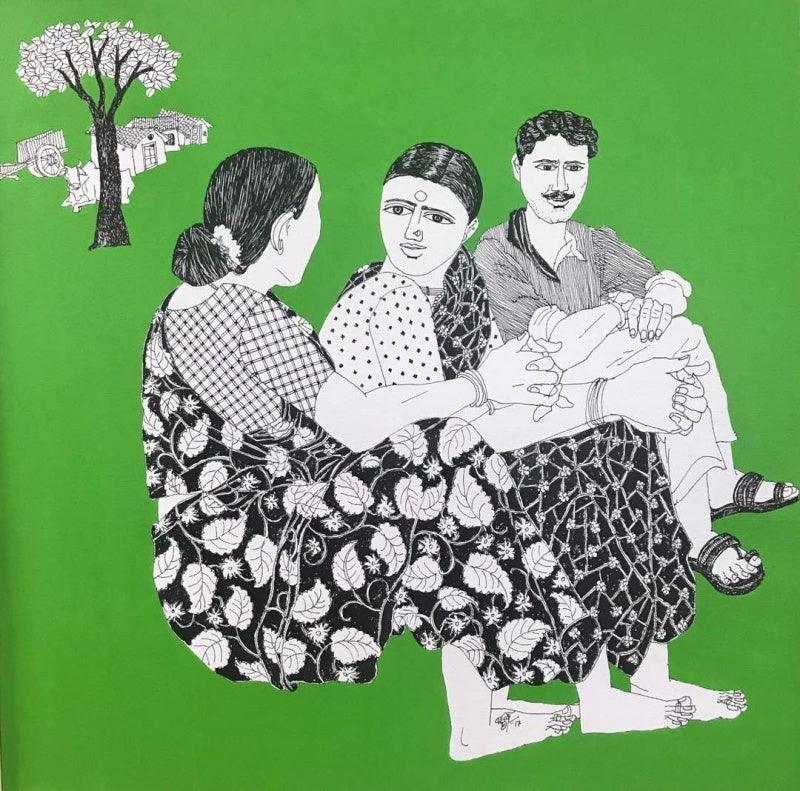
Village Scene 18
Artzolo
₹0
out of stock
★ 5.0 (12)
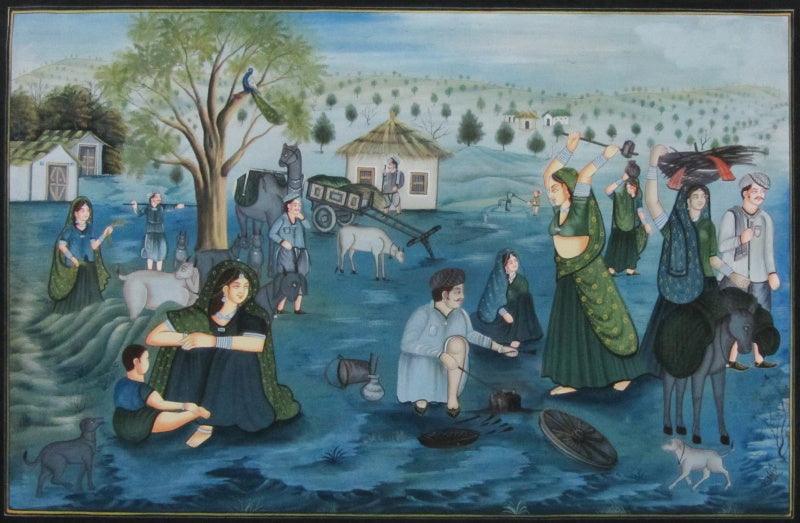
Village Scene
Artzolo
₹7,495
out of stock
★ 4.0 (9)
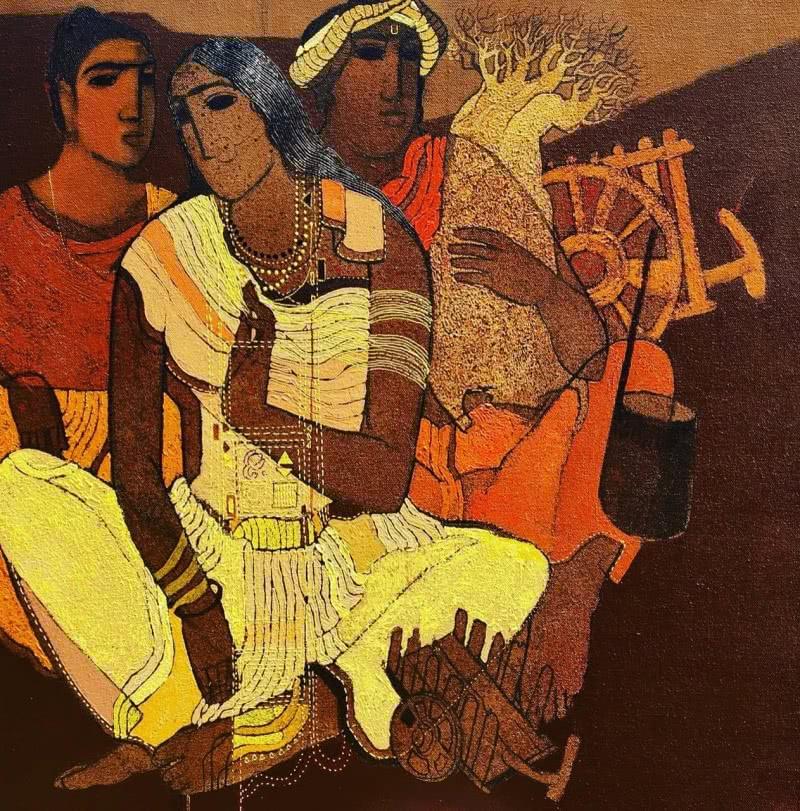
Village 3
Artzolo
₹96,000
out of stock
★ 5.0 (13)
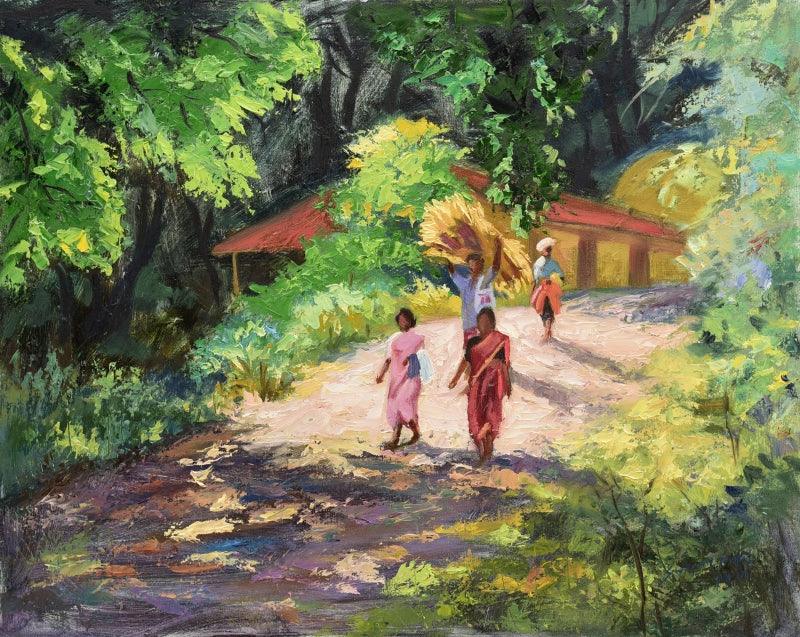
Village Life (Village Life 1)
Artzolo
₹40,000
★ 4.0 (15)
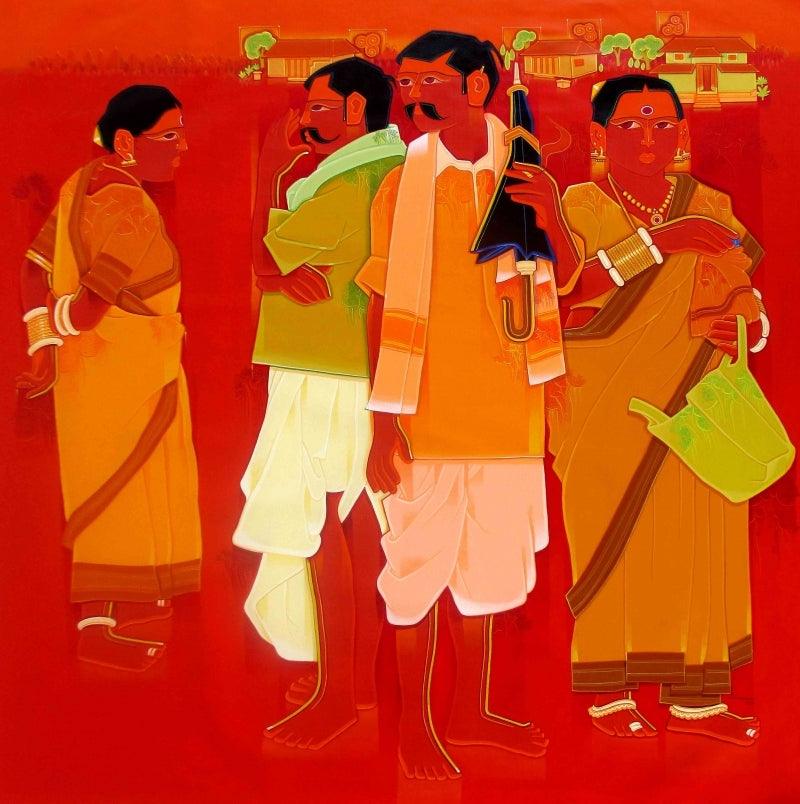
Greet (Village Folk)
Artzolo
₹96,000
★ 5.0 (11)
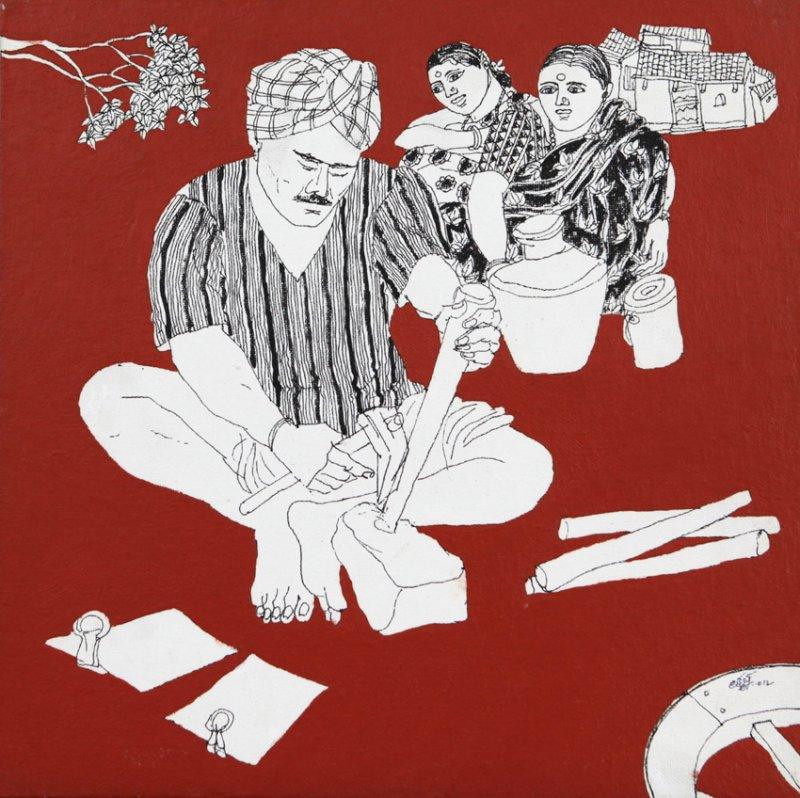
Song Of The Village 2
Artzolo
₹45,000
out of stock
★ 4.0 (10)
Villagers
Artzolo
₹110,000
★ 4.0 (12)