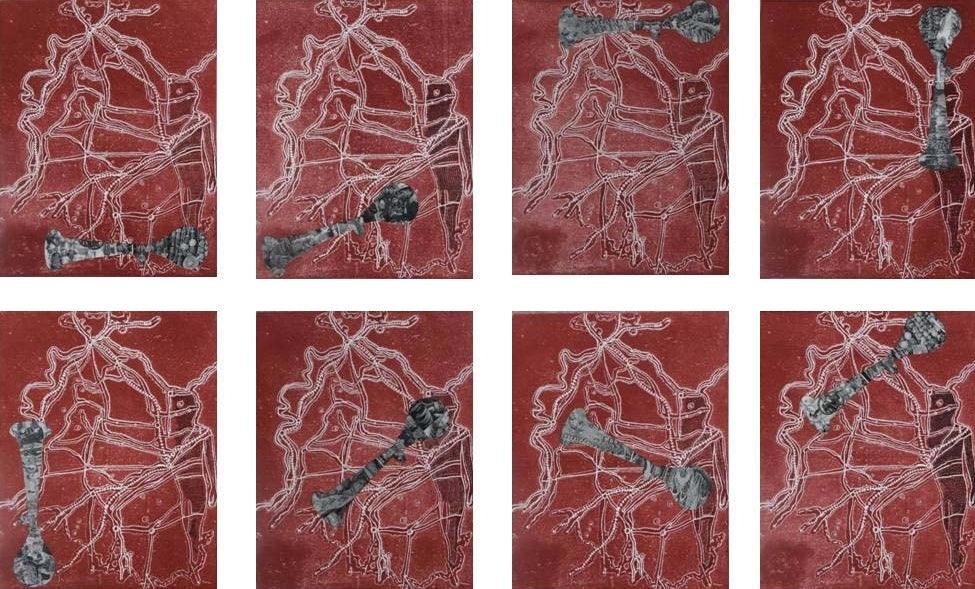
A Horn (The Dance of Restraint)
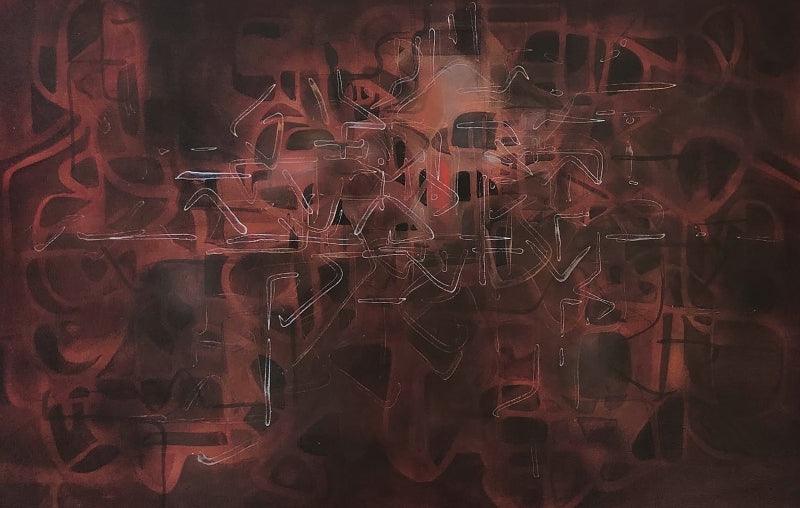
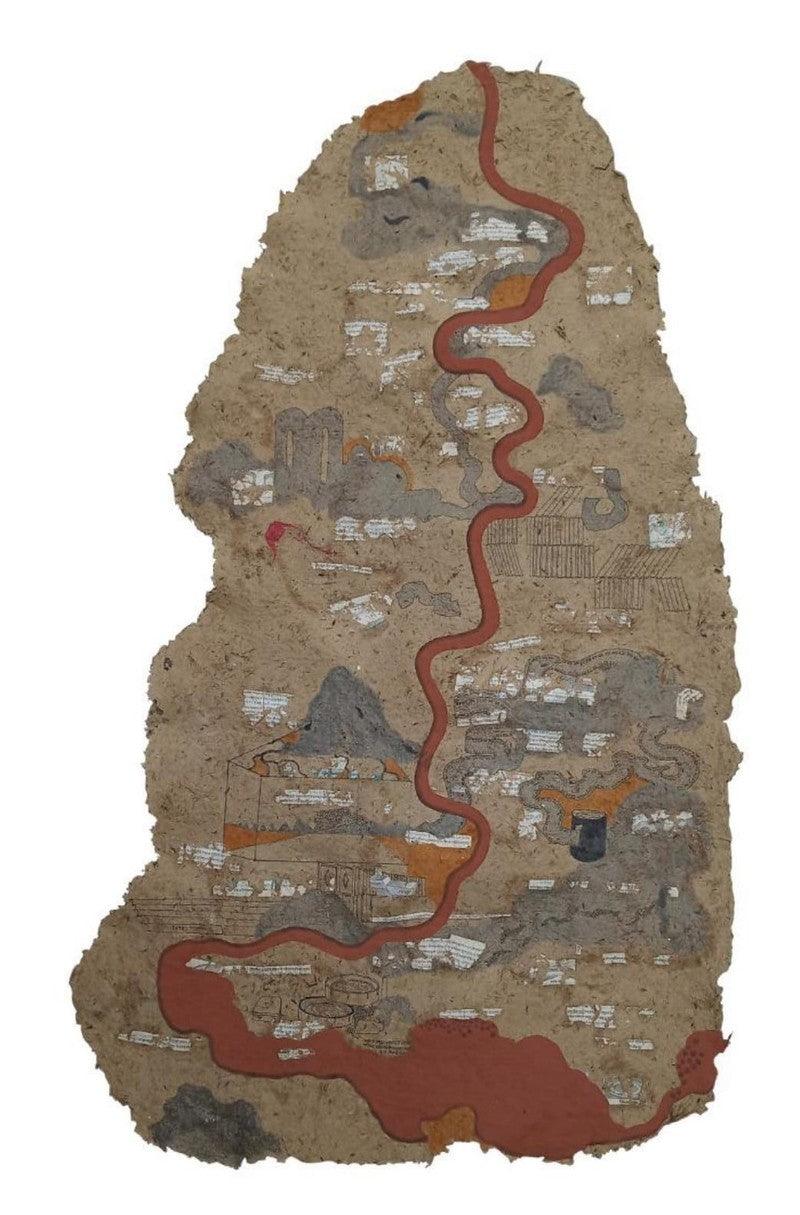
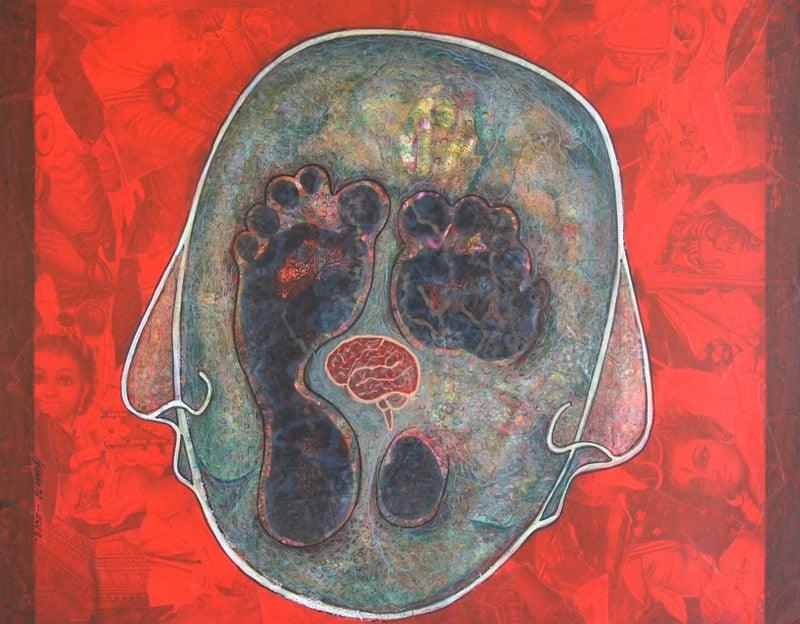
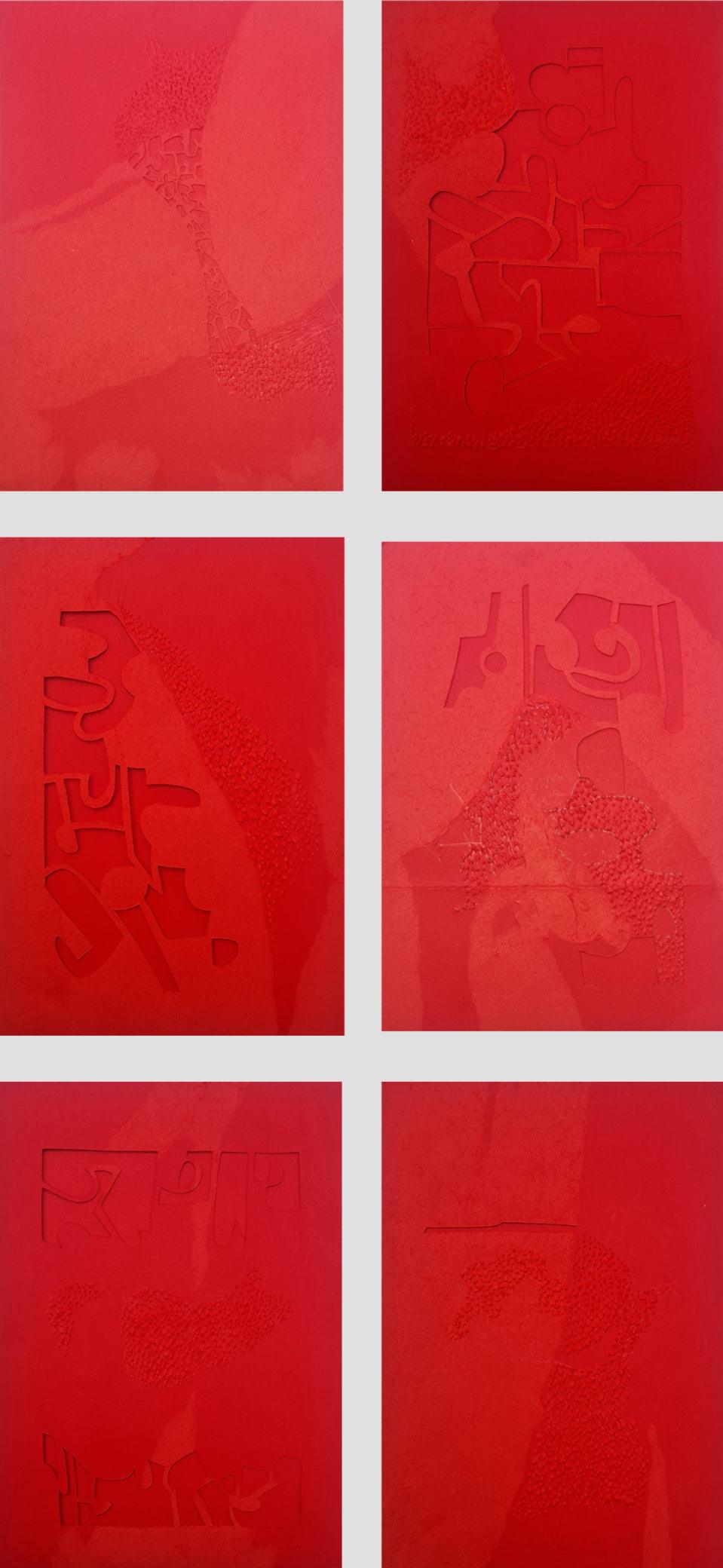
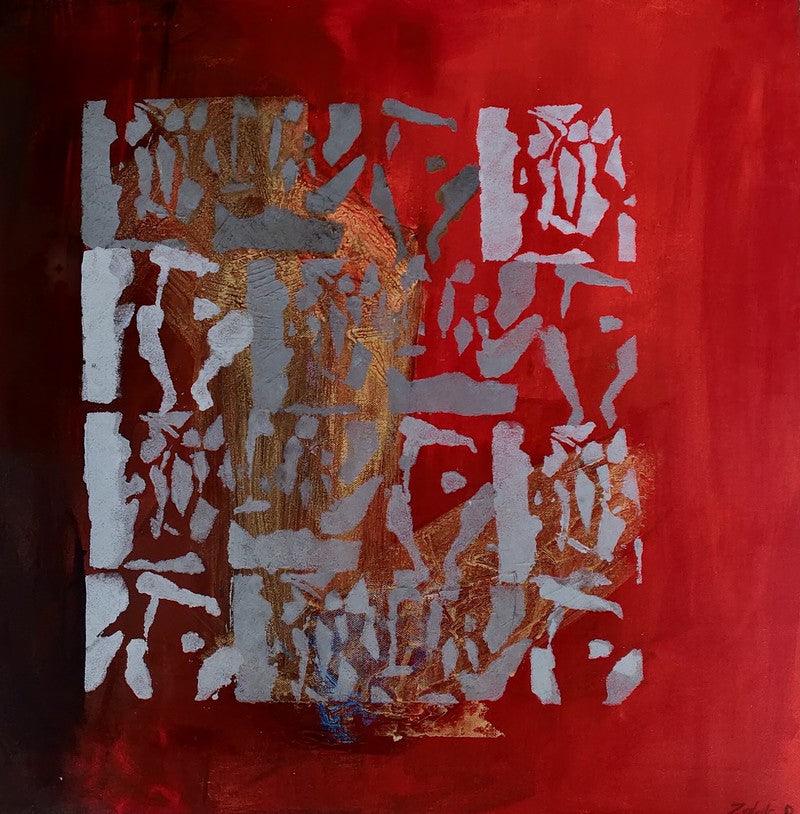
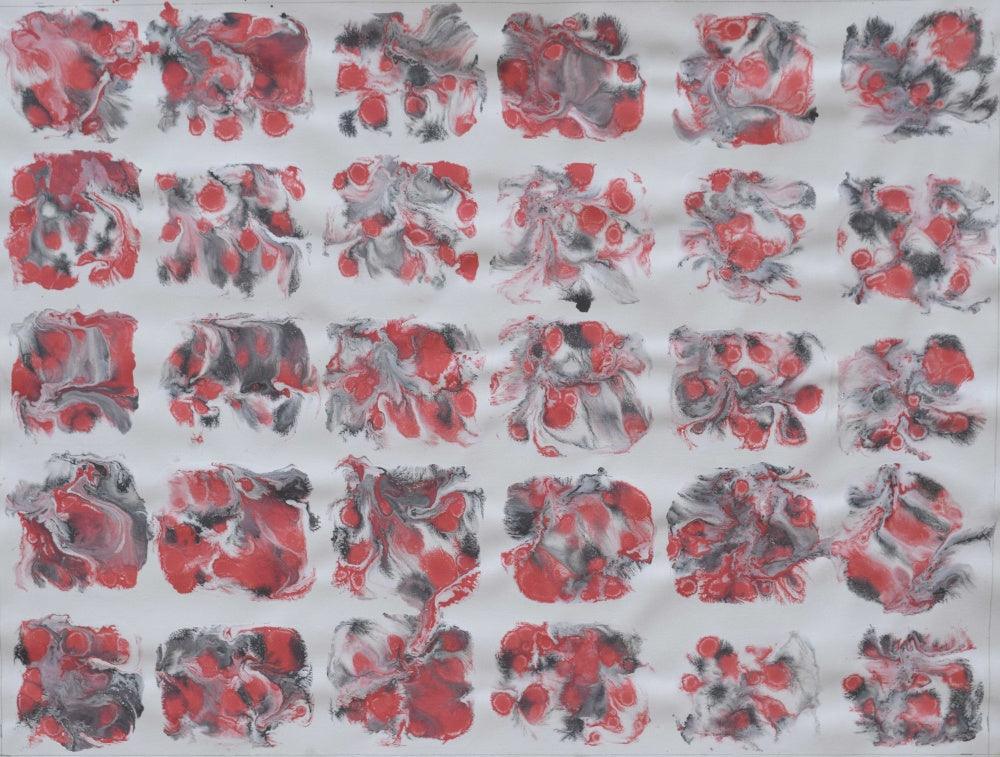
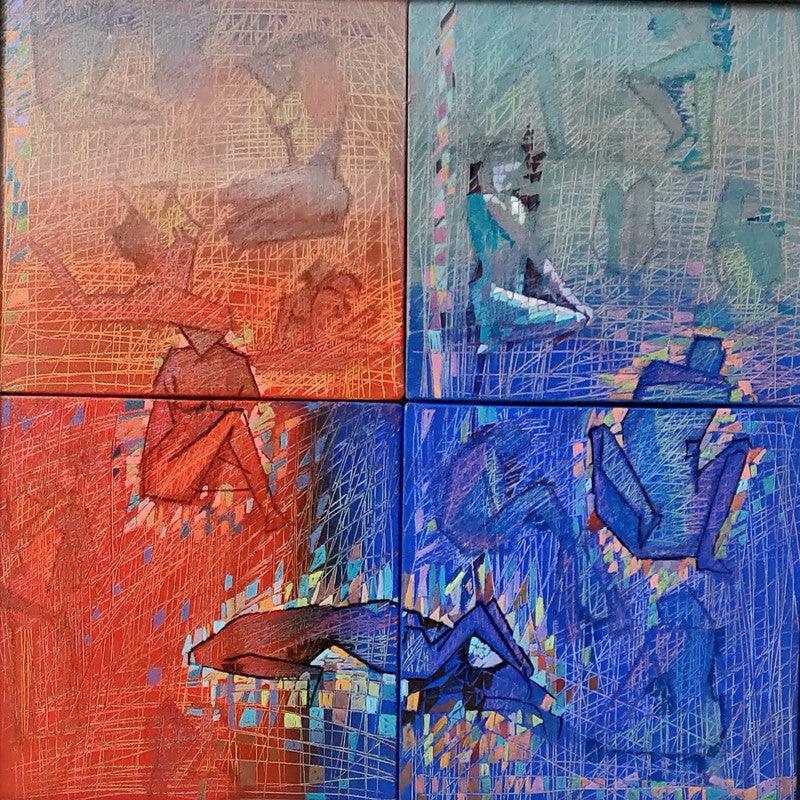
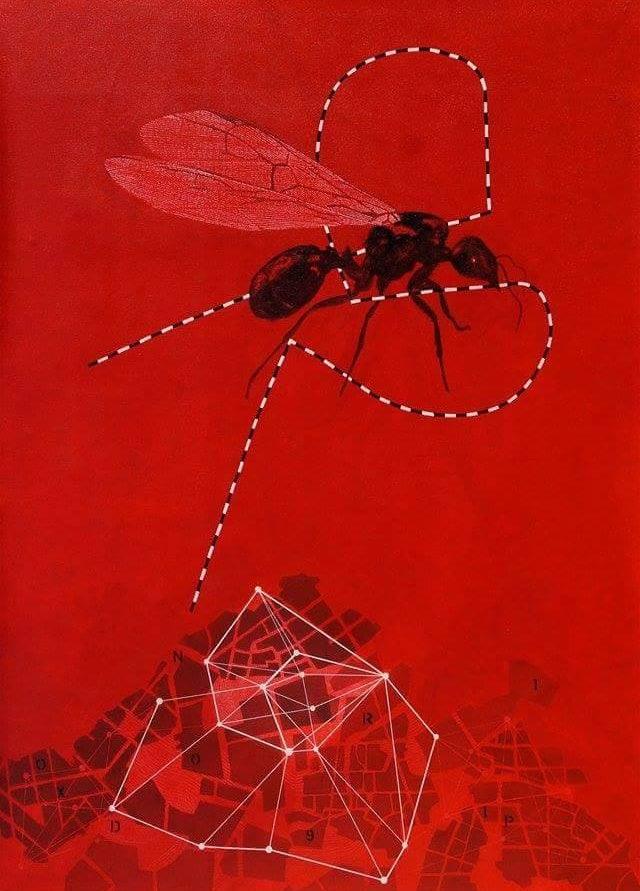
Set against a bruised, earthen red ground, the repeated white tracery reads like a nervous system or topographic memory—an anatomy of routes, impulses, and crossings that refuses a single point of origin. Into this fragile cartography, a bone-like form migrates from panel to panel, its rotations turning the sequence into a quiet choreography of displacement, as if the body’s evidence is being re-archived in different corners of the same mind. The stark contrast between chalky line and dense field sharpens the tension between permanence and erosion, suggesting a meditation on how trauma, history, or desire keeps reappearing—never identical, always re-situated. What emerges is a serial ritual: the map stays constant, but meaning shifts with each small relocation, inviting the viewer to read movement itself as the narrative.
Delivery
You may also like