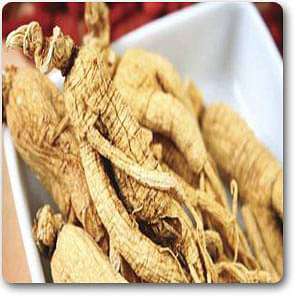
Ginseng Asian - Plant
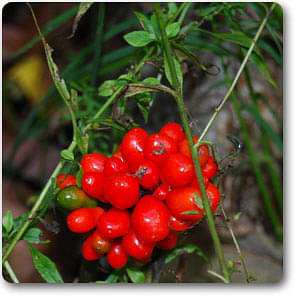
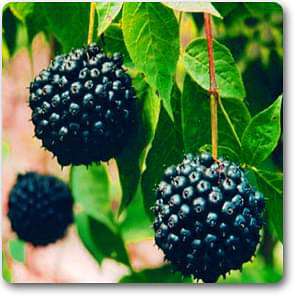
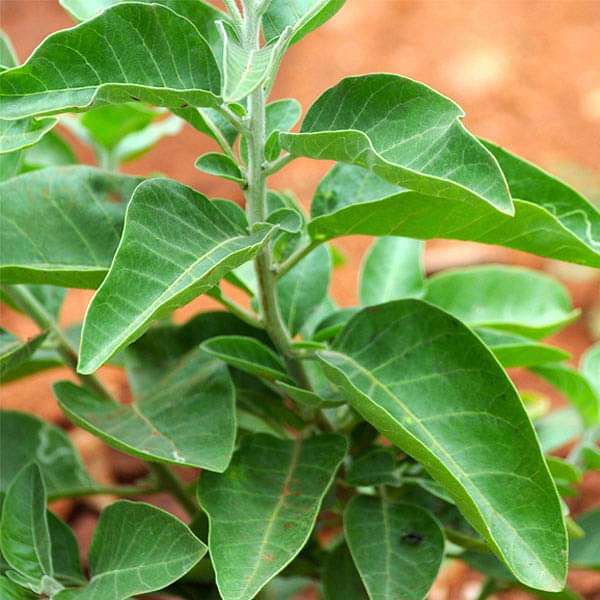
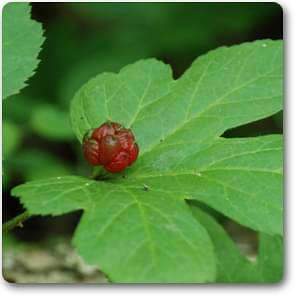
Ginseng Asian, scientifically known as Panax ginseng, is a perennial plant renowned for its medicinal properties and adaptogenic qualities. Native to East Asia, particularly Korea and China, this herb has been used for thousands of years in traditional medicine to enhance vitality, improve cognitive function, and boost the immune system. Its fleshy roots are rich in ginsenosides, which are believed to provide numerous health benefits.
What makes Ginseng Asian truly special is its ability to adapt to various environmental conditions while maintaining its potent medicinal properties. This plant is not only a staple in herbal remedies but also plays a significant role in cultural practices across Asia. Its historical significance and therapeutic benefits have made it a sought-after herb in both traditional and modern medicine.
One of the standout features of Ginseng Asian is its unique growth cycle, which can take up to six years before the roots are harvested for maximum potency. This slow growth contributes to its rarity and value, making it a prized possession for herbalists and health enthusiasts alike.
Growing Instructions:
- Plant in well-drained, loamy soil with a pH of 5.5 to 6.5.
- Choose a shaded area, as Ginseng prefers partial to full shade.
- Water regularly, ensuring the soil remains moist but not waterlogged.
- Fertilize with organic compost in early spring to promote healthy growth.
Care Instructions:
- Monitor for pests such as aphids and spider mites; treat with organic insecticides if necessary.
- Mulch around the base to retain moisture and suppress weeds.
- Harvest roots in the fall after 4-6 years of growth for optimal potency.
Uses:
- Used in teas, tinctures, and capsules for health benefits.
- Commonly incorporated into dietary supplements for energy and stress relief.
- Utilized in traditional medicine for enhancing mental clarity and physical endurance.
Fun Facts:
- Ginseng has been revered in Asian cultures for over 2,000 years, often referred to as the "root of life."
- It is believed that the shape of the Ginseng root resembles a human figure, which is thought to enhance its medicinal properties.
- Ginseng cultivation has a significant economic impact, with South Korea being one of the largest producers globally.
Environmental Impact:
Ginseng cultivation promotes biodiversity and can help restore forest ecosystems. However, overharvesting in the wild has led to conservation concerns, making sustainable farming practices essential for its future.
Coupons
Delivery
You may also like