Glycycrhiza glabra - Plant
Description
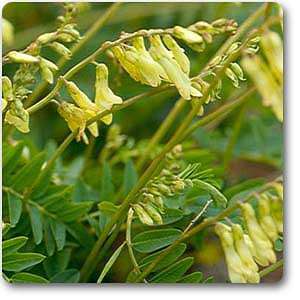
Glycyrrhiza glabra, commonly known as licorice, is a perennial herb native to the Mediterranean region and parts of Asia. This remarkable plant is renowned for its sweet-tasting root, which contains glycyrrhizin, a compound that is 50 times sweeter than sugar. With its vibrant green foliage and delicate purple flowers, Glycyrrhiza glabra not only adds beauty to gardens but also offers a plethora of health benefits.
Historically, licorice has been used for thousands of years in traditional medicine, particularly in Chinese and Ayurvedic practices. Its soothing properties make it a popular ingredient in herbal teas, candies, and natural remedies, promoting digestive health and respiratory wellness.
Why It's Special
Glycyrrhiza glabra stands out due to its unique flavor profile and medicinal properties. The root is rich in antioxidants and has anti-inflammatory effects, making it a valuable addition to natural health regimens. Its ability to support adrenal health and combat stress is particularly noteworthy, earning it a revered place in herbal medicine.
Special Features
This plant is not only beneficial for human health but also plays a role in soil improvement. Glycyrrhiza glabra is a nitrogen-fixing plant, which means it enriches the soil, promoting biodiversity and sustainability in agricultural practices. Its adaptability to various climates makes it a resilient choice for gardeners.
Growing Instructions
- Plant in well-drained soil with a pH of 6.0 to 8.0.
- Choose a sunny location, as Glycyrrhiza glabra thrives in full sun.
- Space plants 12-24 inches apart to allow for growth.
- Water regularly, especially during dry spells, but avoid waterlogging.
- Seeds can be sown in spring or fall; root cuttings can be planted in spring.
Care Instructions
- Mulch around the base to retain moisture and suppress weeds.
- Fertilize with a balanced organic fertilizer during the growing season.
- Prune dead or damaged stems in early spring to encourage new growth.
- Monitor for pests like aphids and treat with organic insecticides if necessary.
Uses
- Used in herbal teas for digestive and respiratory health.
- Commonly found in candies and lozenges for its sweet flavor.
- Utilized in traditional medicine for its anti-inflammatory properties.
- Extracts are used in cosmetics for their soothing effects on the skin.
Fun Facts
- Licorice root has been used since ancient Egypt, where it was found in tombs.
- It is a key ingredient in the famous Dutch licorice candy, known as "drop."
- Glycyrrhiza glabra can live for up to 20 years, making it a long-term garden investment.
- The plant's name comes from the Greek words "glycyrrhiza," meaning "sweet root."
Environmental Impact
Glycyrrhiza glabra contributes positively to the environment by improving soil health and supporting local ecosystems. Its ability to fix nitrogen helps reduce the need for synthetic fertilizers, promoting sustainable agricultural practices. Additionally, its deep root system aids in soil erosion control, making it a beneficial plant for both gardens and farms.
Benefits
Coupons
Delivery
You may also like