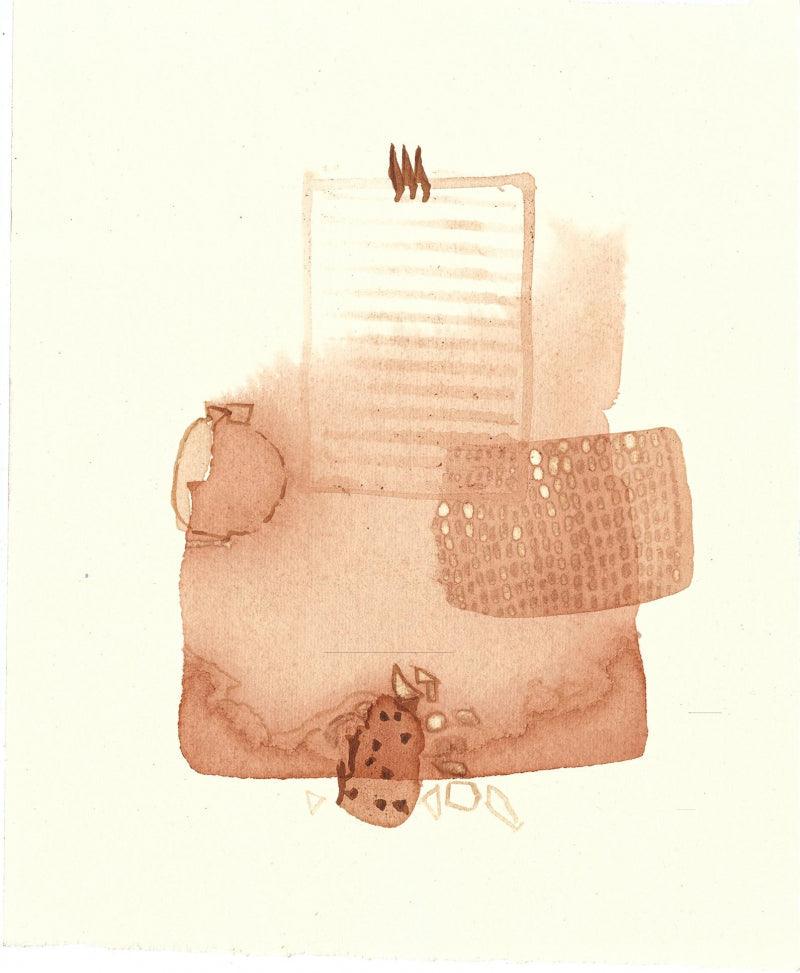
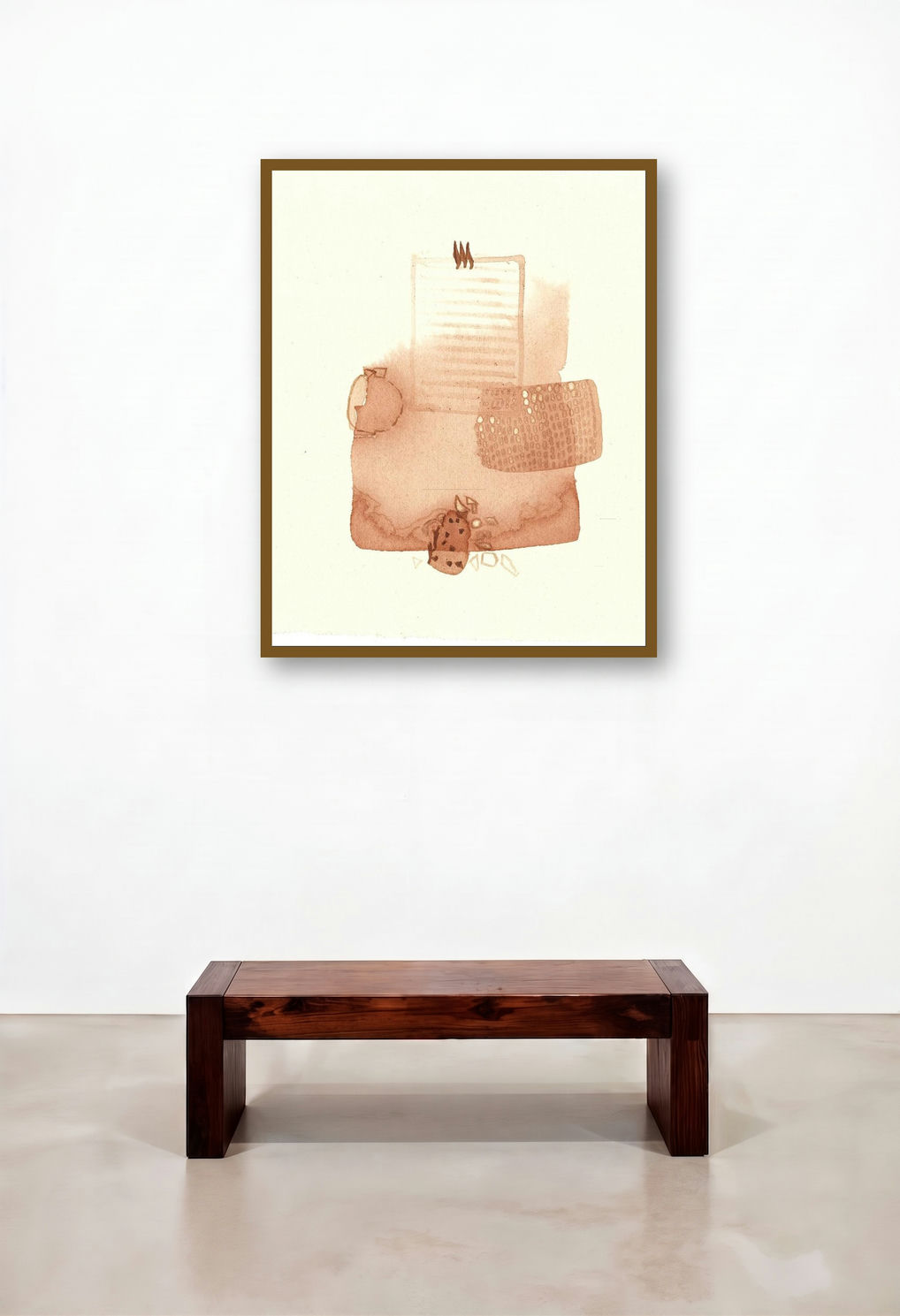
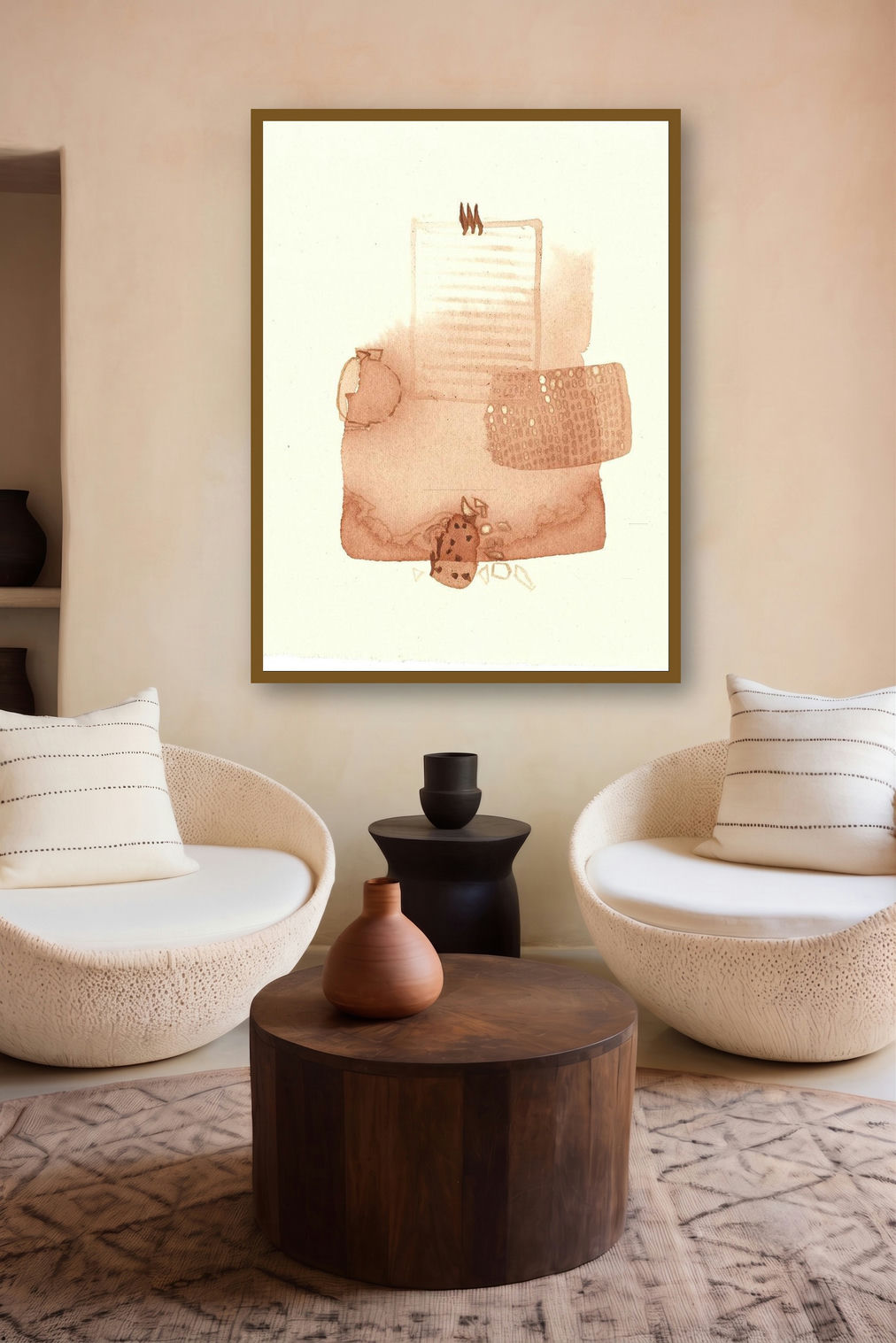
Untitled 101 (Quiet Reflections)
₹13,000
● In stock · ★ 4.0 (9)checking live price…
Size
10x8Type
OriginalMaterial
PaperRendered in a spare, sepia wash, the composition reads like an archaeological diagram of domesticity—objects suspended between recognition and erasure, their outlines softened as if remembered rather than observed. A tall, ruled rectangle anchors the center like a quiet ledger of time, while the perforated, curved form and scattered fragments introduce a tactile rhythm that suggests use, repetition, and the residue of touch. The generous negative space operates as a kind of silence, making the faint stains and bleeding edges feel like emotional seepage—an intimate archive where absence becomes the most articulate presence.
Delivery
You may also like
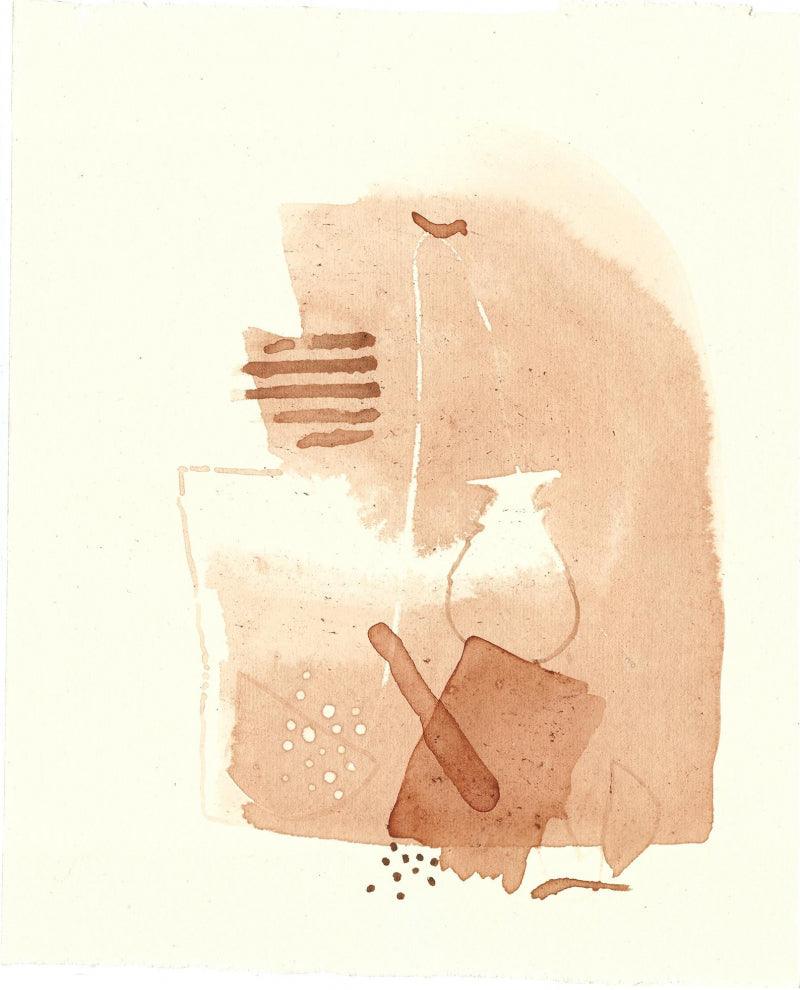
Untitled 102 (Quiet Reflections)
Artzolo
₹13,000
★ 5.0 (12)
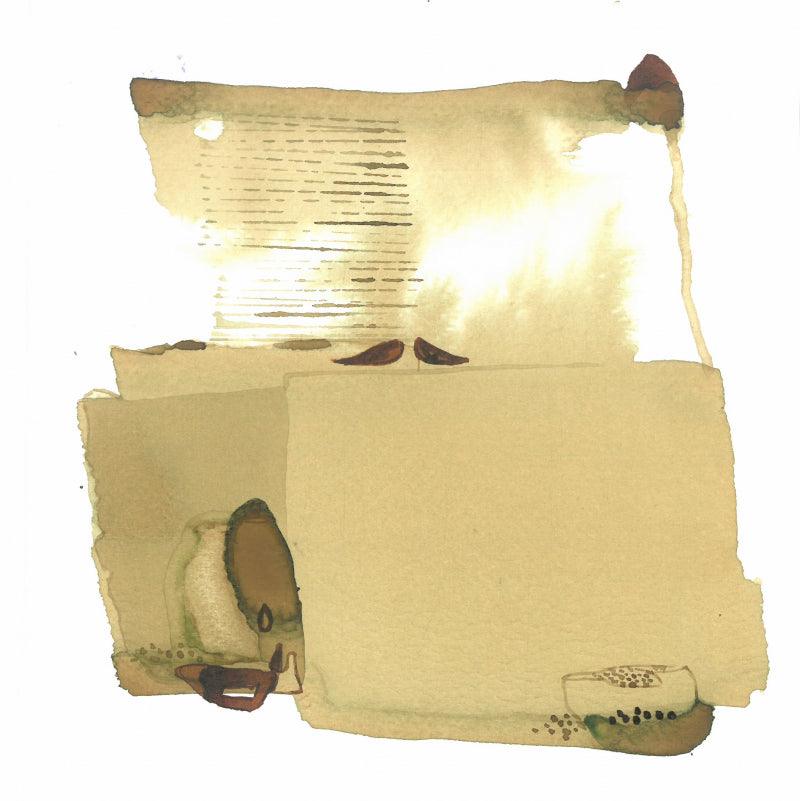
Untitled 108 (Quiet Reflection)
Artzolo
₹8,000
★ 5.0 (11)
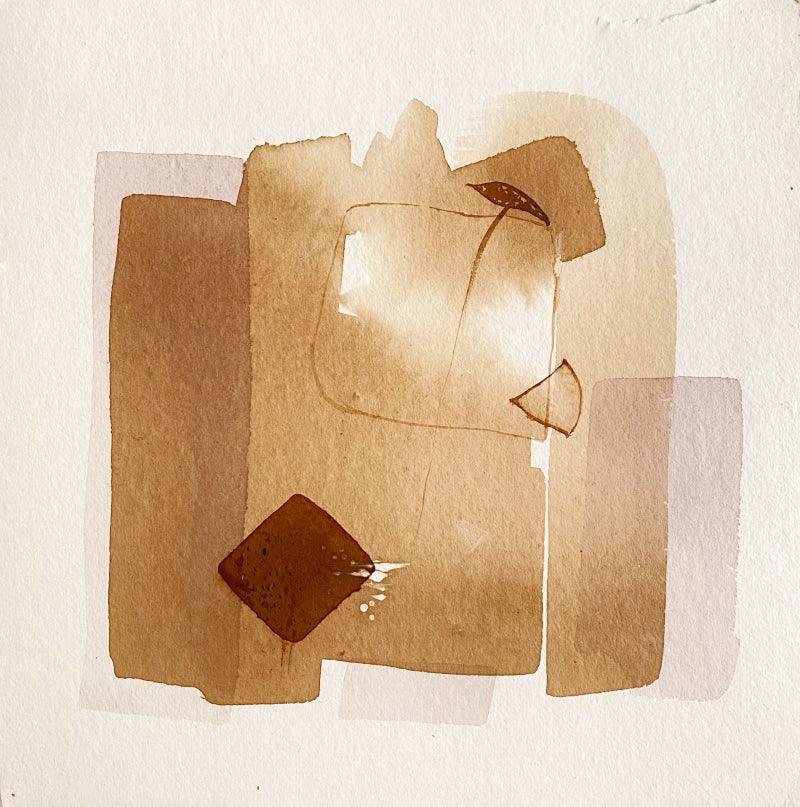
Untitled 121 (Quiet Reflections)
Artzolo
₹16,000
★ 4.0 (10)
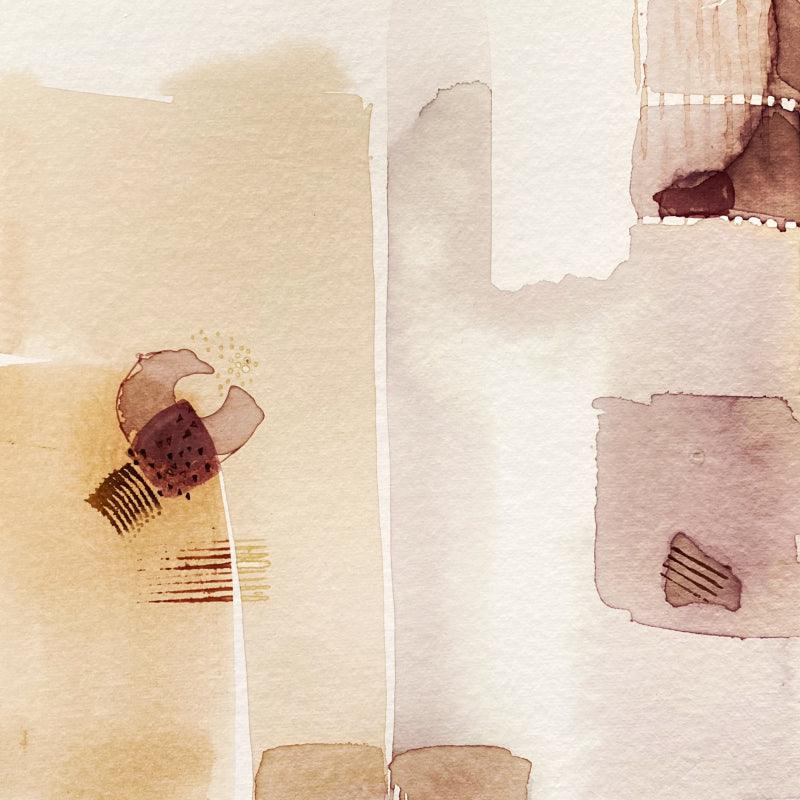
Untitled 117 (Quiet Reflections)
Artzolo
₹16,000
★ 5.0 (7)
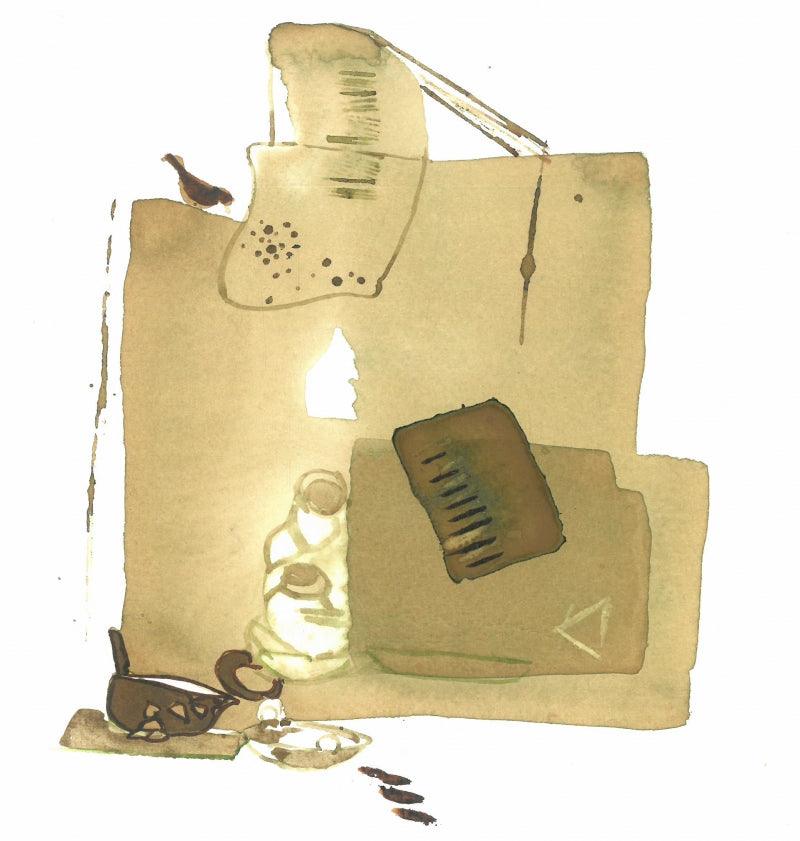
Untitled 106 (A Moment of Tranquility)
Artzolo
₹8,000
★ 4.0 (8)
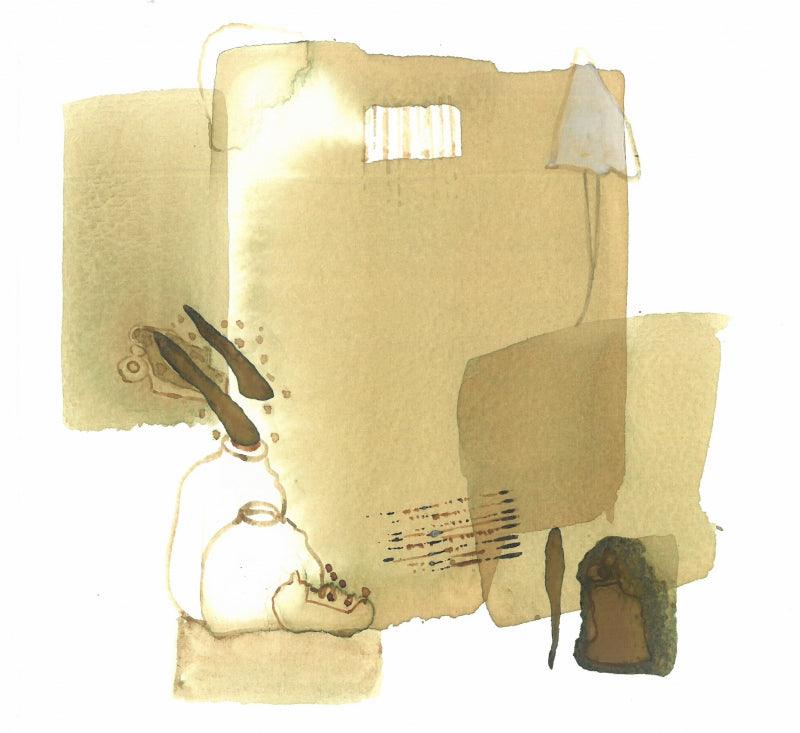
Untitled 107 (Suspended Moments)
Artzolo
₹8,000
★ 5.0 (8)
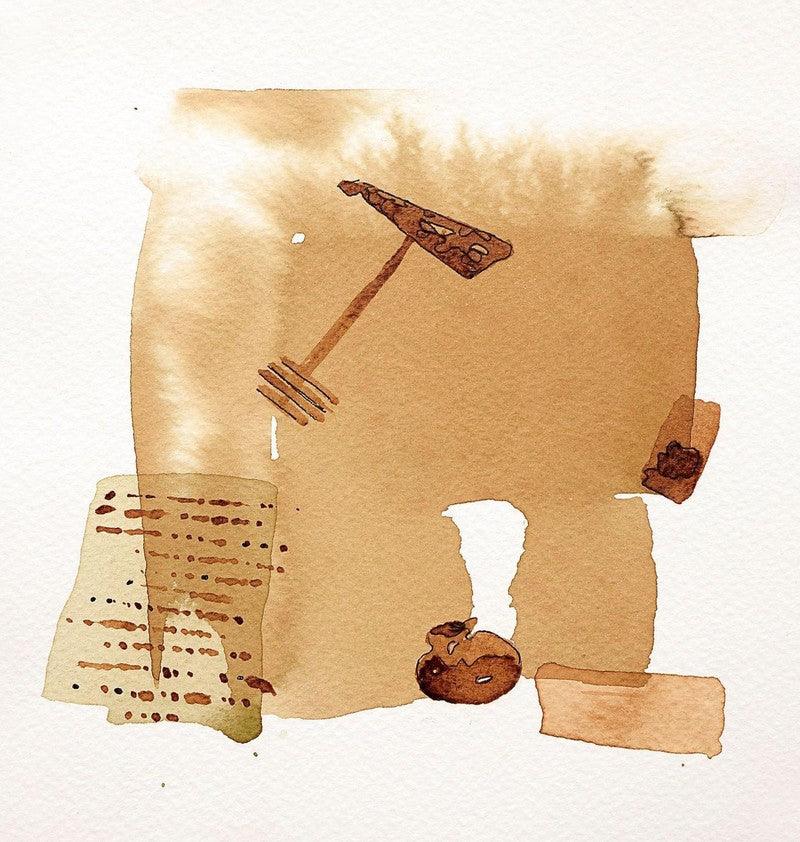
Untitled 5 (Earth Tones Abstract)
Artzolo
₹7,500
★ 5.0 (11)
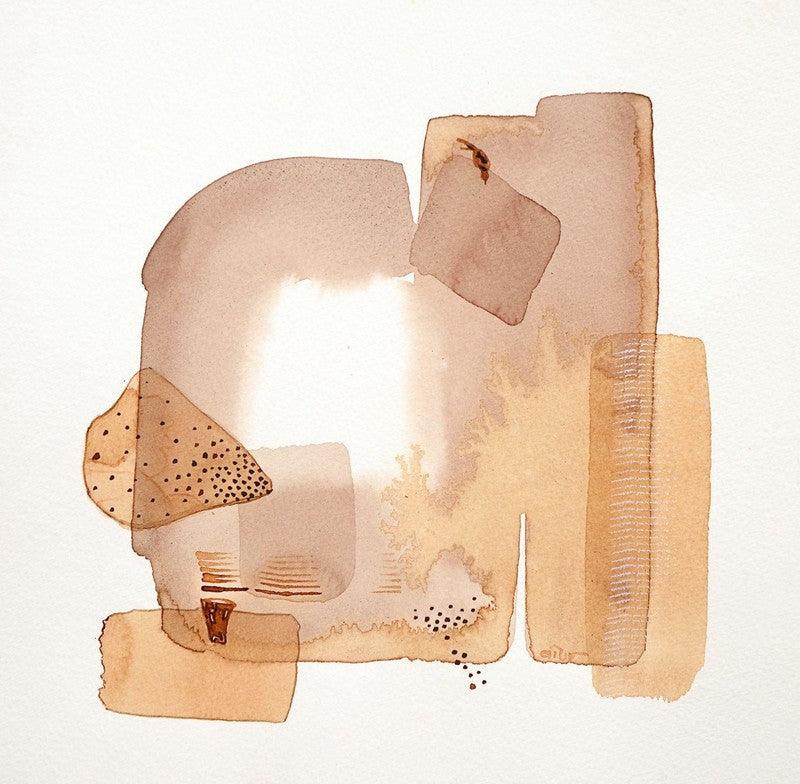
Untitled 21 (Desert Sanctuary)
Artzolo
₹22,000
★ 4.0 (5)