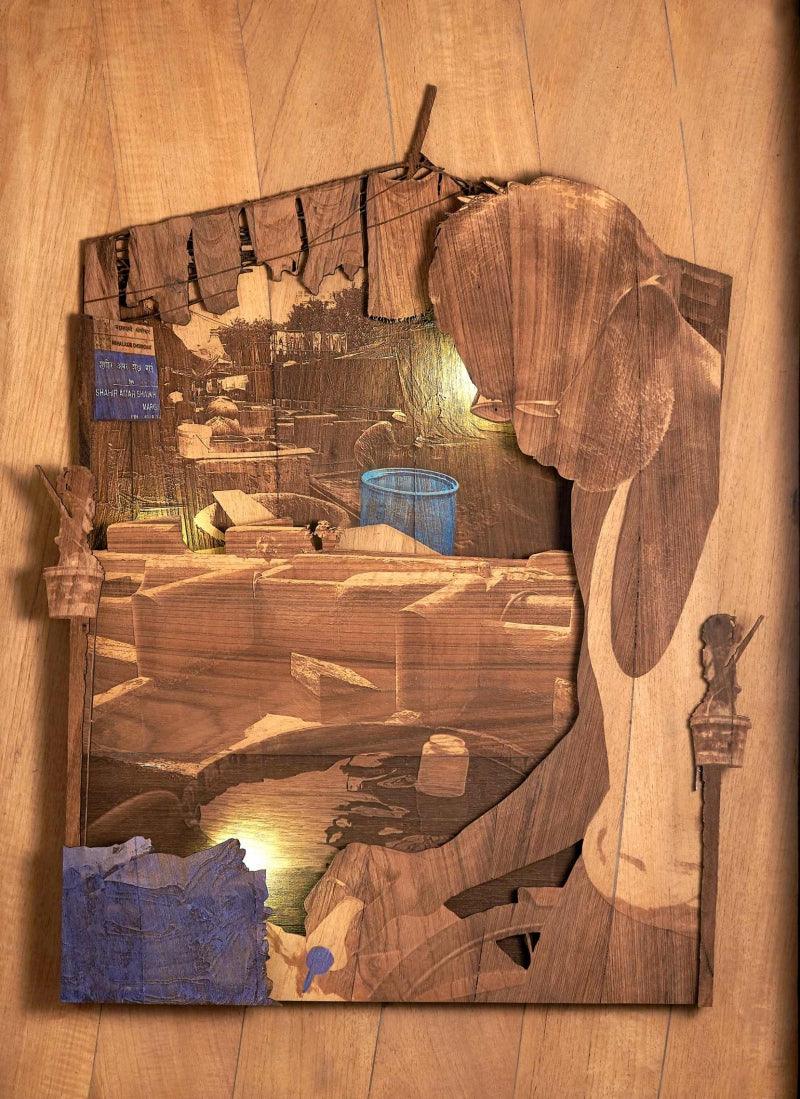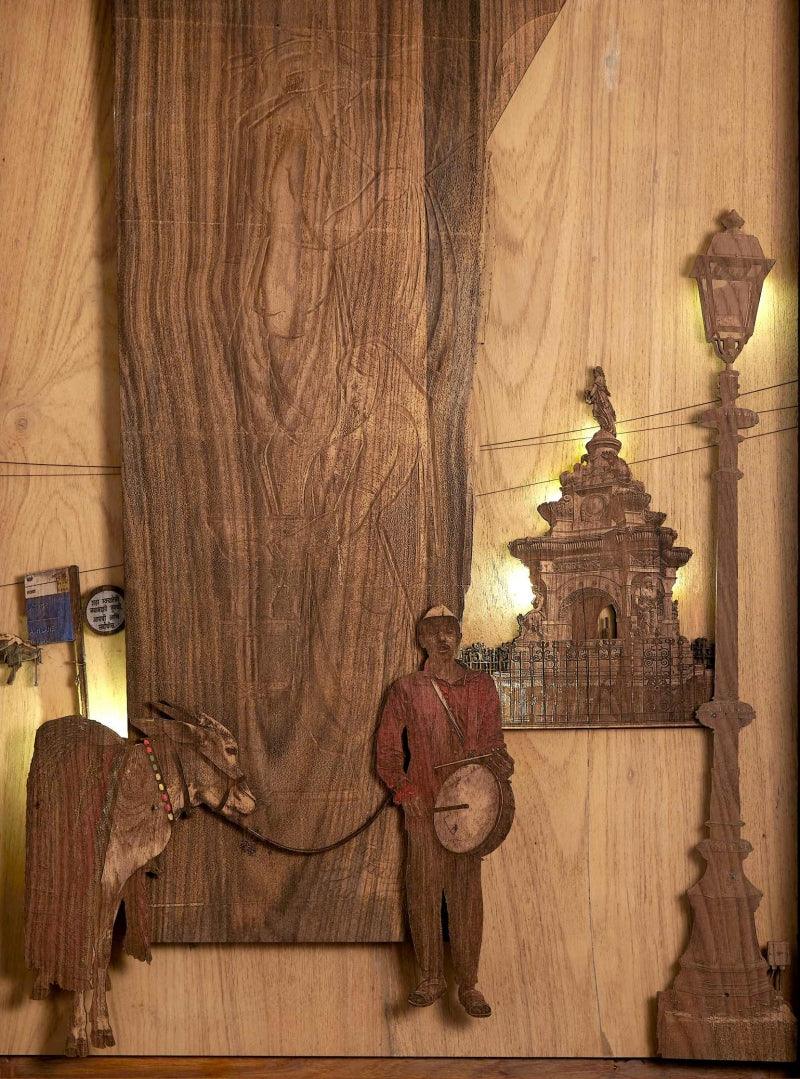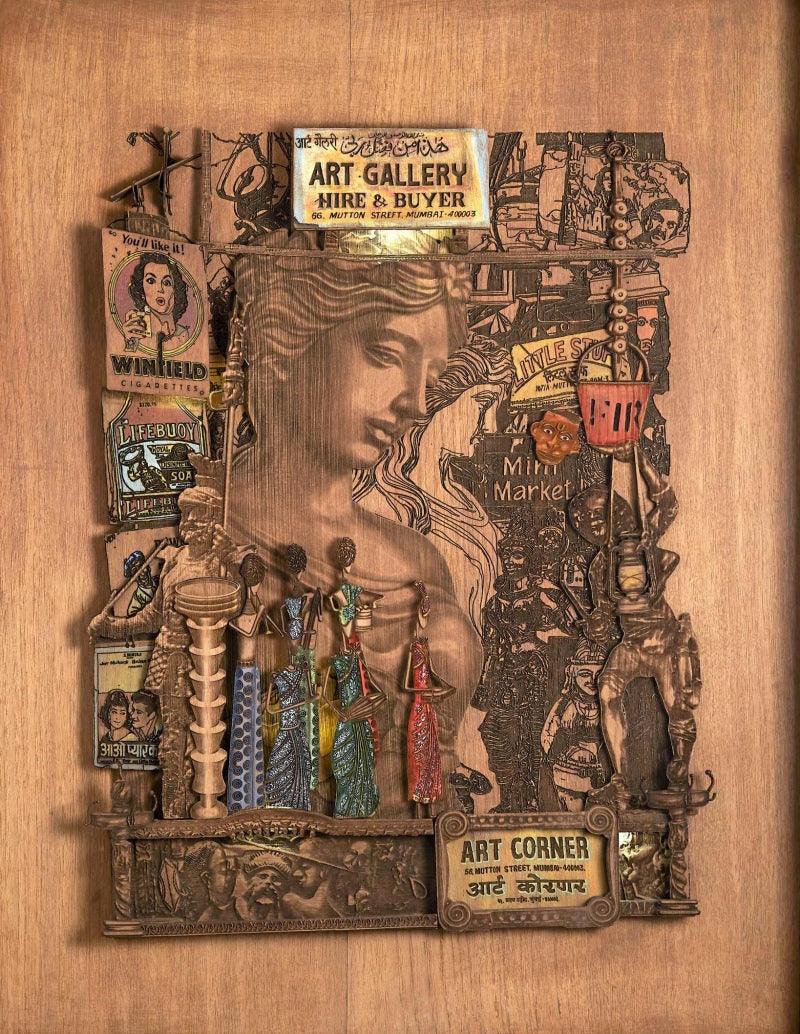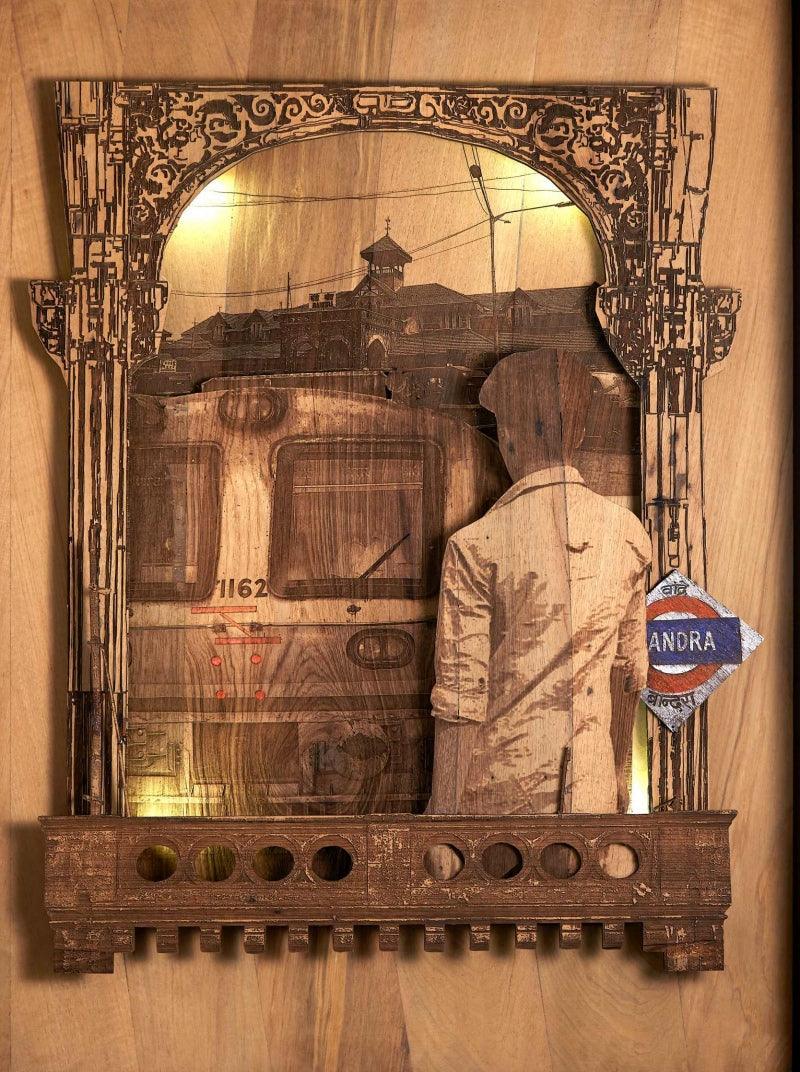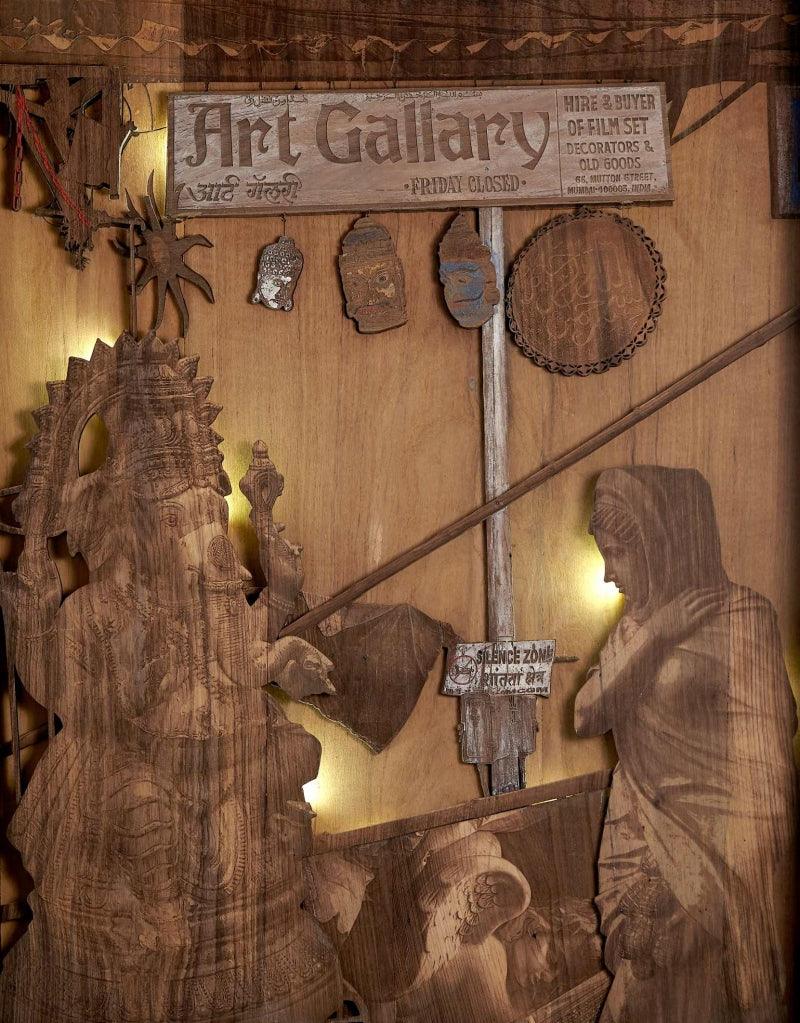
Quiet Chaos (Mumbai Street Scene)
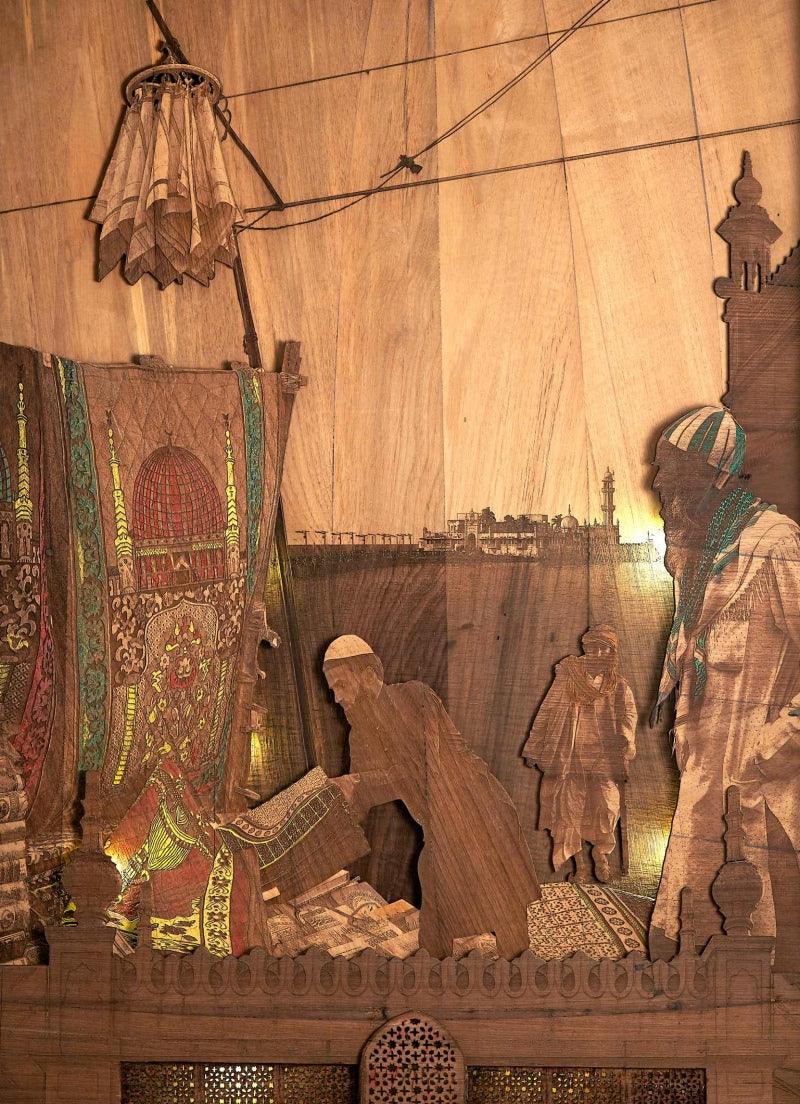
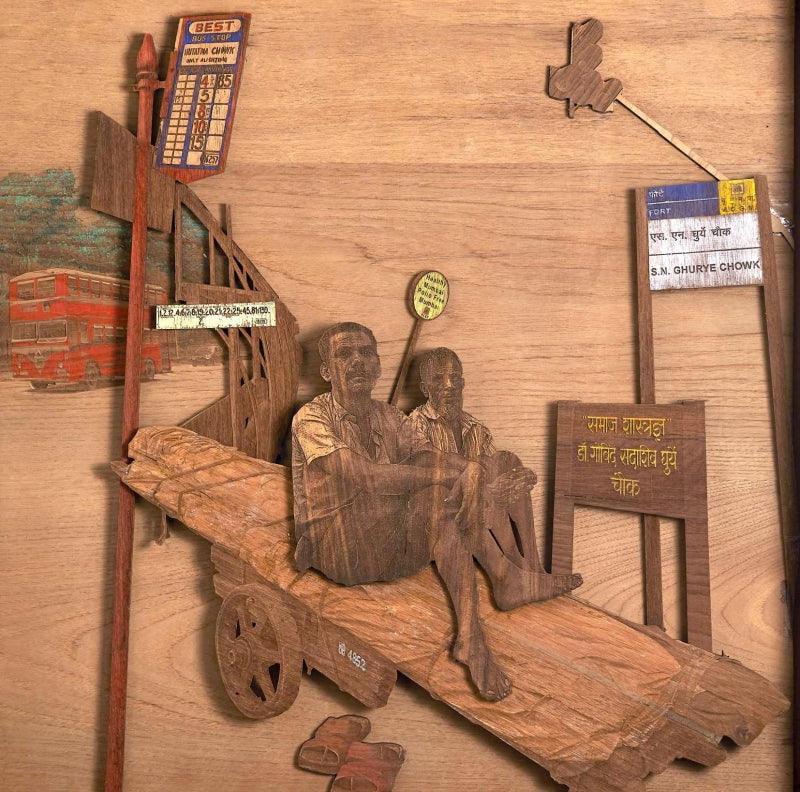
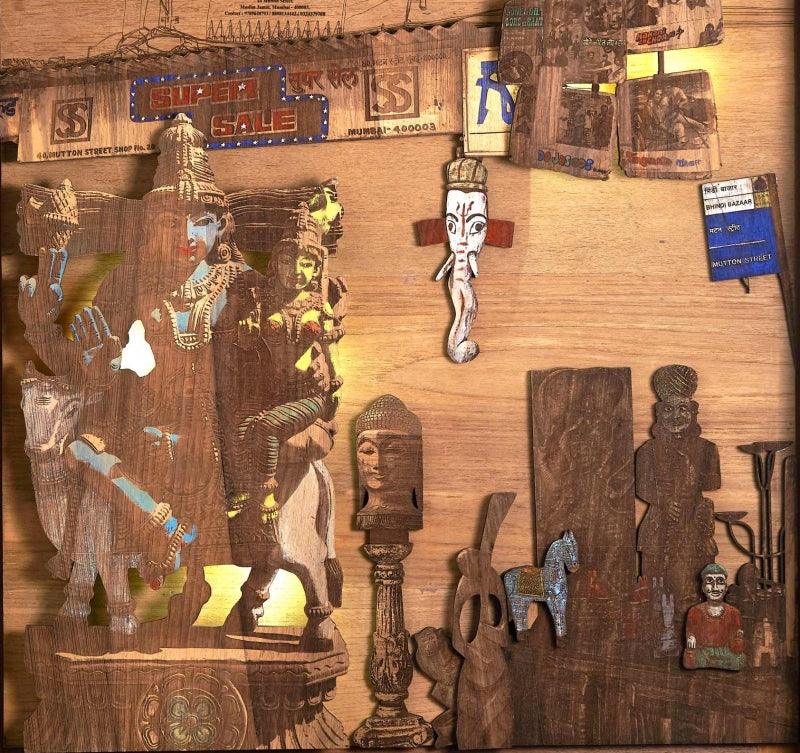
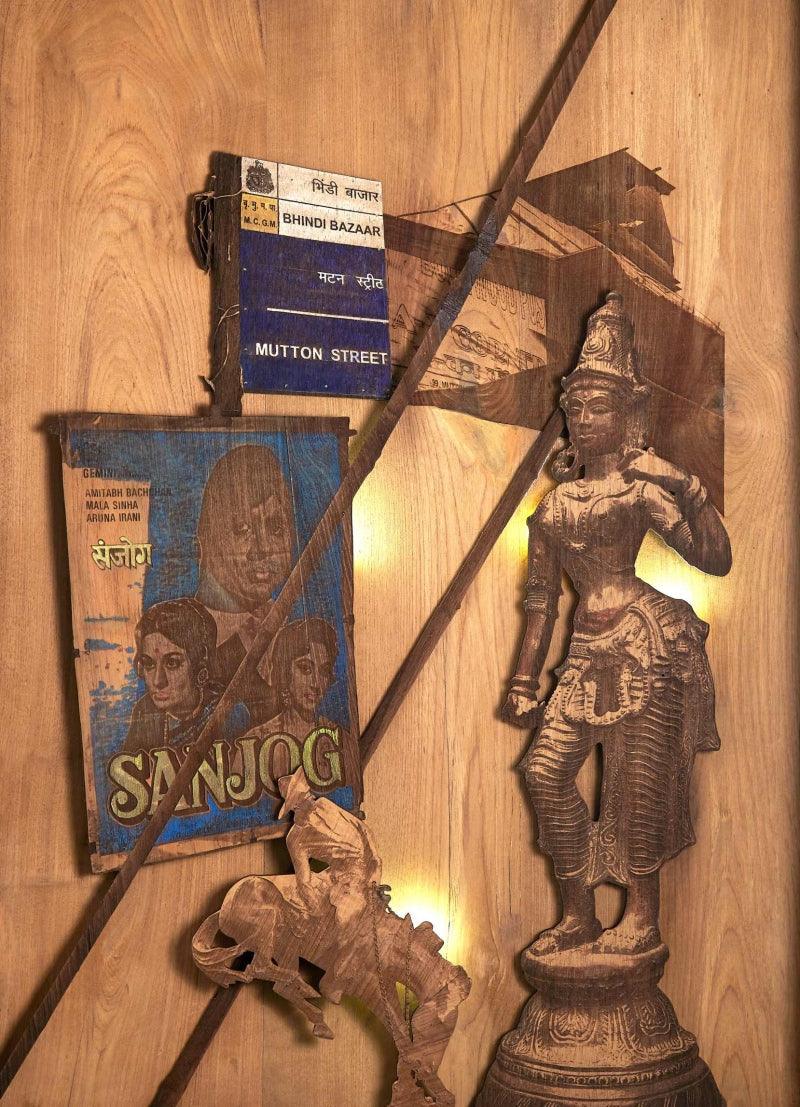
Rendered in a hushed palette of weathered browns and sepia light, the work reads like a palimpsest where commerce, devotion, and everyday labor share the same wall of memory. The carved presence of Ganesha anchors the left side with ceremonial gravity, while the bowed woman at right—caught in a soft halo of illumination—introduces a tender, human scale that makes reverence feel intimate rather than monumental. Signage, masks, and worn textures layer the surface into a lived archive, suggesting that art here is not a pristine object but a continuous negotiation between the sacred and the street. The diagonal beam cleaves the space like a quiet boundary, turning the scene into a meditation on thresholds—between silence and bustle, tradition and modernity, object and spirit.
Delivery
You may also like