Tree
₹0
Out of stock · ★ 5.0 (14)checking live price…
Size
78x48Type
OriginalMaterial
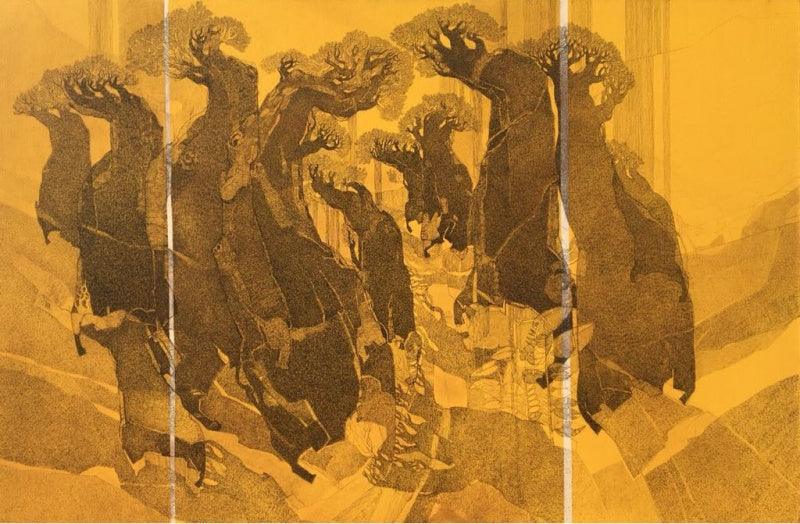
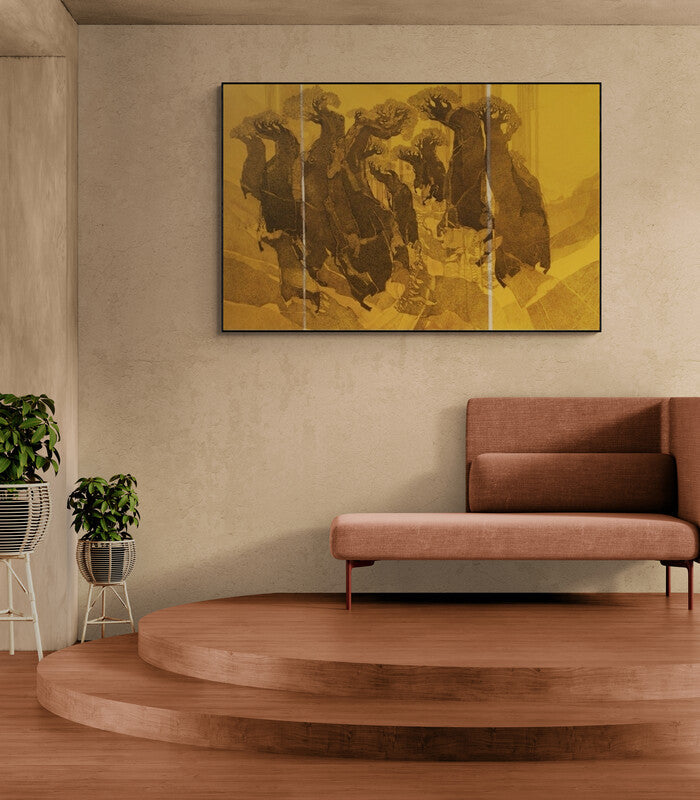
CanvasThe work stages a solemn procession of baobab-like silhouettes, their swollen trunks rising like ancient sentinels against a field of burnished ochre, where light feels less like illumination than a ritual haze. Compressed into a frieze-like rhythm, the trees’ dark masses press forward and recede in layered veils, while vertical streaks and faint geometric planes fracture the scene as if memory itself has been folded, worn, and reopened. This tension between monumentality and erosion suggests a landscape of endurance—nature as archive—where time registers not in narrative detail but in accumulated stains, seams, and quiet, unwavering presence.
Delivery
You may also like
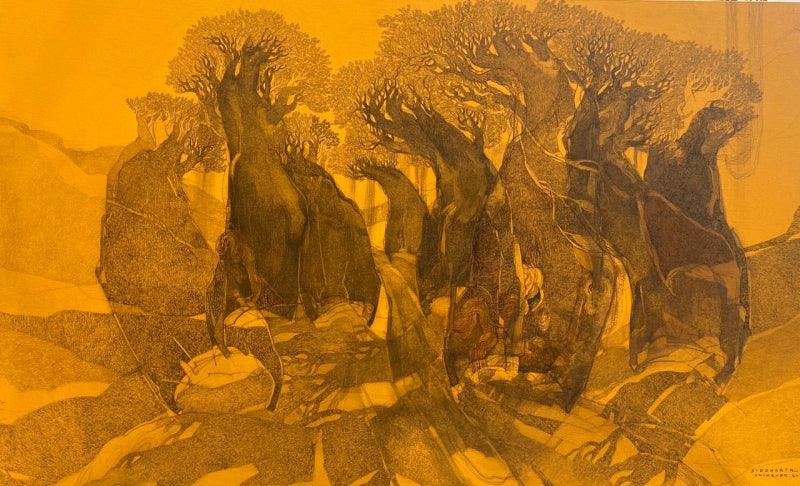
Trees
Artzolo
₹345,000
out of stock
★ 5.0 (8)
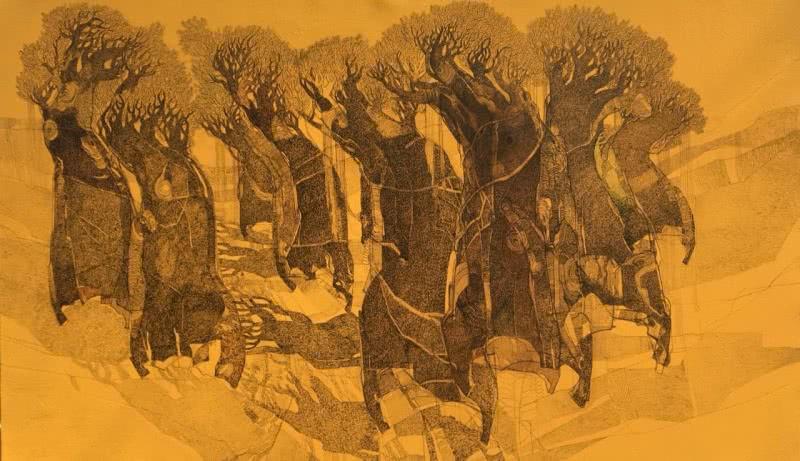
Tree 2
Artzolo
₹358,000
out of stock
★ 4.0 (13)
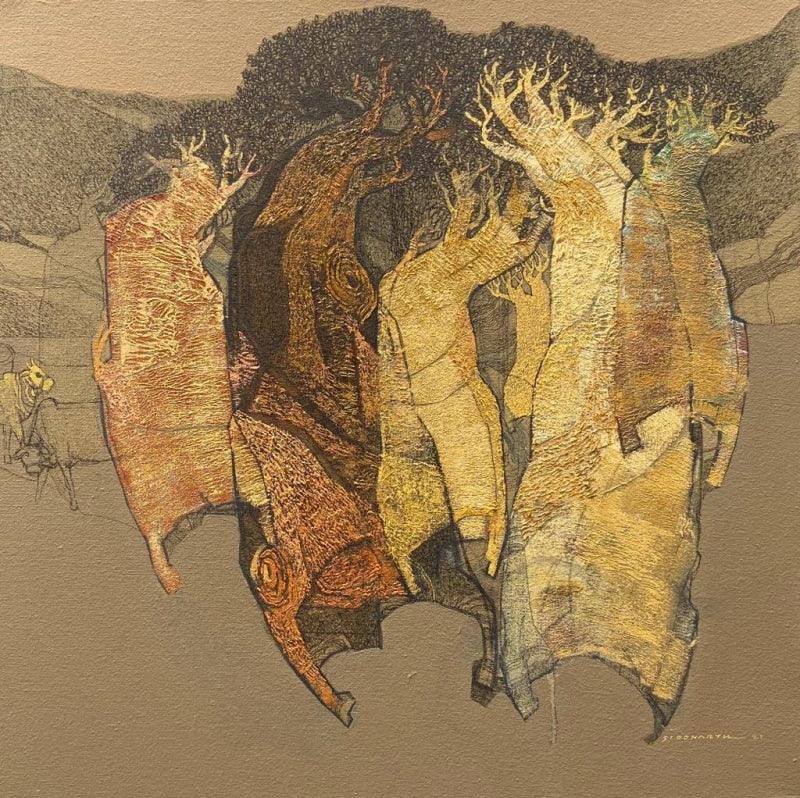
Tree (The Whispering Woods)
Artzolo
₹140,000
out of stock
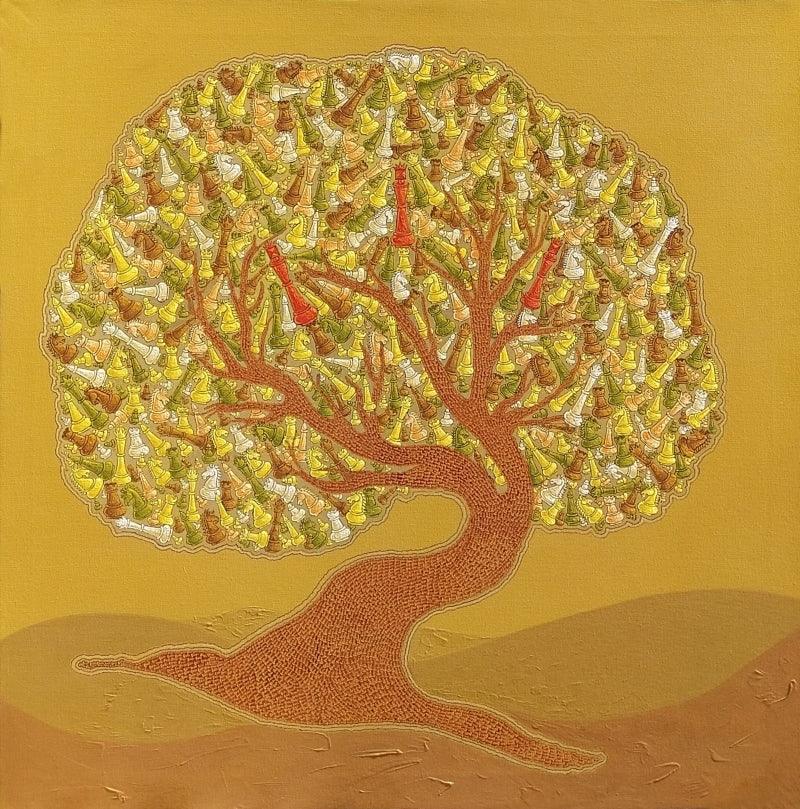
The Making Tree 1
Artzolo
₹60,000
out of stock
★ 4.0 (12)
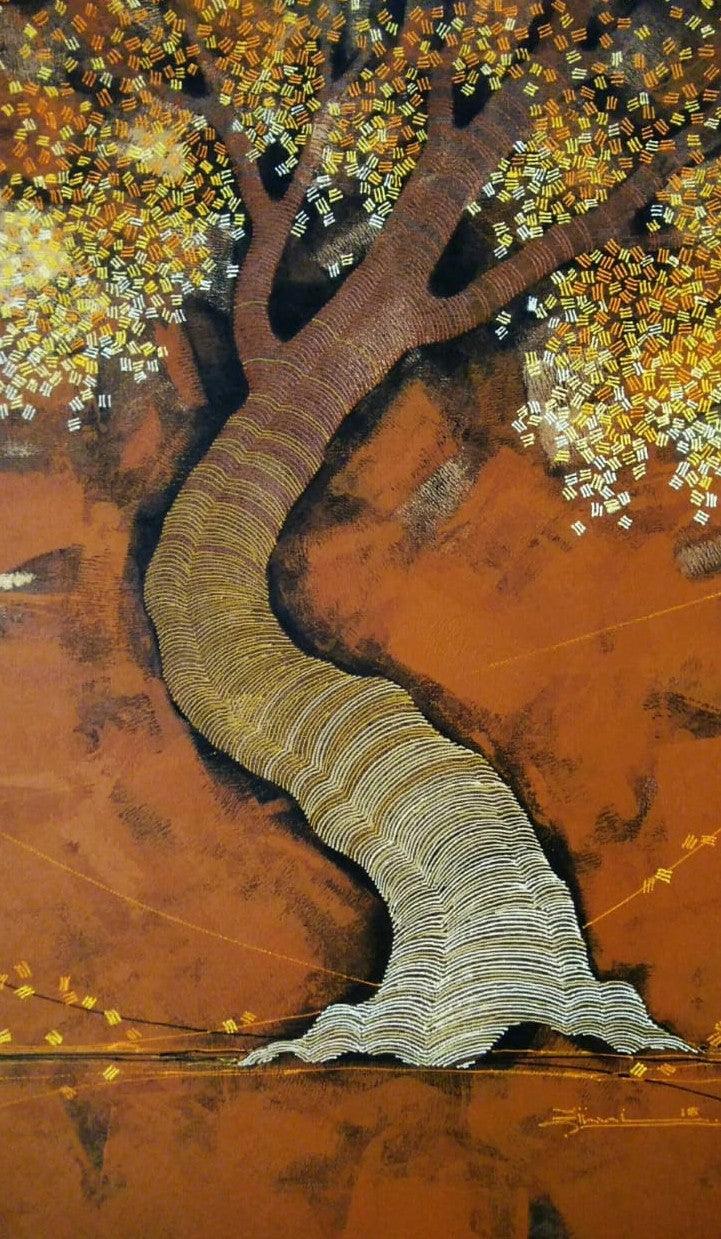
Tree 1 (Untitled)
Artzolo
₹60,000
★ 4.0 (7)
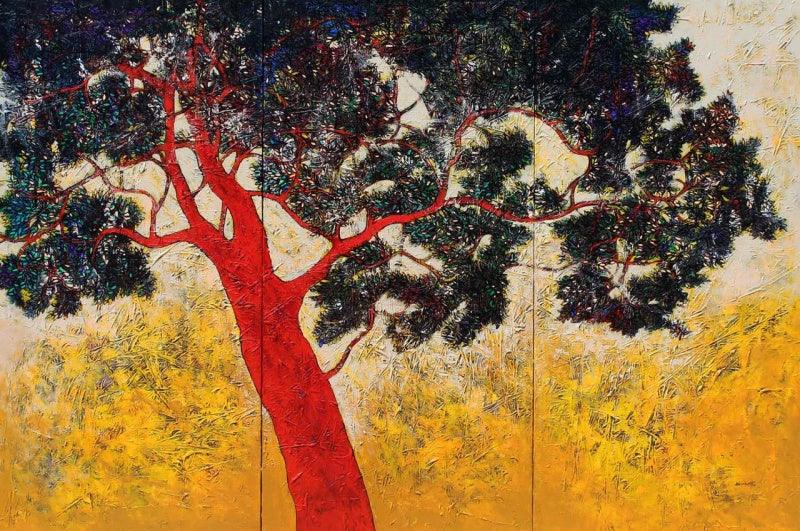
Treescape 6
Artzolo
₹343,500
out of stock
★ 4.0 (9)
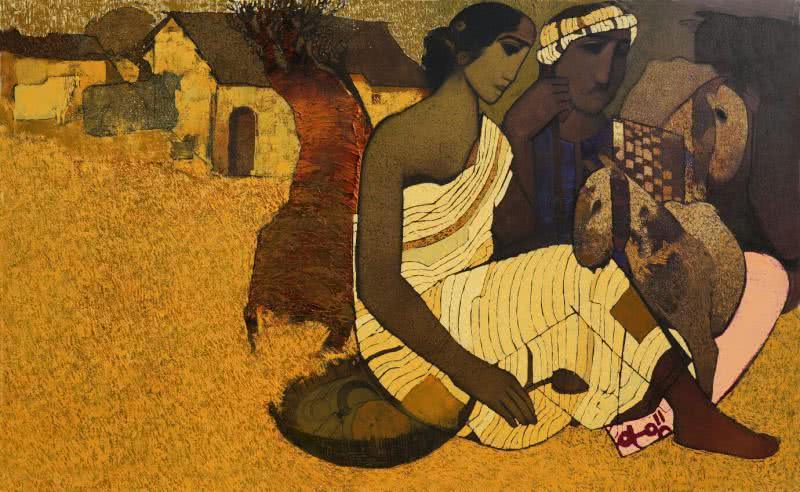
Couple Under The Tree I
Artzolo
₹170,000
out of stock
★ 5.0 (8)
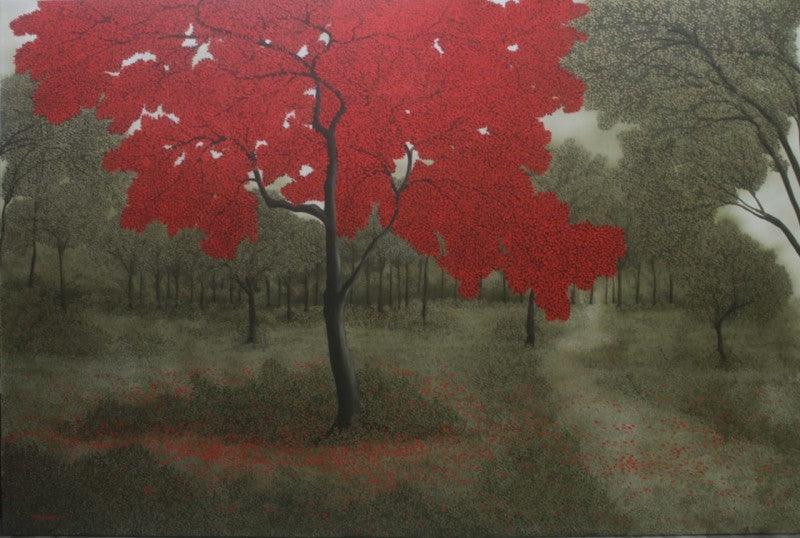
The Red Tree
Artzolo
₹240,000
out of stock
★ 5.0 (12)