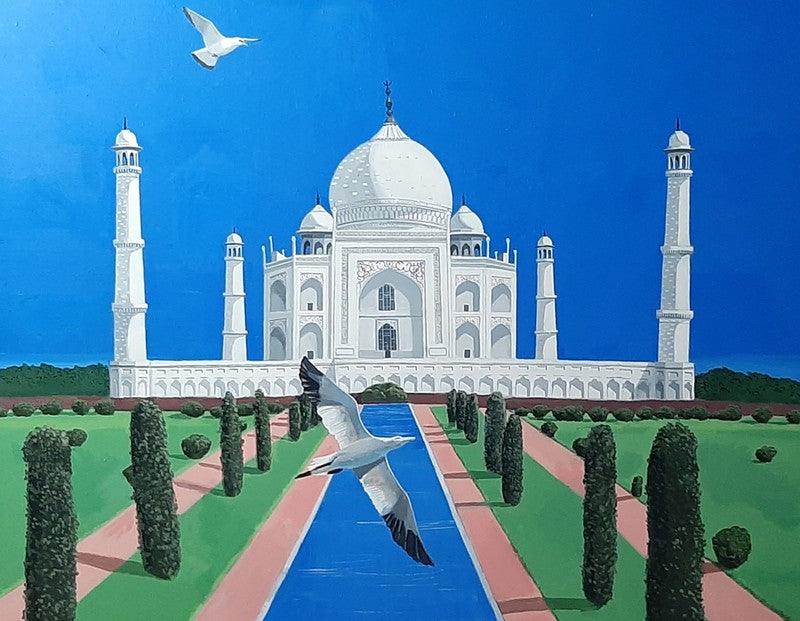
Two Alaskian Birds Visting To Taj (Eternal Beauty)
₹290,000
● In stock · ★ 4.0 (12)checking live price…
Size
60x72Type
OriginalMaterial
CanvasThe Taj Mahal rises with ceremonial symmetry, its luminous marble form set against an unbroken ultramarine sky that feels less like weather than like a vow held in suspension. A strict central axis—water channel, walkways, and cypress sentinels—draws the eye inward like a pilgrimage, while the crisp whites and saturated greens sharpen the monument into an icon of remembrance rather than mere architecture. The gliding birds puncture this stillness with breath and motion, suggesting love’s persistence as something that traverses time—forever arriving, forever departing—above a garden designed to resemble paradise. In this poised quiet, the scene becomes a meditation on devotion: order as solace, light as elegy.
Delivery
You may also like
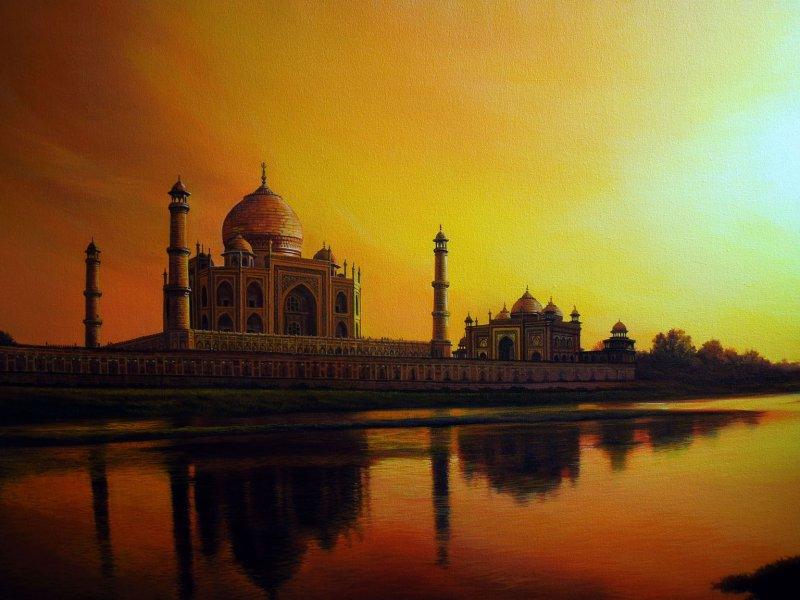
Taj Mahal (Untitled)
Artzolo
₹225,000
★ 5.0 (10)

Train To Taj (Train to Taj)
Artzolo
₹400,000
out of stock
★ 4.0 (9)
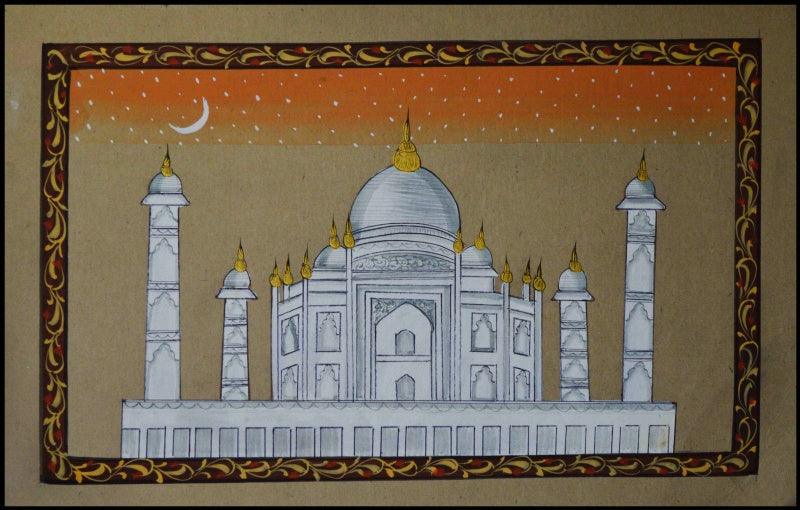
Masjid With Eid Chand (Taj Mahal at Night)
Artzolo
₹1,599
out of stock
★ 4.0 (14)
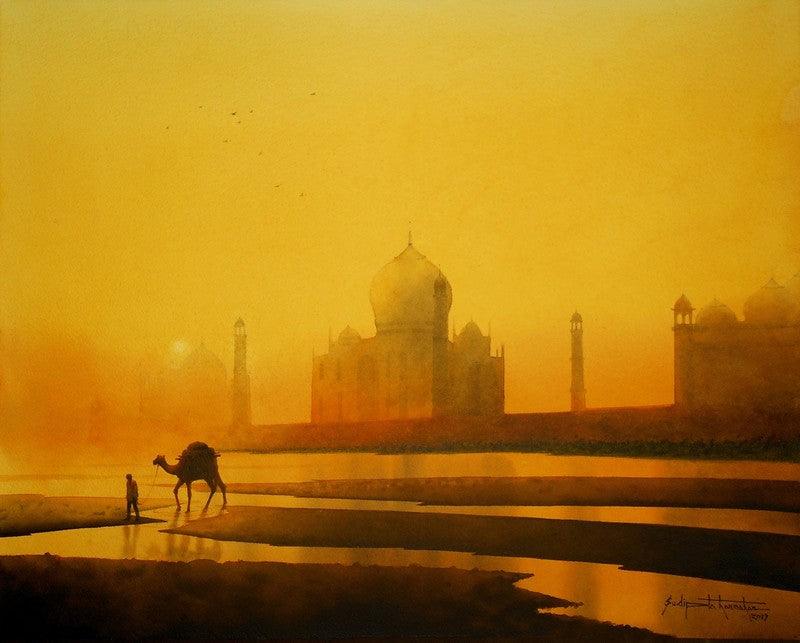
Camel With Taj (Taj Mahal Sunrise)
Artzolo
₹50,000
★ 4.0 (10)
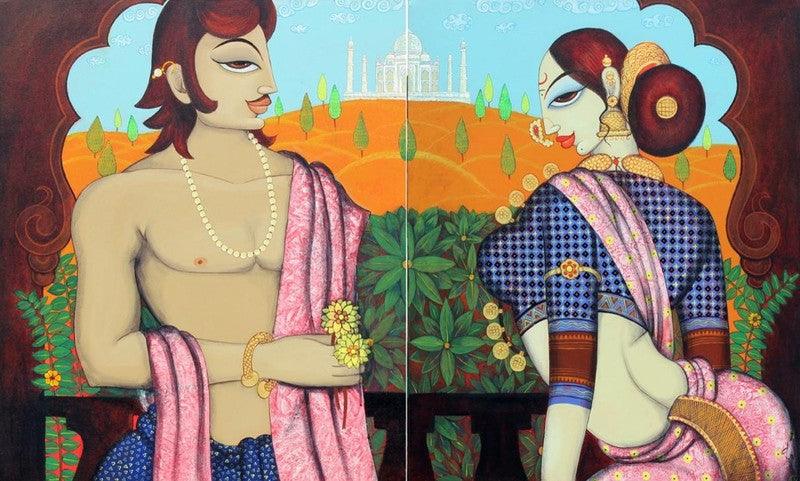
Couple 2
Artzolo
₹265,000
out of stock
★ 4.0 (11)

Taj Mahal (A Gathering Under the Taj Mahal)
Artzolo
₹90,000

Reflections (Serene Taj Mahal)
Artzolo
₹135,000
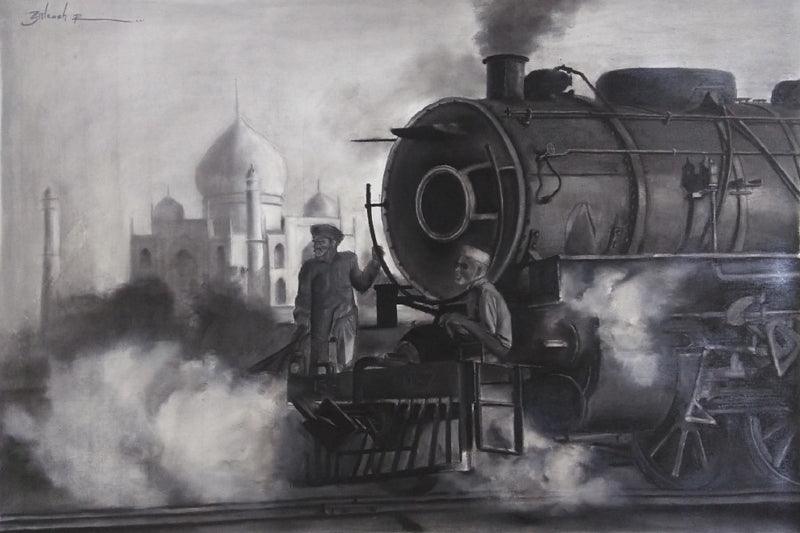
Old Taj (The Iron Horse and the Taj)
Artzolo
₹25,000
out of stock
★ 4.0 (11)