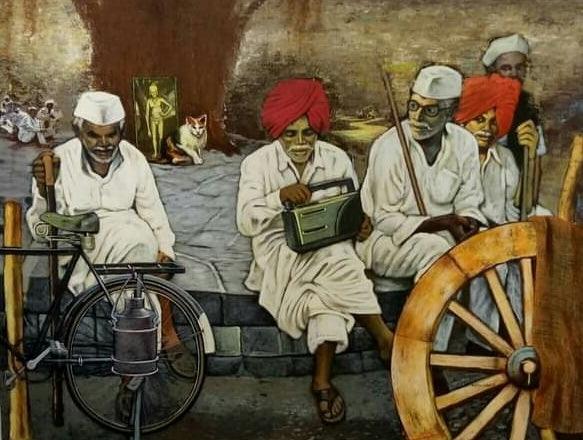
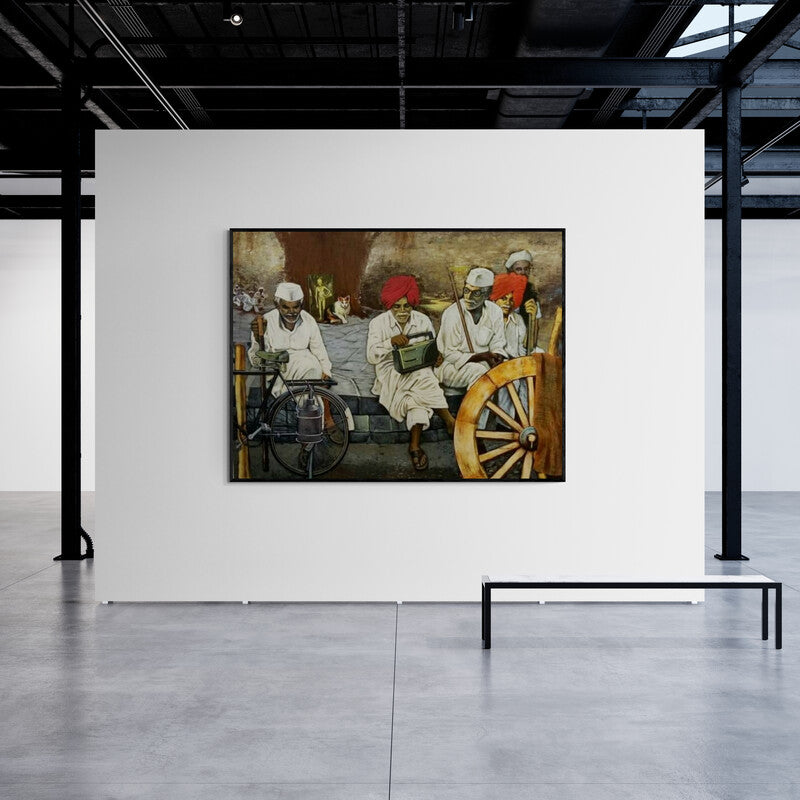
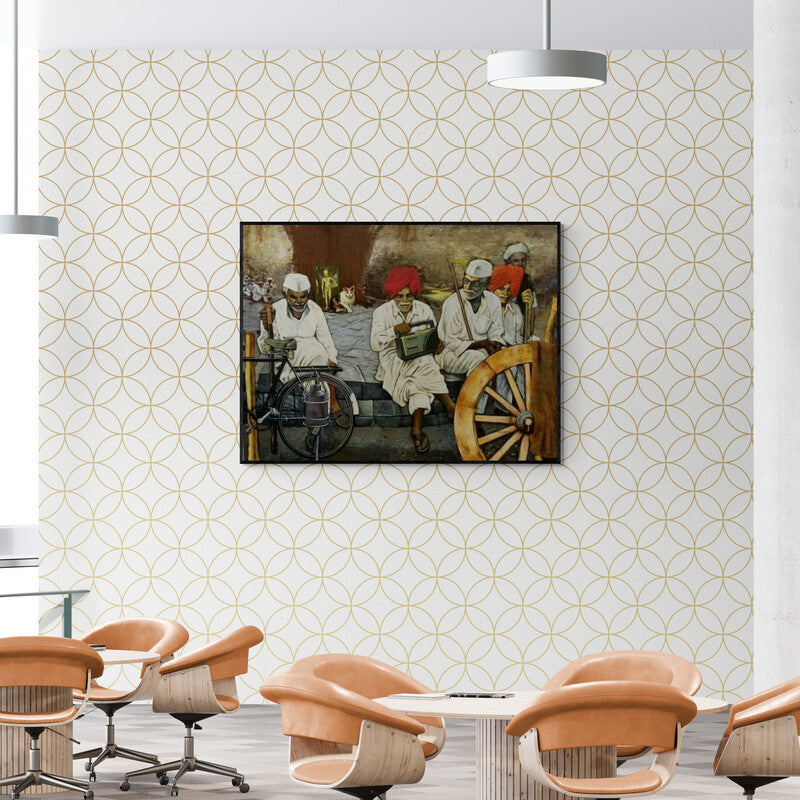
Untitled (A Moment of Tranquility)
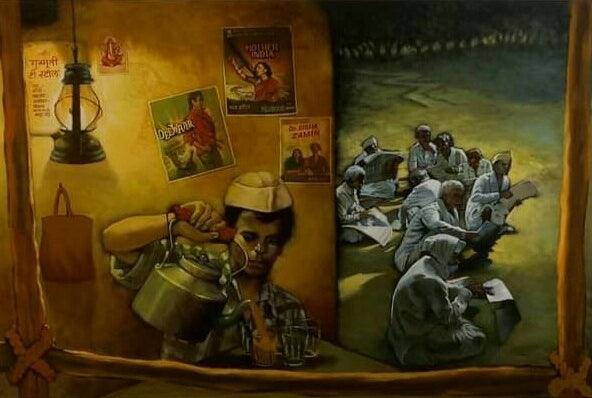
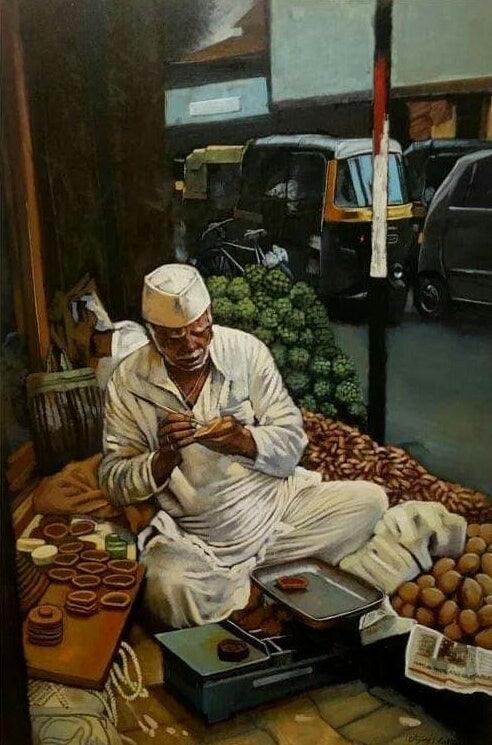
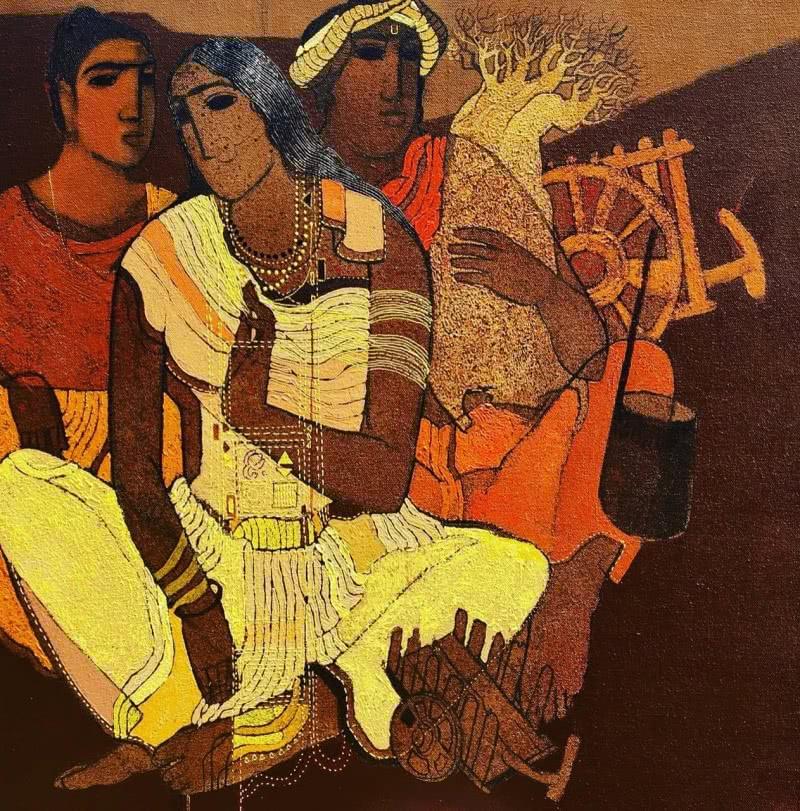
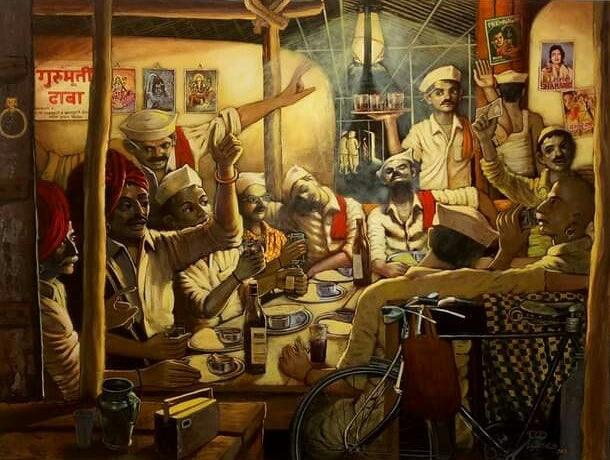
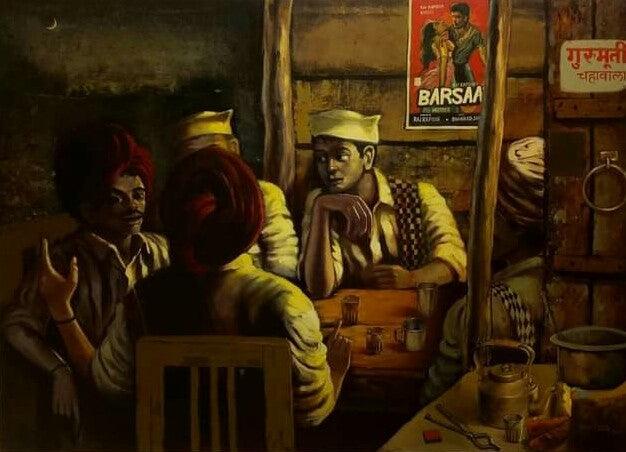
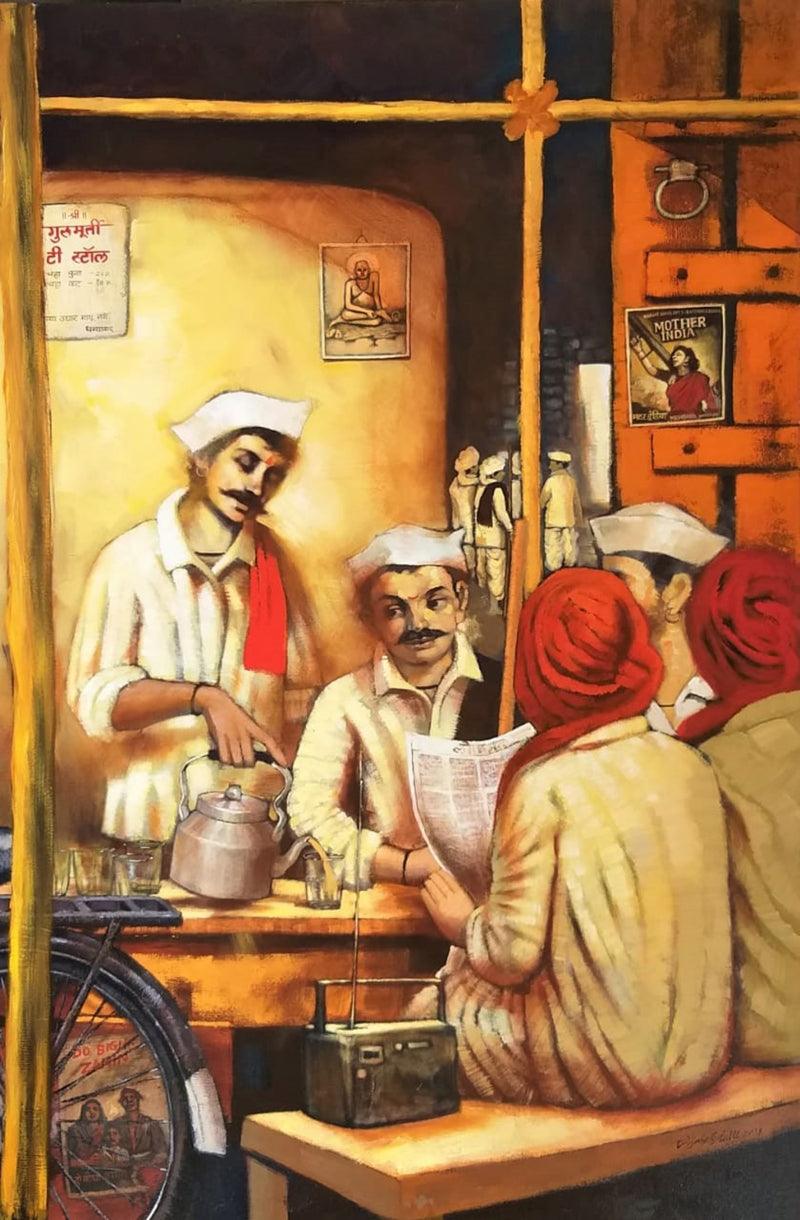
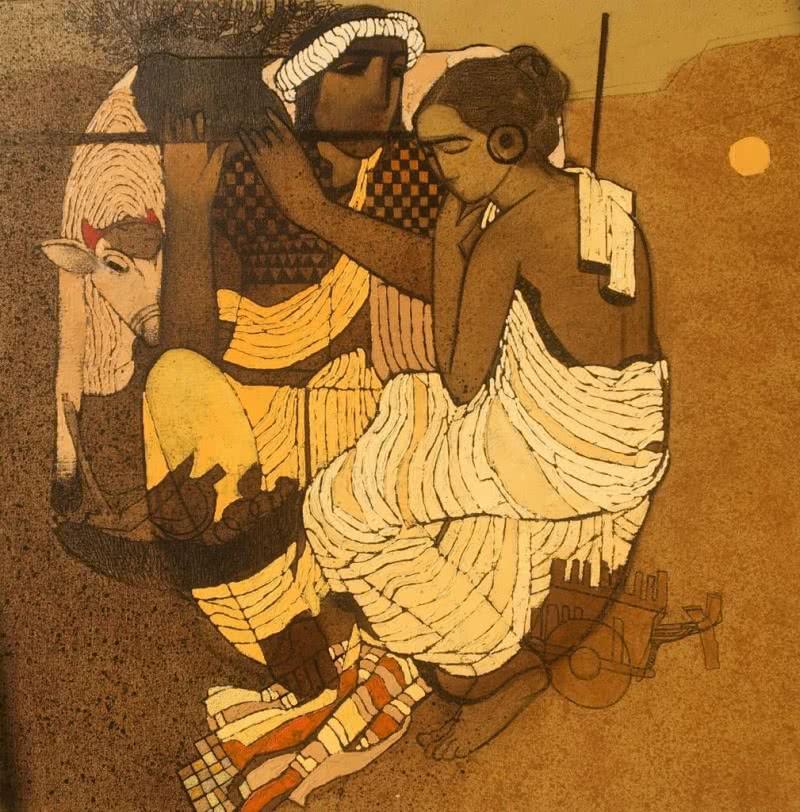
The scene gathers its figures in a quiet semicircle of labor and rest, where white garments read like pockets of stillness against the earthen wall, and the red turbans flare as concentrated pulses of lived identity. Objects become emblems of an agrarian economy—radio and bicycle set beside the monumental cartwheel—suggesting a community poised between inherited rhythms and the small, insistent arrivals of modernity. The compressed space and muted light turn the courtyard into a stage of collective endurance, where companionship is measured not by gesture but by proximity, shared tools, and the patient waiting that binds daily life into ritual. Even the watchful dog and distant onlookers extend the narrative outward, implying that this is not a single moment but a continuum of village time.
Delivery
You may also like