Milk Thistle - Plant
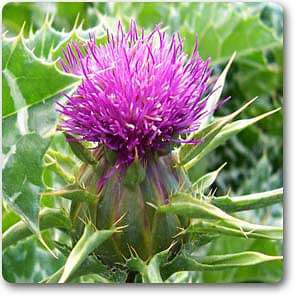
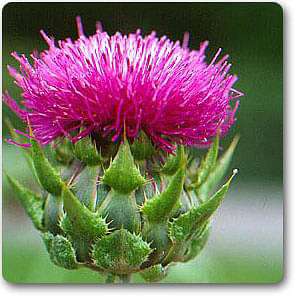
Milk Thistle (Silybum marianum) is a striking perennial herb known for its vibrant purple flowers and distinctive white-veined leaves. Traditionally used for its liver-supporting properties, this plant has been a staple in herbal medicine for centuries. Rich in silymarin, a powerful antioxidant, Milk Thistle is celebrated for its ability to promote liver health and detoxification, making it a popular choice among health enthusiasts.
What makes Milk Thistle special is its unique combination of beauty and utility. Not only does it enhance gardens with its stunning appearance, but it also serves as a natural remedy for various ailments. Its historical use dates back to ancient Greece, where it was utilized for its medicinal properties. Today, it continues to be a vital part of holistic health practices.
One of the special features of Milk Thistle is its resilience and adaptability. This hardy plant thrives in various soil types and can withstand drought conditions, making it an excellent choice for sustainable gardening. Additionally, it attracts beneficial pollinators, contributing positively to the ecosystem.
Growing Instructions:
- Plant in well-drained soil with full sun exposure.
- Space plants 18-24 inches apart to allow for growth.
- Water regularly, especially during dry spells, but avoid waterlogging.
- Seeds can be sown directly in the spring or started indoors 6-8 weeks before the last frost.
Care Instructions:
- Fertilize with a balanced fertilizer in early spring.
- Prune dead or damaged leaves to encourage new growth.
- Monitor for pests like aphids and treat with organic insecticides if necessary.
- Mulch around the base to retain moisture and suppress weeds.
Uses:
- Utilized in herbal teas and tinctures for liver support.
- Can be consumed as a supplement in capsule form.
- Leaves can be used in salads or cooked as a vegetable.
- Extracts are often included in skincare products for their antioxidant properties.
Fun Facts:
- Milk Thistle has been used since the time of Hippocrates for liver ailments.
- The plant's name comes from the milky sap found in its leaves.
- It is considered a noxious weed in some regions due to its invasive nature.
- Milk Thistle is also known to improve the body’s response to insulin, making it beneficial for diabetics.
Environmental Impact:
Milk Thistle plays a significant role in promoting biodiversity by attracting pollinators such as bees and butterflies. Its ability to thrive in poor soil conditions makes it a valuable plant for soil restoration projects. However, gardeners should be cautious, as it can become invasive in certain areas, potentially outcompeting native flora.
Coupons
Delivery
You may also like