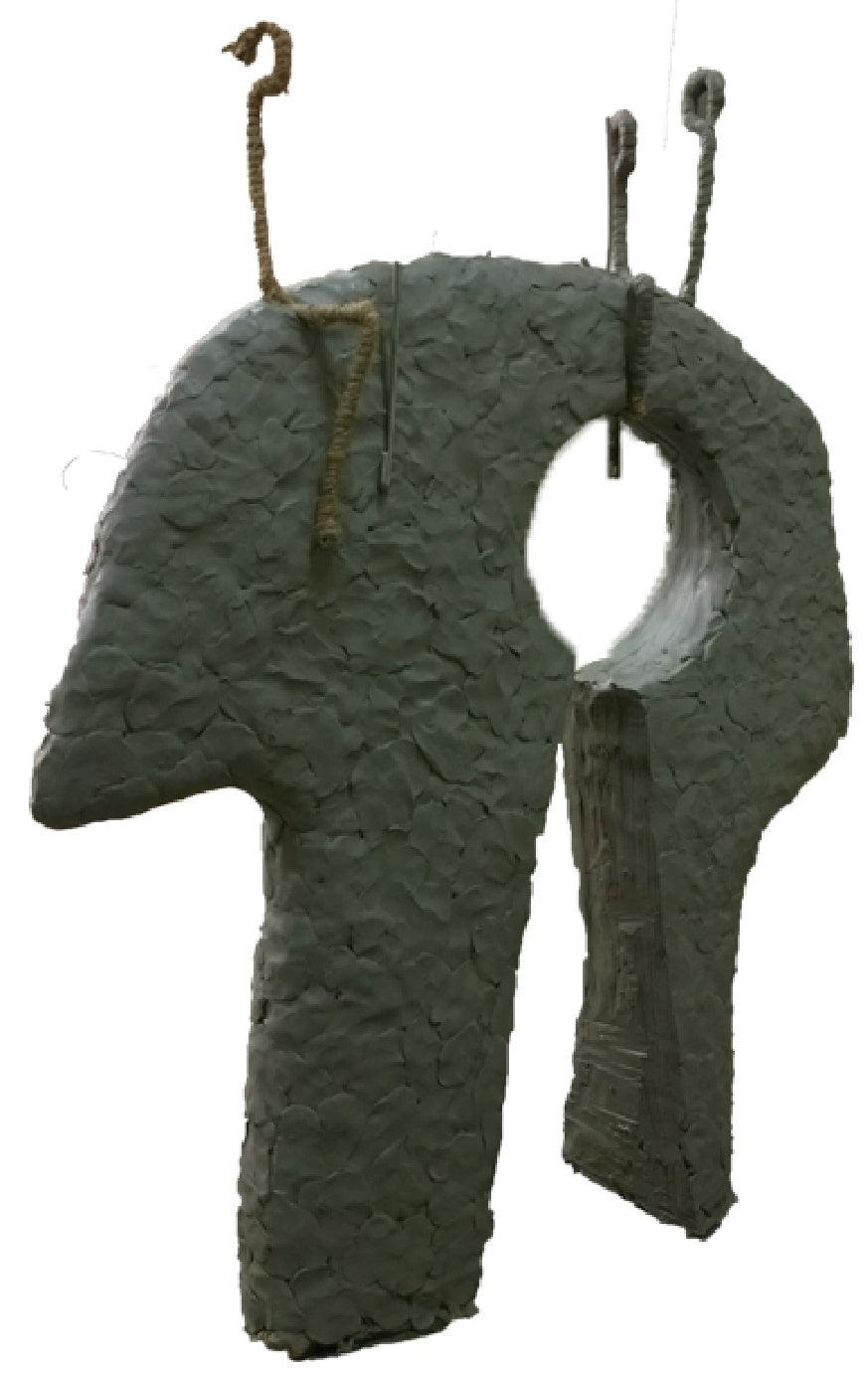
Untitled (Echoes of Form)
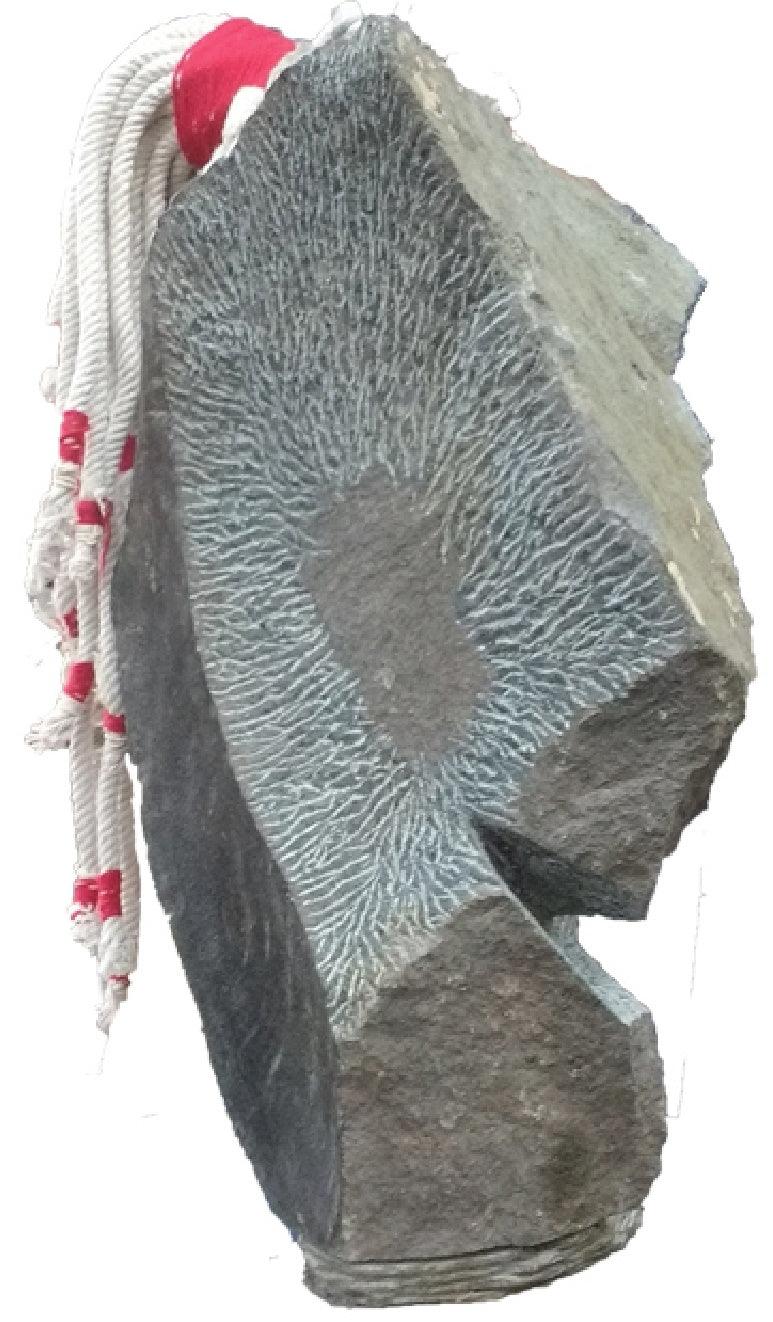
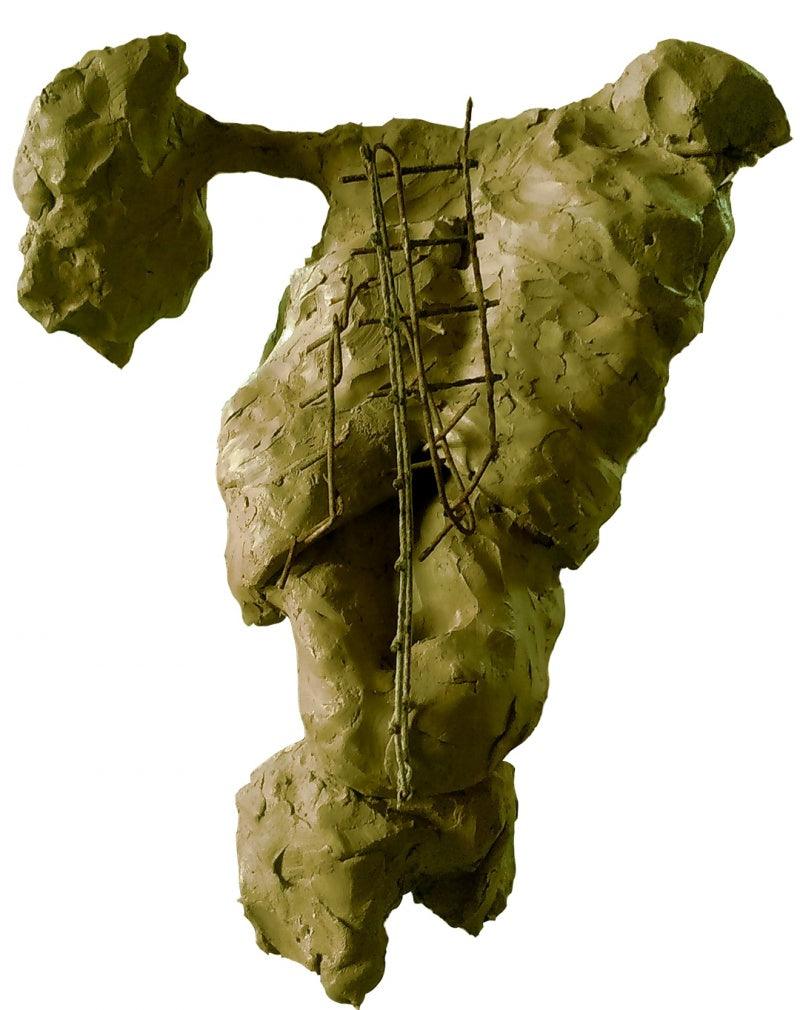
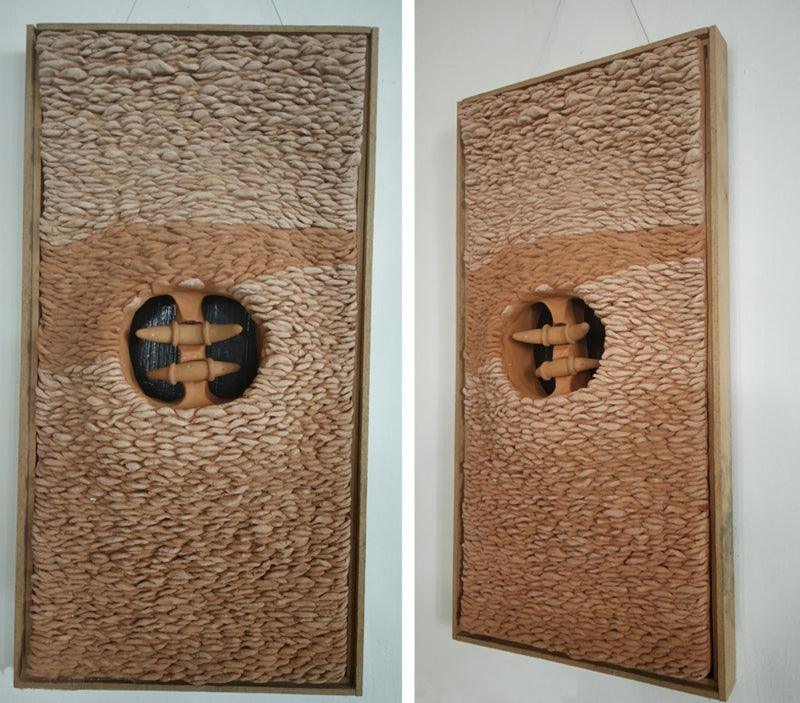
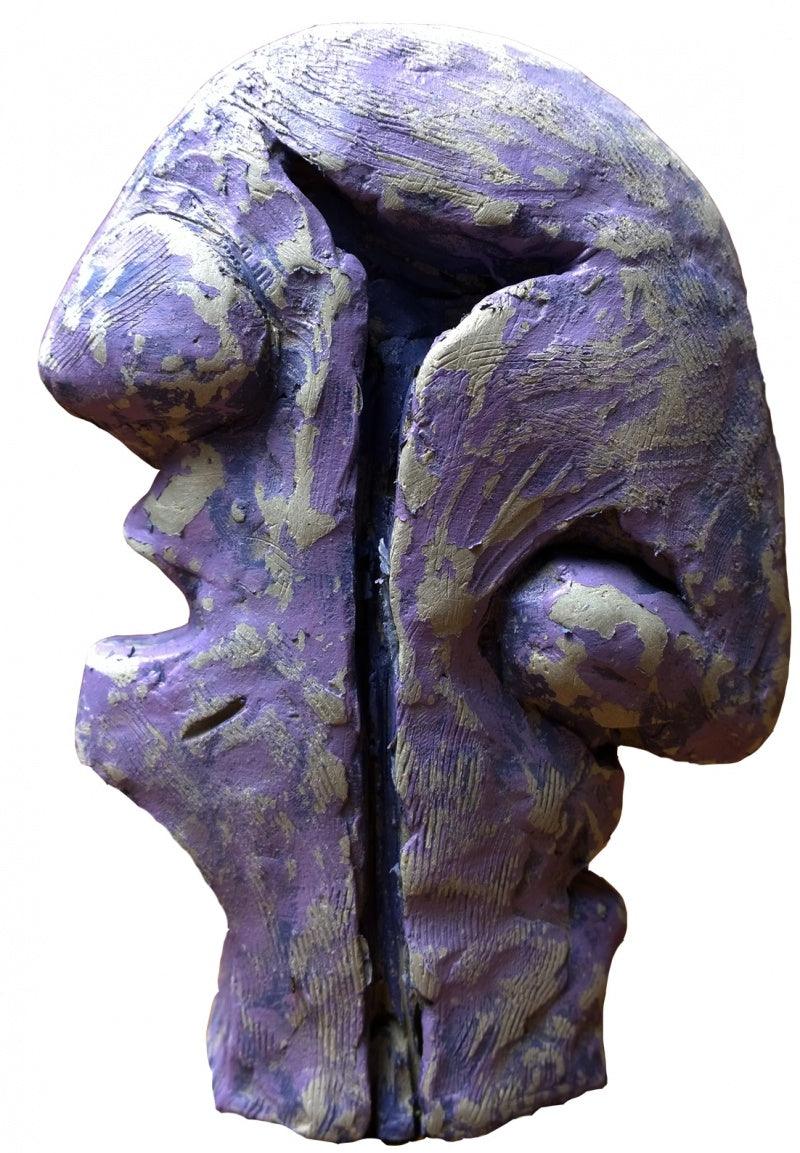
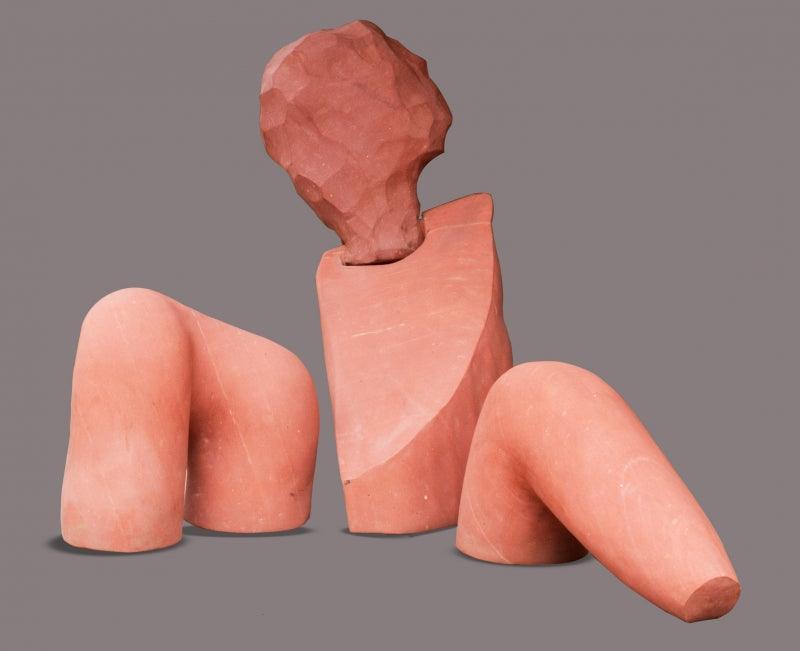
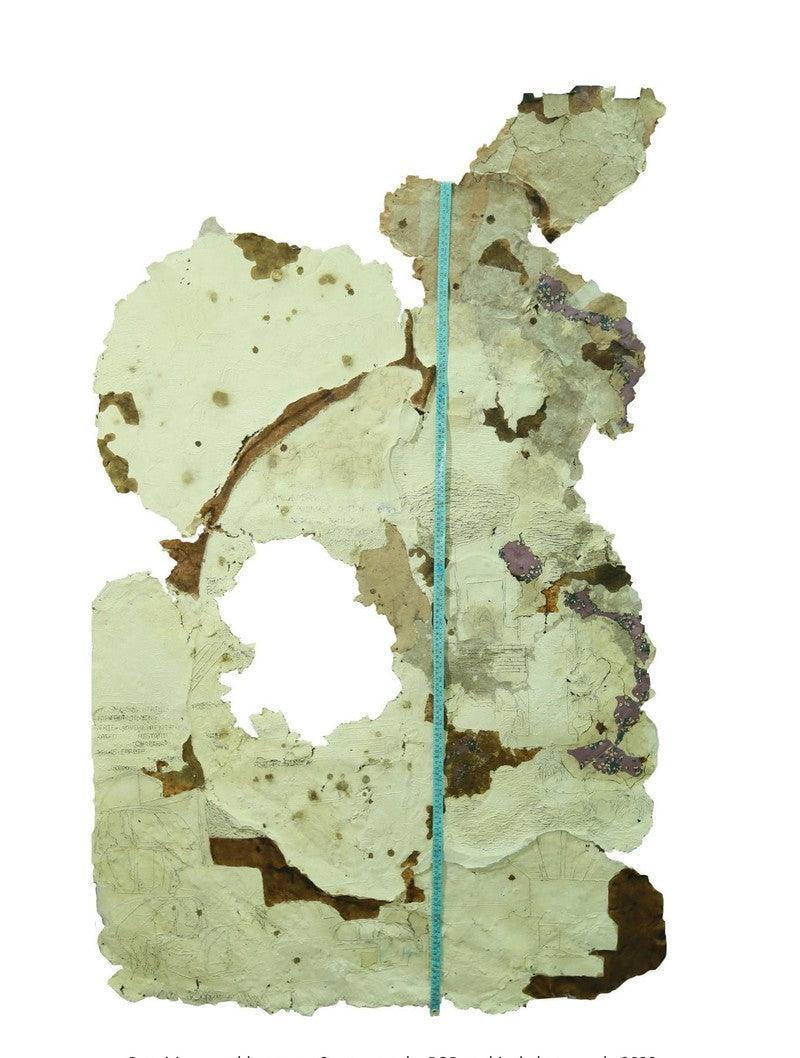
This sculptural form reads like an earthen arch interrupted by a deliberate absence, where the punched void becomes the work’s true center—an aperture of breath within dense matter. Its cracked, stone-like skin and muted grey-green tonality suggest endurance and erosion, while the upright pins and tethered cords introduce a fragile, almost surgical tension, as if the body of the object is being held together by ritual rather than engineering. The asymmetry between the solid leg and the rough-hewn, timbered support turns the piece into a meditation on repair: stability achieved not through perfection, but through visible mending and the dignity of scars. In the stark surrounding emptiness, it stands like a relic of architecture or anatomy, inviting viewers to consider how loss can function as structure, and how vulnerability can be engineered into strength.
Delivery
You may also like