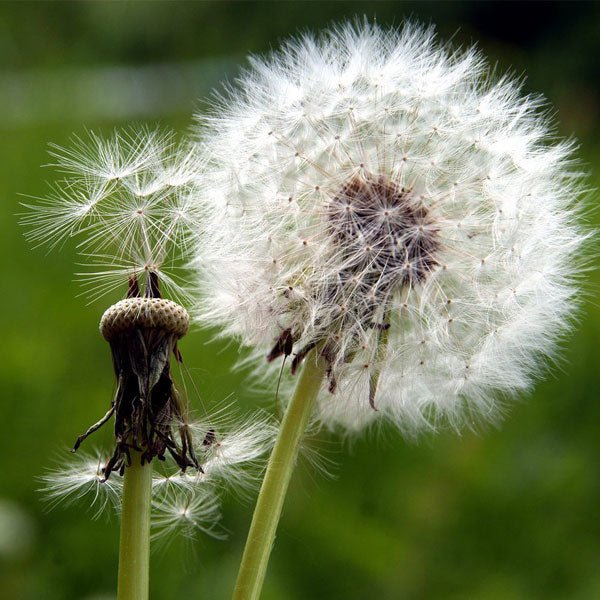
Dandelion - Plant
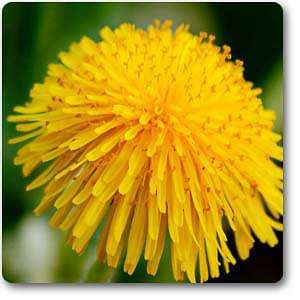
The Dandelion (Taraxacum officinale) is a perennial herbaceous plant known for its vibrant yellow flowers and distinctive jagged leaves. Often considered a weed, this resilient plant is packed with nutrients and has been used for centuries in traditional medicine. Its deep taproot allows it to thrive in various soil types, making it a hardy addition to any garden.
What makes the Dandelion special is its versatility and health benefits. Rich in vitamins A, C, and K, as well as minerals like iron and calcium, dandelions are a powerhouse of nutrition. They have been used in herbal remedies for liver detoxification, digestion, and inflammation, showcasing their importance in both culinary and medicinal applications.
One of the special features of the Dandelion is its ability to attract pollinators, such as bees and butterflies, contributing positively to the ecosystem. Additionally, every part of the plant is edible, from the roots to the flowers, making it a sustainable choice for environmentally conscious gardeners.
Growing Instructions:
- Plant seeds in well-drained soil, ideally in early spring or fall.
- Choose a sunny location, as dandelions thrive in full sunlight.
- Space seeds about 12 inches apart to allow for growth.
Care Instructions:
- Water regularly, especially during dry spells, but avoid waterlogging.
- Fertilize with organic compost to enhance nutrient content.
- Monitor for pests; dandelions are generally pest-resistant.
Uses:
- Leaves can be used in salads or cooked as greens.
- Flowers can be made into dandelion wine or used in teas.
- Roots can be roasted and ground as a coffee substitute.
Fun Facts:
- Dandelions are known for their ability to bloom in early spring, often before other plants.
- The name "dandelion" comes from the French "dent de lion," meaning "lion's tooth," referring to the shape of the leaves.
- Dandelions have been used in traditional medicine for over 1,000 years, with references found in ancient Chinese and Greek texts.
Environmental Impact:
Dandelions play a crucial role in the ecosystem by providing early food sources for pollinators. Their deep roots help aerate the soil and improve its structure, making them beneficial for garden health. Additionally, they can help prevent soil erosion, making them a valuable plant for sustainable gardening practices.
Coupons
Delivery
Reviews
You may also like