The Clock
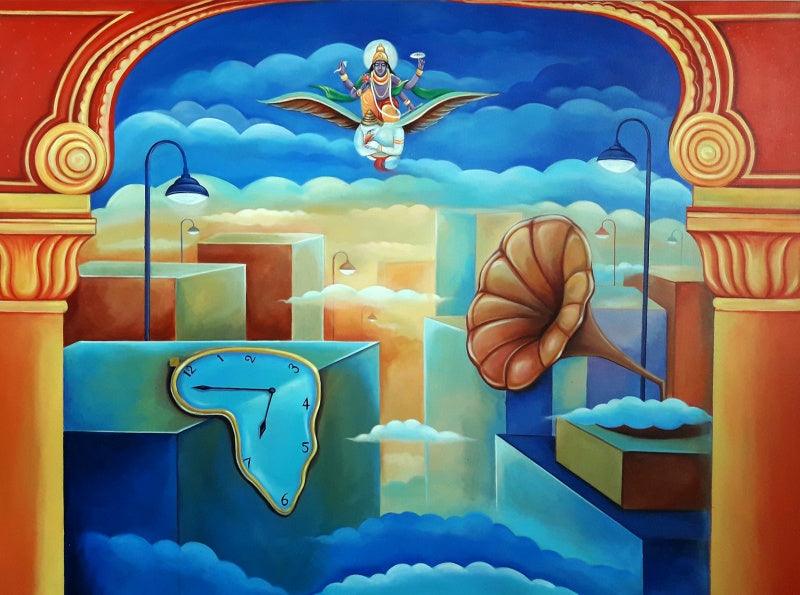
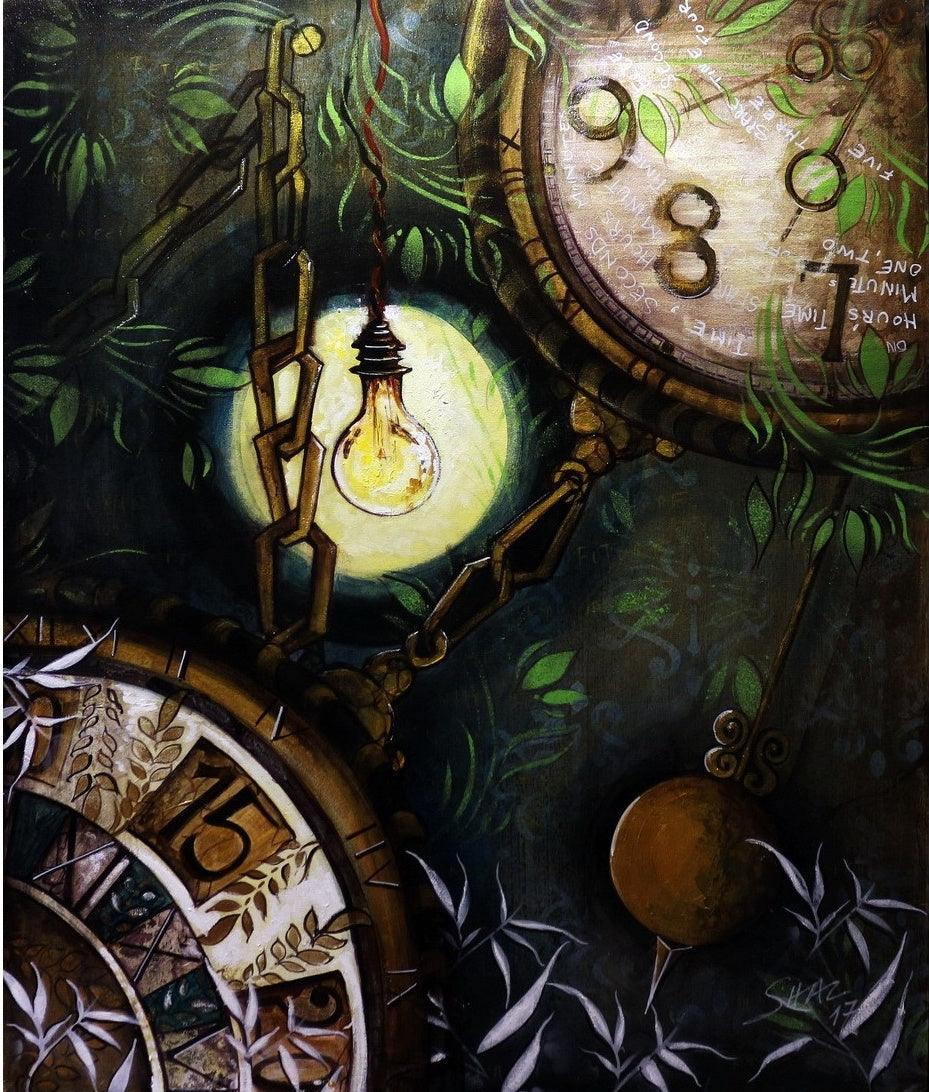
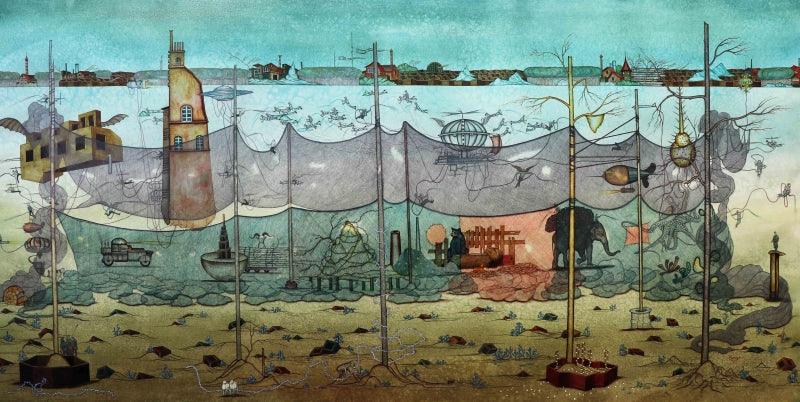
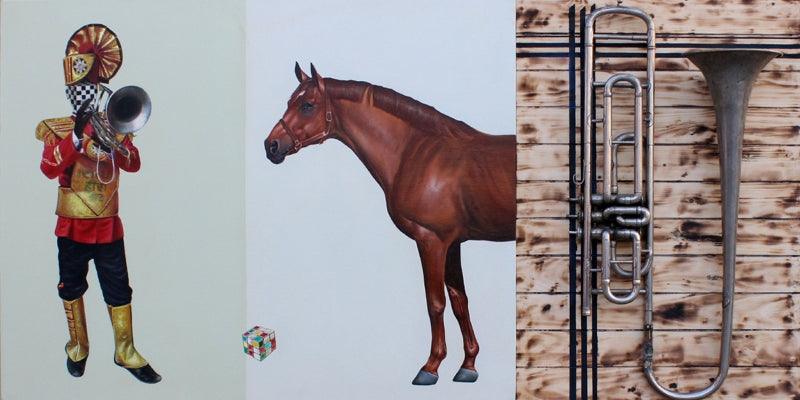
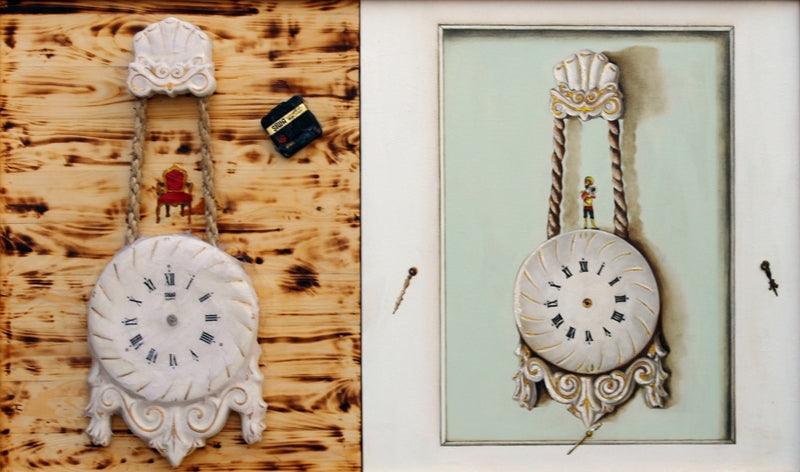
This diptych stages time as both object and memory: on one side, the ornate clock is pinned against raw, scorched wood, while on the other it is quarantined within a pale, domestic frame, as if the same moment were being archived and lived simultaneously. The tension between rustic grain and pristine border turns the pendulum’s absent swing into a psychological pulse, suggesting how experience is edited by context—workshop labor versus curated interior. Small, almost toy-like intrusions and scattered hardware function like mnemonic debris, implying that what “keeps time” is less the mechanism than the fragments of daily life that cling to it. In the restrained palette of whites, sepias, and soft green, the piece carries a quiet melancholy, proposing that permanence is decorative while time remains stubbornly untouchable.
Delivery
You may also like